
As an Amazon Associate I earn from qualifying purchases.
Have you ever wondered if you can really get by on just 5 hours of sleep? Maybe you’ve tried it during busy weeks and felt surprisingly okay—or maybe completely exhausted.
Understanding how your body and mind react to limited sleep could change the way you live every day. What if cutting down your sleep hours is quietly affecting your focus, mood, or even your health? Keep reading to discover the truth behind functioning on 5 hours of sleep—and what it means for you.
Quick Navigation
Sleep Needs And Variations
Sleep needs vary widely among people. Some feel great after fewer hours, while others need more. Understanding these differences helps explain if five hours of sleep is enough. It depends on many factors like age, lifestyle, and genetics.
Recommended Sleep Duration
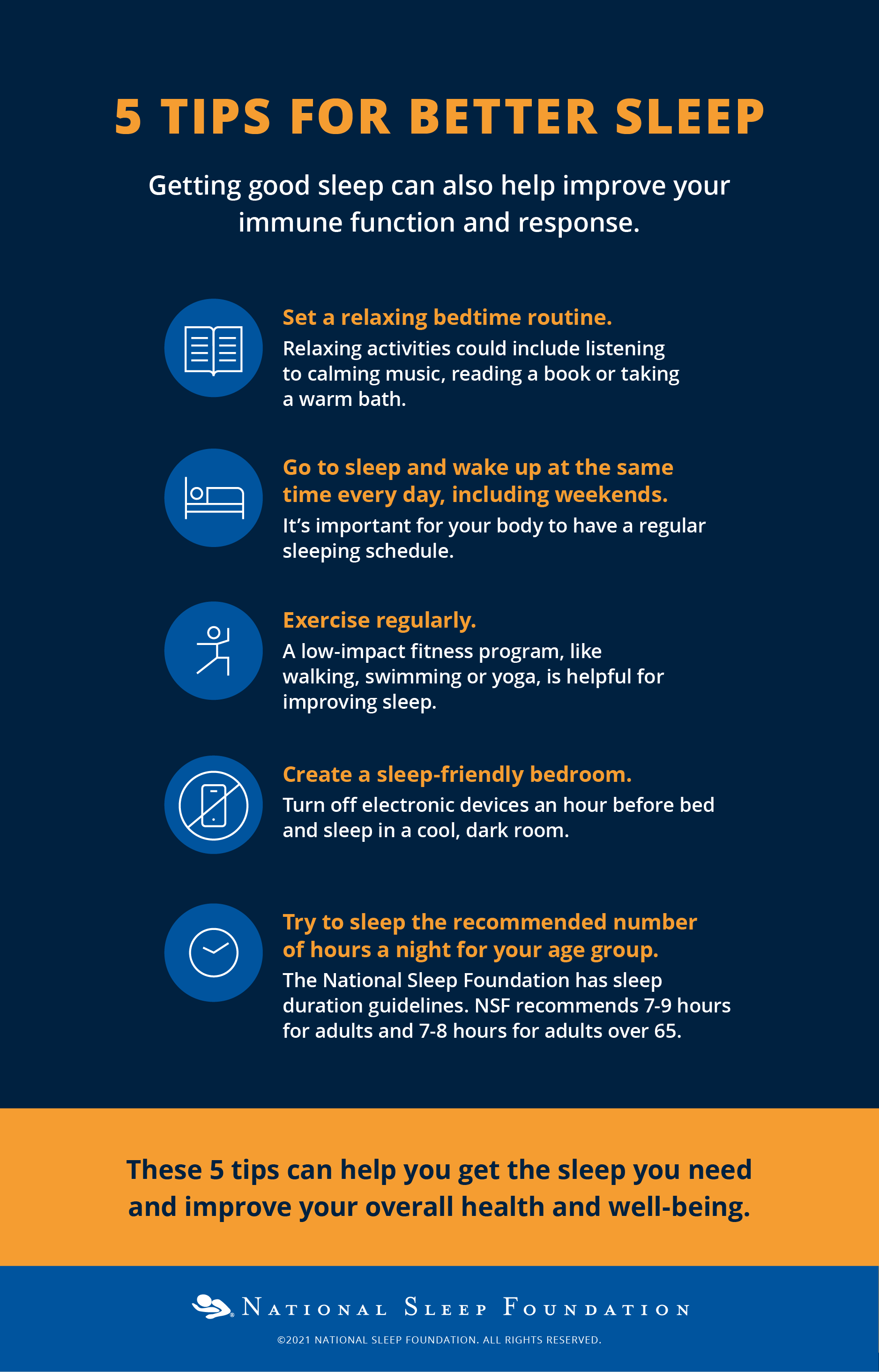
Experts suggest adults get seven to nine hours of sleep each night. This amount supports good health, memory, and mood. Less than seven hours can cause problems over time. Children and teens usually need even more sleep.
Individual Differences In Sleep
Not everyone needs the same amount of sleep. Some people naturally function well with less sleep. Others feel tired and unfocused with only five hours. Genes, daily activity, and health can all affect sleep needs.
Short Sleepers Vs. Sleep Deprived
Short sleepers are people who sleep less but feel rested. They have no trouble with focus or energy. Sleep deprived people get too little sleep and feel tired. Their body and mind do not recover fully.
Effects Of 5 Hours Sleep On Health
Getting only 5 hours of sleep each night can affect health in many ways. Sleep is important for the body and mind to work well. Short sleep can lead to problems that build up over time. Understanding these effects helps to see why 5 hours is not enough for most people.
Cognitive Performance
Sleep plays a key role in thinking and memory. Five hours of sleep reduces attention and focus. It becomes harder to solve problems or make decisions. Reaction times slow down, raising the risk of accidents. Learning new things also becomes more difficult with less sleep.
Physical Health Risks
Short sleep increases the chance of heart disease and stroke. It can cause weight gain by affecting hunger hormones. The immune system weakens, making it easier to get sick. High blood pressure and diabetes risks rise without enough sleep. The body does not repair itself well during poor sleep.
Emotional And Mental Well-being
Sleep affects mood and stress levels. Less sleep can cause irritability and mood swings. It raises the risk of anxiety and depression. Emotional reactions become stronger and harder to control. Sleep helps the brain manage feelings and recover from stress.
Short-term Vs. Long-term Impact
Sleeping only 5 hours a night affects the body and mind in different ways over time. Some effects show up right away. Others build slowly and cause more harm. Understanding both short-term and long-term impacts helps to see how sleep shapes health and daily life.
Immediate Consequences
With just 5 hours of sleep, tiredness hits fast. Focus and alertness drop. Simple tasks become harder. Mood swings and irritability increase. Reaction time slows down, making driving or working unsafe. The body starts to feel the strain quickly.
Chronic Sleep Restriction
Consistently sleeping 5 hours harms health over weeks and months. Memory problems grow. Risk of heart disease and diabetes rises. Immune system weakens, leading to more sickness. Mental health issues like anxiety and depression can worsen. The body struggles to repair itself.
Recovery Sleep And Its Limits
Extra sleep on weekends helps, but not fully. One or two long nights do not fix all damage. The brain needs regular, enough sleep for full recovery. Skipping sleep repeatedly adds up and causes lasting effects. Balance and routine matter most for health.

Adaptation And Sleep Efficiency
Adaptation and sleep efficiency play a key role in how humans manage with less sleep. Some people claim they function well on just five hours of sleep. This raises questions about how the body copes and if sleep quality can make up for less sleep time.
Understanding how the body adjusts and how sleep cycles work is important. This knowledge helps us see if short sleep is truly enough or just a strain on health.
Can The Body Adjust?
The body tries to adapt to less sleep by becoming more efficient. Some studies show that short sleepers can reduce the time spent falling asleep. They also spend more time in deep sleep stages. Still, long-term lack of sleep may cause problems.
Not everyone can adjust well. Genetics may affect how some people tolerate less sleep. Most adults need at least seven hours for full recovery and energy.
Quality Vs. Quantity
Sleep quality is about how restful sleep is, not just hours spent in bed. High-quality sleep includes deep and REM stages, which help memory and repair. People with poor sleep quality feel tired even after eight hours.
Short sleepers may have better sleep quality, allowing them to feel rested. Still, most research supports that sleep quantity matters for brain and body health.
Sleep Cycles In Short Sleepers
Sleep happens in cycles lasting about 90 minutes each. Each cycle has light, deep, and REM sleep. Short sleepers may have fewer cycles but spend more time in deep and REM stages.
This shift helps them get important rest faster. It may explain why they feel alert on less sleep. Yet, missing some cycles can reduce overall sleep benefits.
Strategies For Managing Limited Sleep
Managing on just 5 hours of sleep is tough but doable with smart strategies. These methods help reduce tiredness and keep your mind alert. They support your body and improve focus during the day.
Try these tips to make the most out of limited sleep and stay productive.
Napping Benefits And Risks
Short naps can boost energy and alertness. A 10 to 20-minute nap refreshes the brain without causing sleep inertia. Avoid long naps, as they may disrupt nighttime sleep. Naps work best early in the afternoon. Use naps wisely to help manage sleep debt.
Optimizing Sleep Environment
A quiet, dark, and cool room improves sleep quality. Remove noise and light distractions before bedtime. Choose comfortable bedding to relax your body. Keep electronic devices away from the bed. A calm environment helps you fall asleep faster and rest better.
Lifestyle Adjustments
Exercise regularly but not close to bedtime. Avoid caffeine and heavy meals in the evening. Set a consistent sleep schedule to train your body clock. Practice relaxation techniques like deep breathing. These habits improve sleep efficiency and reduce tiredness.
When 5 Hours Is Not Enough
Sleeping only 5 hours each night can work for some people but often falls short. Many face problems without enough rest. The body and brain need more sleep to perform well every day.
Ignoring the need for more sleep leads to serious effects. The mind may feel foggy, and focus drops. Physical health can weaken, making daily tasks harder.
Signs Of Sleep Deficiency
Feeling tired during the day is a clear sign of sleep loss. Struggling to concentrate or remember things shows the brain is tired. Mood swings, irritability, and low energy also point to poor sleep. Yawning often and feeling sleepy in quiet moments are common clues.
When To Seek Professional Help
Sleep problems that last weeks should not be ignored. Difficulty falling asleep or staying asleep needs attention. Waking up tired despite enough sleep calls for a checkup. If sleep issues affect work or relationships, consulting a doctor is wise. Professionals can find the root cause and suggest treatment.
Sleep Disorders And Their Role
Sleep disorders can stop good rest even with enough time in bed. Insomnia makes falling asleep very hard. Sleep apnea causes breathing pauses, breaking sleep repeatedly. Restless leg syndrome forces the legs to move, disturbing rest. These conditions reduce sleep quality and harm health.

Frequently Asked Questions
Can Humans Perform Daily Tasks On 5 Hours Of Sleep?
Most adults need 7-9 hours, but some manage tasks on 5 hours. However, cognitive and physical performance often decline, causing reduced focus and slower reactions.
Is 5 Hours Of Sleep Harmful Long-term?
Regularly sleeping only 5 hours can harm health. It increases risks of heart disease, obesity, diabetes, and weakens the immune system over time.
How Does 5 Hours Of Sleep Affect Memory?
Sleeping 5 hours limits memory consolidation. This reduces learning ability and recall, impacting productivity and daily functioning negatively.
Can People Adapt To 5 Hours Of Sleep?
Some adapt short-term, but long-term adaptation is rare. Chronic sleep deprivation leads to fatigue, mood swings, and decreased alertness.
Conclusion
Sleeping only five hours each night is not enough for most people. The body and brain need more rest to work well. Lack of sleep can cause tiredness, poor focus, and weak health. Some may manage short sleep for a while, but it is not a good long-term plan.
Aim for seven to eight hours to feel your best daily. Good sleep helps your mind stay sharp and your body stay strong. Choose rest wisely for a healthier life.