
As an Amazon Associate I earn from qualifying purchases.
Have you ever found yourself lying awake in bed, staring at the ceiling, hoping sleep will come? You might think that staying in bed awake will help you finally drift off, but it could actually make your insomnia worse.
When you stay in bed wide-eyed, your brain starts to connect your bed with wakefulness instead of rest. This makes falling asleep even harder night after night. If you want to break this cycle and reclaim peaceful nights, understanding why staying awake in bed backfires is the first step.
Keep reading to discover simple changes you can make tonight to help your body and mind find the rest they need.
Quick Navigation
How Staying Awake In Bed Affects Sleep
Staying awake in bed can make insomnia worse. The body and mind start to link the bed with being awake, not sleeping. This change can confuse your brain and make it harder to fall asleep. Understanding how staying awake in bed affects sleep helps explain why it is harmful.
The Role Of Bed In Sleep Conditioning
The bed is a signal for sleep. The brain learns to connect bed with rest and comfort. When you lie awake for a long time, the bed becomes a place of alertness. This weakens the signal that it is time to sleep. The brain starts to expect wakefulness in bed, which worsens insomnia.
Link Between Wakefulness And Anxiety
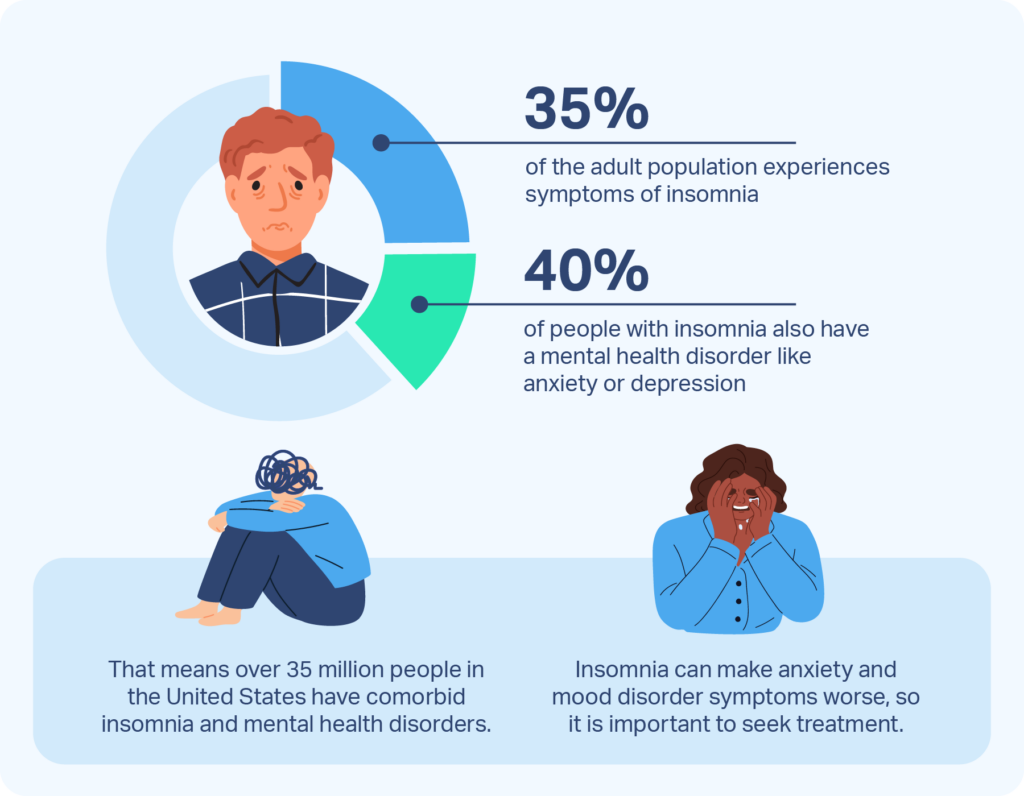
Being awake in bed can increase anxiety. You may start to worry about not sleeping. This worry keeps your mind active and tense. Anxiety makes it even harder to relax and fall asleep. The longer you stay awake, the stronger the anxiety grows. This cycle can trap you in sleepless nights.
Impact On Sleep Drive And Rhythm
Sleep drive builds up the longer you are awake. Staying awake in bed lowers this natural drive. Your body gets mixed signals about when to sleep. This disrupts your internal clock or circadian rhythm. Poor rhythm leads to irregular sleep patterns and less restful nights.
Psychological Effects Of Lying Awake
Staying in bed awake can harm your mind. The longer you lie awake, the more your brain worries. These worries make it harder to fall asleep. Your thoughts start to race. Stress builds up. This affects your sleep quality and your mood the next day.
Increased Stress And Frustration
Lying awake causes stress to grow. You begin to feel frustrated and helpless. You watch the clock, counting minutes lost. This focus on time makes stress worse. Stress releases chemicals that keep you alert. Your body stays awake even when tired. The tension makes sleep harder to reach.
Negative Sleep Associations
Your bed should mean rest and sleep. But lying awake creates bad links in your mind. Your brain learns to connect bed with being awake. This makes the bed a place of worry. Over time, this link grows stronger. It becomes harder to relax in bed at night.
Cycle Of Insomnia Reinforcement
Stress and bad sleep links feed insomnia. The more you lie awake, the worse it gets. Your brain expects to be awake in bed. This expectation wakes you up more often. Night after night, the cycle repeats. The cycle makes insomnia a habit, not just a problem.
Physical Consequences Of Insomnia
Insomnia affects more than just your sleep. It harms your body in many ways. Staying awake in bed can make these problems worse. The physical effects of insomnia can reduce your quality of life. Understanding these effects helps you see why good sleep matters.
Daytime Fatigue And Cognitive Impairment
Insomnia causes tiredness during the day. This fatigue makes it hard to focus or think clearly. Memory problems and slow reactions are common. Simple tasks feel harder. The lack of sleep disrupts brain function and alertness.
Weakened Immune Response
Sleep supports the immune system. Without enough rest, your body cannot fight infections well. You may get sick more often or take longer to heal. Insomnia lowers the body’s defense against viruses and bacteria.
Long-term Health Risks
Chronic insomnia raises risks for serious diseases. Heart problems, diabetes, and high blood pressure become more likely. Poor sleep also affects hormone balance. These changes harm your overall health over time.
Effective Alternatives To Staying Awake
Staying awake in bed can make insomnia worse. The mind links the bed to wakefulness, not sleep. This connection makes falling asleep harder over time. Using effective alternatives helps break this cycle. It improves chances to fall asleep faster and sleep better.
Getting Out Of Bed Strategies
Leave the bed if you cannot sleep after 20 minutes. Walk to another room with dim light. Avoid screens that emit blue light. Sit quietly or read a calming book. Return to bed only when feeling sleepy again. This practice trains your brain to link bed with sleep only.
Relaxation Techniques
Use slow, deep breathing to calm your body. Try progressive muscle relaxation by tightening and relaxing muscles. Visualize peaceful scenes, like a beach or forest. These methods reduce stress and prepare your body for sleep. Practicing relaxation each night improves sleep quality.
Establishing A Sleep Routine
Go to bed and wake up at the same time daily. Create a calming pre-sleep routine like reading or listening to soft music. Avoid caffeine and heavy meals before bedtime. A consistent routine helps your body expect sleep at the right time. Regular habits support natural sleep rhythms and reduce insomnia.
When To Seek Professional Help
Knowing when to get professional help is important for managing insomnia. Sleepless nights happen to everyone. But long-term trouble needs more care. Waiting too long can make insomnia worse. Early help can improve your sleep and health.
Signs Of Chronic Insomnia
Chronic insomnia lasts at least three months. It happens three or more nights each week. You may feel tired all day. Mood changes like irritability or sadness can appear. Trouble focusing and memory problems are common. Poor sleep can affect your work and relationships.
Treatment Options
Doctors offer many treatments for insomnia. Sometimes lifestyle changes help. Sleep hygiene means good bedtime habits. Medicines may be prescribed for short periods. Therapy options support long-term sleep improvement. Choosing the right treatment depends on your situation.
Cognitive Behavioral Therapy For Insomnia
Cognitive Behavioral Therapy for Insomnia (CBT-I) is effective. It changes thoughts and habits around sleep. You learn to relax and reduce worry at night. CBT-I teaches better sleep routines and environment. Many people see lasting benefits without drugs. Professional guidance ensures the best results.

Frequently Asked Questions
Why Does Lying Awake Worsen Insomnia?
Lying awake in bed increases stress and frustration. This worsens insomnia by creating negative sleep associations. The brain links bed with wakefulness, making sleep harder.
How Does Staying In Bed Affect Sleep Quality?
Staying in bed awake disrupts your natural sleep cycle. It reduces sleep drive and delays falling asleep. This lowers overall sleep quality and increases insomnia risk.
What Should I Do If I Can’t Sleep?
If you can’t sleep, get out of bed. Engage in a quiet, relaxing activity in low light. Return to bed only when sleepy to reset sleep patterns.
Can Anxiety From Lying Awake Increase Insomnia?
Yes, anxiety from lying awake triggers stress hormones. These hormones make it harder to relax and fall asleep. Breaking this cycle is key to improving insomnia.
Conclusion
Staying awake in bed often makes insomnia worse. The mind grows more restless and stressed. It teaches the brain to link bed with wakefulness. Better to get up and do a quiet activity. This helps reset your body’s sleep signals.
Over time, this habit can improve sleep quality. Remember, patience and consistency are key to healing. Small changes lead to better nights and brighter days. Sleep well, live well.