
As an Amazon Associate I earn from qualifying purchases.
Have you ever wondered how your sleep tracker knows when you’re in REM sleep? That deep, dream-filled stage of sleep plays a huge role in how rested and refreshed you feel.
Understanding how these devices detect REM sleep can help you make better sense of your sleep data—and improve your nightly rest. You’ll discover the simple science behind sleep trackers and learn what they really measure to spot your REM cycles.
Keep reading to unlock the secrets your tracker is revealing every night.
Quick Navigation
Basics Of Sleep Cycles
Understanding sleep cycles is key to knowing how sleep trackers detect REM sleep. Sleep does not happen in one stage. It moves through several stages each night. These stages repeat in cycles. Each cycle lasts about 90 minutes. Sleep trackers use this pattern to find REM sleep.
Sleep cycles affect how rested you feel. Different stages serve different purposes. Some repair the body. Others help the brain rest and process information. REM sleep is one of the most important stages. It plays a big role in memory and mood.
Stages Of Sleep
Sleep has two main types: non-REM and REM. Non-REM has three stages. Stage 1 is light sleep. Your body starts to relax. Stage 2 is deeper sleep. Your heart rate slows down. Stage 3 is the deepest. This is when the body heals and grows. After non-REM, the body enters REM sleep. The cycle then repeats several times.
Characteristics Of Rem Sleep
REM sleep is when most dreaming happens. Your eyes move quickly under closed lids. The brain is active, almost like when awake. Muscles are very relaxed and almost paralyzed. This stops you from acting out dreams. REM sleep is important for memory and learning. Sleep trackers look for signs of brain and body activity to detect this stage.
Types Of Sleep Trackers
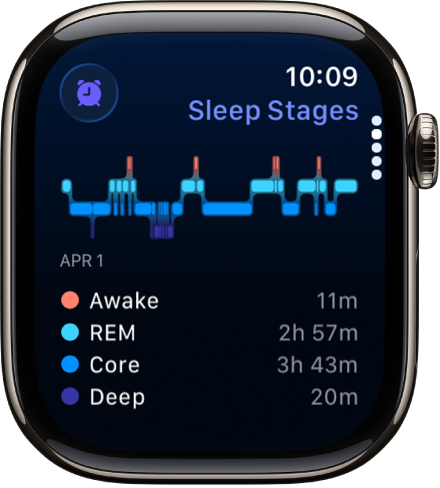
Sleep trackers help monitor your sleep patterns, especially REM sleep. Different types of trackers use various methods to gather data. Understanding these types can help you choose the right one for your needs.
Wearable Devices
Wearable devices include smartwatches and fitness bands. They use sensors to track heart rate and movement. These sensors detect body signals that change during REM sleep. Most wearables use accelerometers to monitor movements. A steady heart rate and low movement often mean REM sleep. Some advanced models measure skin temperature and oxygen levels. Wearables offer real-time data and easy access. They are convenient for daily use and travel.
Non-wearable Sensors
Non-wearable sensors include bedside devices and under-mattress monitors. They use sound, motion, and breathing patterns to track sleep. These sensors detect subtle body movements during REM sleep. Radar technology can sense breathing rate and heart rate without contact. Non-wearable devices are good for people who dislike wearing gadgets. They provide a less intrusive way to monitor sleep. These devices often connect to apps for detailed sleep reports.
Key Indicators Of Rem Sleep
REM sleep is a special stage of sleep. It helps the brain rest and grow. Sleep trackers use different signals to find this stage. These signals show what is happening inside your body during REM sleep.
Understanding these key indicators helps trackers give accurate sleep reports. They measure changes in your body that happen only in REM sleep. Let’s explore the main signals sleep trackers use.
Heart Rate Variability
Heart rate variability (HRV) is the change in time between heartbeats. During REM sleep, HRV increases and becomes more irregular. Trackers use sensors to measure these small changes. This helps them identify when you enter REM sleep.
Eye Movement Detection
Rapid eye movement is a clear sign of REM sleep. Special sensors or cameras detect quick eye motions beneath your eyelids. These movements are different from other sleep stages. Sleep trackers use this data to spot REM sleep phases.
Brainwave Patterns
Brainwaves show how active your brain is. In REM sleep, brainwaves look similar to when you are awake. Some advanced trackers use EEG sensors to read these patterns. This information helps confirm you are in REM sleep.
Technologies Behind Detection
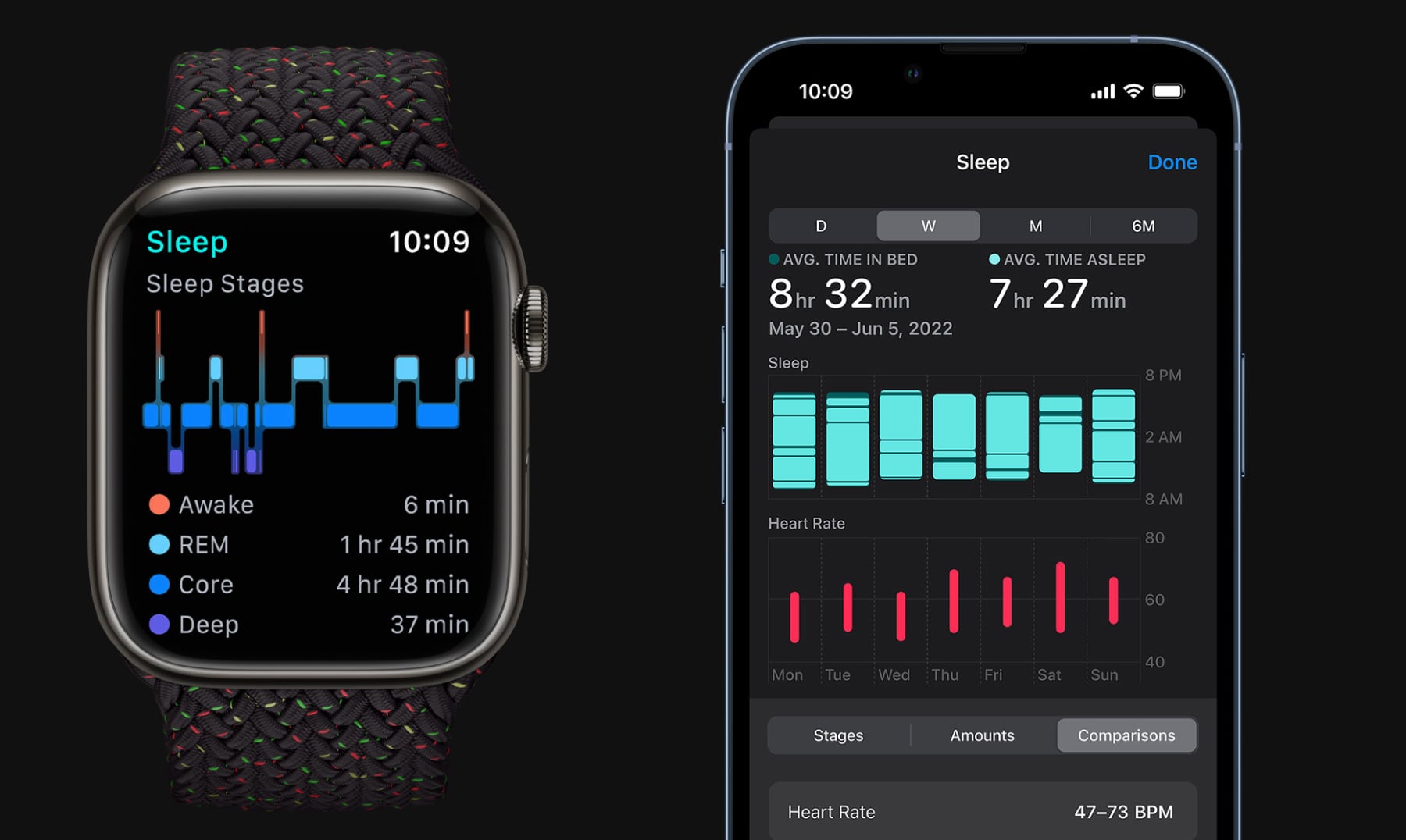
Sleep trackers use different technologies to find out when you enter REM sleep. These tools gather data from your body during the night. They analyze movements, heart rate, and brain activity. This helps them estimate your sleep stages, especially REM sleep. Understanding these technologies shows how trackers work.
Accelerometers And Motion Sensors
Accelerometers detect your body movements in bed. They sense small changes in position and activity. During REM sleep, your body stays mostly still. These sensors notice less movement compared to other sleep stages. Sleep trackers use this data to guess when you are in REM sleep.
Photoplethysmography (ppg)
PPG measures blood flow by shining light through your skin. It tracks your heart rate and blood oxygen levels. Your heart rate changes during different sleep stages. During REM, heart rate becomes irregular. Sleep trackers use PPG signals to identify REM sleep periods.
Electroencephalography (eeg)
EEG records brain waves with small sensors on your scalp. Different sleep stages show unique brain wave patterns. REM sleep features fast and low-amplitude waves. EEG provides the most accurate data about REM sleep. Some advanced trackers use EEG for detailed sleep analysis.
Data Analysis And Pattern Recognition
Sleep trackers rely on data analysis and pattern recognition to detect REM sleep. These devices collect raw data from sensors and use smart techniques to understand sleep stages. This process helps identify the unique signs of REM sleep.
Algorithms And Machine Learning
Algorithms process large amounts of sleep data quickly. They search for patterns linked to REM sleep. Machine learning helps improve accuracy by learning from past data. It adapts to different users’ sleep habits. This means the tracker gets better over time at spotting REM phases.
Interpreting Sleep Data
Sleep data includes heart rate, movement, and brain activity signals. The tracker analyzes changes in these signals to find REM sleep. Less movement and faster heart rate often signal REM sleep. The device compares these patterns to typical REM characteristics. This helps to separate REM from other sleep stages.
Accuracy And Limitations
Sleep trackers offer helpful insights about REM sleep. They use sensors to monitor body signals during the night. These devices estimate REM sleep by analyzing heart rate, movement, and breathing patterns. Despite advances, accuracy varies across different brands and models.
Understanding the limits helps users set right expectations. Sleep trackers may confuse similar sleep stages or miss brief REM periods. The technology is improving but not perfect yet.
Common Challenges
Detecting REM sleep is tough because body signals overlap. Heart rate and breathing can look alike in deep sleep and REM. Movement sensors may not catch subtle muscle twitches in REM. External factors like noise or device fit also affect readings. Many trackers rely on algorithms that guess sleep stages, which can cause errors.
Improving Detection Precision
Newer trackers use multiple sensors to boost accuracy. Combining heart rate, skin temperature, and oxygen levels helps. Machine learning models learn from large data sets to improve guesses. Some devices sync with sleep labs for better calibration. Regular software updates also fix bugs and enhance detection. Users can improve results by wearing devices snugly and sleeping in calm environments.
Future Trends In Sleep Tracking
Sleep trackers are getting better every year. They help us understand deep sleep, light sleep, and REM sleep. The future of sleep tracking holds many exciting changes. These changes will improve how we monitor and improve our sleep health.
Advanced Sensor Integration
New sensors will collect more detailed body data. These include heart rate, breathing, and body movement. Some sensors will track brain waves with more accuracy. This helps detect REM sleep better than before. Devices will become smaller and more comfortable. You may wear sleep trackers like a patch or a ring. This makes sleep tracking easier and less disruptive.
Personalized Sleep Insights
Future sleep trackers will offer custom advice. They will use your unique sleep patterns and health data. This helps create sleep plans that fit your needs. The trackers will learn your habits and suggest changes. These insights help improve sleep quality over time. Expect clear, simple tips based on your sleep data.

Frequently Asked Questions
How Do Sleep Trackers Identify Rem Sleep Phases?
Sleep trackers detect REM sleep by monitoring heart rate, breathing, and movement patterns. REM sleep shows unique physiological signals like irregular breathing and rapid eye movement, which sensors capture to distinguish this phase accurately.
What Sensors Do Sleep Trackers Use For Rem Detection?
Most sleep trackers use accelerometers, heart rate monitors, and sometimes skin temperature sensors. These tools collect data on body movement, heart rate variability, and other indicators to identify when REM sleep occurs.
Can Sleep Trackers Accurately Measure Rem Sleep Duration?
Yes, modern sleep trackers provide reasonably accurate estimates of REM sleep duration. However, accuracy varies by device and is best when combined with advanced algorithms analyzing multiple physiological signals.
Why Is Detecting Rem Sleep Important For Health?
Detecting REM sleep helps understand sleep quality and brain restoration. REM sleep supports memory, learning, and emotional regulation, making its monitoring vital for improving overall health and well-being.
Conclusion
Sleep trackers help you understand your REM sleep better. They use movement and heart rate to spot REM phases. This data shows how well you rest each night. Knowing your REM sleep helps improve your sleep habits. Better sleep means more energy and clearer thinking.
Sleep trackers give useful insights without complex tools. Try using one to learn about your sleep patterns. Sleep well, feel better every day.