
As an Amazon Associate I earn from qualifying purchases.
Have you ever wondered what goes into your sleep score? You might see a number pop up on your sleep app or tracker, but do you really know how it’s calculated?
Understanding this can unlock the secrets to better rest and more energy every day. You’ll discover the simple factors that shape your sleep score and how paying attention to them can transform your nights. Keep reading, and you’ll learn how to turn your sleep data into real results for your health and well-being.

Quick Navigation
Sleep Score Basics
Understanding the basics of sleep scores helps you track your rest better. Sleep scores give a clear picture of how well you sleep each night. They turn complex sleep data into easy numbers. This makes it simple to see patterns and improve your sleep habits.
These scores come from various measures collected by devices or apps. Knowing what they measure and how they calculate scores makes your sleep data more useful.
What Sleep Scores Measure
Sleep scores measure several key parts of sleep. They look at total sleep time, how long you spend in deep sleep, light sleep, and REM sleep. They also track how often you wake up during the night.
Other factors include how quickly you fall asleep and how consistent your sleep schedule is. Some scores even consider your heart rate and breathing patterns while you sleep.
All these details help create a full picture of your sleep quality. The better these parts are, the higher your sleep score will be.
Common Scoring Systems
Several scoring systems exist to rate sleep quality. One popular system is the 100-point scale. It gives a score from 0 to 100 based on sleep duration and quality.
Another system uses categories like poor, fair, good, or excellent. This makes it easy to understand your sleep health at a glance.
Some apps combine data from movement, heart rate, and breathing to calculate scores. Each system uses its own method but aims to show how well you rest.
Key Sleep Metrics
Understanding how sleep scores are calculated starts with knowing the key sleep metrics. These metrics give clear insight into your sleep quality. Each one measures a specific part of your sleep cycle. Together, they create a full picture of how well you rest.
Total Sleep Duration
This metric shows the total amount of sleep you get each night. It measures the time from falling asleep to waking up. More sleep means better recovery and higher sleep scores. Less sleep can lower your score and affect your health.
Sleep Stages Breakdown
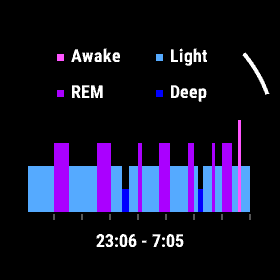
Sleep is divided into different stages: light, deep, and REM sleep. Each stage has a role in healing your body and mind. A good balance of these stages improves your sleep score. Tracking the time spent in each stage helps find sleep problems.
Sleep Onset Latency
This measures how long it takes to fall asleep. Falling asleep quickly usually means good sleep health. Taking too long to fall asleep can lower your sleep score. Shorter latency shows your body is ready to rest.
Wake After Sleep Onset
This tracks how often and how long you wake up during the night. Frequent or long awakenings reduce your sleep quality. Less waking means a higher sleep score. Staying asleep is key to feeling rested.
Role Of Sleep Quality
Sleep quality plays a key role in how sleep scores are calculated. It measures how well your body rests during the night. Good sleep quality means your body cycles through important sleep stages properly. These stages help you feel refreshed and ready for the day.
Deep Sleep Importance
Deep sleep is the stage where your body repairs itself. Muscles grow stronger and tissues heal. This stage supports immune function and memory. The longer and more consistent your deep sleep, the higher your sleep score.
Rem Sleep Benefits
REM sleep is when most dreaming happens. It helps your brain process emotions and memories. REM also supports learning and creativity. Sleep trackers value REM sleep for mental health and restfulness.
Light Sleep Function
Light sleep is a transition stage between awake and deep sleep. It helps your body relax and prepares you for deeper stages. Though lighter, it still plays a role in refreshing your body. Balanced light sleep improves overall sleep quality.
Influence Of Sleep Consistency
Sleep consistency plays a big role in how sleep scores are calculated. It measures how steady your sleep habits are over days. A regular sleep routine helps your body rest better. This leads to higher sleep quality and a better score.
Sleep consistency looks at two main factors: bedtime regularity and wake time stability. Both affect how well your body recovers each night. They also impact your energy and mood during the day.
Bedtime Regularity
Bedtime regularity means going to bed at about the same time every night. It helps set your internal clock. This makes falling asleep easier and faster. Irregular bedtimes confuse your body and lower your sleep score. Keeping a steady bedtime improves deep sleep phases. Deep sleep is the most refreshing part of sleep.
Wake Time Stability
Wake time stability means waking up around the same time daily. It keeps your body’s rhythm steady. Even on weekends, waking up at a similar time helps. Irregular wake times can cause tiredness and grogginess. A stable wake time supports better alertness and mood. It also helps your sleep score by showing consistent habits.
Impact Of Lifestyle Factors
Lifestyle plays a big role in how sleep scores are calculated. Sleep trackers measure many things during your rest. These include how long you sleep, how deep your sleep is, and how often you wake up. Lifestyle choices affect these factors every night.
Small changes in daily habits can raise or lower your sleep score. Understanding these impacts helps improve your sleep quality. Let’s explore key lifestyle factors that influence your sleep score.
Exercise And Sleep
Exercise affects sleep quality directly. Regular physical activity helps you fall asleep faster. It also increases deep sleep, the most restful phase. But intense exercise close to bedtime can make falling asleep harder. Moderate exercise earlier in the day works best for better scores.
Diet And Hydration
What you eat and drink impacts your sleep too. Heavy meals before bed can cause discomfort and disrupt rest. Caffeine and alcohol interfere with deep sleep cycles. Staying hydrated is important but avoid drinking much right before sleep. Balanced diet and proper hydration improve sleep stages and score.
Stress And Relaxation Techniques
Stress makes falling and staying asleep difficult. High stress raises heart rate and brain activity. Relaxation techniques like deep breathing or meditation calm your mind. These methods lower stress and boost sleep quality. Lower stress levels lead to higher sleep scores on trackers.
Technology In Sleep Scoring
Technology plays a big role in how sleep scores are calculated today. It collects data while you sleep and turns it into easy numbers. These scores help you understand your sleep quality better.
Different tools use sensors to track movements, heart rate, and breathing. They analyze this information to give a clear picture of your sleep patterns. This makes sleep scoring more accessible to many people.
Wearable Devices
Wearable devices like smartwatches and fitness bands track your sleep without effort. They use sensors to measure heart rate, motion, and sometimes skin temperature. These devices collect data all night long. Then, they calculate your sleep score based on how well you rest.
Smartphone Apps
Smartphone apps can track sleep using your phone’s microphone and accelerometer. They listen for sounds like snoring or movement. Some apps also ask you to log how you feel each day. This information helps the app create a sleep score that fits your habits.
Sleep Trackers Accuracy
Sleep trackers give a good estimate but are not perfect. They might miss some details that a sleep study can catch. Accuracy depends on device quality and how you use it. Still, they provide useful insights for most people.
Improving Your Sleep Score
Improving your sleep score means making small changes to your habits and environment. These changes help your body rest better and feel refreshed. Better sleep scores show better sleep quality and good health. Here are some simple steps to improve your sleep score.
Creating A Sleep-friendly Environment
Keep your bedroom cool and dark. Light and heat can disturb your sleep. Use blackout curtains or an eye mask. Remove noise or use a white noise machine. Choose a comfortable mattress and pillows. A good bed helps your body relax. Keep electronics away from your bed. Screens emit light that can disrupt sleep.
Establishing A Nighttime Routine
Go to bed at the same time every night. A regular schedule trains your body to sleep well. Avoid heavy meals and caffeine before bed. Try calming activities like reading or gentle stretching. Turn off screens at least 30 minutes before sleep. This helps your brain prepare for rest. A simple routine signals your body to relax.
Managing Disruptions
Limit caffeine and alcohol intake, especially in the evening. These can make it harder to fall asleep. If noise bothers you, use earplugs or a white noise machine. Manage stress with deep breathing or meditation. Keep your sleep space tidy and calm. If you wake up at night, avoid looking at screens. Try to stay calm and think of relaxing thoughts.

Frequently Asked Questions
What Factors Influence How Sleep Scores Are Calculated?
Sleep scores are based on duration, quality, and consistency of sleep. They also consider interruptions and sleep stages like deep and REM sleep. These elements combine to give an overall picture of sleep health.
How Is Sleep Duration Measured For Scoring?
Sleep duration is the total time spent sleeping. Accurate tracking devices or apps record this, including naps. Longer, consistent sleep usually improves the sleep score.
Why Are Sleep Interruptions Important In Scoring?
Frequent awakenings reduce sleep quality and affect score negatively. Continuous sleep without disruptions is ideal. Monitoring interruptions helps identify sleep disorders or lifestyle issues.
How Do Sleep Stages Affect The Sleep Score?
Deep and REM stages are vital for recovery and memory. More time in these stages increases the sleep score. Light sleep and awake periods lower the overall score.
Conclusion
Sleep scores help you understand your rest quality clearly. They use data like time asleep, heart rate, and movement. Each factor shows a part of how well you sleep. Watching these numbers can guide better sleep habits. Good sleep supports health, mood, and energy.
Tracking scores lets you see changes over time. Small steps can improve your nightly rest. Sleep scores make sleep easier to track and improve. Keep paying attention, and your sleep will get better.