
As an Amazon Associate I earn from qualifying purchases.
Have you ever wondered how your sleep tracker knows when you’re asleep or awake? Understanding how these devices measure your sleep can help you make better sense of your sleep data and improve your rest.
You’ll discover the simple science behind sleep trackers, how they gather information, and what those numbers really mean for your health. By the end, you’ll feel more in control of your sleep and ready to use your tracker to its full potential.
Keep reading to unlock the secrets of your sleep tracker!
Quick Navigation
Sleep Trackers Basics
Sleep trackers help people learn about their sleep patterns. They collect data while you rest. This data shows how well you sleep and where you can improve. These devices use sensors to watch your body during the night. They give clear information about your sleep quality. Understanding the basics of sleep trackers can help you use them better.
Different types of sleep trackers work in different ways. Each one has unique features. Knowing the main types helps you choose the right one for your needs.
Types Of Sleep Trackers
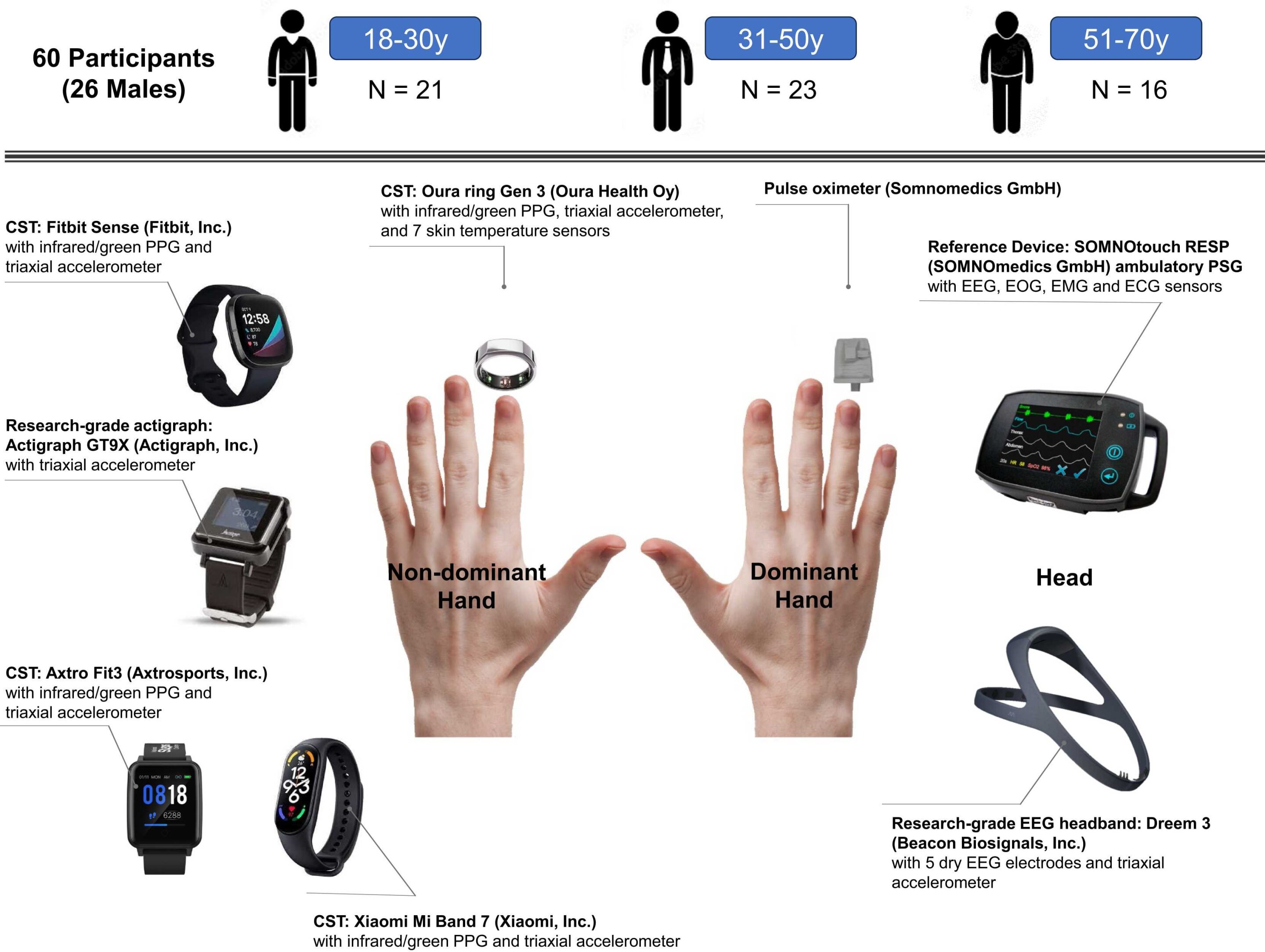
Wearable trackers are the most common. People wear them on their wrist or finger. They use motion sensors and heart rate monitors to collect data. Some trackers also measure skin temperature and oxygen levels. Another type is non-wearable trackers. These devices sit under your mattress or beside your bed. They use sound and movement sensors to track your sleep without contact. Smartphone apps can also act as sleep trackers. They use the phone’s microphone and motion sensors to record sleep patterns. Each type has strengths and limits. Choosing the right one depends on comfort and accuracy needs.
Key Metrics Monitored
Sleep trackers record several important metrics. Sleep duration shows how long you sleep each night. Sleep stages include light, deep, and REM sleep. These stages are important for different body functions. Heart rate during sleep helps monitor health and stress levels. Movement or restlessness shows how often you change positions. Oxygen levels during sleep can indicate breathing problems. Some trackers also measure sleep efficiency. This shows the percentage of time spent sleeping while in bed. These metrics give a full view of sleep quality. Knowing these helps improve your rest over time.
Sensors And Technology
Sleep trackers use different sensors to understand your sleep better. These sensors collect data about your body and movements during the night. The technology inside these devices helps turn this data into useful information about your sleep patterns. Let’s explore the main types of sensors and how they work.
Motion Detection
Motion detection sensors track your body movements while you sleep. These sensors often use accelerometers to sense small shifts. They detect when you toss or turn in bed. Less movement usually means deeper sleep stages. This data helps estimate how long and how well you sleep.
Heart Rate Monitoring
Heart rate sensors measure your pulse throughout the night. Changes in heart rate show different sleep phases. During deep sleep, your heart beats slower and more regularly. When you dream, the heart rate can speed up. This sensor helps give a clearer picture of your sleep quality.
Respiration Tracking
Respiration sensors count your breaths per minute while you rest. Breathing patterns change during different sleep stages. Slow, steady breaths suggest restful sleep. Irregular breathing can signal sleep problems. These sensors add important details to your sleep analysis.
Sleep Stages Detection
Sleep trackers monitor different stages of sleep using sensors. These stages show how well your body and mind rest. Each stage has unique traits. Devices detect changes in heart rate, movement, and breathing. This data helps identify the sleep stage you are in.
Light Sleep
Light sleep is the first stage of the sleep cycle. Your body starts to relax, but you can wake up easily. Heart rate and breathing slow down slightly. Sleep trackers notice small movements and steady breathing. This stage prepares you for deeper sleep.
Deep Sleep
Deep sleep is the most restful stage. Your body repairs muscles and strengthens the immune system. Heart rate and breathing slow to their lowest. Movement is very limited. Sleep trackers detect this by sensing stillness and slow heartbeats. Deep sleep is key to feeling refreshed.
Rem Sleep
REM sleep is when most dreaming happens. Your eyes move quickly under closed lids. Breathing becomes irregular and heart rate increases. Sleep trackers identify REM by spotting quick eye movements and changes in breathing. This stage helps with memory and learning.

Data Processing And Algorithms
Sleep trackers rely on advanced data processing and algorithms to turn raw signals into clear sleep insights. These tools analyze data collected from your body, like movement and heart rate. The software then interprets these signals to estimate sleep stages and quality. Understanding how this happens helps you trust the numbers you see every morning.
Signal Analysis
Signal analysis is the first step. Sleep trackers collect data from sensors on your wrist or mattress. These sensors detect movements, heartbeats, and sometimes breathing patterns. The device cleans the data to remove noise or errors. It then converts raw signals into useful information about your body’s state. This process ensures accuracy before deeper examination.
Pattern Recognition
Pattern recognition uses algorithms to identify sleep stages. The software compares your data with known sleep patterns. It looks for repeated signals that match deep, light, or REM sleep. The system learns from large data sets to improve its guesses. This step helps create a detailed map of your night’s rest.
Accuracy Factors
Sleep trackers use sensors and algorithms to estimate sleep patterns. Their accuracy depends on several factors. Understanding these factors helps users get better results from their devices.
Device Placement
Where you wear your sleep tracker affects its data quality. Wrist placement is common and captures movement well. Chest or headband devices may track heart rate and brain waves more precisely. Incorrect placement can lead to false readings and missed sleep stages.
User Behavior
How you behave impacts tracker accuracy. Restless movements or changing positions often confuse sensors. Consistent sleep habits help devices record clearer data. Removing the tracker during sleep disrupts the information collected.
Environmental Influences
External factors also shape sleep tracker results. Noise, light, and temperature can alter your sleep quality and movement. These changes may cause the device to misinterpret wake and sleep times. A calm, dark room supports better tracking accuracy.
Limitations Of Sleep Trackers
Sleep trackers offer helpful data but have clear limits. They rely on movement and heart rate sensors. These signals can be misleading. Devices might not detect all sleep stages correctly. Users should know these tools are not perfect.
Common Errors
Sleep trackers often confuse quiet wakefulness with sleep. Small movements during sleep may be counted as awake time. Some devices miss deep sleep phases. They may also overestimate total sleep time. Errors happen more with restless sleepers. This can lead to wrong sleep quality reports.
Comparison With Clinical Methods
Clinical sleep studies use brain waves and eye movements. These methods are more accurate than trackers. Sleep labs can measure sleep stages precisely. Trackers cannot capture brain activity. They offer an estimate, not a diagnosis. Clinical tools identify sleep disorders better. Trackers work best as a general guide.
Improving Sleep Insights
Improving sleep insights helps users understand their sleep better. Sleep trackers gather data from your body and environment. The more accurate the data, the clearer the sleep patterns. Advancements in technology aim to refine these insights. Two key methods help enhance the accuracy of sleep tracking.
Regular Calibration
Regular calibration ensures the device measures data correctly. Sensors can drift or lose accuracy over time. Updating and calibrating the tracker resets its precision. Calibration can involve comparing data against known standards. This process helps maintain reliable and consistent sleep tracking results.
Integrating Multiple Data Sources
Combining data from different sensors improves sleep analysis. Trackers use heart rate, movement, and breathing patterns. Some also include environmental data like noise and light levels. These multiple sources create a fuller picture of sleep quality. Integration reduces errors from relying on a single data point.

Frequently Asked Questions
How Do Sleep Trackers Detect Sleep Stages?
Sleep trackers use sensors to monitor movement, heart rate, and breathing patterns. They analyze this data to estimate light, deep, and REM sleep stages for accurate sleep tracking.
Are Sleep Trackers Accurate For Measuring Sleep Quality?
Sleep trackers provide a good estimate of sleep patterns but may not be 100% precise. Accuracy varies by device and sensor quality, yet they offer valuable insights into sleep habits.
Can Sleep Trackers Improve My Sleep Habits?
Yes, by tracking sleep patterns, these devices help identify disruptions and poor habits. Users can adjust routines based on data, leading to better sleep quality over time.
What Sensors Do Sleep Trackers Use To Monitor Sleep?
Most sleep trackers use accelerometers, heart rate monitors, and sometimes SpO2 sensors. These detect movements, pulse, and oxygen levels to analyze sleep stages and overall sleep quality.
Conclusion
Sleep trackers help you see how well you sleep each night. They use sensors to watch your movements and heart rate. This data shows when you are awake or in deep sleep. Knowing your sleep patterns can guide you to better rest.
Sleep matters for your health and daily energy. Simple tools like these give useful insights. Try paying attention to what your tracker tells you. Small changes can lead to peaceful, more refreshing sleep. Sleep well, live well.