
As an Amazon Associate I earn from qualifying purchases.
Have you ever found yourself reaching for a snack late at night and wondered how it might be affecting your body? What if the timing of your meals is just as important as what you eat?
Your body’s internal clock, known as the circadian rhythm, plays a huge role in how you process food, sleep, and feel throughout the day. Ignoring this natural rhythm by eating late at night could be disrupting your health in ways you don’t realize.
Keep reading to discover how late-night eating impacts your circadian rhythm—and what simple changes you can make to feel more energized and balanced every day.
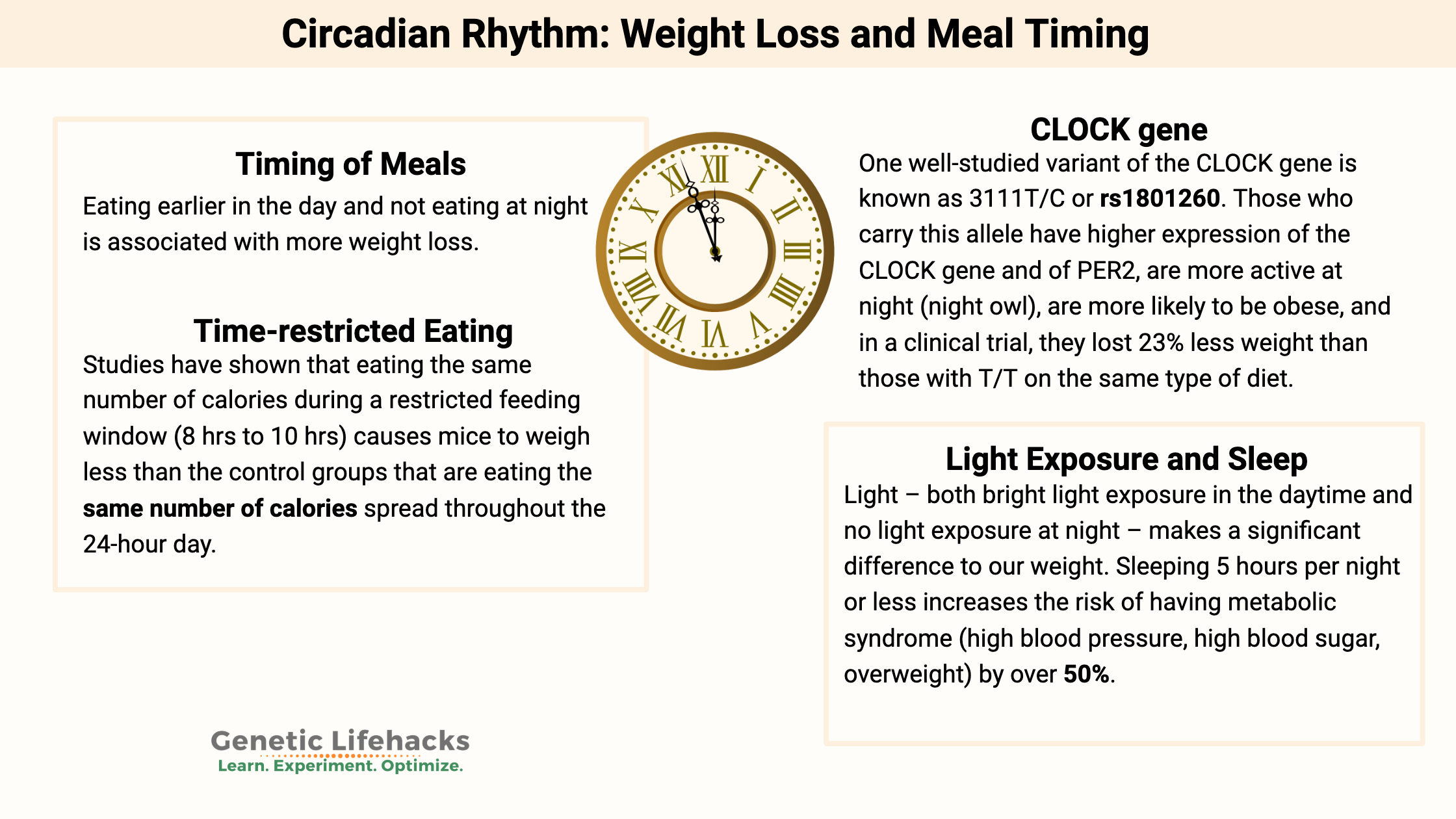
Quick Navigation
Circadian Rhythm Basics
The circadian rhythm is the body’s natural clock. It controls many functions that happen in a 24-hour cycle. This internal clock tells the body when to sleep, eat, and be active. Understanding the basics of circadian rhythm helps explain how late-night eating affects health.
Our body follows this rhythm to stay balanced. It responds to light and darkness outside. The rhythm keeps many body systems working well and on time.
Biological Clock Functions
The biological clock is in the brain, inside a small area called the hypothalamus. It senses light from the eyes to set the time. This clock signals the body to release hormones, control body temperature, and regulate hunger.
It also controls the sleep-wake cycle. When the sun rises, it tells the body to wake up. At night, it signals the body to prepare for sleep. This clock helps keep energy levels steady during the day.
Impact On Sleep And Metabolism
Sleep depends on the circadian rhythm. Eating late can confuse this clock. It may disrupt sleep quality and make falling asleep harder. Poor sleep affects mood, focus, and energy.
Metabolism also follows the circadian rhythm. The body processes food better during the day. Eating late at night can slow digestion and increase fat storage. This can lead to weight gain and other health problems.
Effects Of Late-night Eating
Eating late at night can affect the body in many ways. It can disturb natural body clocks, change sleep patterns, and affect how the body uses food. Understanding these effects helps to make better choices for health.
Disruption Of Circadian Rhythm
The circadian rhythm is the body’s internal clock. It controls sleep, hormone release, and digestion. Eating late confuses this clock. The body gets signals to be active when it should rest. This disruption can cause tiredness during the day and poor focus.
Impact On Sleep Quality
Late-night eating often leads to trouble falling asleep. The stomach works hard to digest food, making the body alert. This can cause restless nights and less deep sleep. Poor sleep lowers energy and harms mood the next day.
Metabolic Consequences
Eating late changes how the body processes food. It can slow down metabolism and raise blood sugar levels. This may increase the risk of weight gain and diabetes. The body prefers to digest food earlier in the evening for better health.
Hormones And Digestion At Night
Hormones and digestion work closely during the night. Our body follows a natural clock called the circadian rhythm. This clock controls many processes, including how we digest food and how hormones behave.
Eating late at night can affect these processes. It can change how hormones like melatonin and insulin work. It also influences the activity of the digestive system. Understanding this helps us make better food choices for better health.
Role Of Melatonin And Insulin
Melatonin is the hormone that signals sleep time. It rises in the evening to prepare the body for rest. High melatonin levels slow down insulin release. Insulin helps control blood sugar after eating. At night, insulin works less efficiently.
Eating late can cause blood sugar to stay high longer. This happens because insulin does not act fast enough. It may increase the risk of weight gain and diabetes. Melatonin and insulin must balance well for healthy digestion.
Digestive System Activity
The digestive system slows down at night. Stomach acid and enzyme production decrease. This slowdown makes digestion less efficient. Food stays longer in the stomach and intestines. It can cause discomfort and indigestion.
Late-night eating can disturb the natural rhythm. It forces the digestive system to work when it should rest. This may lead to poor nutrient absorption and sleep problems. Eating earlier supports better digestion and overall health.
Timing Meals For Better Health
Eating at the right times supports your body’s natural clock. This clock, called the circadian rhythm, controls many processes in your body. Timing meals well helps improve digestion and energy use. It also supports better sleep and overall health.
Optimal Eating Windows
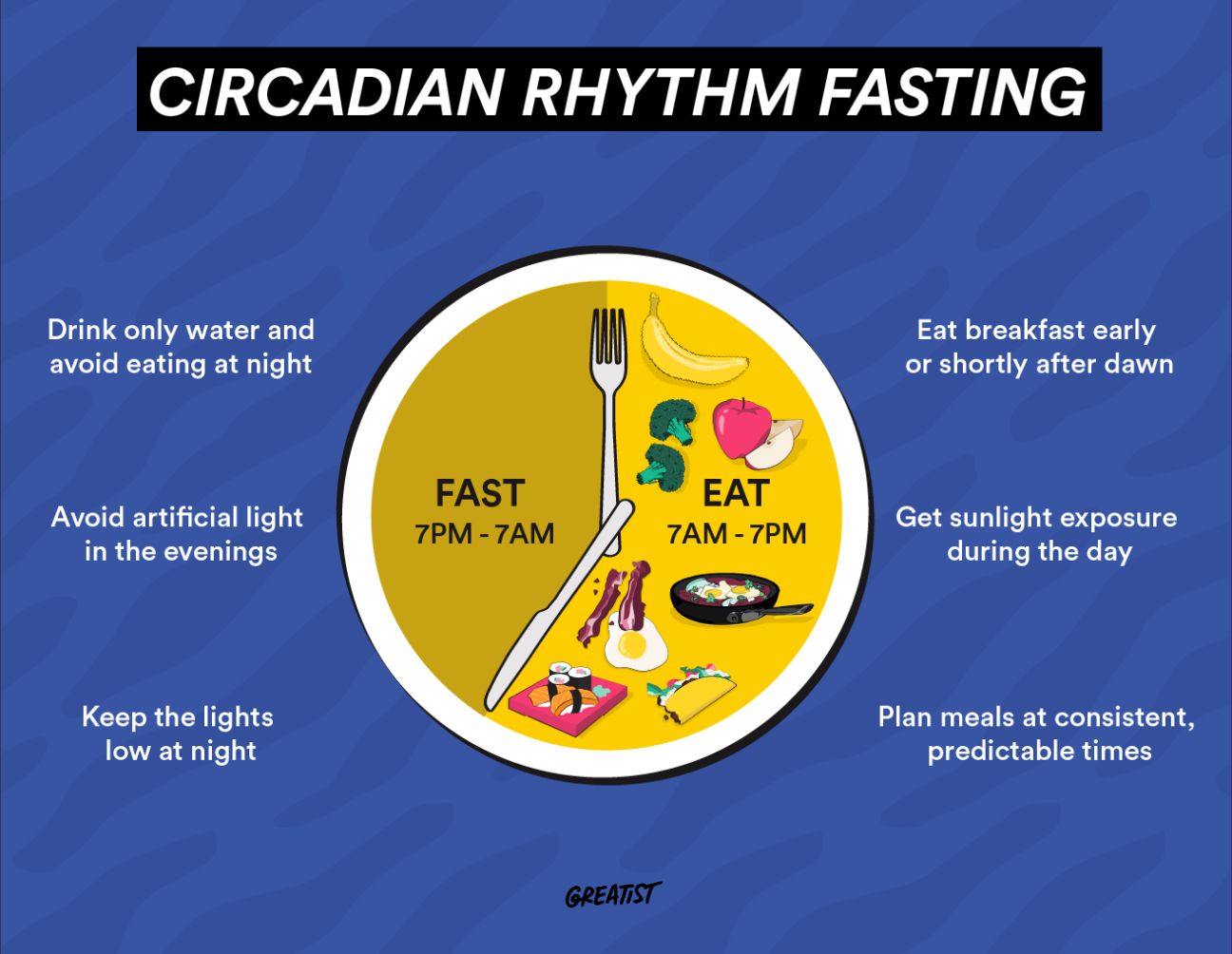
Eating within certain hours can help your body work better. Most experts suggest eating during daylight, about 8 to 10 hours. This window matches your body’s natural rhythm. It allows your digestive system to rest overnight. Avoiding late-night meals helps reduce weight gain and blood sugar problems.
Benefits Of Early Dinner
Having dinner early gives your body time to digest food before sleep. This reduces acid reflux and improves sleep quality. Early meals also help control hunger the next day. People who eat early often have better energy and focus. Eating late can disrupt your metabolism and cause poor health.
Strategies To Avoid Late-night Eating
Late-night eating can disrupt your body’s natural clock. It affects sleep and digestion. Avoiding this habit helps keep your circadian rhythm balanced. Simple strategies make it easier to stop late-night snacking. These tips support better health and rest.
Healthy Snack Alternatives
Choose snacks that satisfy without causing harm. Fresh fruit, nuts, or yogurt are good options. These foods provide nutrients and keep hunger away. Avoid sugary or heavy snacks that spike energy and disrupt sleep. Healthy choices support your body’s natural rhythm.
Establishing Eating Routines
Set regular meal times and stick to them. Consistent eating schedules train your body to expect food at certain times. Avoid eating late by having dinner earlier. Drinking water or herbal tea can reduce cravings. A steady routine helps keep your circadian rhythm steady.
Influence Of Lifestyle Factors
Lifestyle choices strongly affect the body’s natural clock, called the circadian rhythm. Eating late at night can disrupt this clock. Daily habits like stress levels, sleep quality, and exercise shape how the body processes food at different times. Understanding these lifestyle factors helps explain the link between late-night eating and health problems.
Stress And Sleep Patterns
Stress changes hormone levels that control hunger and digestion. High stress often leads to late-night snacking. Poor sleep worsens this cycle by increasing cravings for unhealthy foods. Lack of sleep also slows metabolism and affects how the body uses energy. This creates a mismatch with the circadian rhythm, causing weight gain and poor health.
Physical Activity And Metabolism
Exercise boosts metabolism and helps regulate the body clock. Active people digest food more efficiently and burn calories faster. Physical activity also improves sleep quality, which supports a healthy circadian rhythm. Sedentary behavior slows metabolism and can increase the negative effects of late-night eating. Moving regularly helps the body stay balanced and reduces risks linked to nighttime meals.
Research Insights And Studies
Scientists have studied how eating late at night affects the body’s natural clock. This clock is called the circadian rhythm. It controls many body functions, like sleep and digestion. Research shows that eating at the wrong times can disrupt this rhythm. This section explores recent studies on meal timing and its effects on health.
Recent Findings On Meal Timing
Studies reveal that eating late can confuse the body’s internal clock. This confusion can slow down metabolism. One study found that late-night meals raise blood sugar more than daytime meals. Another research showed that eating close to bedtime can reduce fat burning. Scientists suggest that eating earlier helps the body process food better.
Long-term Health Implications
Eating late often links to weight gain and higher risk of diabetes. Long-term disruptions of the circadian rhythm may cause heart problems. Some studies connect late-night eating to poor sleep quality. Poor sleep can then worsen overall health. Research warns that ignoring meal timing may increase chronic disease risks.

Frequently Asked Questions
What Is The Circadian Rhythm In Simple Terms?
The circadian rhythm is your body’s internal clock. It regulates sleep, hunger, and energy levels in a 24-hour cycle. This rhythm helps optimize bodily functions by syncing them with day and night.
How Does Late-night Eating Affect Circadian Rhythm?
Late-night eating disrupts your circadian rhythm by confusing your body’s natural schedule. It can impair metabolism, digestion, and sleep quality. This disruption may lead to weight gain and increased risk of metabolic disorders.
Can Eating Late Cause Sleep Problems?
Yes, eating late can interfere with sleep. It may cause indigestion and increase alertness, making it harder to fall asleep. Poor sleep quality from late meals affects overall health and daily performance.
What Foods Are Best To Eat At Night?
Choose light, easily digestible foods like fruits, yogurt, or nuts at night. Avoid heavy, spicy, or sugary meals. These choices support better digestion and minimize circadian rhythm disruption.
Conclusion
Eating late at night can disrupt your body’s natural clock. This may affect sleep quality and overall health. Sticking to regular meal times helps your circadian rhythm stay balanced. Try to avoid heavy meals close to bedtime. Small changes in eating habits can improve how you feel daily.
Listen to your body’s signals and eat when it feels right. Healthy routines support better sleep and energy. Your body works best with a steady schedule. Simple steps lead to lasting benefits for mind and body.