
As an Amazon Associate I earn from qualifying purchases.
Have you ever had a few drinks and thought it helped you sleep better? You’re not alone.
Many people believe alcohol is a quick fix for a good night’s rest. But what if the truth is quite the opposite? What if that nightcap is actually harming your sleep without you even realizing it? Understanding how alcohol affects your sleep cycles can change the way you think about drinking before bed—and improve how you feel every morning.
Keep reading to discover what really happens to your body and brain when alcohol meets your sleep.
Quick Navigation
Alcohol And Sleep Basics
Alcohol can change how we sleep. It might help people fall asleep faster. But it also affects the quality of sleep. Understanding how alcohol works with sleep helps us make better choices. Let’s explore some basics about sleep and alcohol.
Stages Of Sleep
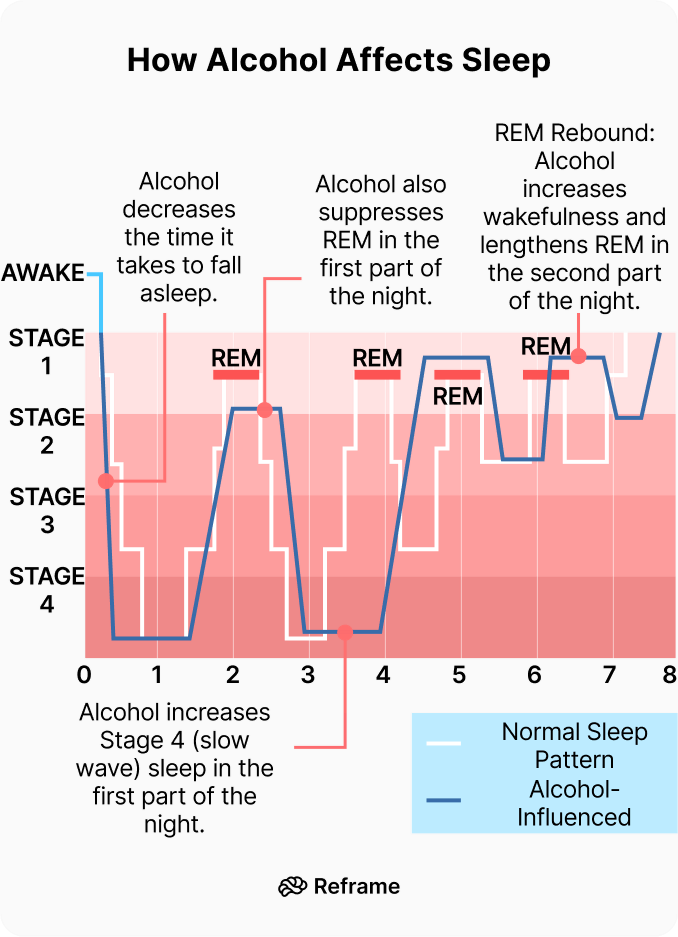
Sleep happens in cycles. Each cycle has different stages. These stages include light sleep, deep sleep, and REM sleep. Light sleep is when the body starts to rest. Deep sleep helps the body repair and grow. REM sleep is when we dream and the brain rests. Good sleep needs all these stages to work well.
How Alcohol Enters The System
After drinking, alcohol moves quickly into the blood. It passes from the stomach and intestines. The liver then breaks down most of the alcohol. But some stays in the blood for hours. During this time, alcohol affects the brain and body. This impact can change how we sleep and feel the next day.
Impact On Sleep Quality
Alcohol changes how well you sleep. It affects your sleep quality in many ways. Even if it helps you fall asleep fast, the rest of your night may suffer. Sleep becomes less restful and more broken. Understanding these effects can help you make better choices for your rest.
Initial Sedation Effects
Alcohol acts like a sedative at first. It helps you fall asleep quickly. This feeling can seem helpful after a long day. But this early sleep is often shallow. The brain does not enter deep sleep stages as it should.
Disruption Of Rem Sleep
REM sleep is important for memory and mood. Alcohol reduces the amount of REM sleep you get. This can cause tiredness and poor concentration the next day. Less REM sleep also affects how your brain processes emotions.
Fragmented Sleep Patterns
After alcohol wears off, sleep becomes restless. You may wake up many times during the night. These interruptions stop the body from fully resting. This leads to feeling tired and less alert in the morning.
Long-term Sleep Consequences
Drinking alcohol regularly can harm sleep over time. The body’s natural sleep cycles get disturbed. This leads to problems that affect overall health and daily life. Understanding these long-term effects helps highlight why good sleep matters.
Chronic Sleep Disorders
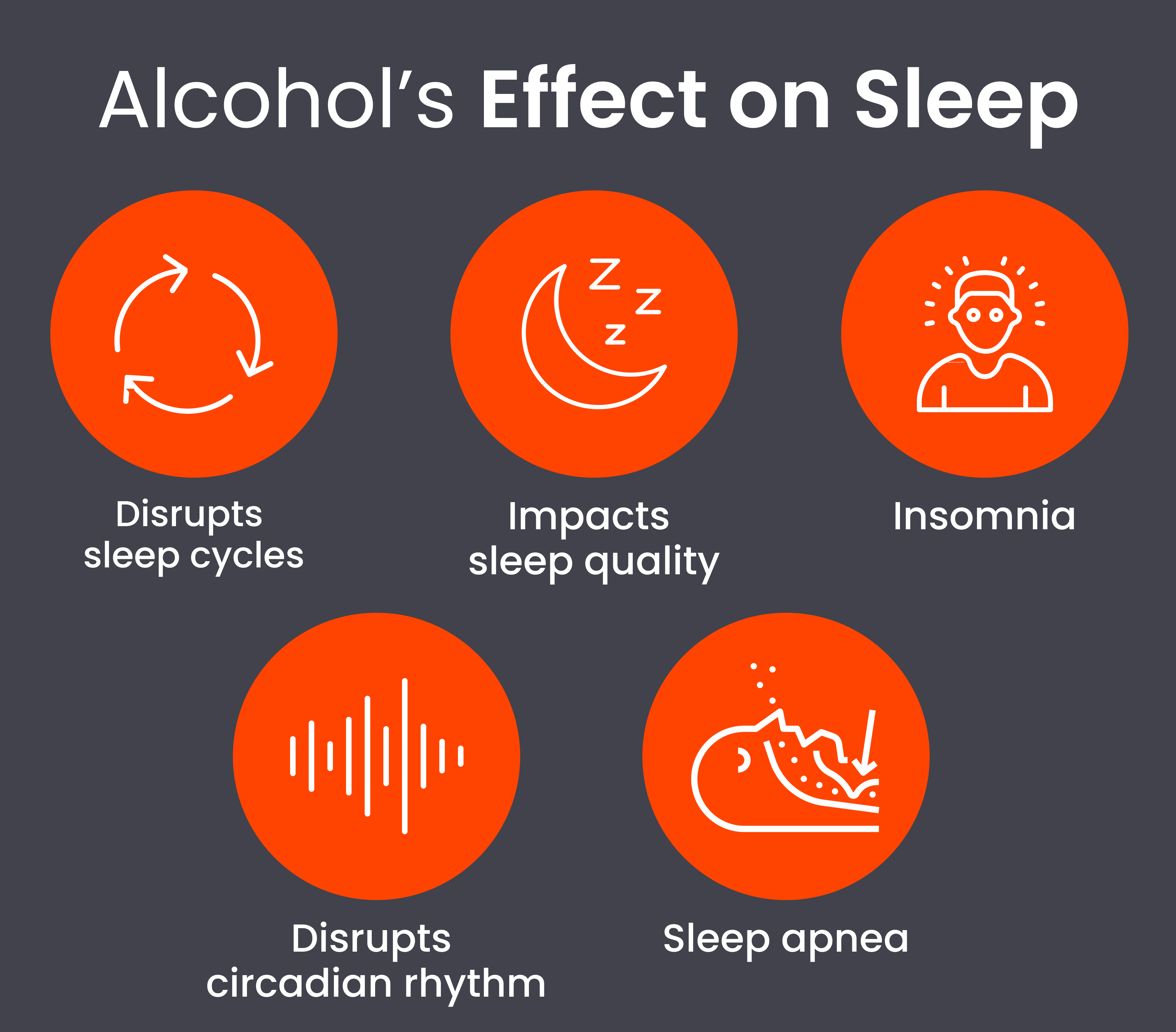
Long-term alcohol use can cause chronic sleep disorders. Insomnia becomes common, making it hard to fall asleep or stay asleep. Sleep apnea may also develop, causing breathing pauses during sleep. These disorders reduce sleep quality and leave you tired.
Tolerance And Dependence
The body builds tolerance to alcohol’s sleep effects. Over time, more alcohol is needed to feel sleepy. This leads to dependence, where sleep without alcohol feels impossible. Dependence worsens sleep problems and makes quitting alcohol difficult.
Effects On Circadian Rhythm
Alcohol disrupts the circadian rhythm, the body’s internal clock. This clock controls sleep and wake times. Disruption causes irregular sleep patterns and daytime tiredness. The body struggles to know when to sleep and when to wake.
Alcohol And Sleep Apnea
Alcohol and sleep apnea have a strong connection. Alcohol relaxes the muscles in your throat. This relaxation can make airway blockage worse during sleep. It affects how well you breathe at night.
Sleep apnea causes short pauses in breathing. These pauses reduce oxygen in your blood. Drinking alcohol before bed can increase these pauses. It makes sleep apnea symptoms harder to manage.
Increased Airway Obstruction
Alcohol relaxes throat muscles more than usual. This relaxation narrows the airway. The airway becomes more likely to collapse. Breathing stops or slows down frequently. This leads to poor sleep quality. The body wakes up often to restart breathing. These interruptions reduce restful sleep and cause tiredness.
Risks For Vulnerable Groups
People with existing sleep apnea face greater risks. Alcohol worsens their breathing problems at night. Older adults are more sensitive to alcohol’s effects. Overweight people also have higher airway blockage risks. Even small amounts of alcohol can cause big problems. Avoiding alcohol before bedtime helps reduce these risks. It supports better breathing and improved sleep.
Tips For Better Sleep With Alcohol
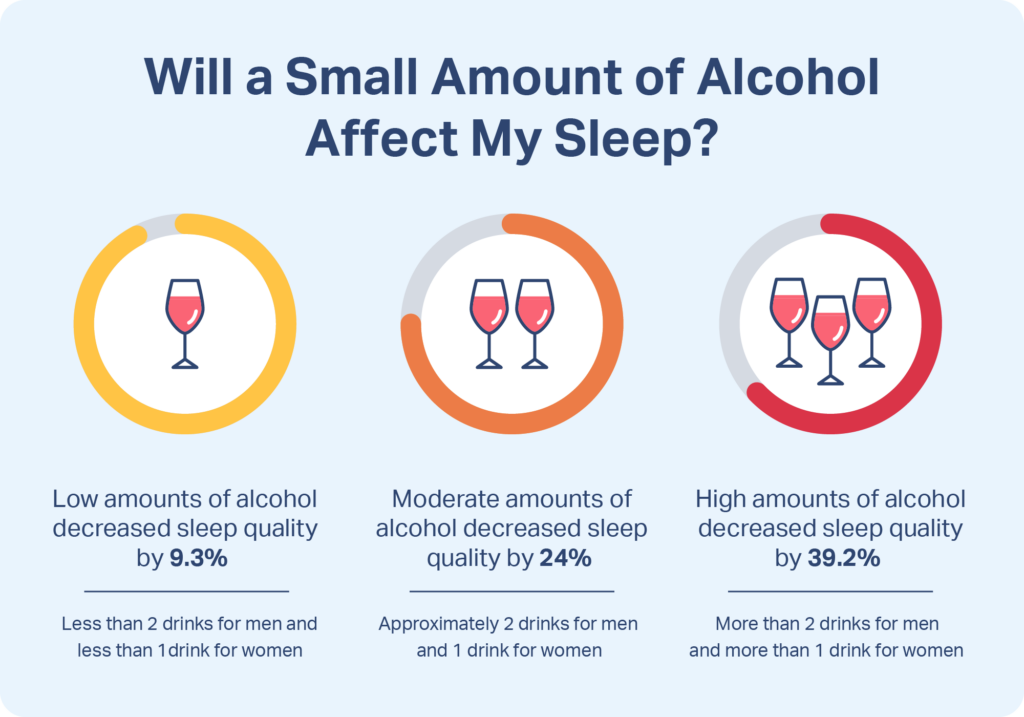
Alcohol can disturb your sleep, but some tips help improve rest. Small changes in habits make a big difference. You can enjoy a drink and still get better sleep.
Follow these simple ideas to protect your sleep while drinking alcohol.
Timing Your Intake
Drink alcohol earlier in the evening, not right before bed. This helps your body process it before sleep starts. Avoid heavy drinking close to bedtime. Give your body at least two to three hours to clear alcohol.
Hydration And Nutrition
Drink water alongside alcohol to stay hydrated. Alcohol causes dehydration, which worsens sleep quality. Eat a healthy meal before drinking. Foods slow alcohol absorption and reduce sleep problems.
Alternative Relaxation Methods
Try other ways to relax without alcohol. Reading, meditation, or light stretching calm your mind. These habits prepare your body for restful sleep. Avoid relying only on alcohol to unwind.
Frequently Asked Questions
How Does Alcohol Disrupt Sleep Cycles?
Alcohol shortens the time to fall asleep but reduces deep sleep. It causes frequent awakenings and disrupts REM sleep, affecting sleep quality and restfulness.
Can Alcohol Improve Sleep Initially?
Alcohol may induce drowsiness, helping you fall asleep faster. However, it disrupts later sleep stages, leading to poor overall sleep quality and frequent awakenings.
Does Alcohol Affect Rem Sleep?
Yes, alcohol suppresses REM sleep, the stage linked to memory and mood. Reduced REM sleep can cause cognitive issues and affect emotional health.
How Long Does Alcohol Affect Sleep After Drinking?
Alcohol can disrupt sleep cycles for several hours after consumption. Effects may last throughout the night, especially with higher alcohol intake.
Conclusion
Alcohol can disturb your sleep and reduce its quality. It may help you fall asleep faster but harms deep sleep stages. This leads to feeling tired and less focused the next day. Avoid drinking alcohol close to bedtime for better rest.
Good sleep helps your mind and body work well. Choose healthy habits to improve your sleep cycles naturally. Taking care of your sleep improves your overall health and mood. Sleep well, live well.