
Have you ever wondered if the way you sleep could change your health and well-being? Sleeping on your back might seem simple, but it holds surprising benefits that can improve your rest and overall comfort.
Imagine waking up feeling refreshed, with less pain and better posture—all because of a small shift in how you sleep. You’ll discover why back sleeping could be the key to better nights and healthier days. Keep reading to find out how this one change can make a big difference for you.
Quick Navigation
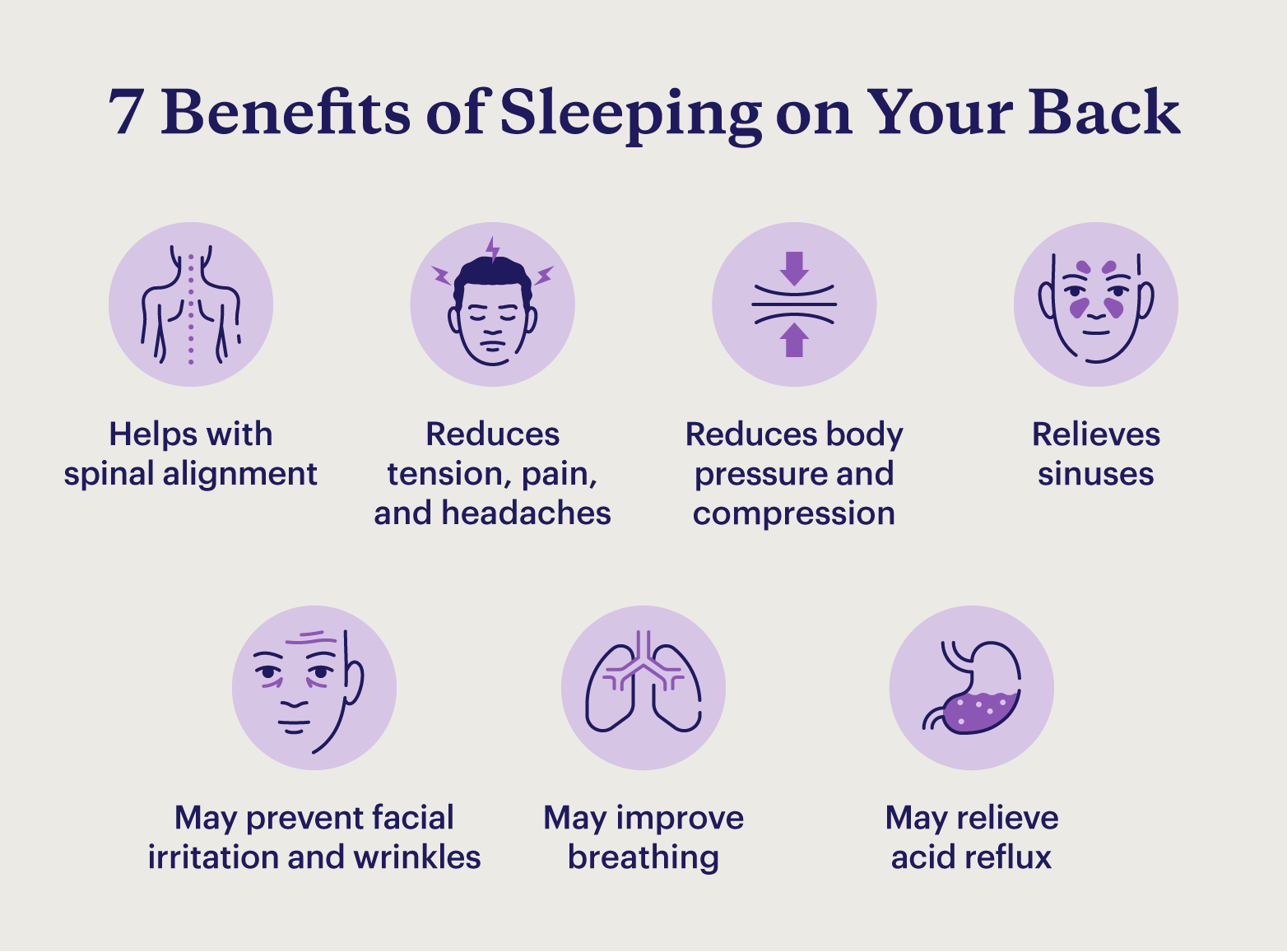
Improved Spinal Alignment
Sleeping on your back helps keep your spine in a natural position. This position supports the curves of your spine. It helps prevent bending or twisting during sleep. Good spinal alignment reduces pain and stiffness in the morning. It also improves overall posture and comfort.
Reduced Pressure On Spine
Back sleeping spreads body weight evenly across the mattress. This reduces pressure points on the spine. Less pressure means less risk of spine pain. It also lowers the chance of pinched nerves. Your spine can rest and heal better at night.
Balanced Weight Distribution
Back sleeping balances weight on your back, hips, and shoulders. This balance prevents uneven stress on any part of the spine. It stops muscles from overworking to support your body. Balanced weight helps keep your spine straight and healthy.
Enhanced Breathing
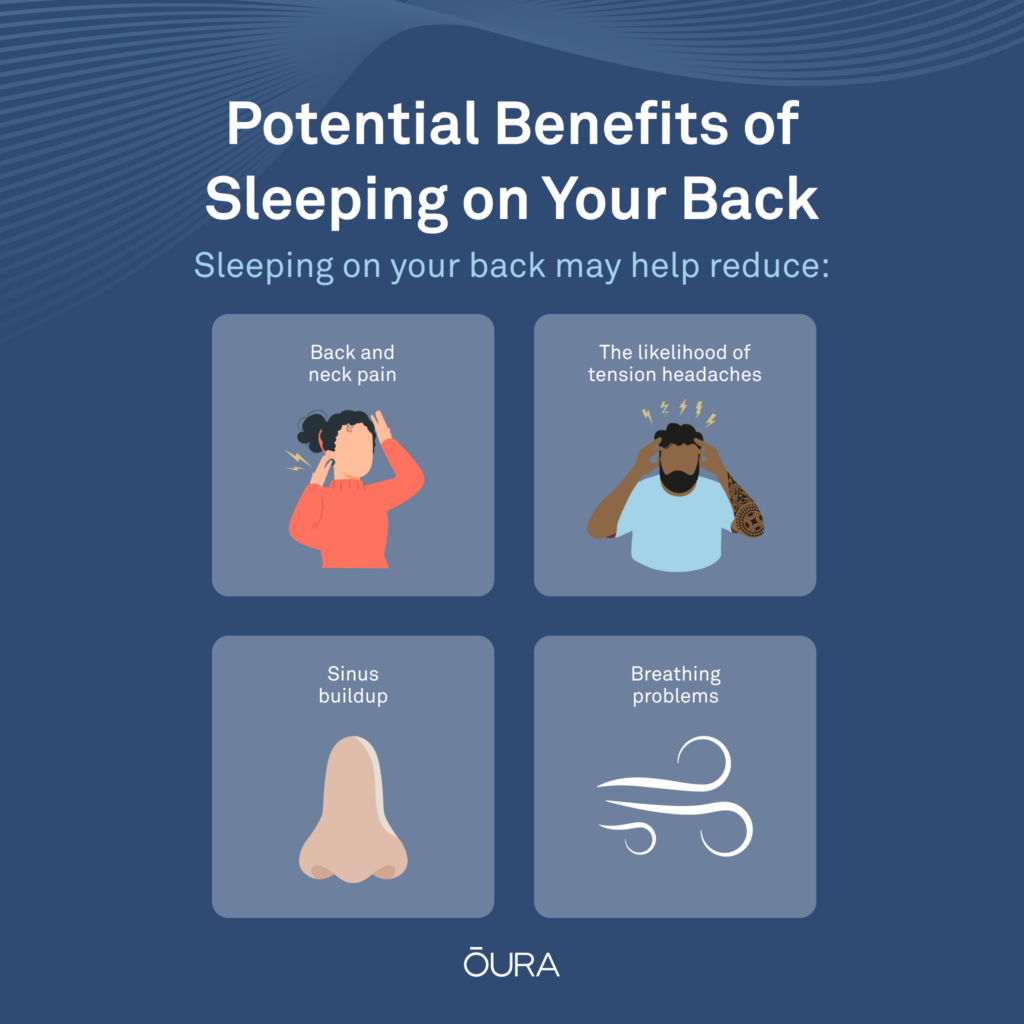
Sleeping on your back helps improve your breathing during the night. This position keeps your airways open, making it easier to take full breaths. Proper breathing supports better oxygen flow to your body and brain. It can also make your sleep deeper and more restful.
Open Airway Benefits
Back sleeping helps keep the throat and windpipe open. This reduces the chance of blockage that can cause breathing problems. With an open airway, you breathe more smoothly and quietly. This means your lungs get enough air without extra effort.
Reduced Snoring
Sleeping on your back can lower snoring for some people. When you lie on your back, the tongue and soft tissues stay in place. This stops them from blocking the airway. Less blockage means less noise during sleep. This helps you and those around you rest better.
Minimized Wrinkles And Skin Benefits
Sleeping on your back offers clear skin benefits. It helps reduce wrinkles and keeps your skin healthier. This sleeping position avoids pressure on your face. That means less chance for skin to crease or fold during sleep. The result is smoother, younger-looking skin over time.
Less Facial Compression
Back sleeping stops your face from pressing against the pillow. This reduces skin compression and stretching. Side and stomach sleeping push the skin into folds. These folds cause wrinkles and fine lines. Sleeping on your back keeps skin relaxed. It also lowers the risk of developing sleep lines.
Improved Skin Health
Back sleeping helps your skin stay fresh and healthy. It allows better blood flow to your face. Good circulation brings oxygen and nutrients to skin cells. This supports natural repair and regeneration. Your skin can heal from daily damage more easily. It also helps keep your complexion bright and even.
Alleviation Of Acid Reflux
Acid reflux causes a burning feeling in the chest and throat. It happens when stomach acid moves back up into the esophagus. Back sleeping can help reduce this discomfort. Changing your sleep position affects how acid flows in your body. This section explains how sleeping on your back helps ease acid reflux.
Gravity’s Role
Gravity pulls stomach acid down and away from the esophagus. When you lie on your back, the acid stays in the stomach. This reduces the chance of acid rising up. Sleeping on your side or stomach can let acid move up more easily. Gravity helps keep the acid where it belongs.
Reduced Heartburn Symptoms
Heartburn is a common symptom of acid reflux. Back sleeping can lower how often you feel heartburn. It helps keep the acid from touching the sensitive lining of your throat. Fewer symptoms mean better sleep and less discomfort during the night. This simple change can improve your overall rest.
Optimized Circulation
Back sleeping helps blood flow smoothly through the body. This position keeps the heart, lungs, and other organs in a natural alignment. It reduces pressure on veins and arteries. The result is better circulation throughout the entire body. Good circulation helps with healing, energy, and overall health.
Even Blood Flow
Lying on the back spreads body weight evenly. It stops blood vessels from being squeezed or blocked. Blood moves easily to all parts of the body. This helps deliver oxygen and nutrients to organs and muscles. Even blood flow also helps the brain work well. It supports better focus and calmness during sleep.
Lower Risk Of Pressure Sores
Back sleeping reduces pressure points on the skin. It prevents blood from pooling in certain areas. This lowers the chance of pressure sores or ulcers. People who stay in bed for long periods benefit the most. Good circulation keeps skin healthy and strong. It helps the body avoid painful and harmful sores.
Tips For Adjusting To Back Sleeping
Adjusting to back sleeping can take time for many people. Changing your sleep position affects your body and comfort. Small steps help your body get used to this new habit. The right tools and environment can make the process easier. Try simple tips to make back sleeping more natural.
Choosing The Right Pillow
A good pillow supports your head and neck well. Choose one that keeps your spine straight. Too high or too flat can cause pain. Memory foam or contour pillows work well for back sleepers. They fill the space between your neck and mattress. This support helps reduce neck strain and improves comfort.
Creating A Supportive Sleep Environment
Make your bed cozy and supportive for back sleeping. A medium-firm mattress helps keep your body aligned. Keep pillows nearby to support your knees if needed. Soft lighting and cool room temperature improve sleep quality. Remove distractions like noise or bright lights. A calm environment helps your body relax and adjust.

Frequently Asked Questions
What Are The Main Benefits Of Back Sleeping?
Back sleeping helps maintain spinal alignment and reduces neck pain. It also minimizes wrinkles and prevents acid reflux by keeping the head elevated.
Does Back Sleeping Improve Breathing During Sleep?
Yes, back sleeping opens airways and reduces pressure on the lungs. This position can help ease breathing and reduce snoring in some people.
Can Back Sleeping Reduce Wrinkles And Skin Aging?
Sleeping on your back prevents face compression against pillows. This reduces skin creases and helps slow down wrinkle formation over time.
Is Back Sleeping Good For People With Acid Reflux?
Back sleeping with the head slightly elevated prevents stomach acid from rising. This position helps reduce acid reflux symptoms during sleep.
Conclusion
Back sleeping supports better spine alignment and reduces pressure points. It helps prevent wrinkles and keeps your face clear. This position also lowers acid reflux and improves breathing. Many find it easier to stay comfortable and sleep longer this way.
Try back sleeping for a few nights to see the difference. Small changes can lead to healthier, more restful sleep. Give your body the rest it deserves by choosing the right sleep position. Better sleep, better health—simple as that.