
As an Amazon Associate I earn from qualifying purchases.
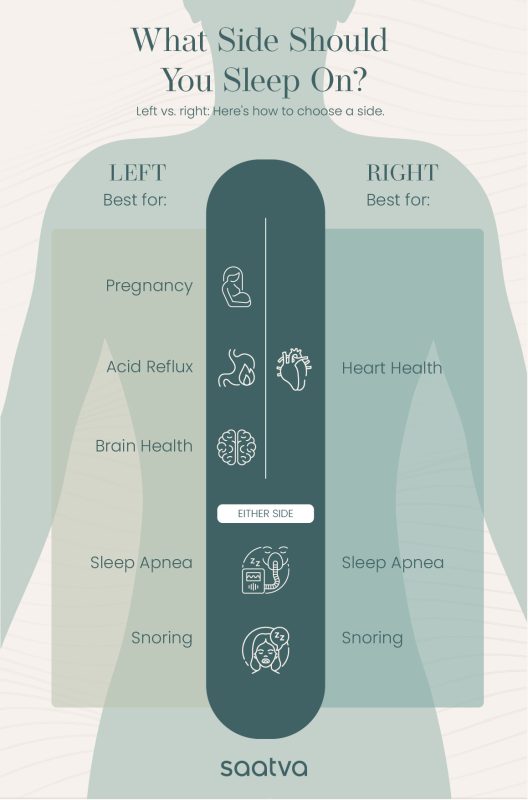
Have you ever wondered if sleeping on your left side or right side makes a difference? The way you sleep can affect your health, comfort, and even how refreshed you feel each morning.
Choosing the right side to sleep on isn’t just about comfort—it can impact digestion, heart health, and more. You’ll discover the surprising benefits and drawbacks of both left side and right side sleeping. By the end, you’ll know exactly which side works best for your body and why it matters to your overall well-being.
Keep reading to unlock the secrets to better sleep and a healthier you.
Quick Navigation
Benefits Of Left Side Sleeping
Sleeping on the left side offers many health benefits. It improves body functions and supports better rest. Many experts suggest this position for a healthier sleep routine. Below are some key benefits of left side sleeping.
Improved Digestion
Sleeping on the left side helps food move smoothly through the digestive tract. Gravity aids the flow from the stomach to the intestines. This position reduces bloating and gas. It also helps the body absorb nutrients better.
Enhanced Heart Health
The left side position eases pressure on the heart. It allows better blood flow and reduces strain. This position supports the heart’s natural function. It can lower the risk of heart-related issues.
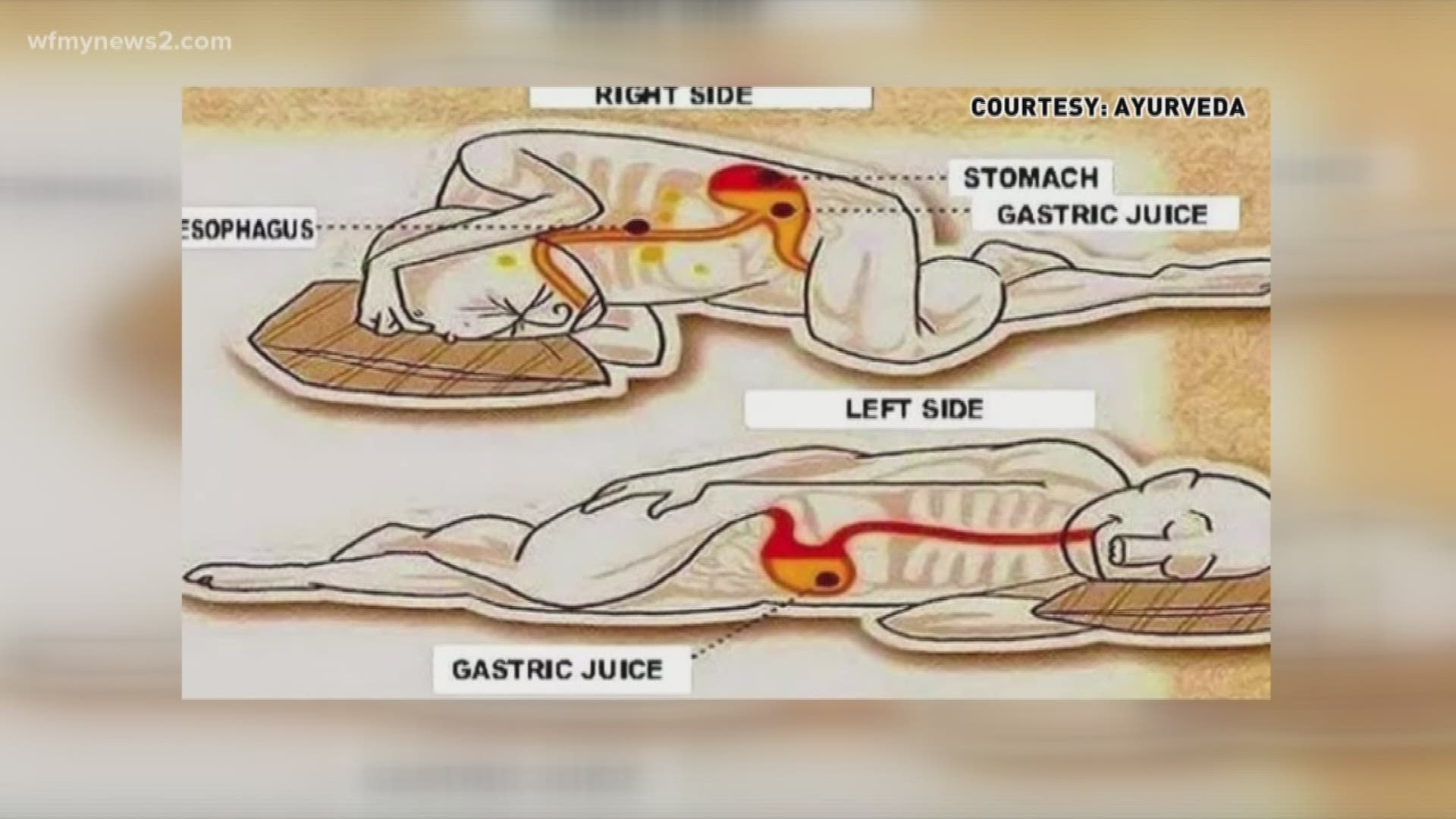
Reduced Acid Reflux
Sleeping on the left side keeps stomach acid from rising. The stomach is below the esophagus in this position. It helps prevent heartburn and acid reflux symptoms. People with GERD often find relief this way.
Better Lymphatic Drainage
The left side supports the lymphatic system’s natural cleaning process. It helps drain waste and toxins from the body. This improves immune function and overall health. The lymphatic system works more efficiently while resting on the left side.

Benefits Of Right Side Sleeping
Right side sleeping offers several health benefits that improve rest quality. Choosing this position can support vital organs and ease common health issues. Many people find relief from discomfort by sleeping on their right side.
Eases Heart Pressure
Sleeping on the right side helps reduce pressure on the heart. It allows blood to flow more freely throughout the body. This position can be especially helpful for those with heart conditions.
Supports Lung Function
The right side position opens up the lungs better than other positions. It allows easier breathing and improves oxygen intake. This helps maintain good lung health and reduces breathing struggles during sleep.
Relieves Snoring And Sleep Apnea
Right side sleeping helps keep airways open during sleep. It reduces the chances of snoring and sleep apnea episodes. This leads to a quieter night and better overall sleep quality.
Impact On Pregnancy
Sleeping position affects pregnant women and their babies. Choosing the right side can improve blood flow and comfort. This choice impacts oxygen and nutrient delivery to the baby. Pregnant women should be aware of these effects to support a healthy pregnancy.
Why Left Side Is Preferred
The left side helps blood flow to the heart and uterus. It reduces pressure on the liver and improves kidney function. This position lowers swelling in feet and ankles. Many doctors recommend the left side for better oxygen supply to the baby. It also helps the placenta work well.
Risks Of Right Side Sleeping
Right side sleeping may put pressure on the liver and other organs. It can reduce blood flow to the baby and uterus. This can cause discomfort and increase swelling. Right side sleeping might raise the risk of certain pregnancy complications. Pregnant women should avoid this position for better health.
Effects On Back And Neck Pain
Back and neck pain affect many people. Sleeping position plays a big role in pain levels. Choosing the right side to sleep on can help ease discomfort. Poor posture in bed can worsen pain and stiffness. Understanding the effects of left and right side sleeping can guide better choices for rest and relief.
Left Side Sleeping And Spinal Alignment
Sleeping on the left side often supports better spinal alignment. This position keeps the spine straight and reduces pressure on the back. It helps maintain the natural curve of the neck and lower back. Many find less stiffness and fewer aches after sleeping this way. Proper pillow support improves neck alignment further. This side can also reduce strain on muscles and joints along the spine.
Right Side Sleeping For Pain Relief
The right side can ease pain for some people. It may reduce pressure on certain nerves and organs. This position can help with conditions like sciatica or herniated discs. Using a pillow between the knees supports the hips and lowers back. Neck pain might lessen if the head and neck are well supported. Many find right side sleeping comfortable for reducing specific types of pain.
Sleep Quality And Position
Sleep quality depends on many factors, and the position you choose plays a big role. The way you lie down affects how well you move through sleep stages. It also impacts your comfort and how rested you feel.
How Position Affects Sleep Stages
Sleeping on the left or right side can change your sleep cycle. Your body may enter deep sleep more easily in one position. Deep sleep is very important for healing and memory. Some studies show left side sleep may reduce snoring and improve breathing. Better breathing helps you stay in deep sleep longer. Right side sleep might cause more interruptions for some people. These breaks can stop you from reaching the best sleep stages.
Comfort And Personal Preference
Comfort is key for good sleep. Some people find the left side more relaxing. Others feel better on the right side. Your body shape, mattress, and pillow also affect comfort. Choose the side that feels natural to you. A good position helps avoid pain in the neck and back. Comfort leads to falling asleep faster and sleeping through the night.
When To Avoid Side Sleeping
Side sleeping is popular for comfort and health benefits. Still, certain health issues make side sleeping less ideal. Knowing when to avoid side sleeping helps protect your health and improve sleep quality.
Medical Conditions Influencing Sleep Position
Some medical conditions require specific sleep positions. People with severe heart failure may need to avoid left side sleeping. This position can increase pressure on the heart and lungs. Those with certain lung diseases might find breathing easier on the right side. Acid reflux patients often benefit from left side sleeping. But some with severe acid reflux may need to try other positions for relief. Joint pain or injury on one side of the body can also affect sleep position choice.
Consulting A Healthcare Provider
Always seek advice from a healthcare provider about sleep positions. A doctor can recommend the best position for your health needs. They can diagnose conditions that affect sleep comfort. A healthcare provider may suggest tests or therapies to improve sleep. Following professional advice ensures safer and more restful sleep. Never ignore persistent sleep discomfort or pain.
Tips For Transitioning Sleep Sides
Changing your sleeping side can improve comfort and health. It helps reduce pressure on your body and improve breathing. Transitioning sides takes time and care. Small steps make the change easier and more natural.
Try simple tips to make sleeping on a new side comfortable. Support and gradual changes help your body adjust without stress.
Using Pillows For Support
Place a pillow behind your back to stop rolling over. Use a body pillow to hug for comfort and stability. A pillow between your knees keeps your hips aligned. These supports reduce strain and help your body relax. Pillows make the new side feel cozy and safe.
Gradual Position Changes
Start by lying on your new side for a few minutes. Increase the time each night as you get used to it. Avoid sudden shifts that may cause discomfort. Try switching sides during naps to practice. Your body will slowly learn the new position. Patience helps you sleep well and wake refreshed.
Frequently Asked Questions
What Are The Benefits Of Left Side Sleeping?
Left side sleeping improves digestion, reduces acid reflux, and enhances heart health. It also promotes better lymphatic drainage and may ease pregnancy discomforts. This position supports optimal organ function and encourages better blood flow throughout the body.
Is Right Side Sleeping Better For Snoring?
Right side sleeping can reduce snoring by keeping airways open. However, its effect varies per individual. Some may find relief, while others might experience more snoring. It’s best to try both sides to see which reduces snoring effectively.
Which Side Sleeping Aids Heart Health More?
Sleeping on the left side benefits heart health by reducing pressure on the heart. It improves circulation and lowers heart strain. Right side sleeping may increase heart workload, so left side sleeping is generally recommended for cardiovascular health.
Does Side Sleeping Help With Sleep Apnea?
Side sleeping can help reduce sleep apnea symptoms by preventing airway obstruction. It keeps the tongue and soft tissues from blocking airflow. Both left and right side positions are beneficial compared to back sleeping for sleep apnea sufferers.
Conclusion
Choosing between left side and right side sleeping affects health in different ways. Left side sleeping may help digestion and reduce heartburn. Right side sleeping can ease breathing for some people. Comfort and personal health needs matter most. Try both sides to see which feels best.
Good sleep supports overall well-being. Small changes in sleep position can improve rest quality. Sleep well, feel better every day.