
As an Amazon Associate I earn from qualifying purchases.
Are you someone who loves sleeping on your side? You might not realize it, but the way you sleep can have a big impact on your spine health.
Your spine supports your entire body, and a poor sleeping position can cause pain, stiffness, or even long-term problems. But what if you could protect your spine while still enjoying your favorite sleep position? You’ll discover how side sleeping affects your spine and simple tips to keep your back happy and healthy every night.
Keep reading—your spine will thank you!
Quick Navigation
Benefits Of Side Sleeping
Side sleeping offers several health benefits. It supports your body in natural ways. Many people find side sleeping comfortable and healthy. This position helps with rest and recovery during sleep.
Spinal Alignment Advantages
Sleeping on your side helps keep the spine straight. A straight spine reduces pressure on the back. It lowers the chance of back pain or stiffness. Proper alignment supports nerves and muscles well. Side sleeping can prevent long-term spine problems.
Reduced Snoring And Sleep Apnea
Side sleeping opens the airways more than other positions. This reduces snoring and breathing pauses. People with sleep apnea often find relief on their side. Better airflow means better oxygen flow to the body. It leads to more restful and peaceful sleep.
Improved Digestion And Circulation
Lying on the left side helps digestion by easing stomach processes. It allows food to move smoothly through the digestive tract. Side sleeping also improves blood flow throughout the body. Good circulation delivers oxygen and nutrients efficiently. This supports overall health and energy levels.
Common Spine Issues From Poor Sleep
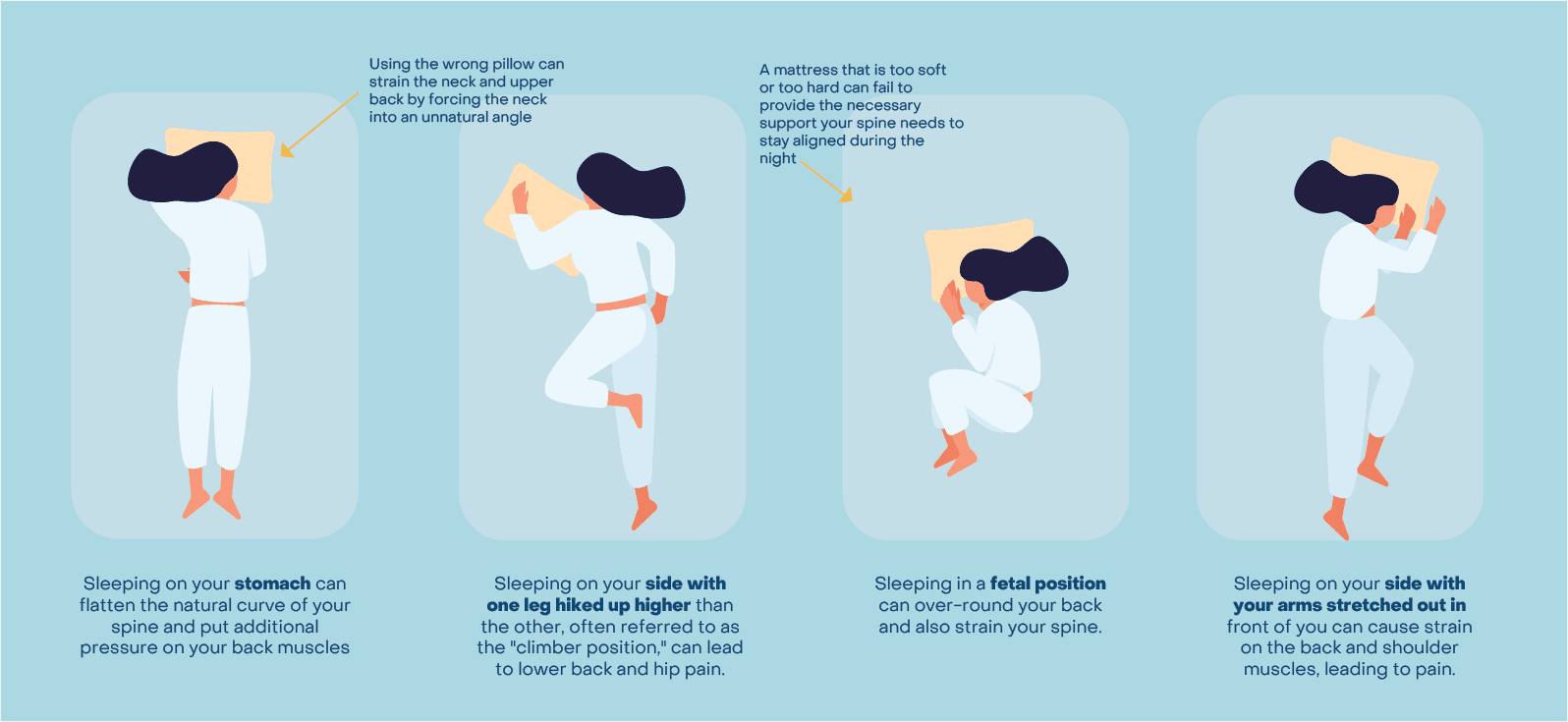
Poor sleep can cause many spine problems. Sleeping in the wrong position strains your back and neck. This strain leads to pain and stiffness. Your spine needs support to stay healthy at night. Without proper support, spine issues can grow worse over time.
Causes Of Back And Neck Pain
Back and neck pain often come from bad sleeping habits. Twisting or bending the spine puts pressure on muscles and nerves. Staying in one position for too long makes pain worse. Poor posture during sleep can cause muscle tightness. This tightness leads to discomfort and difficulty moving.
Impact Of Unsupportive Pillows
Pillows that do not support your head well cause neck pain. If the pillow is too high or too flat, your neck bends unnaturally. This bending strains the neck muscles and spine. A good pillow keeps your neck aligned with your spine. Without this, you wake up with stiffness and headaches.
Effects Of Mattress Quality
A mattress that is too soft or too hard affects your spine health. Soft mattresses do not hold the spine in a straight line. Hard mattresses create pressure points on your back. Both types cause poor spinal alignment. A mattress should support natural spine curves for pain-free sleep.
Choosing The Right Pillow
Choosing the right pillow is key for side sleepers to keep their spine healthy. The pillow supports the head and neck. It helps keep the spine in a straight line. A good pillow reduces pain and stiffness. It improves sleep quality. Small changes in pillow choice can make a big difference.
Ideal Pillow Height And Firmness
The pillow height should fill the space between the head and shoulder. Too high or too low puts strain on the neck. Firmness matters too. A pillow that is too soft will not support the neck well. Too firm can cause pressure points. Medium firmness often works best for side sleepers.
Memory Foam Vs. Latex Options
Memory foam molds to the shape of the head and neck. It offers good support and pressure relief. Latex pillows are more bouncy and resilient. They keep their shape longer and resist dust mites. Both types support the spine but feel different. Choose the one that feels comfortable to you.
Using Additional Support Pillows
Extra pillows can help keep the spine aligned. A small pillow between the knees reduces hip strain. Another pillow can support the waist or back. These supports keep the body balanced during sleep. They help reduce aches and improve comfort. Experiment with pillow placement to find what works best.

Best Mattresses For Side Sleepers
Choosing the right mattress is key for side sleepers. It supports the spine and eases pressure points. A good mattress helps keep the spine in a straight line. This reduces pain and improves sleep quality. Side sleepers need mattresses that balance softness and support.
Firmness Levels To Consider
Side sleepers usually need a medium to medium-soft mattress. Too firm mattresses can cause pressure on hips and shoulders. Too soft mattresses may not support the spine well. A medium firmness keeps the spine aligned and cushions the body. It helps relieve pressure on sensitive areas.
Materials That Promote Spine Health
Memory foam molds to the body and supports the spine. It reduces pressure on hips and shoulders. Latex is also good because it is bouncy and supportive. It keeps the spine in a natural position. Hybrid mattresses combine foam and springs for support and comfort. Look for breathable materials to keep cool during sleep.
Top Mattress Recommendations
Many mattresses work well for side sleepers. Memory foam mattresses like the Nectar or Casper provide good contouring. Latex mattresses such as the Saatva Latex offer firm support with softness. Hybrid options like the Purple Hybrid combine support with pressure relief. Choose a mattress that fits your budget and comfort needs.
Sleeping Positions To Protect Your Spine
Choosing the right sleeping position plays a key role in spine health. Side sleeping can help keep the spine aligned and reduce pressure points. Small changes in how you place your legs and arms can make a big difference. Using the right pillows also supports your body well. Avoiding common mistakes keeps your spine safe and comfortable through the night.
Proper Leg And Arm Placement
Bend your knees slightly while lying on your side. This helps keep your lower back relaxed. Place a pillow between your knees to prevent your hips from twisting. Keep your arms in front of you, not under your head. This avoids shoulder strain and keeps the spine neutral.
Using Body Pillows For Support
Body pillows provide extra support along your whole side. Hugging a long pillow helps keep your spine straight. It supports your neck, shoulders, and hips evenly. A body pillow reduces the chance of rolling onto your stomach or back. This pillow keeps your body in a healthy position.
Avoiding Common Mistakes
Do not curl up too tightly; it can strain your back. Avoid letting your top leg drop forward without support. Do not place your arm under your head or body. Avoid sleeping without a pillow or with one that is too thick. These habits can cause spine misalignment and discomfort.

Daily Habits To Support Spine Health
Supporting spine health needs daily care. Small habits build strong, healthy backs. Side sleeping helps, but daytime habits matter too. Focus on exercises and posture for best results.
Stretching And Strengthening Exercises
Stretching keeps your spine flexible. Try gentle stretches every morning and evening. Strength exercises protect your back muscles. Strong muscles support the spine and reduce pain. Simple moves like bridges and planks work well. Avoid heavy lifting or sudden twists.
Maintaining Good Posture During The Day
Good posture protects your spine all day. Sit with your back straight and shoulders relaxed. Keep feet flat on the floor. Avoid slouching or leaning forward. Stand tall with weight evenly on both feet. Use a chair with proper back support if possible.
When To See A Specialist
Back pain lasting more than two weeks needs attention. Sudden numbness or weakness calls for urgent care. A specialist can find spine problems early. They recommend tests and treatments to prevent damage. Don’t wait if pain worsens or affects daily life.
Frequently Asked Questions
Does Side Sleeping Benefit Spine Alignment?
Yes, side sleeping can promote proper spine alignment. It helps maintain the natural curve of the spine. Using a supportive pillow keeps the neck aligned. This position reduces pressure on the back and hips. Overall, it can alleviate back pain and improve posture.
What Pillow Is Best For Side Sleepers?
A firm, thick pillow is best for side sleepers. It fills the gap between the neck and mattress. This maintains proper head and spine alignment. Memory foam or latex pillows are ideal. They provide good support and contour to the head shape.
Can Side Sleeping Cause Back Pain?
Side sleeping rarely causes back pain if done correctly. Poor mattress or pillow support can lead to discomfort. Sleeping with knees slightly bent and a pillow between legs helps. Proper spinal alignment reduces strain and prevents pain. Choosing the right sleep setup is key.
How Does Side Sleeping Affect Spinal Health Long-term?
Side sleeping supports spinal health long-term by reducing pressure points. It improves blood circulation and prevents stiffness. Consistent spinal alignment prevents wear and tear on discs. Using ergonomic pillows and mattresses enhances benefits. This position can reduce chronic back pain risks.
Conclusion
Side sleeping supports a healthy spine when done right. Using a good pillow keeps your neck aligned. A firm mattress helps maintain natural spine curves. Avoid curling too tightly to reduce pressure. Simple changes can ease back pain and improve sleep.
Remember, small habits make a big difference for spine health. Try these tips for better rest and less discomfort. Your spine will thank you every morning.