
As an Amazon Associate I earn from qualifying purchases.
Have you ever wondered if a good night’s sleep could actually help improve your posture? You might think that posture depends only on how you sit or stand during the day, but the truth is, how you sleep plays a big role too.
Imagine waking up feeling taller, straighter, and pain-free without extra effort. Sounds great, right? Keep reading to discover how your sleep habits could be the secret key to better posture and a healthier back. This simple change might transform the way you look and feel every single day.
Quick Navigation
How Sleep Affects Your Spine
Sleep plays a key role in the health of your spine. During rest, your body has a chance to repair and realign. Poor sleep habits can cause strain and discomfort in your back. Good sleep helps keep your spine balanced and pain-free.
Spinal Alignment During Sleep
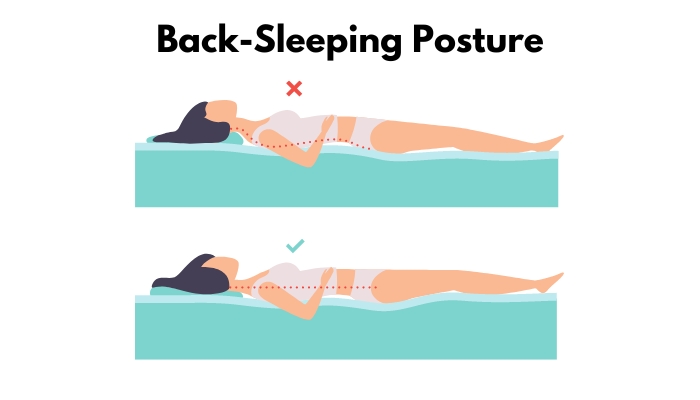
Your spine needs to stay in a natural curve while you sleep. This means your neck, upper back, and lower back should line up properly. Bad sleeping positions can twist or bend the spine unnaturally. This leads to stiffness and pain the next day. Sleeping on your back or side usually supports better spinal alignment.
Role Of Mattress And Pillow
The mattress and pillow you use affect your spine’s position. A mattress that is too soft or too hard can cause your spine to sag or bend. A medium-firm mattress often supports the spine well. The pillow should fill the space between your head and neck. This keeps your neck straight and prevents strain.
Sleep Positions That Support Posture
Sleep position plays a big role in supporting good posture. The way you lie down affects your spine’s alignment. Choosing the right sleep position helps reduce pressure on your back and neck. This can improve posture and lower pain risks.
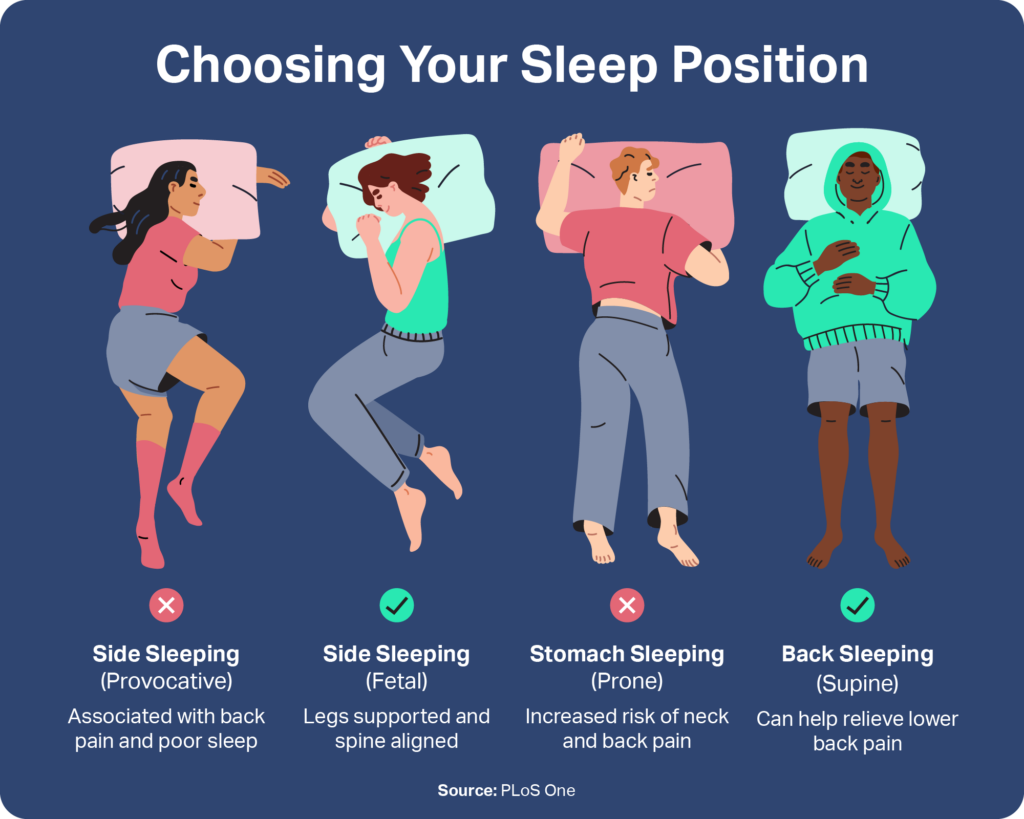
Here are some sleep positions that support posture well. Each position has its benefits and some risks. Knowing these can help you pick a position that keeps your spine healthy.
Benefits Of Sleeping On Your Back
Sleeping on your back helps keep the spine aligned. The head, neck, and back rest in a neutral position. This reduces pressure on the joints and muscles. Back sleeping prevents twisting of the spine during sleep. It also helps avoid wrinkles on your face.
Using a small pillow under the knees can ease lower back pressure. A supportive mattress is important for comfort and spinal support. This position is best for people with neck or back pain.
Side Sleeping And Spinal Health
Side sleeping is common and can be good for posture. It keeps the spine straight if done correctly. Placing a pillow between the knees helps keep hips aligned. This reduces stress on the lower back and pelvis.
This position also helps reduce snoring and improves breathing. A firm pillow supporting the neck keeps the head in line with the spine. Side sleeping suits those who want to avoid back pressure.
Risks Of Sleeping On Your Stomach
Sleeping on your stomach often hurts posture. It forces the neck to twist to one side. This can cause neck and back pain over time. The lower back may arch unnaturally, stressing the spine.
Stomach sleeping can reduce breathing quality and cause discomfort. Using a very thin pillow or no pillow helps reduce neck strain. This position is least recommended for good spinal health.
Impact Of Poor Sleep On Posture
Poor sleep can have a strong effect on your posture. Sleep is the time your body heals and resets. Without enough good sleep, your muscles and spine do not get the rest they need. This can lead to bad posture over time.
Bad posture is not just about looking slouched. It can cause pain and discomfort. Poor sleep makes it harder for your body to stay aligned. The results can show up as stiffness, aches, and even long-term problems.
Muscle Stiffness And Pain
Sleep helps muscles repair after daily use. Without enough rest, muscles stay tight and stiff. This stiffness limits your movement and causes pain. It becomes difficult to keep your back straight or hold good posture. Pain also makes you avoid sitting or standing properly. Poor sleep and muscle pain form a cycle that worsens posture.
Long-term Postural Problems
Over time, poor sleep can change how your body holds itself. Your spine may curve incorrectly. Joints can become less flexible. These changes lead to chronic posture issues. Poor posture may cause headaches, back pain, and tiredness. Fixing these problems gets harder without good sleep. Restorative sleep supports your body’s natural balance and alignment.

How Quality Sleep Promotes Better Posture
Quality sleep plays a key role in keeping your posture healthy. During sleep, the body heals and prepares for the next day. Good sleep helps the muscles and spine stay strong and aligned. Poor sleep can cause stiffness and pain, which hurts posture over time.
Muscle Recovery And Relaxation
Sleep gives muscles time to rest and repair. Muscles work hard all day to support your body. At night, they relax and heal small tears. This repair process keeps muscles flexible and strong. Relaxed muscles reduce tension that can pull your body out of alignment. Proper muscle recovery helps maintain a natural, upright posture.
Reducing Inflammation And Stress
During sleep, the body lowers inflammation levels. Inflammation can cause pain and stiffness in joints and muscles. Less inflammation means easier movement and better posture. Sleep also lowers stress hormones. High stress tightens muscles and harms posture. Reducing stress through sleep helps your body stay relaxed and well-aligned.
Tips For Sleep To Boost Posture
Good sleep supports better posture. Simple changes during sleep help the body stay aligned. Follow these tips to improve your posture through better sleep habits.
Choosing The Right Sleep Surface
A firm mattress supports your spine well. Too soft or too hard surfaces can cause misalignment. Choose a mattress that keeps your back straight and comfortable. Pillows should support your neck without tilting your head too much.
Ideal Sleep Positions For Posture
Sleeping on your back helps keep your spine aligned. Place a small pillow under your knees for extra support. Side sleeping is also good if you keep your legs slightly bent. Avoid stomach sleeping, as it twists your neck and spine.
Creating A Sleep-friendly Environment
Keep your bedroom cool and dark to improve sleep quality. Reduce noise and distractions for deeper rest. A calm environment lets your muscles relax and helps your posture recover overnight.
Other Lifestyle Habits That Enhance Posture
Good posture depends on many habits beyond sleep. Daily actions shape how you stand, sit, and move. Small changes in lifestyle can improve your posture and reduce pain. Focus on habits that support your spine and muscles all day long.
Simple steps can make a big difference. Exercise, stretching, and proper ergonomics help keep your body strong and aligned. These habits work together with sleep to protect your posture.
Exercise And Stretching
Exercise strengthens muscles that support your spine. Strong muscles hold your body upright and reduce slouching. Focus on your core, back, and shoulders for best results.
Stretching keeps muscles flexible and prevents stiffness. Stretch daily, especially after sitting for a long time. Gentle stretches help release tension and improve mobility.
Try simple exercises like planks, bridges, and shoulder rolls. These build strength and promote good posture habits.
Ergonomics During The Day
Ergonomics means setting up your workspace correctly. Use a chair that supports your lower back. Keep your feet flat on the floor and your knees at a right angle.
Position your computer screen at eye level. Avoid leaning forward or hunching over your desk. Take breaks often to stand and move around.
Good ergonomics reduce strain on your spine and muscles. This helps you maintain proper posture throughout the day.
Frequently Asked Questions
Can Sleep Quality Affect My Posture?
Yes, poor sleep quality can worsen posture. Good sleep helps muscles relax and spine align properly. This reduces slouching and back pain.
What Sleep Positions Improve Posture Naturally?
Sleeping on your back or side supports spine alignment. Avoid stomach sleeping as it strains neck and back. Use pillows to maintain natural curves.
Does A Mattress Influence Posture During Sleep?
Absolutely. A supportive mattress keeps your spine aligned. Too soft or hard mattresses cause misalignment and discomfort. Choose one based on your sleep style.
How Does Pillow Choice Impact Spinal Posture?
The right pillow supports your neck’s natural curve. Too high or low pillows cause strain and poor posture. Adjust pillow height to your sleeping position.
Conclusion
Good sleep supports a healthy and strong posture. Sleeping in the right position helps keep your spine straight. A firm mattress and proper pillow also play key roles. Poor sleep habits can cause pain and stiffness. Rest well to feel better and stand taller.
Small changes in sleep can make a big difference. Your body heals and resets during deep sleep. Take care of your sleep to improve your posture naturally. Try simple steps tonight for a healthier back tomorrow.