
As an Amazon Associate I earn from qualifying purchases.
Have you ever wondered if your sleep tracker really knows how well you sleep? You rely on it every night, hoping it will reveal the truth about your rest.
But can these tiny devices truly measure something as complex as your sleep? Understanding how accurate sleep trackers are could change the way you improve your nights and boost your energy during the day. Keep reading to discover what science says about these popular gadgets and how they might help—or mislead—you about your sleep health.
Quick Navigation
How Sleep Trackers Work
Sleep trackers measure your sleep patterns by monitoring body signals. They collect data while you sleep and use software to analyze it. This helps you understand your sleep quality and habits better. Different trackers work in various ways depending on their design and technology.
Types Of Sleep Trackers
There are several types of sleep trackers. Wearable devices like smartwatches and fitness bands are popular. They fit on your wrist and track movement and heart rate. Non-wearable trackers use sensors placed under the mattress or on the bedside. Smartphone apps also track sleep using sound and motion.
Sensors And Data Collection
Sleep trackers rely on sensors to gather information. Accelerometers detect body movements during sleep. Heart rate sensors monitor your pulse and changes in rhythm. Some devices use temperature sensors and light sensors too. These data points give clues about your sleep stages and quality.
Algorithms Behind Sleep Analysis
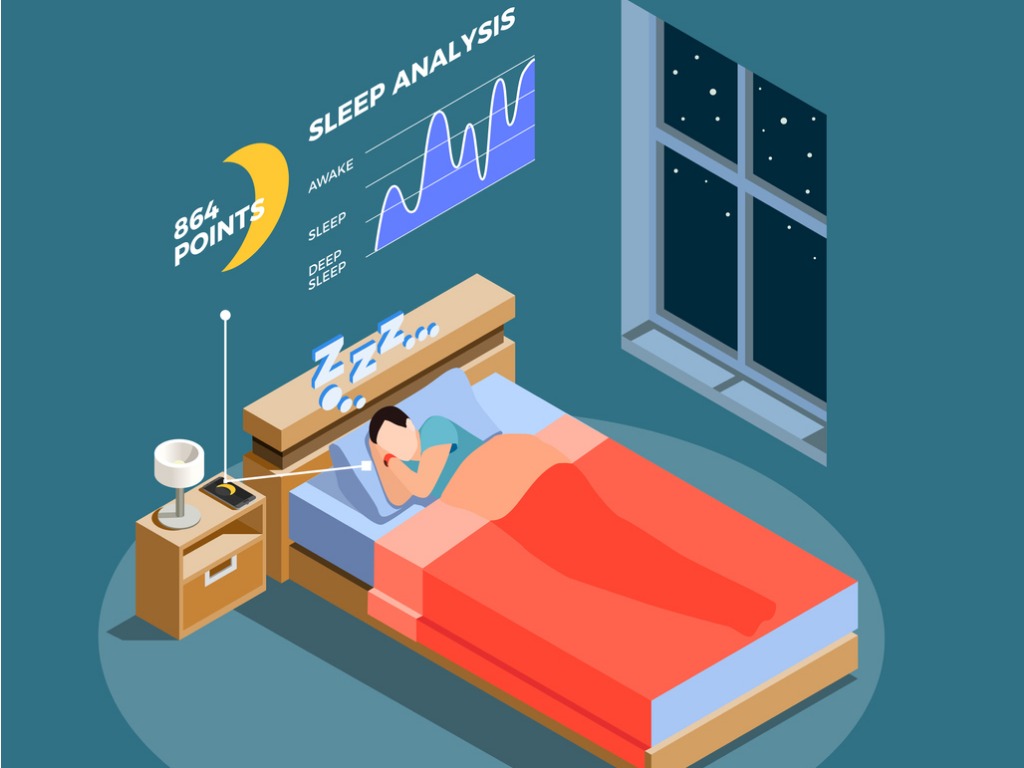
Algorithms process the collected data to estimate sleep stages. They use patterns of movement and heart rate changes. The software classifies sleep into light, deep, and REM stages. This helps create a detailed sleep report. Algorithms improve over time with more data and research.
Measuring Sleep Stages
Sleep trackers aim to measure different sleep stages to give insights about your rest. These stages include REM, deep, and light sleep. Each stage plays a unique role in how your body and mind recover. Understanding how trackers detect these stages helps evaluate their accuracy.
Rem, Deep, And Light Sleep Detection
Sleep trackers use sensors to identify REM, deep, and light sleep. REM sleep shows rapid eye movement and brain activity. Deep sleep is the stage where your body repairs itself. Light sleep is a lighter phase that bridges awake and deep sleep. Devices guess these stages based on signals like movement and heart rate.
Heart Rate And Movement Monitoring
Trackers often monitor heart rate and body movement to estimate sleep stages. A steady heart rate and low movement suggest deep sleep. More movement and variable heart rate might indicate light sleep or waking moments. Wristbands and rings use accelerometers and optical sensors for this data.
Limitations In Stage Accuracy
These methods cannot match clinical sleep studies’ precision. They might confuse quiet wakefulness with light sleep. Heart rate changes can vary widely between people. Movement sensors sometimes miss small body shifts. Overall, trackers provide estimates but not exact measurements of sleep stages.
Scientific Studies On Accuracy
Scientific studies examine how close sleep trackers come to real medical tests. These studies help us understand their strengths and limits. They compare data from trackers with clinical sleep measurements. They also explore what affects the device’s accuracy.
Comparison With Polysomnography
Polysomnography (PSG) is the gold standard for sleep measurement. It records brain waves, oxygen levels, heart rate, and more. Sleep trackers mostly use movement and heart rate to guess sleep stages. Studies show trackers identify sleep and wake times fairly well. But trackers struggle to match PSG on detailed sleep stages. They often miss brief awakenings or light sleep changes. PSG remains more precise for clinical use.
Research Findings And Variances
Research finds sleep trackers vary in accuracy across brands and models. Some devices have high sensitivity for detecting sleep. Others show lower accuracy for deep sleep or REM stages. Accuracy also depends on user habits and conditions. Studies report errors from 10% to 30% in sleep stage detection. Consistent overestimation of total sleep time is common. Users should expect some differences from clinical results.
Factors Influencing Accuracy
Accuracy depends on sensor quality and algorithms. Wrist movements can be mistaken for wakefulness or sleep. Heart rate variability helps improve stage detection. User factors like age, sleep disorders, and movement affect results. Calibration and firmware updates can enhance accuracy. Wearing the tracker correctly is crucial for good data. Light exposure and environment also impact measurements.

Common Errors And Misinterpretations
Sleep trackers offer helpful insights, but they often come with errors. These mistakes can confuse users about their actual sleep quality. Understanding common errors helps users trust the data better and avoid wrong conclusions.
False Positives And Negatives
Sleep trackers sometimes mark awake moments as sleep. This is called a false positive. It can make sleep seem longer than it is. False negatives happen when the device misses light sleep or rest. These errors affect how accurate the sleep data is. They occur because trackers rely on movement or heart rate alone.
Impact Of User Behavior
User habits can affect tracker results. Wearing the device too loose or tight changes data quality. Moving a lot in bed may confuse the tracker. Also, using the device irregularly lowers accuracy. Some trackers do not work well if worn on the wrong wrist. Small user mistakes can lead to wrong sleep reports.
Data Interpretation Challenges
Sleep tracker data can be hard to understand. Numbers and graphs may seem clear but can mislead. Many users do not know what normal sleep patterns look like. Data may show patterns without explaining causes. This leads to wrong self-diagnosis or worry. Experts suggest using trackers as guides, not exact tools.
Improving Sleep Tracker Reliability
Improving sleep tracker reliability is important for better health insights. Sleep trackers use sensors and algorithms to measure sleep patterns. Their accuracy can vary due to technology limits and user habits. Efforts continue to enhance these devices and help users get more precise data.
Technological Advances
New sensors detect heart rate, movement, and breathing more accurately. Machine learning helps devices interpret sleep stages better. Some trackers use multiple data points for clearer results. Advances in wearable comfort increase user compliance. These improvements make sleep tracking more reliable over time.
User Tips For Better Data
Wear the tracker snugly on your wrist. Avoid moving it during sleep. Keep the device charged and updated. Use the app settings to personalize your profile. Track sleep in a quiet, dark room. Consistent use helps gather more accurate sleep patterns.
Future Research Directions
Scientists study new sensors to measure brain activity during sleep. Research aims to reduce errors caused by movement. Combining sleep trackers with medical tools may improve accuracy. Studies focus on diverse groups to enhance device performance. Future devices may offer detailed, reliable sleep insights for everyone.
Practical Use Of Sleep Trackers
Sleep trackers offer a simple way to observe your sleep habits. They collect data about your rest each night. This data can help you notice patterns and changes over days or weeks. Understanding your sleep better can guide you toward healthier habits.
Tracking Trends Over Time
Sleep trackers show changes in your sleep quality over time. They measure how long you sleep and how often you wake up. This helps you see if your sleep is improving or getting worse. Patterns may reveal effects from stress, diet, or exercise. Small changes in routine might improve your overall rest.
Complementing Professional Advice
Data from sleep trackers can help your doctor or sleep specialist. They give a rough idea of your sleep patterns. This information supports, but does not replace, medical tests. Sharing your tracker data can make consultations more effective. It helps experts understand your sleep issues better.
When To Seek Medical Evaluation
Sleep trackers cannot diagnose serious sleep disorders. If you feel tired despite good tracker data, see a doctor. Symptoms like loud snoring, gasping, or restless nights need medical attention. A professional can run tests to find health issues. Early evaluation prevents worsening sleep problems.

Frequently Asked Questions
Are Sleep Trackers Reliable For Monitoring Sleep Quality?
Sleep trackers provide useful insights but are not 100% accurate. They estimate sleep stages using movement and heart rate data, which can vary. For precise results, clinical sleep studies remain the gold standard. Trackers are best used for general trends, not medical diagnosis.
How Do Sleep Trackers Measure Sleep Stages?
Sleep trackers use sensors to detect movement and heart rate changes. Algorithms analyze this data to estimate light, deep, and REM sleep stages. However, this method can sometimes misclassify stages due to individual differences or external factors.
Can Sleep Trackers Diagnose Sleep Disorders?
No, sleep trackers cannot diagnose sleep disorders. They offer data on sleep patterns but lack the medical precision needed for diagnosis. If you suspect a sleep disorder, consult a healthcare professional for proper testing and evaluation.
Do Sleep Trackers Improve Sleep Habits?
Yes, sleep trackers can help improve habits by increasing awareness of sleep patterns. Users can identify issues like inconsistent sleep times and make adjustments. However, behavior changes depend on user motivation and interpretation of data.
Conclusion
Sleep trackers offer helpful insights but are not perfectly accurate. They use sensors to estimate sleep stages and patterns. These devices can guide better sleep habits if used carefully. Still, they cannot replace professional sleep studies or medical advice. Remember, your own feelings matter most in judging sleep quality.
Use trackers as a tool, not the final answer. Keep learning about sleep health and listen to your body’s signals. This balanced approach helps improve rest and overall well-being.