
As an Amazon Associate I earn from qualifying purchases.
Have you ever wondered why you struggle to fall asleep after a late dinner? The time you eat dinner can have a big impact on how well you sleep at night.
Eating too close to bedtime can leave you tossing and turning, while the right timing can help you drift off faster and enjoy deeper rest. You’ll discover the best time to eat dinner to improve your sleep quality. Keep reading to learn simple changes you can make tonight for better sleep tomorrow.
Quick Navigation
Impact Of Dinner Timing On Sleep
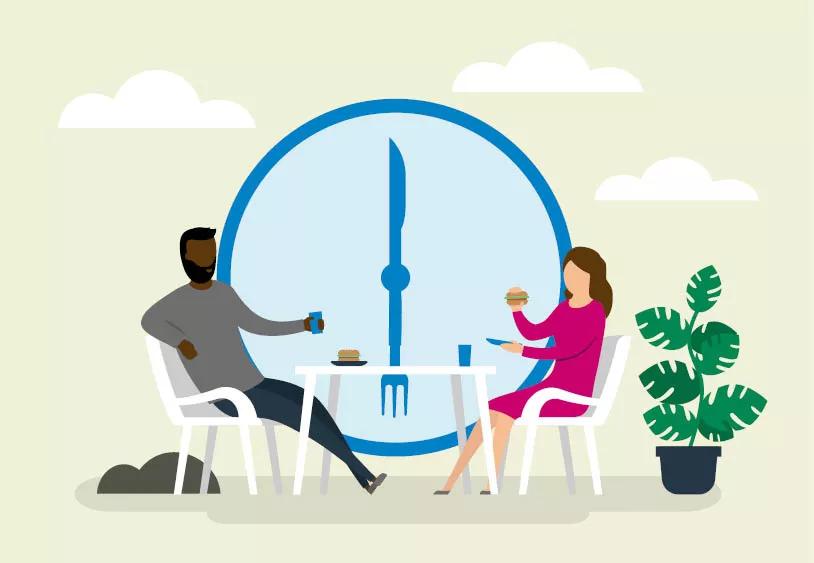
The time you eat dinner plays a key role in how well you sleep. Eating too close to bedtime can cause discomfort and disrupt your rest. On the other hand, eating too early might leave you hungry and restless. Finding the right balance helps your body relax and prepares it for a deep sleep.
How Meal Timing Affects Sleep Quality
Eating dinner at the right time supports better sleep quality. Your body needs time to digest food before you lie down. If you eat too late, digestion stays active during sleep. This can cause discomfort and reduce deep sleep phases. A well-timed meal allows your body to rest fully and recover overnight.
Connection Between Digestion And Sleep Patterns
Digestion and sleep are closely linked. After eating, your body focuses on breaking down food. This process uses energy and raises body temperature. Both can interfere with your ability to fall asleep. Waiting at least two to three hours after dinner before bed helps your digestion slow down. This supports natural sleep cycles and improves overall rest.
Ideal Dinner Time For Better Sleep
Eating dinner at the right time helps improve sleep quality. It allows your body to digest food properly before bedtime. This reduces discomfort and helps you fall asleep faster. The ideal dinner time varies but generally follows certain guidelines.
Recommended Eating Window Before Bedtime
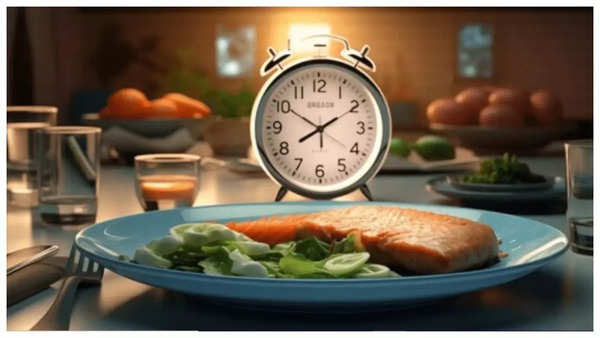
Experts suggest finishing dinner 2 to 3 hours before sleep. This gives your stomach time to empty. It lowers the risk of acid reflux and indigestion. Eating too close to bedtime can cause restless sleep. A clear gap between dinner and sleep helps your body relax fully.
Variations Based On Individual Schedules
People have different daily routines and sleep times. Some may go to bed earlier or later than others. Adjust your dinner time to fit your sleep schedule. Night shift workers may need to eat at unusual hours. The key is to keep a consistent gap between dinner and sleep.
Foods That Promote Restful Sleep
Eating the right foods can help you fall asleep faster and enjoy deeper rest. Some foods contain natural compounds that support your body’s sleep cycle. Choosing these foods at dinner can improve your sleep quality and help you wake up refreshed.
Focus on meals rich in vitamins and minerals that calm the mind and body. Avoid heavy or spicy dishes that may disrupt your sleep. Understanding which foods help or harm your sleep is key.
Sleep-friendly Nutrients And Ingredients
Magnesium is a mineral that relaxes muscles and nerves. Foods like spinach, almonds, and pumpkin seeds contain magnesium. Tryptophan is an amino acid found in turkey, chicken, and eggs. It helps the brain produce melatonin, the sleep hormone.
Complex carbohydrates, such as brown rice and oats, increase serotonin, which aids sleep. Calcium, in dairy products, also helps the brain use tryptophan. Herbal teas like chamomile calm the mind and prepare the body for rest.
Meals To Avoid Close To Bedtime
Heavy, greasy foods slow digestion and cause discomfort. Spicy dishes can cause heartburn and disturb sleep. Caffeine in coffee, tea, and chocolate keeps you awake by stimulating the brain.
Alcohol might make you sleepy but reduces sleep quality later. Large meals too close to bedtime can cause restless sleep. It is best to eat lighter, balanced dinners at least two hours before bed.
Effects Of Late-night Eating
Eating dinner late at night can affect your sleep quality. Our bodies need time to digest food before bedtime. When digestion is still active, it may cause discomfort and disrupt rest. Late-night eating often leads to poorer sleep and feeling tired the next day.
Common Sleep Disruptions From Eating Late
Eating close to bedtime can cause heartburn and acid reflux. These conditions make it hard to fall asleep. The stomach works harder, which can create restlessness. Some people may wake up often during the night. Heavy meals also increase body temperature, which interferes with deep sleep. Spicy and fatty foods are common culprits of sleep trouble.
Long-term Health Implications
Regular late-night eating can lead to weight gain. Poor sleep affects metabolism and hormone balance. This may increase the risk of diabetes and heart disease. Chronic sleep problems also weaken the immune system. Over time, these effects impact overall health and energy. Adjusting dinner time supports better long-term wellness.
Tips For Adjusting Dinner Habits
Changing dinner habits can help improve sleep quality. Small changes in meal timing and food choices affect how well you rest. These tips help make dinner a part of a healthy sleep routine.
Focus on meals that support relaxation and avoid heavy foods that disrupt sleep. Balance hunger and comfort to sleep well through the night.
Planning Meals For Evening Relaxation
Choose foods that calm the body and mind. Warm soups, lean proteins, and vegetables work well. Avoid spicy or fatty meals late at night.
Eat dinner at least two to three hours before bedtime. This gives the body time to digest. A calm stomach helps you fall asleep faster.
Balancing Hunger And Sleep Needs
Don’t go to bed hungry or overly full. Both can disturb sleep. If dinner is early, a small healthy snack before bed can help.
Choose snacks with protein and a little carbohydrate. This mix supports sleep without causing discomfort. Avoid sugary or heavy snacks at night.
:max_bytes(150000):strip_icc()/VWH-GettyImages-2162277785-da11721c32844d1690e3e996889b8509.jpg)
Role Of Lifestyle Factors
Lifestyle choices play a big role in deciding the best time to eat dinner for good sleep. Eating habits, exercise, and stress levels all affect how well you rest at night. Understanding these factors helps you plan dinner times that support better sleep.
Exercise And Its Influence On Dinner Time
Exercise changes how your body uses energy and processes food. After physical activity, your body needs fuel to recover. Eating dinner soon after exercise helps provide this energy. But avoid heavy meals right before bed. Try to finish dinner at least two hours before sleeping. This timing allows your body to digest food well. It reduces discomfort that can keep you awake.
Stress Management For Better Sleep
Stress impacts digestion and sleep quality. High stress can cause late-night hunger or loss of appetite. Managing stress helps regulate your eating schedule. Calm evenings promote better digestion and restful sleep. Try simple relaxation techniques before dinner. This can include deep breathing or light stretching. These habits prepare your body to rest after eating. A peaceful mind supports healthy sleep patterns.
Frequently Asked Questions
What Is The Ideal Time To Eat Dinner For Better Sleep?
The ideal dinner time is 2-3 hours before bedtime. This allows your body to digest food fully and improves sleep quality.
How Does Eating Late Affect Sleep Quality?
Eating late can cause indigestion and disrupt your natural sleep cycle. It may lead to poor sleep and frequent awakenings.
What Foods Should I Avoid Before Bedtime?
Avoid heavy, spicy, or fatty foods before bed. These can cause discomfort and interfere with falling asleep quickly.
Can Early Dinner Improve Sleep Duration?
Yes, having an early dinner helps regulate your body’s internal clock. It promotes longer, more restful sleep by reducing nighttime discomfort.
Conclusion
Eating dinner at the right time helps improve your sleep quality. Avoid heavy meals close to bedtime. Try to finish eating at least two to three hours before sleep. This allows your body to digest food properly. A good dinner time supports better rest and more energy the next day.
Small, healthy snacks are okay if you feel hungry later. Remember, a simple routine makes a big difference. Sleep well by choosing the best dinner time for you. Your body will thank you.