
As an Amazon Associate I earn from qualifying purchases.
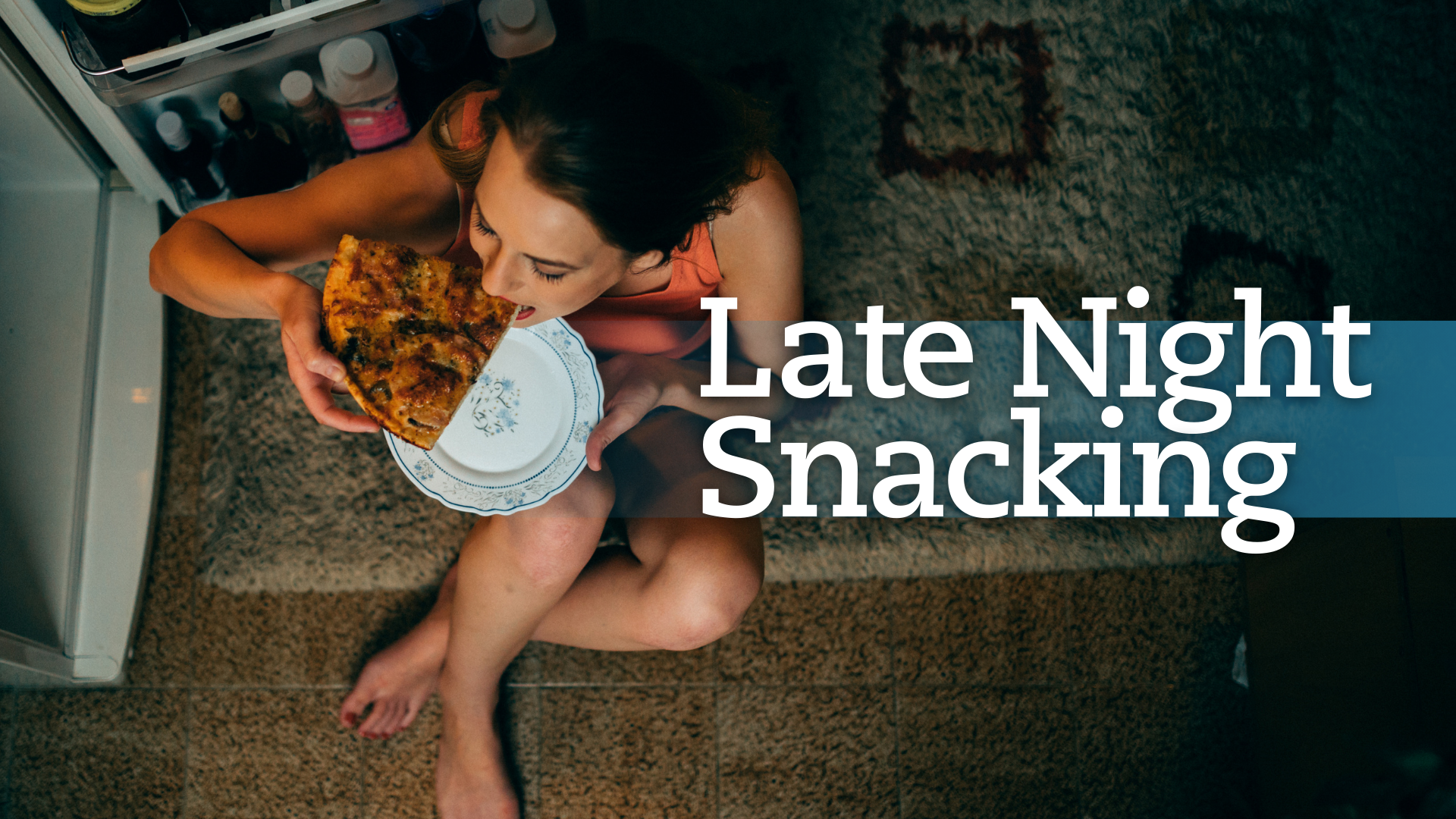
Do you find yourself reaching for a snack late at night, thinking it’s harmless or even helpful? You’re not alone.
But what if those late-night bites are actually working against your goals? Eating late can disrupt your sleep, slow down your metabolism, and even lead to unwanted weight gain. If you want to feel better, sleep deeper, and stay on track with your health, understanding why late-night snacking can backfire is key.
Keep reading—your body will thank you for it.
Quick Navigation
Hidden Dangers Of Late-night Snacks
Late-night snacks may seem harmless. A quick bite before bed feels satisfying. Yet, these snacks can cause hidden problems that affect health and sleep.
Eating late at night can disrupt the body’s natural rhythm. This leads to poor digestion and weight gain. Small snacks often turn into extra calories without notice.
Impact On Metabolism And Weight Gain
Metabolism slows down during sleep. Calories eaten late are more likely to turn into fat. This can lead to unwanted weight gain over time.
Late-night eating also increases insulin resistance. This affects how the body uses sugar. Higher blood sugar levels can increase health risks.
Sleep Quality Disruption
Food can cause discomfort and indigestion. This makes falling asleep harder. Poor sleep lowers energy and mood the next day.
Spicy or heavy snacks are worse for sleep. They may cause acid reflux or heartburn. These symptoms wake you up at night.
Increased Risk Of Health Issues
Frequent late-night snacking links to heart problems. It raises blood pressure and cholesterol levels. These issues can lead to serious health conditions.
Eating late also harms gut health. It disrupts the balance of good bacteria. This can weaken the immune system.
Impact On Metabolism
Late-night snacking can affect how your body processes food. Your metabolism slows down in the evening. This change can cause your body to store more fat. Eating late can disrupt normal metabolic functions. The result may be weight gain and low energy.
How Nighttime Eating Slows Metabolism
Metabolism works best during the day. Your body expects food during daylight hours. At night, your metabolism naturally slows down. Eating late forces your body to work harder. It takes longer to digest food. This delay can lead to fat storage. Over time, slow metabolism can cause weight gain.
Effect On Blood Sugar Levels
Eating late can spike blood sugar levels. Your body has trouble managing sugar at night. High blood sugar can lead to insulin resistance. Insulin resistance increases the risk of diabetes. Late-night snacks often include sugary or fatty foods. These foods worsen blood sugar control. Stable blood sugar is key to good health.
Weight Gain And Fat Storage
Eating late at night can lead to weight gain and fat storage. The body processes food differently during night hours. This can cause extra calories to turn into fat. Understanding the science behind late-night eating helps explain why.
Many people do not realize how timing affects fat gain. The body’s metabolism slows down at night. This means calories are burned slower, increasing the risk of fat storage. Let’s explore the connection between late eating and obesity, and how hormones play a role.
Connection Between Late Eating And Obesity
Eating late increases the chance of gaining weight. Studies show people who snack at night often eat more calories overall. This extra intake adds up and leads to fat buildup. Late-night food choices tend to be higher in sugar and fat. These foods are easier to store as body fat.
Nighttime eating also disrupts the body’s internal clock. This causes poor metabolism and less efficient calorie use. Over time, this can raise the risk of obesity and related health problems.
Role Of Hormones In Fat Accumulation
Hormones control how the body stores and burns fat. Eating late affects hormones like insulin and leptin. Insulin helps use glucose for energy or stores it as fat. At night, insulin sensitivity drops, making fat storage more likely.
Leptin signals fullness to the brain. Its levels can drop after late meals, causing overeating. Ghrelin, the hunger hormone, may rise, increasing appetite at night. This hormonal imbalance promotes fat gain and weight increase.

Digestive Problems
Late-night snacking can cause various digestive problems. Eating close to bedtime puts extra strain on your digestive system. Your body slows down at night, making digestion harder. This can lead to discomfort and other health issues.
Nighttime Eating And Acid Reflux
Acid reflux happens when stomach acid moves up into the throat. Eating late increases the risk of this problem. Lying down soon after eating makes acid reflux worse. Heartburn and a burning sensation often follow. Avoiding food before bed helps keep acid reflux away.
Disrupted Sleep Due To Digestion
Digestion requires energy and can disturb your sleep. Late meals cause your body to work harder at night. This can lead to restless and poor-quality sleep. Waking up tired or uncomfortable becomes common. Better digestion promotes deeper and more restful sleep.
Increased Risk Of Chronic Diseases
Eating late at night can harm your body in many ways. One big problem is the higher chance of getting long-term health issues. These problems happen because the body does not rest well after a late meal. It also struggles to manage sugar and fat properly. This can lead to serious diseases that affect your heart and metabolism.
Late-night Snacks And Heart Health
Eating late increases the risk of heart problems. Your body stores extra fat from late snacks. This fat can build up in your blood vessels. It makes your heart work harder. Over time, this can cause high blood pressure and heart disease. Skipping late snacks helps keep your heart healthy and strong.
Links To Diabetes And Insulin Resistance
Late-night eating can raise blood sugar levels. This confuses your body’s insulin, the hormone that controls sugar. Too much sugar at night makes your body less sensitive to insulin. This condition is called insulin resistance. It can lead to type 2 diabetes. Avoiding snacks before bed helps keep blood sugar steady and reduces diabetes risk.
Psychological Effects
Late-night snacking can affect more than your waistline. It also impacts your mind and emotions. Understanding these psychological effects helps explain why this habit often backfires. Nighttime eating can create patterns that are hard to break. It can also increase stress and lower your mood.
Emotional Eating Habits At Night
Many people eat at night to cope with feelings like boredom or sadness. Food can feel like a quick fix for emotional discomfort. This habit may lead to eating without hunger. Over time, emotional eating can create a cycle of guilt and stress. This cycle makes it harder to stop late-night snacking.
Impact On Mental Health And Stress
Eating late can disrupt your sleep quality. Poor sleep often causes higher stress levels. Stress can increase cravings for unhealthy foods. This cycle affects your mood and overall mental health. It can make you feel tired and anxious the next day. Breaking this pattern supports better mental well-being and stress control.
Tips To Avoid Late-night Snacking
Late-night snacking can cause weight gain and disrupt sleep. Avoiding it helps improve health and energy. Here are some tips to stop reaching for snacks at night.
Healthy Alternatives For Evening Cravings
Choose snacks low in sugar and fat. Fresh fruit like apples or berries satisfy sweet cravings. A small bowl of yogurt can calm hunger. Nuts offer protein and healthy fats. Drink herbal tea or warm milk to feel full. These options keep calories low and avoid spikes in blood sugar.
Creating A Better Nighttime Routine
Set a regular bedtime to reduce late hunger. Avoid screens one hour before sleep to relax your mind. Brush your teeth after dinner to signal no more eating. Try reading or meditating to distract from cravings. Keep your kitchen closed or lights off to prevent temptation. A calm routine helps your body know when to stop eating.

Frequently Asked Questions
Why Does Late-night Snacking Cause Weight Gain?
Late-night snacking often leads to excess calorie intake. The body burns fewer calories during sleep, increasing fat storage. It also disrupts metabolism and hormones that regulate hunger and fullness, contributing to weight gain over time.
How Does Late-night Snacking Affect Sleep Quality?
Eating late can disturb your sleep cycle. Heavy or sugary snacks may cause indigestion and restlessness. Poor sleep quality affects energy and mood, creating a cycle that encourages more snacking and worsens overall health.
Can Late-night Snacking Lead To Digestive Problems?
Yes, late-night snacking can cause indigestion and acid reflux. Lying down soon after eating slows digestion, leading to discomfort. Over time, this habit may increase the risk of chronic digestive issues and poor gut health.
What Types Of Snacks Are Worse At Night?
High-sugar, fatty, and processed snacks are worst at night. These foods spike blood sugar and cause energy crashes. They also promote fat storage and disrupt sleep, making them counterproductive for health and weight management.
Conclusion
Late-night snacking can harm your health and disrupt sleep. It may cause weight gain and affect digestion. Choosing healthy habits supports better energy and focus. Try to eat balanced meals during the day instead. This helps reduce cravings late at night.
Small changes lead to big improvements over time. Your body will thank you for better choices. Keep snacks early and light to feel your best. Simple steps bring lasting benefits.