
As an Amazon Associate I earn from qualifying purchases.
Are you waking up feeling stiff or tired despite a full night’s sleep? The position you choose to sleep in might be the key to better rest and overall health.
You’ve probably heard that side sleeping is good, but what about sleeping on your back? Which one really supports your body best and helps you wake up refreshed? Keep reading to discover how your sleep position affects your comfort, health, and energy—and find out which way you should be sleeping tonight.
Quick Navigation
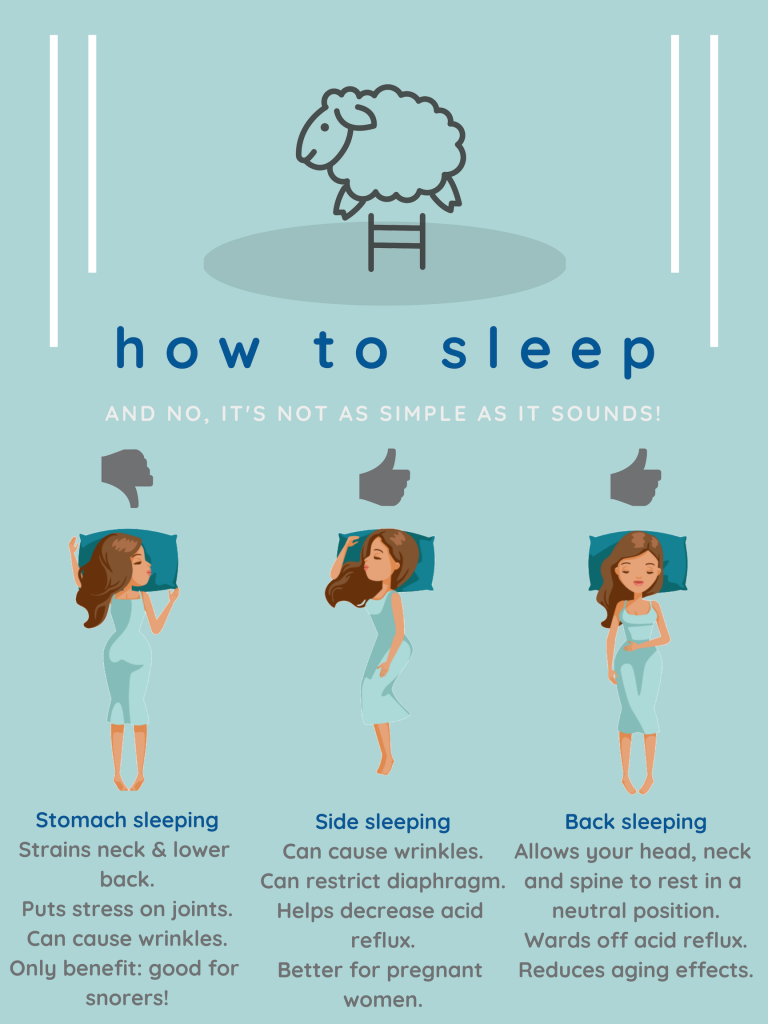
Benefits Of Side Sleeping
Side sleeping offers several health benefits that can improve sleep quality. Many people find it more comfortable and restful. Choosing to sleep on your side can help your body stay in a natural position. This position supports better breathing, digestion, and spine health. Here are some key benefits of side sleeping.
Improved Spine Alignment
Side sleeping helps keep your spine straight and aligned. This reduces pressure on your back and neck. It can lower the risk of pain and stiffness after waking up. Using a pillow between your knees supports your hips and spine further. Good spine alignment supports a healthy posture over time.
Reduced Snoring And Sleep Apnea
Sleeping on your side can reduce snoring significantly. This position prevents your tongue and soft tissues from blocking the airway. It helps keep your breathing steady and open. For people with sleep apnea, side sleeping may lessen breathing interruptions. This leads to better oxygen flow and more restful sleep.
Better Digestion And Heart Health
Side sleeping can improve digestion by helping food move through your body smoothly. It also reduces acid reflux and heartburn symptoms. Sleeping on the left side is especially good for heart health. This position helps blood flow more easily and reduces pressure on the heart. A healthy heart supports overall wellness and energy levels.
Advantages Of Back Sleeping
Back sleeping offers many health benefits that improve sleep quality. It helps keep the body aligned and supports overall wellness. This position reduces pressure points and promotes better breathing. Many find it comfortable and refreshing after a good night’s rest.
Understanding the advantages of back sleeping can help you decide the best sleep position. It can protect your skin, support your spine, and ease digestion problems. Let’s explore these benefits in detail.
Minimized Wrinkles And Skin Benefits
Sleeping on your back keeps your face away from the pillow. This stops your skin from pressing and folding. Fewer creases form on the face, which reduces wrinkles. The skin breathes better without constant contact with fabric. Back sleeping can help maintain a smoother and healthier complexion.
Balanced Neck And Spine Support
The back sleeping position naturally aligns the neck and spine. It distributes weight evenly across the body. This prevents strain and pain in the neck and back. The head, neck, and spine stay in a neutral position. It supports healthy posture and reduces the risk of discomfort.
Reduced Acid Reflux Symptoms
Lying on the back with the head slightly elevated helps digestion. It stops stomach acid from moving up into the esophagus. This reduces heartburn and acid reflux symptoms. Back sleeping keeps the airway open, making breathing easier. It can improve sleep quality for those with reflux issues.
Potential Drawbacks Of Side Sleeping
Side sleeping is popular and has many benefits. Still, it can cause some problems for certain people. Understanding these issues helps you choose the best sleep position.
Shoulder And Hip Pressure
Side sleeping puts weight on one shoulder and hip. This pressure can cause pain and discomfort. Over time, it may lead to soreness or stiffness in these areas. A mattress that is too firm or too soft can make this worse. Using a pillow between the knees can help ease hip pressure.
Facial Wrinkles And Skin Issues
Pressing your face against a pillow can create wrinkles. This happens because the skin is pushed and folded. Side sleeping may also cause skin irritation or acne. Pillowcases made from silk or satin reduce friction. Changing pillowcases often keeps skin cleaner and healthier.
Possible Nerve Compression
Lying on one side can compress nerves in the arm or shoulder. This can cause numbness, tingling, or pain. Nerve compression may lead to a “pins and needles” feeling. Moving frequently or using supportive pillows can reduce this risk. Avoiding tight bedding also helps improve circulation.
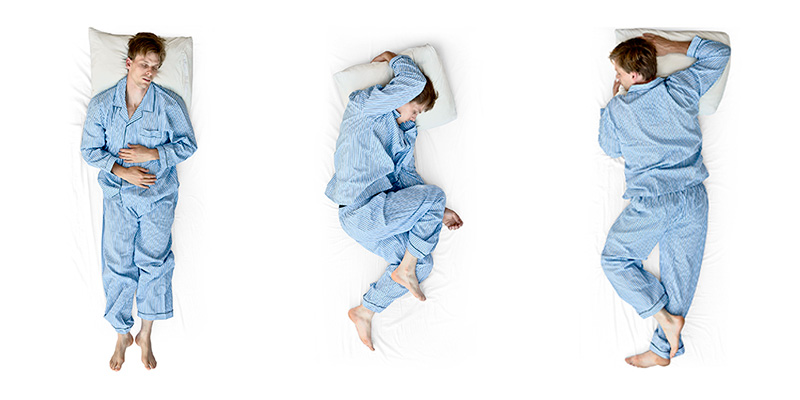
Possible Downsides Of Back Sleeping
Back sleeping has its benefits but also some downsides. Understanding these can help you choose the best sleep position.
Some problems linked to back sleeping affect breathing and body comfort. These issues may disrupt sleep quality.
Increased Snoring Risk
Back sleeping can cause the tongue and soft tissues to fall back. This blocks the airway partially. The blockage makes air pass noisily. This leads to louder and more frequent snoring.
Worsening Sleep Apnea
Sleep apnea is a condition where breathing stops briefly during sleep. Back sleeping can make this worse. The airway becomes narrower. This causes more breathing interruptions. It lowers oxygen levels and disturbs sleep cycles.
Lower Back Pain
Lying on the back may strain the lower back. The natural curve of the spine may flatten. This puts pressure on the spine and muscles. It can cause discomfort or pain in the lower back area.
Sleep Position And Health Conditions
Sleep position can affect many health conditions. Choosing the right position helps improve rest and reduce pain. Some positions suit certain health needs better. Understanding these links helps you sleep more comfortably.
Side and back sleeping impact the body differently. Knowing these effects guides better sleep habits. Let’s explore how sleep positions relate to health conditions.
Pregnancy Considerations
Pregnant women often find side sleeping best. It helps blood flow to the baby and uterus. Sleeping on the left side is especially good. It reduces pressure on the liver and improves circulation.
Back sleeping can cause problems during pregnancy. It may reduce blood flow and cause back pain. Side sleeping reduces discomfort and supports the body better.
Impact On Sleep Apnea Patients
Sleep apnea causes breathing to stop briefly during sleep. Back sleeping often worsens this condition. Gravity makes the airway narrower, increasing breathing issues.
Side sleeping keeps the airway open more. It helps reduce snoring and breathing pauses. This position may improve sleep quality for apnea patients.
Back Pain And Sleep Positions
Back pain can get worse with the wrong sleep position. Sleeping on the back supports the spine if done right. Using a small pillow under the knees helps keep the spine aligned.
Side sleeping with a pillow between the knees also eases back pain. It reduces pressure on the hips and spine. Avoid curling up too tightly, which can strain muscles.
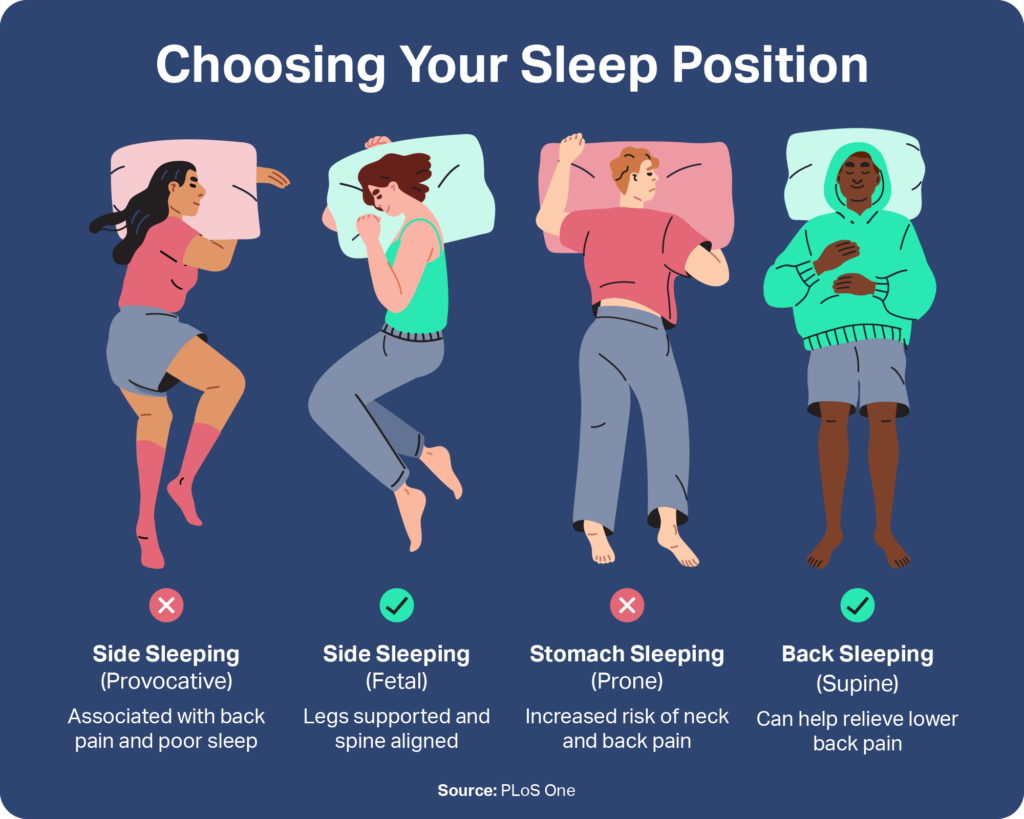
Tips For Better Sleep Posture
Good sleep posture helps reduce pain and improves rest quality. It supports the spine and keeps the body aligned. Small changes can make a big difference in comfort and health.
Choosing The Right Pillow
A pillow supports the neck and head during sleep. Side sleepers need a thicker pillow to fill the space between the ear and shoulder. Back sleepers benefit from a thinner pillow that keeps the neck aligned. Memory foam or latex pillows often provide good support. Replace pillows every 1 to 2 years for best results.
Mattress Support And Firmness
A mattress should keep the spine straight and support body weight evenly. Side sleepers usually prefer medium to soft mattresses to cushion shoulders and hips. Back sleepers might choose medium to firm mattresses for better spine support. Avoid mattresses that are too soft or too hard. Test different types to find what feels best for your body.
Adjusting Sleeping Habits
Try to keep your body aligned while sleeping. Avoid twisting your spine or bending your neck awkwardly. Use a pillow between your knees if you sleep on your side. For back sleepers, placing a pillow under the knees can ease lower back pressure. Changing positions slowly helps the body adjust. Consistent habits improve sleep quality over time.
Frequently Asked Questions
Is Side Sleeping Better For Back Pain Relief?
Yes, side sleeping can reduce back pain by keeping the spine aligned. It lessens pressure on the lower back and improves circulation. Using a supportive pillow between knees enhances comfort and spinal alignment, making side sleeping a preferred choice for many with back pain.
Does Back Sleeping Cause More Snoring?
Back sleeping often increases snoring because the tongue and soft tissues block the airway. This position makes breathing less efficient during sleep. Side sleeping helps keep airways open, reducing snoring and improving overall sleep quality for many people.
Which Sleeping Position Is Best For Spinal Alignment?
Side sleeping is generally best for spinal alignment. It helps maintain the natural curve of the spine and reduces pressure points. Using a firm mattress and proper pillows supports this position, promoting healthier posture and reducing discomfort during sleep.
Can Side Sleeping Improve Digestion?
Yes, sleeping on the left side can aid digestion. It helps food move smoothly through the digestive tract and reduces acid reflux. This position supports the stomach and pancreas, promoting better nutrient absorption and reducing heartburn symptoms.
Conclusion
Side sleeping and back sleeping both have benefits and drawbacks. Side sleeping can reduce snoring and improve digestion. Back sleeping helps keep the spine straight and may prevent wrinkles. Your comfort and health needs matter most. Try both positions to see what feels best.
A good pillow and mattress support can improve any sleep position. Rest well and listen to your body’s signals. Quality sleep helps your body and mind stay healthy. Choose the sleep style that helps you wake up refreshed.