
As an Amazon Associate I earn from qualifying purchases.
Have you ever wondered if you can actually train yourself to change your sleep position? Maybe you wake up with a sore neck or back, or your partner keeps nudging you to stop snoring.
Changing how you sleep might be the key to feeling better every morning. But is it really possible to shift your habits while you’re asleep? You’ll discover simple, practical ways to retrain your body and enjoy more restful nights. Keep reading to find out how small changes can make a big difference in your sleep quality and overall health.

Quick Navigation
Why Sleep Position Matters
Sleep position affects how well you rest and how your body feels. It can change your breathing, spine health, and even digestion. Choosing a good sleep position helps your body heal and stay comfortable through the night.
Bad sleep positions can cause pain and disrupt your sleep cycle. Changing your sleep position might improve your health and energy levels.
Impact On Health
Sleep position affects your breathing and blood flow. It can help reduce snoring and improve oxygen levels. A good position supports your spine and reduces muscle pain. It also helps prevent acid reflux and heartburn.
Common Sleep Positions
People usually sleep on their back, side, or stomach. Each position has different effects on the body. Back sleeping keeps your spine straight but may cause snoring. Side sleeping can reduce snoring and is good for digestion. Stomach sleeping may cause neck pain and strain.
Risks Of Poor Positions
Poor sleep positions can cause neck and back pain. They may lead to headaches and stiffness. Some positions increase the risk of acid reflux. They can also worsen breathing problems like sleep apnea. Changing sleep position can reduce these risks and improve sleep quality.
Challenges In Changing Sleep Positions
Changing your sleep position can be tough. Our bodies get used to certain ways of sleeping. These habits feel natural and comfortable. Trying to sleep in a new position can feel strange or even uncomfortable at first. Many factors make this change challenging. Understanding these can help you try better ways to adjust your sleep position.
Body Habits And Comfort
Our bodies build habits over time. Sleeping in one position becomes a routine. Muscles and joints grow used to that pose. Changing it may cause stiffness or discomfort. The new position might feel awkward or painful. This discomfort often makes people return to their old habits. Comfort plays a big role in sticking to a new sleep style.
Sleep Disorders Influence
Sleep disorders can affect how you sleep. Conditions like sleep apnea or restless legs syndrome limit position choices. Some positions might worsen symptoms or cause breathing problems. The body tries to avoid discomfort during sleep. This reaction makes changing positions even harder. Managing sleep disorders first can ease the process.
Environmental Factors
Your sleep space impacts sleep position too. A firm or soft mattress changes how your body feels. Pillows that don’t support your neck make some positions painful. Room temperature and noise also affect comfort. Poor environment leads to restless sleep and position shifts. Improving your surroundings helps in adapting to new sleep habits.
Techniques To Shift Sleep Positions
Changing your sleep position takes time and effort. The body is used to certain habits. Changing these habits means using simple techniques. These methods help train your body to adopt new sleep positions comfortably.
Using Pillows Strategically
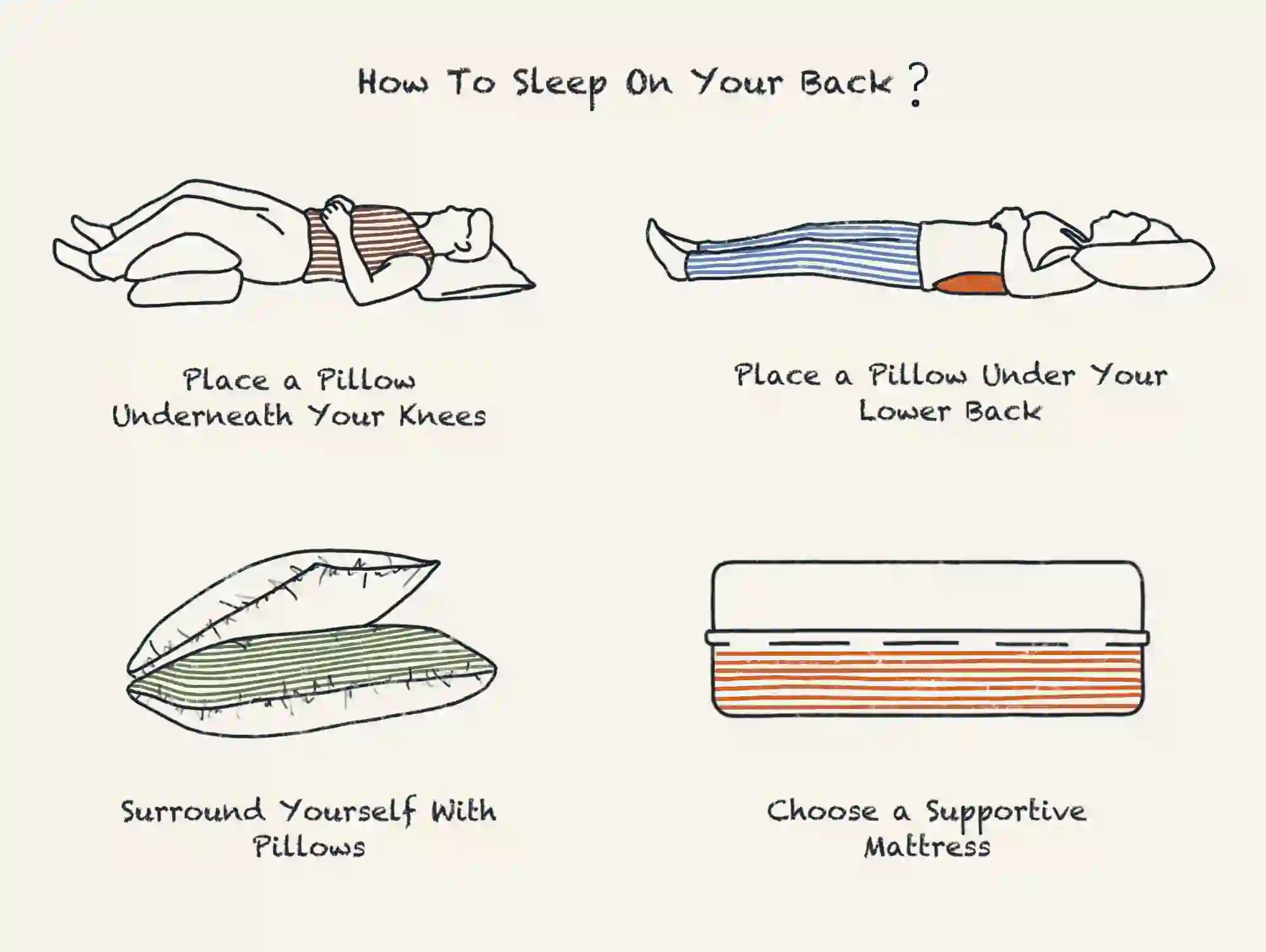
Pillows can guide your body while you sleep. Place a pillow behind your back to prevent rolling. Use one between your knees to align your hips. This support makes new positions more comfortable. Pillows help reduce pressure and keep you stable.
Behavioral Conditioning
Behavioral conditioning means creating new sleep habits. Try to go to bed in your new position. If you wake up in the old position, gently shift back. Repeat this every night to build muscle memory. Over time, your body will prefer the new pose.
Gradual Position Adjustment
Change your sleep position slowly, not all at once. Start by spending part of the night in the new position. Increase the time bit by bit each night. This helps your body adjust without discomfort. Patience is key to lasting change.
Tools And Devices To Assist
Changing your sleep position can improve comfort and health. Many people want to train themselves to sleep in a better way. Tools and devices can help make this change easier. These items support your body and remind you to stay in the right position. Using the right tool can improve your sleep quality and reduce pain.
Positioning Pillows
Positioning pillows help keep your body in one place while you sleep. They support your back, neck, or legs. These pillows stop you from rolling over to a bad position. Some pillows are shaped to fit your body curves. They are soft and comfortable, making it easier to stay in the right spot all night.
Wearable Sleep Trackers
Wearable sleep trackers monitor your sleep positions and movements. They use sensors to track how often you change position. Some trackers give gentle vibrations to remind you to move. This helps you become aware of your sleep habits. Over time, you can train yourself to hold a better position without waking fully.
Specialized Sleep Aids
Specialized sleep aids include belts, shirts, or bands that discourage certain positions. These devices create mild discomfort if you roll into the wrong position. They guide you to sleep in a healthier way. Some aids are adjustable and fit your body well. Using them consistently helps build new sleep habits safely.
Expert Tips For Success
Changing your sleep position takes time and effort. Experts suggest some simple tips to help you succeed. These tips focus on building habits and making your sleep space comfortable. Tracking your progress also keeps you motivated.
Consistency And Patience
Stick to your new sleep position every night. Your body needs time to adjust. Don’t give up if it feels hard at first. Repeat the same routine to form a habit. Patience helps your muscles relax in the new position.
Creating A Sleep-friendly Environment
Make your bed cozy and supportive. Use pillows to help keep your position stable. A quiet, dark room improves your sleep quality. Avoid distractions that might cause you to move. A calm environment supports better rest and habit formation.
Tracking Progress
Write down how you sleep each night. Note any discomfort or changes in how you feel. Use a sleep diary or an app for easy tracking. Seeing your progress motivates you to keep going. It helps spot patterns and adjust your approach.
When To Seek Professional Help
Changing your sleep position can improve rest and reduce pain. Sometimes, changing sleep habits is tough. Knowing when to seek professional help is important. Experts can guide you if problems persist or worsen.
Persistent Discomfort
Discomfort that lasts after changing sleep positions needs attention. Pain in the neck, back, or joints may signal a deeper issue. A doctor or physical therapist can help find the cause. They provide treatment or exercises to ease pain and improve sleep.
Sleep Apnea Concerns
Sleep apnea causes breathing to stop briefly during sleep. Changing positions may help, but this condition needs diagnosis. A sleep specialist can perform tests to confirm it. Treatment options can improve breathing and overall health.
Chronic Sleep Issues
Difficulty falling asleep or staying asleep affects daily life. Changing sleep position alone might not solve this. A sleep expert can identify underlying problems. They offer solutions to improve sleep quality and duration.
Frequently Asked Questions
Can You Train Yourself To Change Your Sleep Position?
Yes, you can train yourself to change sleep positions by gradually adjusting your habits. Use pillows to support new positions and stay consistent. Over time, your body will adapt and feel comfortable in the new posture.
How Long Does It Take To Change Sleep Positions?
Changing sleep positions usually takes a few weeks. Consistent effort and using supportive tools help speed up the process. Patience is key to successfully adapting to a new sleep posture.
What Are The Benefits Of Changing Sleep Positions?
Changing sleep positions can reduce pain, improve breathing, and enhance sleep quality. It can also prevent pressure sores and reduce snoring. Choosing the right position supports overall health and comfort.
Are Some Sleep Positions Better For Health?
Yes, some positions are healthier. Sleeping on your back reduces neck and back pain. Side sleeping improves breathing and reduces acid reflux. Avoid stomach sleeping to prevent strain on your neck and spine.
Conclusion
Changing your sleep position takes time and patience. Small steps each night help your body adjust. Use pillows or supports to stay comfortable. Notice how your body feels in the new position. Consistency matters more than perfection. Over time, your sleep may improve with better posture.
Keep trying, and don’t get discouraged by setbacks. Your sleep quality can get better with practice. Sleep well, feel better.