
As an Amazon Associate I earn from qualifying purchases.
Do you often wake up with a stiff, sore neck and wonder why it happens? If you sleep on your stomach, your sleeping position might be the hidden cause of your neck pain.
This simple habit could be putting more strain on your neck than you realize. Understanding why stomach sleeping affects your neck is the first step to finding relief. Keep reading to discover how your sleep posture impacts your body and what you can do to protect your neck while you rest.
Quick Navigation
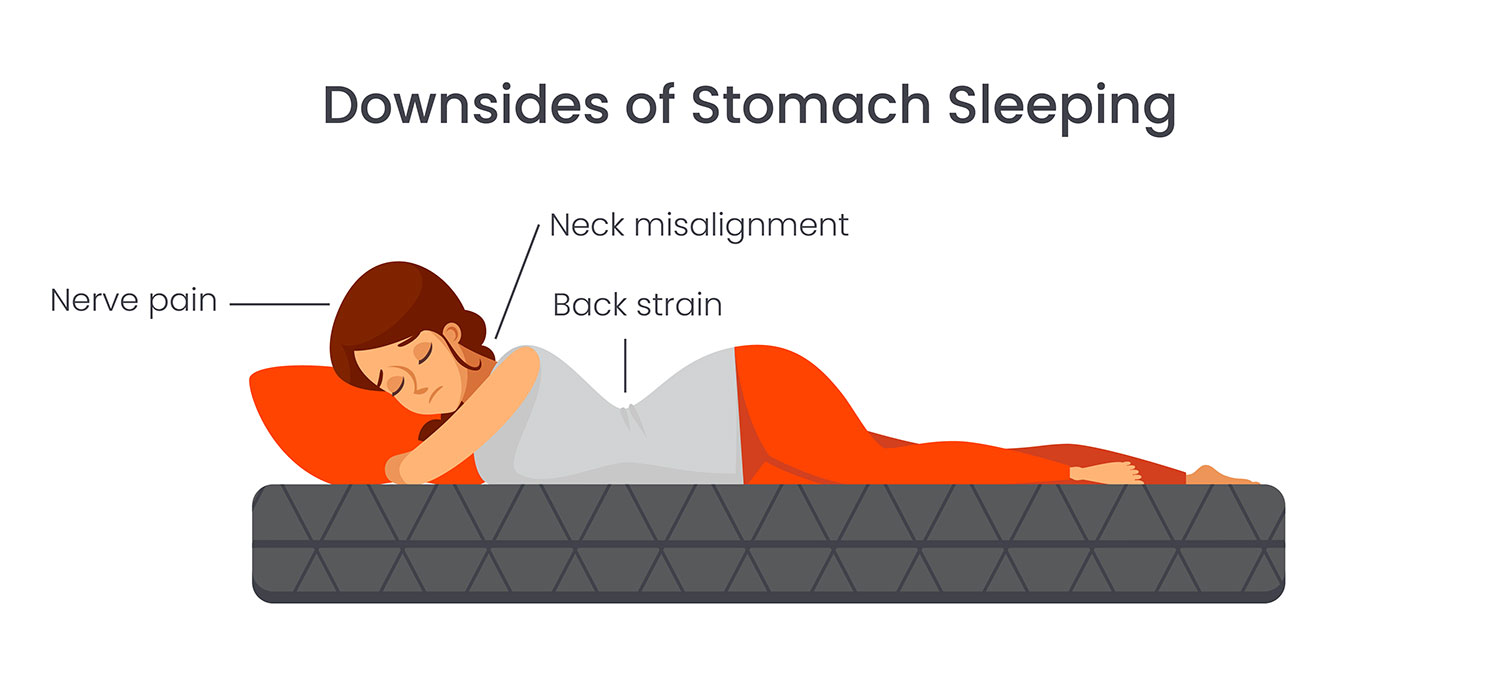
How Stomach Sleeping Affects Neck Alignment
Stomach sleeping changes the natural position of the neck. This change can cause pain and stiffness. The neck twists to one side to breathe. This twist puts stress on the muscles and spine.
Pressure On Neck Muscles
Sleeping on the stomach puts heavy pressure on neck muscles. The muscles stay tense all night. This tension causes soreness and discomfort. The muscles cannot relax properly. Over time, this leads to chronic pain.
Spine Misalignment Issues
The neck and spine should stay in a straight line. Stomach sleeping forces the neck to turn sideways. This twist misaligns the spine. Misalignment affects nerves and muscles. It can cause headaches and neck stiffness.
Common Neck Pain Symptoms From Stomach Sleeping
Stomach sleeping can cause various neck pain symptoms. These symptoms affect daily comfort and movement. Knowing common signs helps identify the problem early. Neck pain can range from mild to severe. It often starts with small discomforts that grow over time.
Morning Stiffness And Soreness
Waking up with a stiff neck is common for stomach sleepers. The neck twists unnaturally during sleep. This position strains muscles and joints. Stiffness can last for hours after waking. Soreness may feel like a dull ache or sharp pain. Moving the neck can be uncomfortable or painful. This discomfort usually fades with gentle stretching or movement.
Chronic Neck Discomfort
Long-term stomach sleeping can cause ongoing neck pain. The constant strain leads to muscle tension and inflammation. Pain may persist throughout the day. It can affect concentration and mood. Chronic discomfort can limit neck movement and flexibility. Some people experience headaches linked to neck strain. Ignoring these signs may worsen the condition over time.
Impact On Nerves And Blood Flow
Stomach sleeping can cause neck pain due to its effect on nerves and blood flow. The position forces the neck to twist unnaturally. This twist puts pressure on nerves and blood vessels. The result can be discomfort, numbness, or pain in the neck and shoulders.
Understanding how nerve compression and restricted circulation happen helps explain this common problem. Both factors can worsen neck pain and reduce sleep quality.
Nerve Compression Risks
Sleeping on your stomach bends your neck to one side. This position compresses nerves in the neck area. Nerve compression can cause sharp or burning pain. It might also lead to tingling or weakness in the arms and hands. Over time, constant pressure can damage these nerves. This damage increases neck pain and limits movement.
Restricted Circulation Effects
The stomach sleeping position can block blood flow in the neck. Blood vessels get squeezed by the twisted neck posture. Reduced blood flow lowers oxygen supply to muscles and nerves. This lack of oxygen causes stiffness and soreness. Poor circulation slows healing and increases discomfort. It also makes the neck feel stiff in the morning.
Long-term Health Risks Linked To Stomach Sleeping
Sleeping on your stomach may seem comfortable, but it can cause serious health issues over time. This position forces your neck into an unnatural twist. Your spine loses its natural curve. These changes can lead to lasting problems beyond just a sore neck the next day.
Long-term stomach sleeping can cause persistent pain and other health concerns. The strain on your body builds up with each night. Understanding these risks helps you make better sleep choices for your health.
Chronic Pain Development
Stomach sleeping puts constant pressure on your neck and spine. This pressure can cause muscles to tighten and joints to wear down. Over time, the pain becomes chronic and harder to treat. Neck pain can spread to shoulders and upper back. This discomfort can affect your daily activities and mood.
Ignoring this pain may lead to long-term damage. The body struggles to heal itself while you sleep. Constant strain reduces blood flow to muscles and tissues. This can worsen pain and stiffness over time.
Potential For Headaches And Migraines
Neck strain from stomach sleeping often causes tension headaches. Your nerves and muscles become irritated from unnatural positions. This irritation can trigger frequent headaches or migraines. These headaches may start in the neck and spread to the head.
Daily headaches reduce your energy and focus. They make it hard to enjoy daily tasks or rest properly. Changing your sleep position can help reduce these symptoms. Avoiding stomach sleeping gives your neck a chance to heal.
Alternatives To Stomach Sleeping
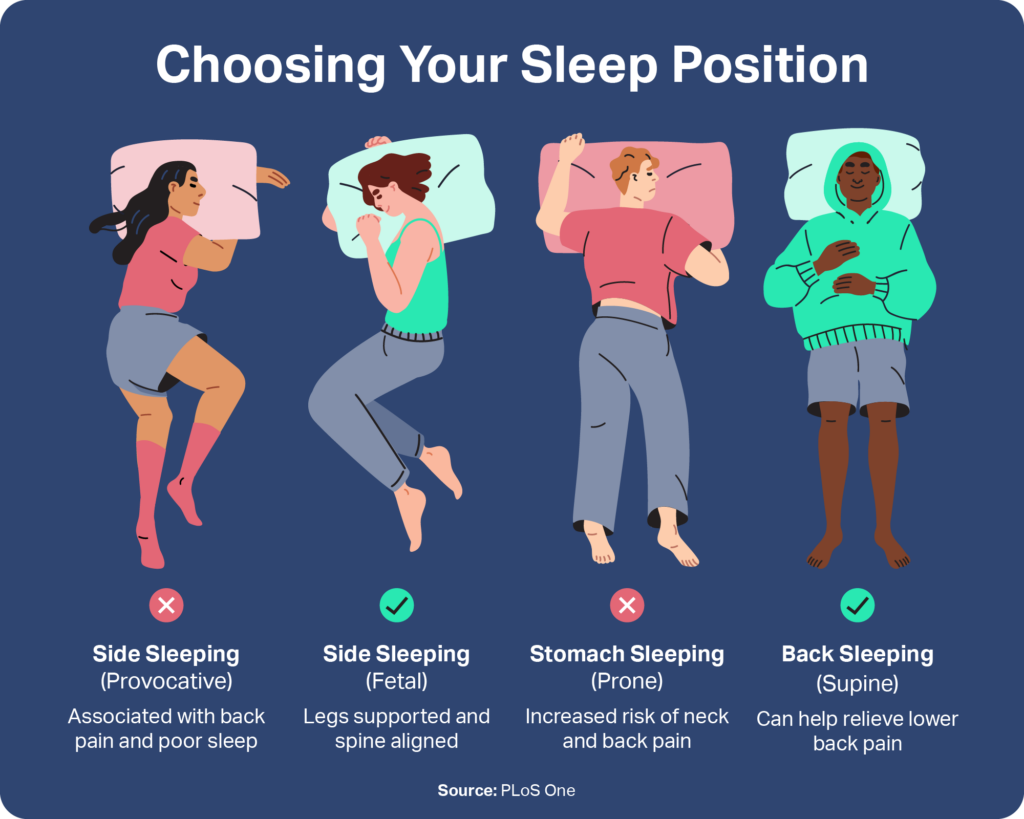
Stomach sleeping often leads to neck pain due to unnatural head and neck positions. Changing your sleep posture can reduce this pain. Trying other sleeping positions helps keep your spine aligned and eases pressure on your neck. Below are two better options to consider for a healthier sleep.
Benefits Of Side Sleeping
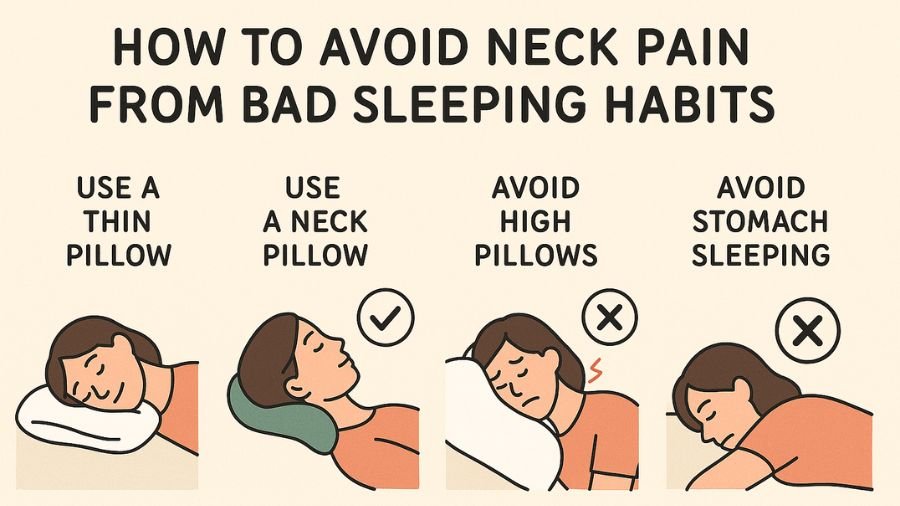
Side sleeping keeps the spine straight and balanced. It reduces stress on the neck and lower back. This position also helps improve breathing and reduce snoring. Placing a pillow between the knees keeps hips aligned. Using a supportive pillow under the head keeps the neck comfortable. Side sleeping can prevent stiffness and soreness in the morning.
Back Sleeping Advantages
Back sleeping offers even support to the whole body. It keeps the head, neck, and spine in a neutral position. This reduces pressure on the neck muscles and joints. A thin pillow under the head helps maintain the natural curve of the neck. Placing a pillow under the knees can relieve lower back stress. Back sleeping can help prevent wrinkles and acid reflux too.
Tips To Reduce Neck Pain While Sleeping
Neck pain from stomach sleeping can disturb your rest. Simple changes can ease this pain and improve sleep quality. Small adjustments make a big difference for comfort and health.
Try using these tips to reduce neck pain while you sleep. They help support your neck and keep your spine aligned.
Choosing The Right Pillow
Pick a thin pillow to keep your neck straight. Thick pillows push your neck too far back. A soft pillow helps your head rest gently. Memory foam pillows can mold to your neck shape. Avoid stiff or bulky pillows that cause strain.
Proper Sleeping Posture Adjustments
Try turning your head to one side instead of facing down. Keep your neck in a neutral position. Place a small pillow under your hips to reduce lower back stress. Avoid twisting your neck too much during sleep. Slight changes in posture reduce neck strain and pain.
Frequently Asked Questions
Why Does Stomach Sleeping Cause Neck Pain?
Stomach sleeping forces your neck to twist unnaturally. This strain misaligns your spine and stresses neck muscles, causing pain and stiffness.
How Can Stomach Sleeping Affect Spinal Alignment?
Sleeping on your stomach flattens the natural curve of your spine. This misalignment increases pressure on your neck, leading to discomfort and long-term pain.
Can Changing Sleep Position Reduce Neck Pain?
Yes, switching to back or side sleeping supports natural neck alignment. These positions reduce strain and help prevent neck pain caused by stomach sleeping.
What Pillow Type Helps Stomach Sleepers Avoid Neck Pain?
A thin, soft pillow or no pillow at all can reduce neck strain for stomach sleepers. This keeps your neck in a more neutral position.
Conclusion
Sleeping on your stomach can strain your neck and cause pain. Your head twists unnaturally, putting pressure on muscles and joints. Over time, this can lead to stiffness and discomfort. Changing your sleep position helps protect your neck and improve rest.
Try sleeping on your back or side instead. A good pillow also supports your neck better. Small changes make a big difference in avoiding neck pain. Take care of your neck every night. Wake up feeling better and pain-free.