
As an Amazon Associate I earn from qualifying purchases.
Have you ever reached for a drink hoping it will help you fall asleep faster? You’re not alone.
Many people believe that alcohol can be a quick fix for restless nights. But does alcohol really help you sleep, or could it be doing more harm than good? Understanding how alcohol affects your sleep can change the way you rest—and feel—each day.
Keep reading to discover the surprising truth behind alcohol and your sleep quality.
Quick Navigation
Alcohol And Sleep Cycle
Alcohol changes how your body sleeps. It may seem like it helps you fall asleep. Yet, alcohol affects the quality of your sleep cycle. This can cause problems during the night and leave you tired the next day.
Your sleep cycle has different stages. Each stage plays a role in rest and recovery. Alcohol interferes with these stages in several ways. Understanding this helps explain why alcohol might not be good for sleep.
How Alcohol Affects Sleep Stages
Alcohol makes you fall asleep faster. This is because it slows down your brain activity. At first, it increases deep sleep, which feels good. But as the night goes on, alcohol disrupts lighter sleep stages. This causes frequent waking and restless sleep.
Impact On Rem Sleep
REM sleep is the stage where dreams happen. It is important for memory and mood. Alcohol reduces the time spent in REM sleep. Less REM sleep means your brain does not rest well. This can lead to poor concentration and low energy the next day.
Changes In Sleep Architecture
Sleep architecture means the normal pattern of sleep stages. Alcohol breaks this pattern. It causes irregular sleep cycles and more awakenings. Your body cannot fully repair itself during this broken sleep. Over time, this can affect your overall health.
Short-term Effects
Alcohol affects sleep in different ways right after drinking. These short-term effects can change how you feel and how well you rest. Some people think alcohol helps them sleep better, but the truth is more complex. Understanding these effects can help you make better choices about drinking before bed.
Initial Sleepiness And Relaxation
Alcohol acts as a sedative at first. It makes you feel sleepy and calm quickly. This can help you fall asleep faster. Your body relaxes, and tension eases. This is why many people use alcohol to unwind after a long day.
Nighttime Awakenings
After the first few hours, alcohol disrupts sleep. It causes more awakenings during the night. Your sleep becomes lighter and less restful. Waking up often makes it hard to feel refreshed in the morning. These interruptions reduce the benefits of your sleep.
Sleep Quality After Drinking
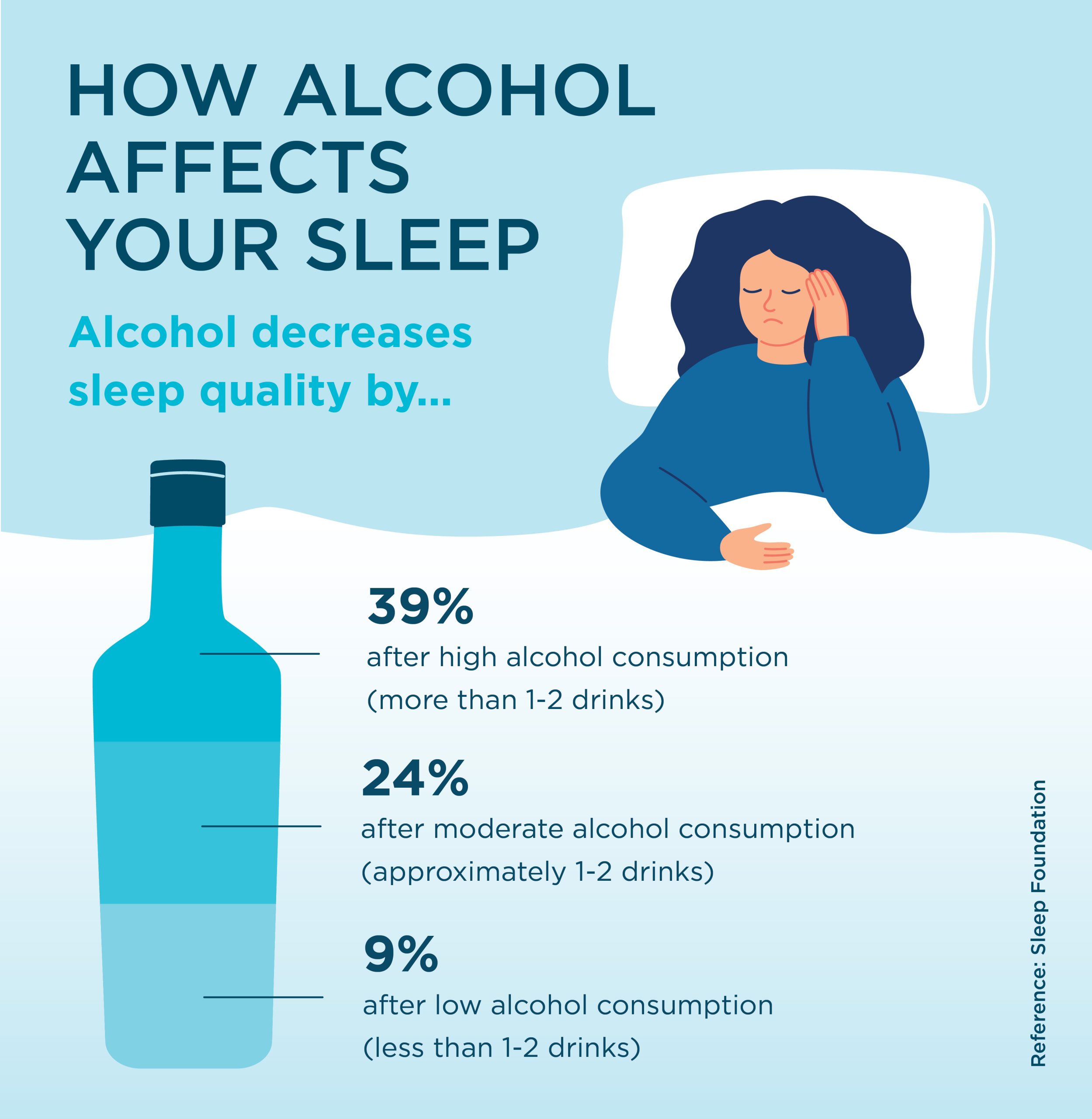
Alcohol lowers the quality of your sleep overall. It reduces deep sleep and REM sleep stages. These stages are important for memory and mood. Poor sleep quality can leave you tired and unfocused. Drinking less or avoiding alcohol near bedtime improves sleep health.
Long-term Consequences
Drinking alcohol to fall asleep may seem helpful at first. Over time, this habit can cause serious problems. The long-term effects of alcohol on sleep affect more than just rest. They impact your whole body and mind.
Chronic Sleep Disruption
Alcohol can make it hard to stay asleep. It reduces deep sleep, the most restful stage. Nighttime awakenings increase with regular drinking. Over months or years, this leads to poor sleep quality. The body never fully recovers from broken sleep.
Increased Risk Of Sleep Disorders
Regular alcohol use raises the chance of sleep disorders. Conditions like insomnia and sleep apnea become more common. Alcohol relaxes throat muscles, causing breathing problems. These disorders worsen sleep and cause daytime tiredness. Treating them gets harder if alcohol use continues.
Effects On Overall Health
Poor sleep harms many parts of the body. It weakens the immune system and raises stress levels. Long-term alcohol use with bad sleep increases heart disease risk. Memory and concentration also suffer. The combined effect can lower life quality.
Alcohol And Insomnia
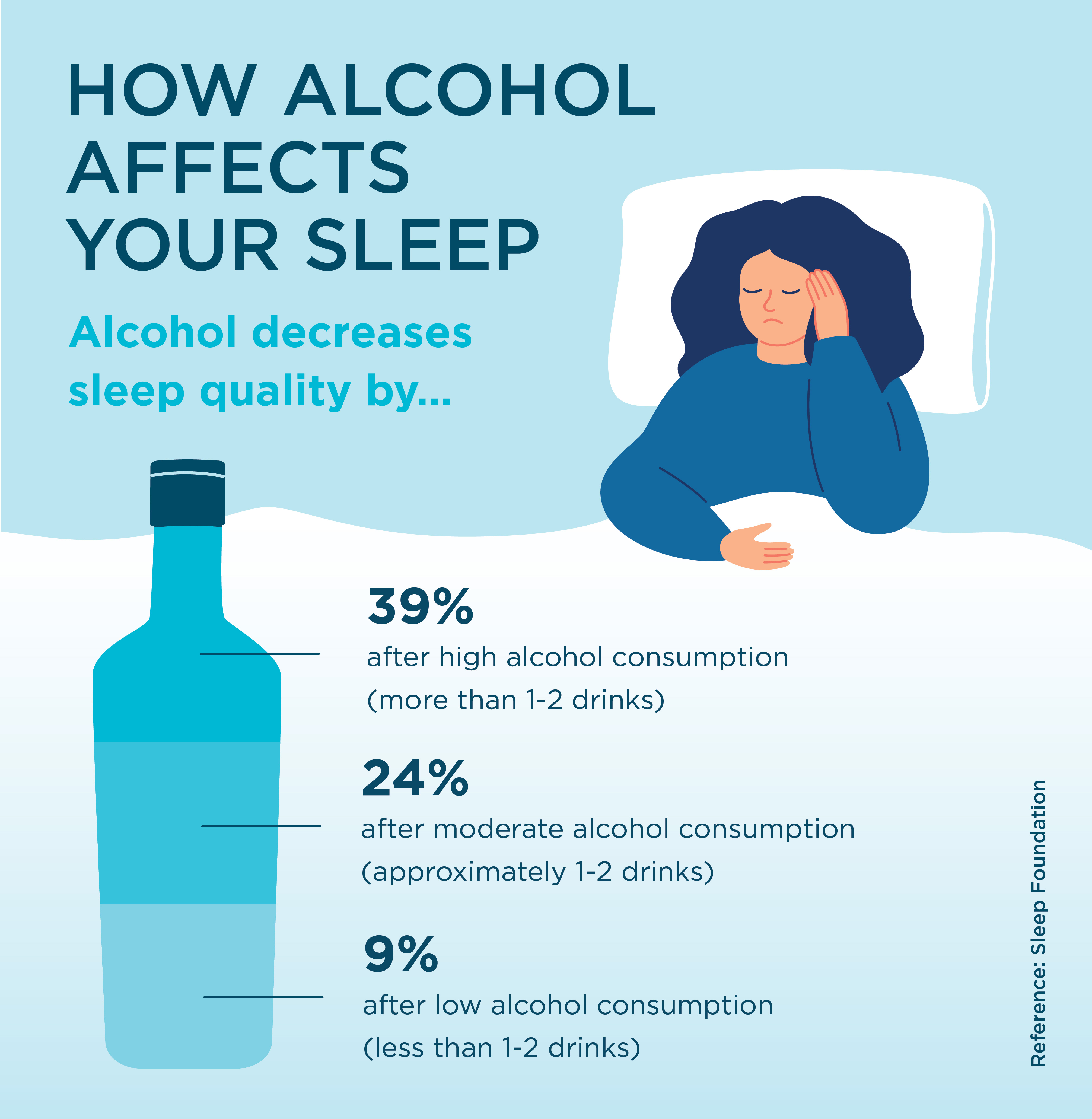
Alcohol often seems like a quick fix for sleepless nights. Many people drink to relax and fall asleep faster. But alcohol can cause more harm than good for sleep quality. Understanding how alcohol affects insomnia is important for better rest.
Alcohol changes how the brain works during sleep. It might help you fall asleep at first. But it also disrupts deep and REM sleep stages. These stages are key for feeling rested and alert the next day.
Temporary Relief Vs. Lasting Problems
Alcohol can give a quick feeling of sleepiness. It acts like a sedative at the start of the night. This might seem helpful for people struggling with insomnia.
Yet, this relief is short-lived. After a few hours, alcohol causes sleep to break up. It leads to waking up often and poor sleep quality. Over time, this can make insomnia worse.
Relying on alcohol for sleep creates a cycle. Sleep problems increase, and alcohol use grows. This cycle stops natural sleep patterns from recovering.
Dependence And Sleep Issues
Using alcohol regularly to sleep can lead to dependence. The body starts needing alcohol to fall asleep. This dependence harms long-term sleep health.
Dependence also raises the risk of developing serious sleep disorders. People might experience restless nights and daytime tiredness. These issues affect daily life and well-being.
Breaking free from alcohol dependence improves sleep. It takes time and effort but leads to natural, better rest. Seeking help is important for those facing this challenge.
Alternatives For Better Sleep
Finding ways to improve sleep without alcohol is important. Alcohol might seem to help you fall asleep, but it disrupts the sleep cycle. Many natural methods can lead to better, deeper rest. These alternatives support your body’s natural rhythm.
Healthy Sleep Habits
Going to bed and waking up at the same time strengthens your internal clock. Create a calm bedtime routine to signal your body it’s time to sleep. Avoid screens and bright lights at least one hour before bed. Keep your bedroom dark, quiet, and cool for better comfort.
Natural Sleep Aids
Herbal teas like chamomile or valerian root can relax your mind. Melatonin supplements help adjust your sleep cycle, especially during travel or shift changes. Aromatherapy with lavender oil also promotes relaxation. Use these aids carefully and follow package instructions.
Lifestyle Changes
Regular exercise improves sleep quality but avoid intense workouts close to bedtime. Limit caffeine and heavy meals in the evening. Manage stress with meditation or deep breathing exercises. These changes help your body prepare naturally for restful sleep.

Frequently Asked Questions
Does Alcohol Improve Sleep Quality?
Alcohol may help you fall asleep faster, but it reduces overall sleep quality. It disrupts deep sleep and REM stages, leading to less restorative rest.
Can Alcohol Cause Sleep Disturbances?
Yes, alcohol often causes night awakenings and fragmented sleep. It interferes with the natural sleep cycle and can increase snoring or sleep apnea symptoms.
Is Alcohol A Good Remedy For Insomnia?
Alcohol is not a recommended insomnia treatment. While it might initially induce sleep, it worsens sleep patterns and can create dependency issues.
How Does Alcohol Affect Rem Sleep?
Alcohol suppresses REM sleep, the stage important for memory and mood. Reduced REM can lead to cognitive problems and daytime fatigue.
Conclusion
Alcohol may help you fall asleep faster, but it lowers sleep quality. It can cause restless nights and less deep sleep. Drinking before bed might lead to waking up early. Better sleep comes from healthy habits like regular bedtime and a calm room.
Avoid alcohol as a sleep aid to feel more rested. Choose good sleep routines for a healthier body and mind. Sleep well, live well.