
Have you ever wondered if sleeping with your window open could actually be better for your health? You might think fresh air helps you breathe easier and sleep deeper, but is that really true?
What if opening your window at night could improve your mood, boost your immune system, or even help you wake up feeling more refreshed? You’ll discover the surprising benefits—and possible drawbacks—of sleeping with the window open. Keep reading to find out what science says and how you can make the best choice for your sleep and well-being.
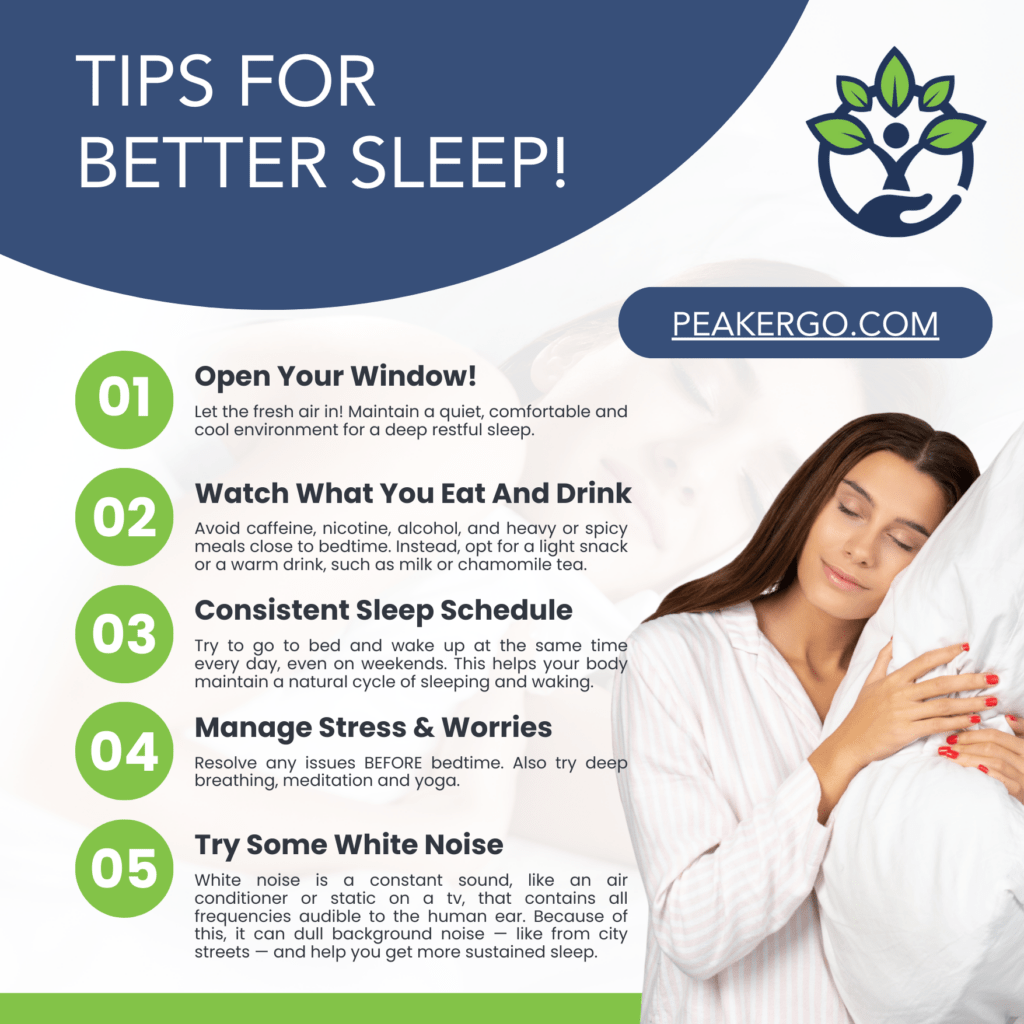
Quick Navigation
Better Air Quality
Sleeping with the window open can improve the air quality in your room. Fresh air helps keep the space clean and healthy. This simple habit can reduce harmful particles and increase oxygen. These changes may help you breathe easier and sleep better.
Reducing Indoor Pollutants
Indoor air often contains dust, smoke, and other pollutants. These can cause allergies and breathing problems. Opening the window lets fresh air flow in and pushes out stale air. This exchange lowers the amount of indoor pollutants. Cleaner air supports better health during sleep.
Increasing Oxygen Levels
Rooms with closed windows can have less oxygen. Low oxygen can make you feel tired and restless. Fresh air from outside raises oxygen levels in the room. More oxygen helps your brain and body rest well. Breathing fresh air at night can improve sleep quality.
Improved Sleep Quality
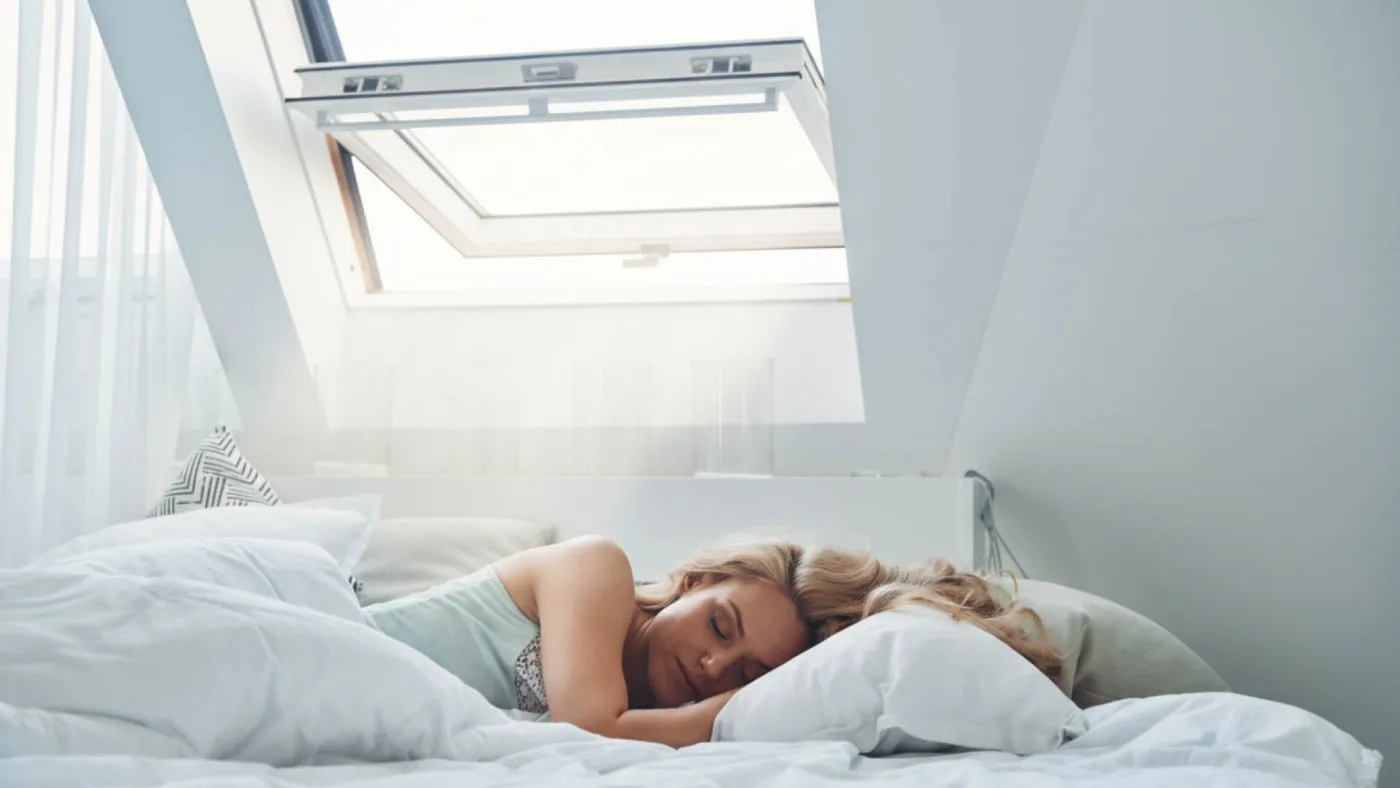
Sleeping with the window open can improve sleep quality significantly. Fresh air enters the room, creating a more comfortable environment. Better air circulation helps the body relax and rest deeply. This simple change can lead to more refreshing sleep and feeling better in the morning.
Regulating Room Temperature
Cool air from outside helps keep the room temperature just right. A cooler room encourages the body to lower its temperature, which is essential for good sleep. When the room is too warm, falling asleep becomes harder. Opening the window lets heat escape and keeps the air fresh and cool all night.
Enhancing Relaxation
Fresh air calms the mind and reduces stress levels. The gentle breeze can create soothing sounds that help the brain unwind. Clean air also lowers the chance of stuffy feelings or headaches. This peaceful setting helps you fall asleep faster and enjoy deeper rest through the night.
Boosted Immune System
Sleeping with the window open can help improve your immune system. Fresh air in your room keeps the environment clean and healthy. It allows your body to fight off germs better. A strong immune system helps you avoid getting sick often. Breathing in fresh air at night supports this natural defense.
Exposure To Fresh Air
Fresh air brings oxygen into your room. Oxygen helps your body repair and recharge while you sleep. It also clears out carbon dioxide that you breathe out. A room with good air flow reduces tiredness and boosts energy. This better air quality helps your immune system work well. It also lowers the chance of catching colds or flu.
Reducing Allergens Indoors
Keeping the window open lets allergens leave your room. Dust, pet dander, and mold can build up inside closed spaces. These allergens can irritate your nose and lungs. Breathing cleaner air reduces allergy symptoms and helps you breathe easier. Less exposure to allergens also means fewer chances of infections. This supports your body’s natural ability to heal and stay strong.
Mental Health Benefits
Sleeping with the window open can improve mental health in many ways. Fresh air enters the room, helping the brain work better. This simple change can reduce feelings of stress and lift your mood. It creates a calm and peaceful space for rest. Better mental health means better sleep and a happier day.
Lowering Stress Levels
Fresh air lowers stress hormones in the body. It helps calm your mind after a long day. Breathing in clean air can reduce tension and anxiety. A relaxed mind falls asleep faster and stays asleep longer. Open windows bring a natural feeling of peace to your bedroom.
Promoting Better Mood
Airflow and natural sounds from outside boost your mood. They help your brain release happy chemicals like serotonin. Waking up in a room with fresh air feels refreshing. This can make you feel more positive and energetic. A better mood supports overall mental health and daily activities.
Potential Risks To Consider
Sleeping with the window open has benefits but also risks. These risks can affect your safety and comfort during sleep. It is important to know what to watch out for. Understanding potential dangers helps you make a better choice for your health.
Security Concerns
An open window can invite unwanted visitors. Burglars may find easy access to your home. This risk is higher on the ground floor or in unsafe areas. Always think about your neighborhood safety before leaving windows open at night.
Locking windows with security bars or alarms can help. Yet, open windows remain a risk for break-ins. Protect yourself by balancing fresh air and security needs.
Allergy Triggers
Open windows allow pollen and dust to enter your room. These particles can cause sneezing, itching, or watery eyes. People with allergies or asthma may feel worse after sleeping with open windows.
Seasonal changes often bring more allergens outdoors. Keep track of pollen levels in your area. Closing windows during high pollen days reduces allergy symptoms.
Noise Disturbance
Outdoor noise can interrupt your sleep. Sounds from traffic, neighbors, or animals reach your ears more easily. This noise can reduce sleep quality and cause tiredness the next day.
Using earplugs or white noise machines can block some sounds. Still, open windows expose you to unpredictable noise. Choose a quiet room or time to open windows for better rest.
Tips For Safe Window Sleeping
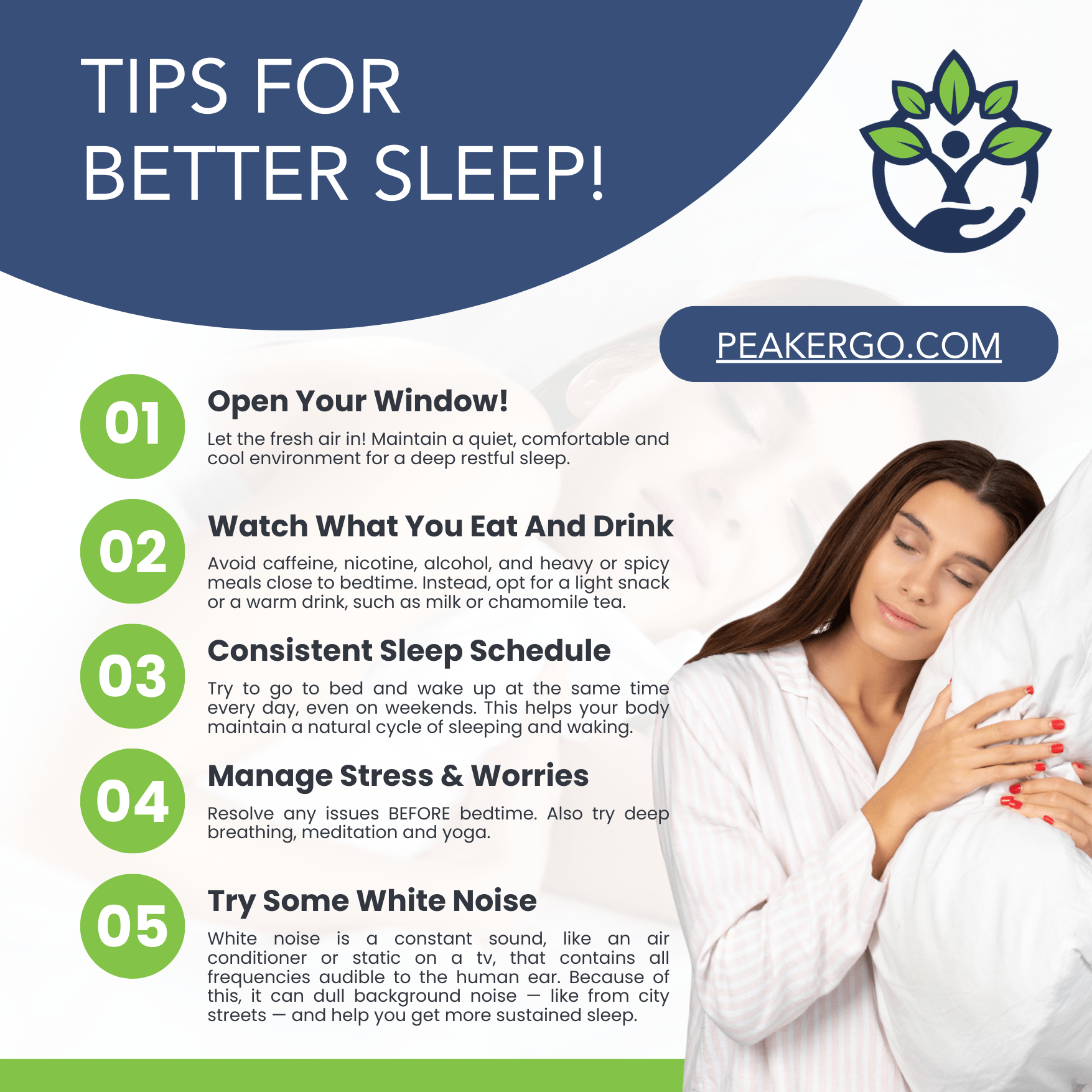
Sleeping with the window open can improve air quality and help you sleep better. It also brings fresh air and reduces indoor stuffiness. Safety matters though. Follow these simple tips to enjoy window sleeping without worries.
Choosing The Right Window
Pick a window that is easy to open and close. Avoid windows near busy streets or loud noises. Make sure the window is not too low to the ground. This helps keep bugs and animals out. Check the window locks to keep your room secure.
Using Screens And Barriers
Use window screens to block insects and dust. Fine mesh screens work best to keep tiny bugs away. Barriers like window guards add extra safety, especially for children. They prevent falls while allowing air to flow freely.
Timing And Weather Considerations
Open your window at night when the air is cooler. Close the window before strong winds or rain arrive. Watch the weather forecast to avoid cold drafts. Keep windows closed during high pollen or pollution days.
Frequently Asked Questions
Does Sleeping With An Open Window Improve Air Quality?
Yes, an open window allows fresh air circulation. It helps reduce indoor pollutants and allergens. Improved air quality can enhance breathing and overall sleep quality.
Can Open Windows Affect Room Temperature While Sleeping?
Open windows can lower room temperature by allowing cool air in. This can promote better sleep, especially in warm weather. However, very cold air may cause discomfort for some people.
Is Sleeping With Windows Open Good For Allergies?
Sleeping with windows open may help reduce indoor allergens. However, outdoor pollen can enter and worsen allergies. People with pollen sensitivities should monitor outdoor conditions before opening windows.
Are There Any Risks To Sleeping With Windows Open?
Yes, open windows may increase noise and security risks. Bugs and insects can also enter the room. Ensure windows have screens and consider neighborhood safety before sleeping with them open.
Conclusion
Sleeping with the window open can bring fresh air into your room. Fresh air may help you breathe better and sleep well. It can also lower indoor pollution and reduce stuffiness. But cold or noisy nights might disturb your rest.
Choose what feels best for you and your health. Small changes can improve your sleep quality. Try it for a few nights to see how you feel. Your comfort and safety should always come first. Good sleep helps your body and mind stay healthy.