
As an Amazon Associate I earn from qualifying purchases.
Have you ever wondered why some nights you toss and turn, while others you sleep like a baby? What if the secret to better sleep lies in something you might not expect—your blood sugar levels?
The way your body manages sugar can have a big impact on how well you rest. If you want to wake up feeling refreshed instead of tired, understanding this connection is key. Keep reading to discover how your blood sugar affects your sleep and what simple steps you can take to improve both.
Quick Navigation
Blood Sugar And Sleep Connection
Blood sugar levels and sleep have a close relationship. Changes in blood sugar can affect how well you sleep. Poor sleep can also change your blood sugar. Understanding this link helps improve both sleep and health.
How Glucose Impacts Sleep Cycles
Glucose is the main sugar in your blood. It gives energy to your body and brain. Too much glucose can disturb your sleep cycles. High blood sugar may cause frequent waking at night. Low blood sugar can trigger night sweats and nightmares. Both affect deep sleep, which is the most restful stage.
Role Of Insulin In Restorative Sleep
Insulin helps move glucose from blood to cells. It keeps blood sugar at a stable level. Poor insulin function can lead to sleep problems. Without enough insulin, blood sugar stays high or drops too low. These swings can break sleep and reduce quality. Good insulin balance supports longer, more restful sleep.
Effects Of High Blood Sugar On Sleep
High blood sugar can cause many problems during sleep. It affects how well the body rests and recovers. People with elevated blood sugar often face trouble falling asleep or staying asleep. This makes nights restless and tiring. Understanding these effects helps manage sleep better.
Sleep Disruptions Linked To Hyperglycemia
High blood sugar, or hyperglycemia, changes sleep patterns. It causes frequent waking during the night. The brain gets signals that disturb deep sleep stages. This reduces the time spent in restful sleep. Poor sleep leads to fatigue and low energy the next day. It also makes it harder to control blood sugar levels.
Nighttime Urination And Sleep Quality
High blood sugar increases urine production. This causes more bathroom trips at night. Each trip breaks the sleep cycle and causes awakenings. Frequent urination interrupts the body’s natural rest time. It lowers sleep quality and causes tiredness during the day. Managing blood sugar can help reduce these interruptions.
Low Blood Sugar And Sleep Disturbances
Low blood sugar, also known as hypoglycemia, can disrupt sleep in many ways. It often occurs at night, causing sudden awakenings and restlessness. This condition affects the body’s ability to maintain stable energy levels during sleep. Understanding these disruptions helps in managing better sleep quality.
Symptoms Of Nocturnal Hypoglycemia
Nocturnal hypoglycemia happens when blood sugar drops too low during sleep. Common symptoms include sweating, shaking, and nightmares. People may wake up feeling confused or tired. Sometimes, there is a headache or a fast heartbeat. These signs can make it hard to fall back asleep quickly.
Impact On Deep Sleep Phases
Low blood sugar interrupts deep sleep, the stage when the body repairs itself. This disruption reduces restfulness and energy for the next day. The brain reacts to low sugar by waking the body up to restore balance. As a result, the sleep cycle becomes fragmented and less restorative.
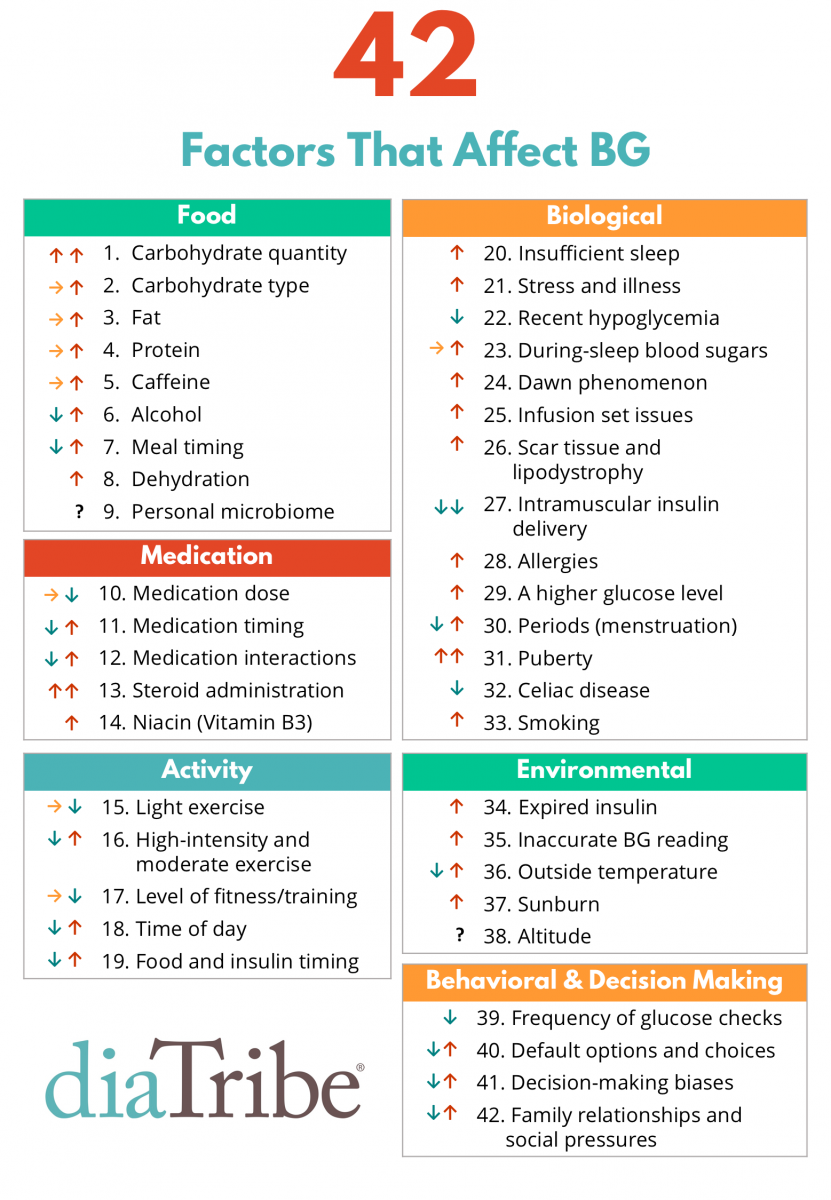
Blood Sugar Fluctuations And Sleep Disorders
Blood sugar levels can change a lot during the day and night. These changes affect how well you sleep. When blood sugar goes too high or too low, it can cause problems. These problems often lead to sleep disorders. Understanding this link helps in managing sleep better.
Connection With Insomnia
High blood sugar can cause insomnia. It makes the body restless and alert. Low blood sugar can also wake you up at night. Both conditions disrupt deep, restful sleep. People with diabetes often report difficulty falling asleep.
Risk Of Sleep Apnea
Blood sugar spikes can increase the risk of sleep apnea. Sleep apnea causes breathing to stop briefly during sleep. This condition reduces oxygen levels and disturbs sleep cycles. High blood sugar can worsen inflammation, making sleep apnea worse. Managing blood sugar helps reduce these risks.
Managing Blood Sugar For Better Sleep
Managing blood sugar helps improve sleep quality. Stable glucose levels prevent night-time awakenings and restless sleep. Blood sugar spikes or drops can cause discomfort and disrupt sleep cycles. Simple changes in diet, exercise, and medication can keep blood sugar steady. This balance supports deeper and more restful sleep.
Dietary Tips To Stabilize Glucose
Eat small, balanced meals throughout the day. Include fiber-rich foods like vegetables and whole grains. Avoid sugary snacks and drinks before bedtime. Protein helps slow sugar absorption and keeps levels steady. Drink plenty of water to help regulate glucose.
Exercise And Sleep Quality
Regular exercise lowers blood sugar and improves sleep. Aim for moderate activity like walking or cycling daily. Avoid intense workouts close to bedtime. Exercise reduces stress, which helps with falling asleep. Consistent physical activity supports better blood sugar control.
Medication And Monitoring
Take diabetes medication as prescribed by your doctor. Check blood sugar regularly, especially before sleep. Monitoring helps avoid high or low sugar at night. Discuss any sleep problems with your healthcare provider. Proper medication keeps glucose in a safe range.
Lifestyle Habits Affecting Blood Sugar And Sleep
Lifestyle habits have a strong impact on blood sugar and sleep quality. Poor habits can cause blood sugar swings. These swings may disrupt sleep and cause tiredness the next day.
Simple changes in daily routines help balance blood sugar. Better balance leads to deeper, more restful sleep. Focus on managing stress and improving sleep habits for best results.
Stress Management Techniques
Stress raises blood sugar by releasing stress hormones. These hormones make it hard to fall asleep. Try deep breathing exercises to calm the mind. Meditation helps reduce stress and lower blood sugar. Regular physical activity also improves mood and sleep. Limit caffeine and screen time before bed to ease stress.
Sleep Hygiene Practices
Good sleep hygiene supports steady blood sugar levels. Keep a regular bedtime and wake time every day. Create a cool, dark, and quiet bedroom. Avoid heavy meals and sugary snacks close to bedtime. Use the bed only for sleep, not work or TV. These habits prepare the body for restful sleep.
Long-term Health Effects Of Poor Sleep And Blood Sugar
Poor sleep and unstable blood sugar levels create a harmful cycle. Over time, this cycle can lead to serious health problems. Sleep affects how the body processes sugar. Without good rest, blood sugar control worsens. This increases the risk of many chronic diseases. Understanding these long-term effects helps highlight the importance of sleep and blood sugar balance.
Increased Risk Of Diabetes
Chronic poor sleep raises blood sugar levels. It disrupts insulin function, the hormone that controls sugar. This disruption can lead to insulin resistance. Insulin resistance is a key step toward type 2 diabetes. People with poor sleep often have higher diabetes risk. Managing sleep helps reduce this risk significantly.
Cardiovascular Implications
High blood sugar and poor sleep strain the heart. They increase blood pressure and cause inflammation. These factors damage blood vessels over time. The risk of heart disease and stroke rises. Good sleep supports heart health by balancing blood sugar. Protecting the heart means managing both sleep and sugar levels.


Frequently Asked Questions
How Do Blood Sugar Levels Impact Sleep Quality?
Blood sugar imbalances can disrupt sleep by causing frequent awakenings. High or low glucose levels trigger hormones that interfere with deep sleep cycles, leading to poor rest and fatigue the next day.
Can Low Blood Sugar Cause Insomnia Or Waking Up?
Yes, low blood sugar during sleep can cause night sweats and sudden awakenings. This interrupts sleep continuity and may cause difficulty falling back asleep.
Does High Blood Sugar Affect Sleep Duration?
High blood sugar can increase nighttime urination and thirst, reducing total sleep time. It may also cause restless sleep and daytime tiredness.
How Can Managing Blood Sugar Improve Sleep?
Maintaining stable blood sugar with balanced meals and regular exercise promotes better sleep. Avoiding sugary foods before bed helps prevent sleep disturbances caused by glucose spikes.
Conclusion
Blood sugar levels play a key role in sleep quality. High or low sugar can cause restless nights. Balancing blood sugar helps you fall asleep faster. It also reduces waking up during the night. Simple habits like eating right and staying active help.
Managing stress supports both blood sugar and sleep. Good sleep improves overall health and energy. Small changes can make a big difference. Take care of your blood sugar for better rest. Sweet dreams start with healthy habits.