
As an Amazon Associate I earn from qualifying purchases.
Have you ever wondered how your diet might be affecting your sleep? If you’re following the keto diet, you might be noticing changes in how you rest at night.
Understanding the link between the keto diet and your sleep patterns can unlock better energy, mood, and overall health. You’ll discover what happens to your body when you eat keto and how it can impact your sleep—both the good and the challenging.
Keep reading to learn how to get the best rest while sticking to your keto goals.
Quick Navigation
Keto Diet Basics
The keto diet has gained popularity for weight loss and health benefits. It focuses on eating low carbs and high fats. This change in eating shifts how the body uses energy. Understanding keto basics helps explain its effects on sleep and metabolism.
What Is The Keto Diet
The keto diet limits carbohydrates to a very low amount. Protein intake is moderate. Most calories come from fats. This diet aims to put the body into a state called ketosis. In ketosis, the body burns fat for fuel instead of sugar.
Keto foods include meat, fish, eggs, nuts, and healthy oils. Foods high in sugar and starch are avoided. This helps the body produce ketones, an alternative energy source.
How Keto Affects Metabolism
Keto changes the body’s metabolism by using fat for energy. This can lead to faster fat loss. The body becomes efficient at burning stored fat. Energy levels may become more stable throughout the day.
Some people notice changes in how they feel, including sleep patterns. The shift in fuel can affect brain function and hormone balance. These changes can influence how well and how long you sleep.
Sleep Patterns Explained
Understanding sleep patterns helps explain how the body rests and recovers. Sleep is not just a single state but a cycle of different stages. Each stage plays a key role in physical and mental health.
Sleep quality affects mood, energy, and overall well-being. Knowing what influences sleep can help improve it, especially on diets like keto.
Stages Of Sleep
Sleep has two main types: REM and non-REM. Non-REM has three stages, from light to deep sleep. Deep sleep is when the body repairs itself. REM sleep is when dreaming happens and the brain processes memories.
A full sleep cycle lasts about 90 minutes. The body moves through these stages several times each night. Each stage is important for feeling rested and alert the next day.
Factors Influencing Sleep Quality
Sleep quality depends on many things. Light, noise, and temperature can affect how well you sleep. Stress and anxiety often make falling asleep harder. Food and diet also play a role in sleep patterns.
The keto diet changes energy sources in the body. This shift can impact sleep, sometimes causing disruptions at first. Over time, some people report better sleep on keto. Understanding these factors can help manage sleep better.
Link Between Keto And Sleep
The keto diet changes how the body uses energy. It shifts from burning sugar to burning fat. This change can affect sleep in many ways. Some people report better sleep, while others face challenges. Understanding this link helps manage sleep better on keto.
Sleep is vital for health and recovery. On keto, the body’s fuel source and hormones change. These changes impact sleep quality and patterns. Knowing what to expect can ease the transition and improve rest.
Impact Of Ketosis On Sleep
Ketosis produces ketones that the brain uses for energy. Ketones can affect brain chemicals linked to sleep. This may lead to deeper or lighter sleep phases. Some report feeling more alert or less tired at night.
Also, keto reduces blood sugar swings. Stable blood sugar often improves sleep stability. Hormone levels, such as insulin and cortisol, also adjust. These shifts influence how easily you fall asleep and stay asleep.
Common Sleep Changes On Keto
Many people notice initial sleep changes after starting keto. Insomnia or difficulty falling asleep can occur in the first days. This phase is often short as the body adapts to ketosis.
Dreams may become more vivid or frequent. Some report waking up less during the night. Others might feel more tired early on but improve over time. Drinking enough water and getting minerals helps reduce sleep problems.

Benefits Of Keto For Rest
The keto diet offers several benefits for rest and sleep patterns. Many people find their sleep improves after starting keto. This is due to changes in how the body uses energy and processes food. Better rest helps with overall health and daily energy levels.
Improved Sleep Duration
The keto diet may help increase the total sleep time. Fat and protein provide steady energy without spikes in blood sugar. This can prevent waking up during the night. Longer sleep means the body gets more time to repair and refresh. People often report feeling more rested after keto meals.
Enhanced Sleep Quality
Keto can improve how deeply you sleep. The diet reduces inflammation, which affects brain function and sleep cycles. Ketones, produced on keto, have calming effects on the brain. This helps reduce anxiety and stress that disturb sleep. Enhanced sleep quality leads to better focus and mood the next day.
Challenges And Sleep Disruptions
Starting a keto diet can change your sleep in many ways. Some people find it hard to sleep well at first. This happens because the body adjusts to a new way of eating and energy use. Sleep problems may last for a few days or weeks. Understanding these challenges helps you cope better.
Initial Insomnia On Keto
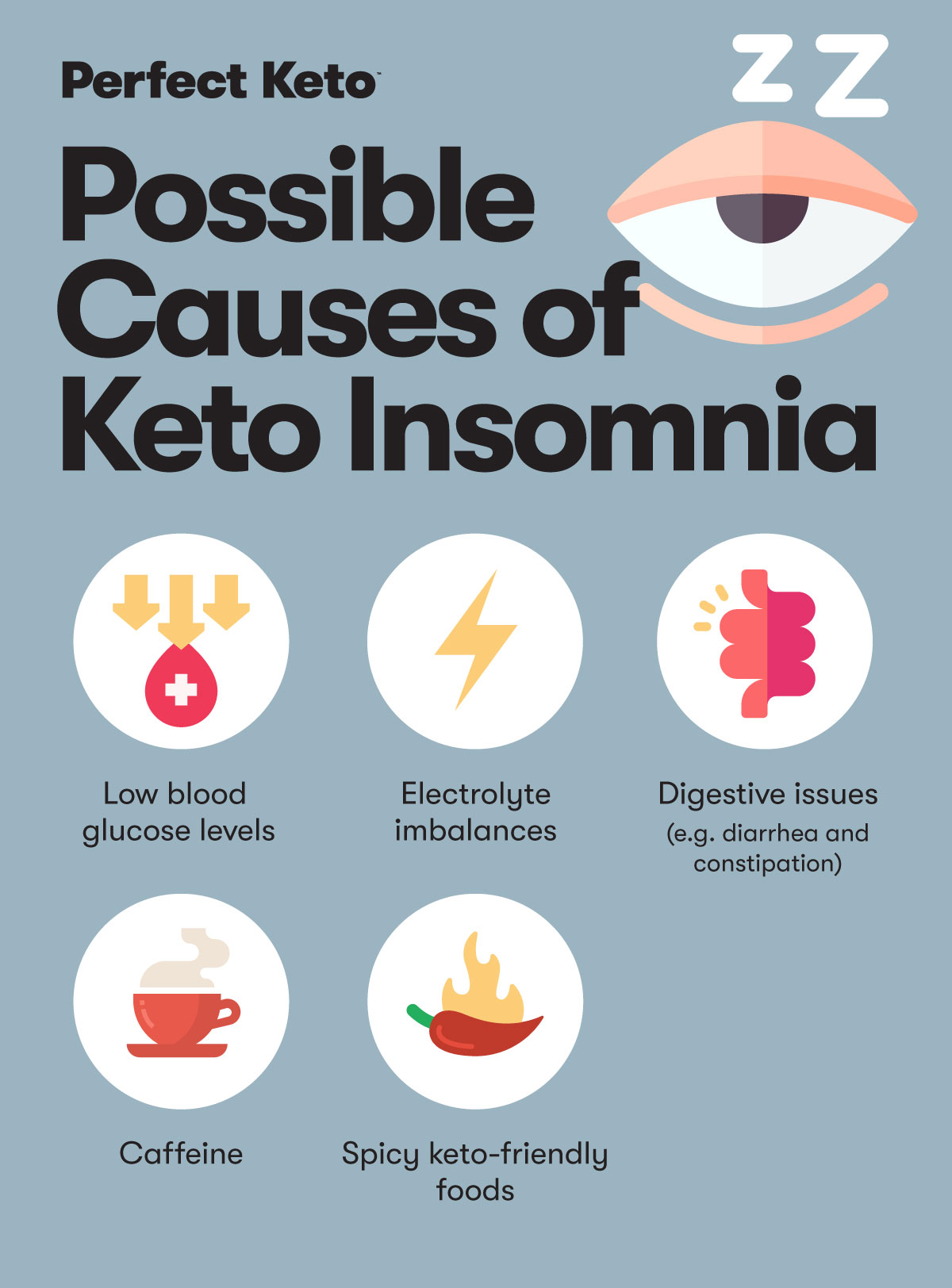
Many people face trouble falling asleep during the first days on keto. This is called initial insomnia. The body switches from using sugar to fat for energy. This change can cause restless nights. Stress hormones may rise, making it hard to relax. Patience is key, as sleep usually improves after the body adapts.
Electrolyte Imbalance Effects
Keto can lead to losing important minerals like sodium, potassium, and magnesium. This loss can disrupt your sleep patterns. Muscle cramps, headaches, and tiredness are common symptoms. These effects make it tough to stay asleep. Drinking enough water and adding electrolytes helps balance minerals. This supports better, deeper sleep during keto.
Tips For Better Sleep On Keto
Following a keto diet can change your sleep patterns. Some people find it hard to sleep well at first. Adjusting certain habits can help improve sleep quality on keto. Small changes make a big difference.
Optimizing Electrolyte Intake
Electrolytes like magnesium, potassium, and sodium affect sleep. Keto can lower these minerals quickly. Low electrolytes cause muscle cramps and restless nights. Add foods rich in magnesium and potassium. Drink broth or add a pinch of salt to water. Balanced electrolytes support better, deeper sleep.
Timing Of Meals And Sleep
When you eat impacts your sleep. Avoid heavy meals close to bedtime. Eating too late can disrupt sleep cycles. Try to finish eating at least two hours before bed. Light snacks are okay if you are hungry. This helps your body relax and prepare for rest.
Incorporating Relaxation Techniques
Stress can make sleep difficult on keto. Relaxation methods calm the mind and body. Try deep breathing or gentle stretching before bed. Meditation or listening to soft music can help. These techniques reduce tension and promote restful sleep.
Keto-friendly Sleep Aids
Sleep is vital for good health and energy. The keto diet can affect sleep quality in many ways. Some people find it hard to fall asleep or stay asleep on keto. Using keto-friendly sleep aids helps improve rest without breaking ketosis. These aids include herbs, supplements, and certain foods. They support relaxation and calm the mind naturally.
Choosing the right sleep aids can make a big difference. Keto-friendly options avoid sugar and carbs that disrupt ketosis. They also promote deep, restful sleep to help you wake up refreshed. Let’s explore some common herbs, supplements, and foods that aid sleep on a keto diet.
Herbs And Supplements
Herbs like valerian root and chamomile help calm the body. They reduce anxiety and promote relaxation before bedtime. Magnesium supplements ease muscle tension and improve sleep quality. Melatonin supports the body’s natural sleep cycle. These aids have few or no carbs, making them ideal for keto.
Using these herbs and supplements safely is important. Start with small doses to see how your body reacts. Avoid taking too many at once, as they can cause grogginess. Consult a healthcare provider before adding new supplements to your routine.
Foods That Promote Sleep
Certain keto-friendly foods boost sleep naturally. Almonds contain magnesium and healthy fats that relax muscles. Walnuts have melatonin, a hormone that helps regulate sleep. Cottage cheese is rich in protein and the amino acid tryptophan, which aids sleep. These foods fit well into a low-carb keto plan.
Eating these foods a few hours before bed can improve sleep quality. Avoid heavy meals or too much food right before sleep. A light snack with sleep-promoting nutrients supports a restful night without affecting ketosis.
Tracking Sleep While On Keto
Tracking sleep while on the keto diet helps understand how this eating style affects rest. Sleep patterns may change as your body adapts to burning fat for energy. Monitoring sleep can show if keto improves or disrupts your nightly rest.
Using Sleep Trackers
Sleep trackers measure how long and how well you sleep each night. These devices track movement, heart rate, and sleep stages. Wearables, apps, and smart beds offer easy ways to gather sleep data. They provide clear reports to help spot changes over time.
Using a tracker helps see if keto changes your sleep quality. Some users report deeper sleep after switching to keto. Others notice more waking up during the night. Tracking helps identify these effects clearly.
Noticing Patterns And Adjustments
Review sleep data regularly to find trends in rest quality. Look for patterns like falling asleep faster or waking up less. Changes in sleep may link to keto’s impact on hormones and energy levels.
Adjust diet elements if sleep issues appear. For example, increasing electrolytes or timing meals differently. Small changes can reduce sleep disruptions and boost comfort. Tracking keeps you informed and guides better choices.
Frequently Asked Questions
How Does Keto Diet Affect Sleep Quality?
The keto diet can improve sleep quality by stabilizing blood sugar levels. It reduces nighttime awakenings and promotes deeper sleep stages. However, some people may experience initial sleep disruptions during adaptation. Overall, keto supports better rest once the body adjusts to fat-burning.
Can Keto Cause Insomnia Or Sleep Disturbances?
Yes, keto may cause temporary insomnia or sleep issues during the first week. This happens as the body adapts to ketosis and shifts its energy source. Hydration and electrolyte balance help reduce these effects. Sleep usually normalizes after this adjustment period.
Does Keto Improve Rem And Deep Sleep Phases?
Keto may enhance REM and deep sleep by reducing blood sugar spikes and inflammation. Better metabolic health supports restorative sleep cycles. Many keto dieters report feeling more refreshed and alert due to improved sleep architecture.
Should I Adjust Keto If Sleep Worsens?
If sleep worsens on keto, consider adjusting carb intake or meal timing. Adding more magnesium and electrolytes can help. Also, avoid caffeine late in the day. Consult a healthcare provider if sleep problems persist despite changes.
Conclusion
The keto diet can affect how well you sleep in many ways. Some people feel more restful, while others may struggle at first. Changes in your body’s energy source can shift your sleep cycle. Keep track of your sleep as you try keto.
Adjust your habits if needed, like meal timing or carb intake. Sleep is key to feeling good and staying healthy. Finding the right balance takes time and patience. Stay aware and listen to your body’s signals. This will help you enjoy both keto and better sleep.