
As an Amazon Associate I earn from qualifying purchases.
Have you ever noticed how your body feels different depending on how you sleep? Your body weight plays a bigger role in your sleep position than you might think.
Finding the right position can make a huge difference in how well you rest and how refreshed you feel in the morning. You’ll discover why your weight affects your sleep posture and how you can adjust your position for better comfort and deeper sleep.
Keep reading to unlock the secrets to a night of truly restful sleep tailored just for you.
Quick Navigation
Body Weight And Sleep Quality
Body weight plays a key role in sleep quality and comfort. It affects how the body rests and the positions people choose during sleep. Understanding this link helps improve sleep habits and overall health.
Many people with higher body weight face unique challenges during sleep. These challenges can reduce restfulness and lead to discomfort or health problems.
Impact Of Excess Weight On Sleep
Excess weight can cause pressure on joints and muscles. This pressure makes it hard to find a comfortable sleeping position. It can lead to frequent tossing and turning. Over time, this disrupts deep sleep phases. Poor sleep affects energy, mood, and focus.
Fat buildup around the neck and chest can restrict breathing. This restriction increases the risk of waking up during the night. It also causes snoring, which disrupts sleep for both the person and their partner.
Sleep Disorders Linked To Body Weight
Higher body weight raises the risk of sleep apnea. Sleep apnea causes breathing to stop briefly during sleep. These pauses reduce oxygen levels and cause repeated awakenings. This leads to daytime tiredness and poor concentration.
Obesity also links to restless legs syndrome. This condition causes an uncomfortable urge to move the legs. It disturbs sleep and lowers sleep quality. Weight management may reduce symptoms and improve rest.
Common Sleep Positions
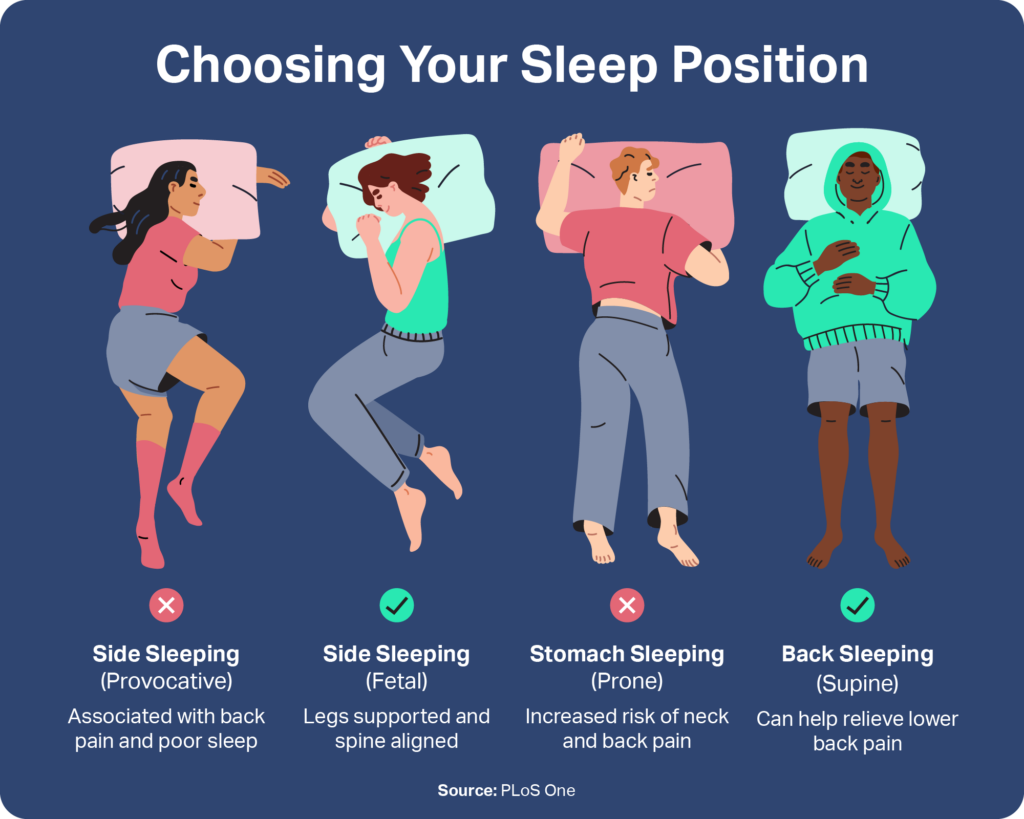
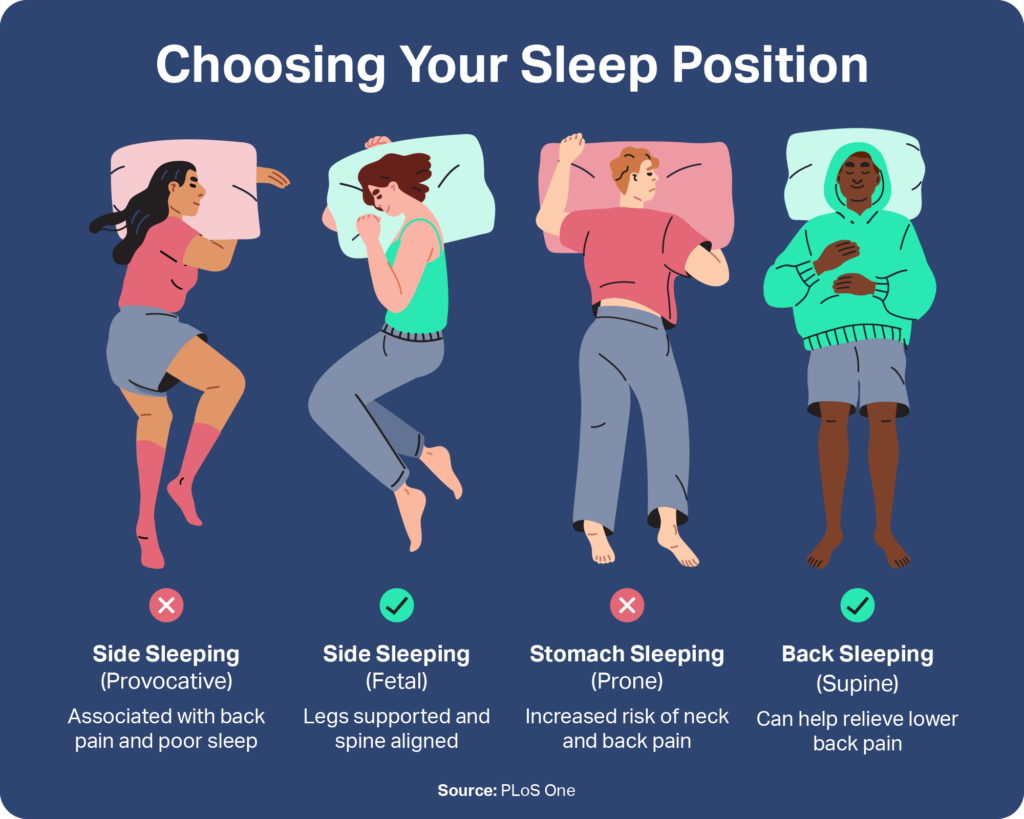
Sleep positions vary widely among people. Each position impacts comfort and rest differently. Body weight also influences which position feels best. Understanding common sleep positions helps improve sleep quality. Here are the main ones.
Back Sleeping
Back sleeping means lying flat on your back. It keeps the spine aligned naturally. For lighter people, this position usually feels comfortable. Heavier individuals might find pressure on the lower back. Extra pillows can help support the natural curve. This position reduces wrinkles and facial pressure.
Side Sleeping
Side sleeping is popular and promotes good spine alignment. It eases breathing and reduces snoring. Heavier bodies may feel pressure on hips and shoulders. A firm mattress or side cushions can help. Side sleeping is often good for pregnant women. It also reduces acid reflux during sleep.
Stomach Sleeping
Stomach sleeping puts the body face down. It can reduce snoring but strains the neck and back. Heavier people may experience more discomfort in this position. It is harder to keep the spine aligned. Pillows under the hips can relieve some pressure. This position is less common but still used by many.
How Weight Influences Sleep Posture
Body weight plays a key role in choosing the best sleep position. It changes how the body feels on the mattress and affects comfort. Different weights put pressure on different parts of the body. This changes how people adjust their sleep posture to find relief and rest better.
Understanding how weight impacts sleep posture helps improve sleep quality. It also reduces pain and stiffness after waking up. Weight influences how the body balances support and comfort during sleep.
Pressure Points And Comfort Levels
Heavier body weight increases pressure on certain areas like hips and shoulders. These pressure points can cause discomfort and pain. People with more weight may avoid lying on their sides for long. This position puts pressure on the hips and shoulders.
Lighter bodies may feel less pressure and can change positions more easily. Comfort depends on how the mattress supports the body weight. Softer mattresses may be better for heavier people to reduce pressure.
Breathing And Airway Considerations
Weight can affect breathing during sleep. Extra weight around the neck can narrow the airway. This makes breathing harder and may cause snoring or sleep apnea.
Sleeping on the back may worsen airway blockage for heavier people. Side sleeping helps keep airways open and eases breathing. Choosing a sleep posture that supports easy breathing is key for restful sleep.
Optimal Sleep Positions For Different Body Types
Choosing the right sleep position depends on body weight and shape. Different body types need different support to rest well. A good sleep position helps reduce pain and improves breathing. It also supports the spine and joints better. Understanding which positions suit your body type can lead to better sleep quality.
Recommendations For Overweight Individuals
Side sleeping is best for people with extra weight. It helps reduce pressure on the back and hips. Use a firm mattress to support your body evenly. Place a pillow between your knees to keep hips aligned. Avoid sleeping on your stomach as it strains the neck and back. Elevating the upper body slightly can improve breathing and reduce snoring.
Tips For Underweight Or Average Weight Sleepers
Back sleeping is ideal for those with lighter body weight. It keeps the spine straight and balances pressure points. Use a pillow under the knees to ease lower back tension. Side sleeping works well, too, but keep your legs slightly bent. Choose a medium-firm mattress for good support. Avoid very soft mattresses that cause your body to sink too much.
Adjusting Sleep Environment
Adjusting your sleep environment can improve comfort and support during sleep. Body weight affects how you feel on your mattress and pillow. Small changes in your bedroom can help you find a better sleep position.
Choosing the right mattress and pillow is important. Proper support reduces pressure points and helps maintain good posture. The right setup can ease discomfort and improve sleep quality.
Mattress And Pillow Choices
Heavier body weight needs firmer mattresses for better support. Soft mattresses may cause sinking and poor spine alignment. Look for medium-firm to firm options to keep your body stable.
Memory foam or latex mattresses work well for many people. They contour to your body and relieve pressure. Avoid very soft mattresses that do not support well.
Choose pillows that keep your neck aligned with your spine. Thicker pillows suit side sleepers with broader shoulders. Thinner pillows are better for back sleepers or lighter individuals.
Bedroom Setup For Better Support
Arrange your bed and bedroom to help good posture. Use a bed frame that holds the mattress firmly. Avoid sagging or uneven surfaces.
Add extra support with body pillows or cushions if needed. These can reduce strain on hips and shoulders. Keep the room cool and dark to promote restful sleep.
Lifestyle Factors Affecting Sleep And Weight
Body weight and sleep share a close relationship. Lifestyle choices influence both how much you weigh and how well you rest. Small changes in daily habits can improve sleep quality and support a healthy weight. Understanding these factors helps you find better sleep positions and feel more comfortable at night.
Diet And Exercise
Eating habits affect body weight and sleep quality. Heavy meals before bed can cause discomfort and disrupt rest. Choose lighter foods in the evening to ease digestion. Regular exercise helps control weight and promotes deeper sleep. Even a short walk daily can make a big difference. Avoid intense workouts close to bedtime to prevent sleep problems.
Stress Management
Stress impacts both weight and sleep patterns. High stress raises cortisol, a hormone linked to weight gain. It also makes falling asleep harder. Simple relaxation techniques calm the mind and improve rest. Deep breathing, meditation, or gentle stretching can help. Managing stress supports better sleep and a balanced weight.
When To Seek Professional Advice
Body weight can change how you sleep. Sometimes, it causes problems that need a doctor’s help. Knowing when to seek professional advice can protect your health. Paying attention to your body’s signals helps you find the right care. This section explains signs to watch for and how medical support can assist.
Recognizing Sleep Disorder Symptoms
Sleep disorders can affect anyone with weight issues. Loud snoring, gasping for air, or choking sounds during sleep are warning signs. Feeling very tired during the day, even after a full night’s rest, is another sign. Difficulty staying asleep or waking up often may mean a problem. Notice if your sleep position feels uncomfortable or causes pain. These symptoms show your body needs help to sleep well.
Medical Support For Weight-related Sleep Issues
Doctors can check for sleep apnea and other disorders linked to weight. Treatment may include special machines to help breathing at night. Sometimes, weight loss advice is part of the care plan. A sleep study can diagnose the exact problem. Getting professional help improves sleep quality and overall health. Don’t wait if sleep problems affect your daily life or mood.
Frequently Asked Questions
How Does Body Weight Influence Sleep Positions?
Body weight affects comfort and pressure points during sleep. Heavier individuals may prefer side or back sleeping to reduce strain. Lighter individuals often find multiple positions comfortable. Understanding this helps improve sleep quality and prevent pain.
Why Is Sleep Position Important For Overweight People?
Sleep position impacts breathing, spinal alignment, and pressure distribution. Overweight people benefit from positions that minimize airway obstruction and joint pressure. Proper positions can reduce snoring and improve overall rest.
Can Body Weight Cause Poor Sleep Posture?
Yes, excess weight can strain muscles and joints, leading to poor posture. This may cause discomfort and disrupted sleep. Choosing supportive sleep positions and mattresses helps maintain proper alignment.
Does Sleep Position Affect Weight-related Health Risks?
Yes, certain positions can worsen conditions like sleep apnea in overweight individuals. Sleeping on the side often reduces breathing issues. Proper sleep posture supports better health outcomes.
Conclusion
Body weight can change how you sleep best. Heavier weight may need firmer support for comfort. Lighter weight might find softer beds more relaxing. Choosing the right sleep position helps reduce pain and improve rest. Paying attention to your body’s signals matters most.
Sleep well to feel better each day. Simple changes can lead to deeper, healthier sleep. Everyone deserves a good night’s rest.