
As an Amazon Associate I earn from qualifying purchases.
Have you ever woken up feeling stiff or sore in your joints? The way you sleep might be the hidden cause.
Your sleep position plays a big role in how much stress your joints experience overnight. If you want to wake up refreshed and pain-free, understanding how your body rests can make all the difference. Keep reading to discover simple changes you can make tonight that will protect your joints and improve your sleep quality.
Quick Navigation
Sleep Positions And Joint Health
Sleep position plays a key role in joint health. It affects how much pressure joints face during the night. Poor positioning can cause pain and stiffness. Good posture helps joints rest and heal.
Understanding common sleep positions helps protect joints. Each position puts stress on different body parts. Knowing this can ease discomfort and improve sleep quality.
Common Sleep Positions
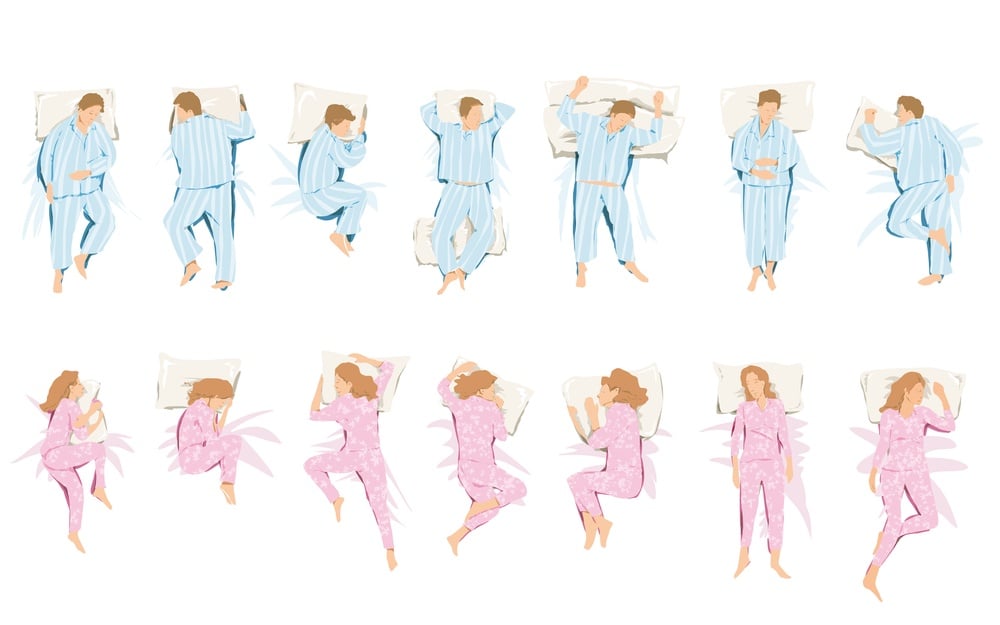
People usually sleep on their back, side, or stomach. Back sleeping keeps the spine straight but may strain the neck. Side sleeping supports the spine but can hurt shoulders or hips. Stomach sleeping often twists the neck and back.
Impact On Different Joints
Back sleepers may feel strain in the lower back and neck. Side sleepers often put pressure on the shoulders and hips. Stomach sleepers risk stress on the neck and lower back. Each joint reacts differently to these pressures.
Pressure Points And Discomfort
Pressure points form where joints press against the mattress. These spots can cause numbness or pain. Common pressure points include shoulders, hips, knees, and ankles. Using pillows can reduce pressure and improve comfort.

Side Sleeping And Joint Stress
Side sleeping is one of the most common sleep positions. It can affect joint stress in many ways. This position changes how pressure is placed on your hips, shoulders, and spine. Understanding these effects helps protect your joints from pain and damage.
Benefits For Hip And Shoulder Pain
Sleeping on your side can reduce pain in hips and shoulders. It keeps the spine straight and lessens pressure on these joints. This position helps blood flow better, reducing stiffness. People with arthritis often find relief by side sleeping.
Risks Of Incorrect Alignment
Wrong side sleeping posture can cause joint stress. Twisting the spine or letting hips drop causes pain. Poor alignment can lead to shoulder numbness or hip stiffness. Over time, this stress may cause inflammation and worsen joint problems.
Tips For Proper Support
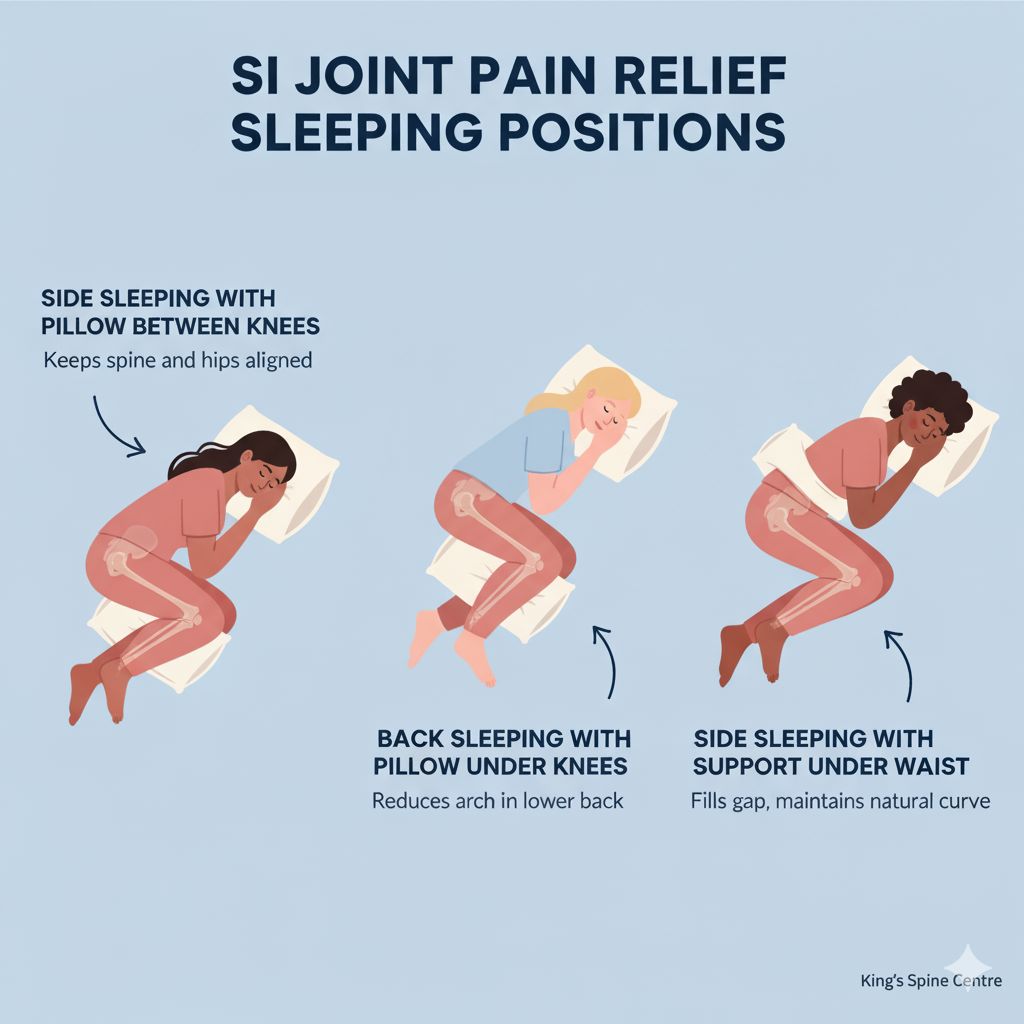
Use a firm mattress to keep your body supported. Place a pillow between your knees to align hips correctly. Choose a pillow that keeps your head level with your spine. Stretch gently before sleeping to relax your joints.
Back Sleeping And Joint Relief
Sleeping on your back offers a natural way to reduce joint stress. It helps keep your body aligned and eases pressure on key joints. This position supports the spine and knees, which often suffer from poor sleep posture.
Spine And Knee Alignment
Back sleeping keeps the spine in a neutral position. This alignment helps prevent back pain and joint stiffness. Knees also stay straight, reducing strain on the joints. Proper alignment lowers the risk of discomfort and injury over time.
Using Pillows Effectively
Place a pillow under your knees for better joint support. This small lift helps reduce pressure on the lower back. A thin pillow under the neck maintains natural spine curves. Pillows can make back sleeping more comfortable and joint-friendly.
Avoiding Excessive Pressure
Distribute body weight evenly on the mattress. Avoid hard surfaces that increase joint pressure. Use a mattress with good support to reduce stress on hips and shoulders. Proper pressure relief promotes joint health and better sleep quality.
Stomach Sleeping Challenges
Sleeping on your stomach can create problems for your joints and neck. This position forces your head to turn to one side. It puts extra pressure on your spine and joints. Over time, this stress can cause pain and discomfort. Understanding these challenges helps in finding better sleep habits.
Strain On Neck And Joints
Stomach sleeping twists your neck unnaturally. This twist strains the muscles and joints in your neck. It can lead to stiffness and soreness in the morning. The spine loses its natural curve, causing back pain. Pressure on joints increases, making it harder to stay pain-free.
Alternatives To Reduce Stress
Try sleeping on your side or back instead. These positions keep your spine aligned naturally. Use a pillow that supports your neck well. Avoid heavy or thick pillows that push your head too far up. These changes reduce joint and neck stress during sleep.
Adjustments For Comfort
If you must sleep on your stomach, make some changes. Use a very thin pillow or no pillow at all. Place a pillow under your pelvis to ease lower back pressure. Keep your head centered to avoid turning it too far. Small changes help reduce pain and improve comfort.
Choosing The Right Mattress And Pillows
Choosing the right mattress and pillows plays a key role in reducing joint stress during sleep. The right support helps keep your body aligned and eases pressure on joints. This section explains mattress types, pillow placement, and how to customize your sleep setup for joint relief.
Supportive Mattress Types
A mattress that supports your body shape reduces joint pain. Memory foam mattresses contour to your body. They help distribute weight evenly and cushion joints. Latex mattresses offer firm support and bounce. Hybrid mattresses combine coils and foam for balanced comfort. Avoid mattresses that are too soft or too hard. They can increase joint strain and cause discomfort.
Pillow Placement For Joint Relief
Pillows help keep your spine and joints aligned. Place a pillow under your knees if you sleep on your back. This reduces lower back and knee pressure. Side sleepers should hug a pillow to support the arm and shoulder. Use a pillow between your knees to keep hips aligned. Proper pillow placement prevents joint twisting and pain during sleep.
Customizing Sleep Setup
Everyone’s body is different. Adjust your mattress and pillows to fit your needs. Try different pillow thicknesses and firmness levels. Use extra cushions to support aching joints. Change your mattress if it causes pain. Testing your sleep setup helps find the best comfort and joint relief.
Expert Tips To Alleviate Joint Pain
Joint pain can make sleep uncomfortable and restless. Small changes before bed ease this pain significantly. Simple habits protect joints and improve sleep quality. Follow expert tips to reduce joint stress and enjoy better rest.
Stretching Before Bed
Stretching relaxes muscles and eases joint stiffness. Focus on gentle moves that target tight areas. Try stretches for knees, hips, and shoulders. This increases blood flow and reduces pain. Spend five to ten minutes stretching each night.
Maintaining Good Posture
Good posture supports joints during sleep. Avoid positions that twist or press on joints. Use pillows to keep your spine aligned. Sleeping on your back or side often helps. Keep legs slightly bent to reduce joint pressure.
When To Seek Professional Help
Persistent joint pain needs expert advice. See a doctor if pain lasts more than a few weeks. Sudden swelling or severe pain also requires medical attention. Professionals can suggest treatments or therapies for relief. Don’t ignore signs that your joints need care.
Frequently Asked Questions
How Does Sleep Position Impact Joint Pain?
Your sleep position affects joint alignment and pressure. Poor positions increase stress on joints, causing pain and stiffness. Proper posture reduces joint strain and promotes healing during sleep.
Which Sleep Position Reduces Joint Stress Most?
Sleeping on your back with a pillow under knees best reduces joint stress. This position evenly distributes body weight and maintains spinal alignment, minimizing joint strain.
Can Side Sleeping Cause Joint Problems?
Side sleeping can cause joint pressure, especially on hips and shoulders. Using supportive pillows can help align joints and reduce discomfort.
Does Stomach Sleeping Worsen Joint Stress?
Stomach sleeping twists the spine and puts pressure on joints. It often leads to increased joint pain and discomfort over time.
Conclusion
Choosing the right sleep position helps reduce joint stress. It supports your body and eases pain. Side sleeping with a pillow between knees often works best. Avoid positions that twist or strain your joints. Small changes can improve your comfort and health.
Pay attention to how you feel after sleep. Good habits lead to better rest and less joint pain. Try adjusting your position tonight for a softer morning. Sleep well, move better, live easier.