
As an Amazon Associate I earn from qualifying purchases.
Have you ever wondered what really happens inside your brain after that first sip of coffee? You might think caffeine just wakes you up, but it does much more than that.
Understanding how caffeine affects your brain can help you make smarter choices about your daily energy boost. You’ll discover the surprising ways caffeine influences your mood, focus, and even your memory. Keep reading to unlock the secrets behind your favorite pick-me-up and learn how to use it to your advantage.
Quick Navigation
Caffeine And Brain Chemistry
Caffeine changes how the brain works by affecting its chemicals. It works mainly by changing signals that nerve cells send to each other. These signals use chemicals called neurotransmitters.
The effect of caffeine on brain chemicals can make you feel more awake and alert. It also helps improve focus and reduce tiredness. Let’s explore how caffeine interacts with brain chemicals.
Interaction With Neurotransmitters
Caffeine affects several important neurotransmitters in the brain. It increases the levels of dopamine, a chemical linked to pleasure and motivation. This rise can improve mood and alertness.
It also influences norepinephrine, which helps the brain respond to stress and stay alert. These changes lead to better attention and quicker reactions.
Impact On Adenosine Receptors
Adenosine is a chemical that makes you feel tired. It binds to receptors in the brain and slows down nerve activity. Caffeine blocks these adenosine receptors.
By blocking adenosine, caffeine stops the brain from feeling sleepy. This keeps nerve cells active and increases brain activity. The result is a feeling of wakefulness and reduced fatigue.
Boosts In Mental Performance
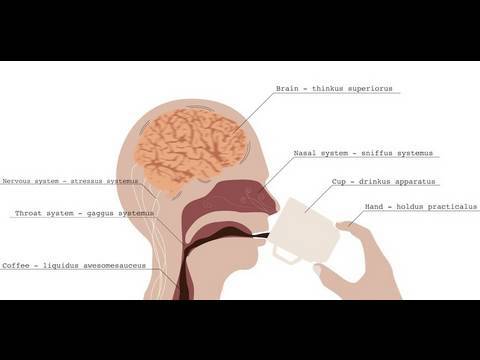
Caffeine is a natural stimulant that affects the brain in several ways. It can improve how well the brain works. This leads to better mental performance. Many people use caffeine to feel more awake and alert. It also helps with focus and memory. Understanding these effects helps explain why caffeine is so popular.
Let’s explore how caffeine boosts mental performance. We will look at alertness, focus, memory, and learning.
Enhanced Alertness And Focus
Caffeine blocks a chemical called adenosine in the brain. Adenosine makes you feel tired. By blocking it, caffeine reduces tiredness. This helps you feel more awake and alert. Your brain sends signals faster, improving focus. Tasks seem easier to handle. This effect usually starts within minutes after drinking caffeine. It helps during long work or study sessions.
Improved Memory And Learning
Caffeine can boost memory by increasing brain activity. It helps the brain store new information better. People remember things more clearly after caffeine intake. It also improves learning speed. This happens because caffeine increases the release of certain brain chemicals. These chemicals support communication between brain cells. This makes it easier to learn and recall information.
Mood And Emotional Effects
Caffeine affects the brain in many ways, especially mood and emotions. It can change how we feel by influencing brain chemicals. These changes impact energy, alertness, and emotional balance. Understanding these effects helps manage caffeine use for better mood control.
Reduction In Depression Symptoms
Caffeine may help reduce signs of depression in some people. It boosts dopamine and serotonin, chemicals linked to happiness. This lift in brain chemicals can improve mood and motivation. Many studies find regular caffeine users report fewer depression symptoms. The effect is mild but can be helpful for some.
Anxiety And Nervousness Risks
Too much caffeine can cause anxiety and nervous feelings. It increases adrenaline, which triggers the body’s stress response. People may feel restless, shaky, or worried after high caffeine intake. Sensitive individuals often experience these effects even with small amounts. Controlling caffeine helps avoid mood swings and anxiety spikes.
Sleep Disruption And Fatigue
Caffeine is well-known for boosting energy and focus. It blocks the brain’s chemical that makes you feel sleepy. This can help you stay awake but may also cause problems with sleep. Over time, caffeine use can lead to tiredness and fatigue despite its energizing effects.
Effects On Sleep Quality
Caffeine reduces the total amount of deep sleep. It delays the time it takes to fall asleep. The brain stays more alert, making rest less refreshing. Even caffeine taken six hours before bedtime can disrupt sleep. Poor sleep quality affects mood, memory, and thinking skills.
Consequences Of Overconsumption
Too much caffeine causes constant tiredness. The brain adapts by needing more caffeine to feel awake. This cycle worsens sleep and increases fatigue. Overuse can lead to headaches, irritability, and trouble concentrating. Rest becomes harder, leading to more caffeine use and ongoing fatigue.
Long-term Brain Health
Long-term brain health depends on many factors, including diet and lifestyle choices. Caffeine is one of the most common substances people consume daily. It affects the brain in both positive and negative ways over time. Understanding these effects helps make smarter choices about caffeine use.
Potential Neuroprotective Benefits
Caffeine may protect brain cells from damage. Studies suggest it lowers the risk of diseases like Parkinson’s and Alzheimer’s. It works by blocking certain brain receptors and reducing inflammation. Regular, moderate caffeine intake may support memory and thinking skills. The antioxidant properties in coffee and tea also help protect brain tissue.
Risks Of Dependence And Withdrawal
Regular caffeine use can lead to dependence. The brain starts to rely on caffeine to function normally. Stopping caffeine suddenly may cause withdrawal symptoms like headaches and tiredness. Dependence can affect mood and focus over time. Limiting caffeine intake can reduce these risks and keep brain function balanced.

Individual Differences In Response
People react to caffeine in many different ways. Some feel alert and focused quickly. Others may feel anxious or jittery. These differences come from many factors. Understanding these can help explain why caffeine affects the brain uniquely for each person.
Genetic Factors
Genes play a big role in caffeine response. Some people have genes that break down caffeine fast. Others process it slowly. This affects how long caffeine stays in the body.
Variations in genes also influence caffeine sensitivity. Some may feel alert with small amounts. Others need more caffeine for the same effect. Genes also affect how caffeine impacts mood and sleep.
Tolerance And Sensitivity Levels
Regular caffeine use changes how the brain reacts. Over time, people build tolerance. This means they need more caffeine to feel awake.
New users may feel strong effects quickly. Frequent users may feel little or no effect. Sensitivity varies by person and changes with use. Sleep, stress, and health also affect sensitivity to caffeine.
Frequently Asked Questions
How Does Caffeine Improve Brain Function?
Caffeine blocks adenosine receptors, reducing tiredness. It boosts alertness, focus, and cognitive performance temporarily. This makes tasks easier and enhances mental clarity.
Can Caffeine Cause Anxiety Or Jitters?
Yes, high caffeine intake can increase anxiety and cause jitters. Sensitivity varies, so moderate consumption is recommended to avoid these effects.
How Long Does Caffeine Stay In The Brain?
Caffeine’s effects typically last 3 to 5 hours. Its half-life varies by individual, influenced by age, metabolism, and health factors.
Does Caffeine Affect Memory And Learning?
Caffeine can enhance short-term memory and learning by increasing brain alertness. However, excessive use might impair sleep, negatively impacting memory consolidation.
Conclusion
Caffeine boosts alertness and mood by stimulating the brain. It can improve focus but may cause jitters or sleep problems. Everyone reacts to caffeine differently, so listen to your body. Moderate use often helps, but too much can harm. Understanding caffeine’s effects helps you make smarter choices daily.
Balance is key for enjoying caffeine safely and effectively.