
As an Amazon Associate I earn from qualifying purchases.
Have you ever woken up feeling tired, even after a full night’s sleep? The hidden culprit might be closer than you think—dust and allergens in your bedroom.
These tiny invaders can quietly disrupt your sleep, leaving you restless and drained. Imagine breathing easy and waking up refreshed every morning. You’ll discover how dust and allergens affect your sleep quality and simple steps you can take tonight to protect your rest.
Keep reading, because better sleep is just a few changes away.
Quick Navigation
Sources Of Dust And Allergens
Dust and allergens come from many places inside and outside your home. They can gather on furniture, floors, and bedding. These tiny particles float in the air and can settle on surfaces. Breathing them in can cause sneezing, coughing, and itchy eyes. These reactions make it hard to fall and stay asleep.
Common Indoor Allergens
Indoor allergens include pet dander, mold spores, and pollen. Pet dander comes from the skin, fur, and saliva of cats and dogs. Mold grows in damp places like bathrooms and basements. Pollen can enter through open windows or on clothes. These allergens linger in the air and on fabrics.
Dust Mites And Their Habitats
Dust mites are tiny bugs that live in homes. They thrive in warm, humid places. Bedding, mattresses, and upholstered furniture are perfect homes for dust mites. They feed on dead skin cells from humans and pets. Dust mite droppings cause allergic reactions and disrupt sleep.
Outdoor Allergens Impacting Sleep
Outdoor allergens include pollen from trees, grasses, and weeds. These particles drift inside through windows and doors. Seasonal changes increase pollen in the air. Pollution and smoke can also irritate the lungs. These allergens worsen breathing and cause restless nights.
Effects On Respiratory Health
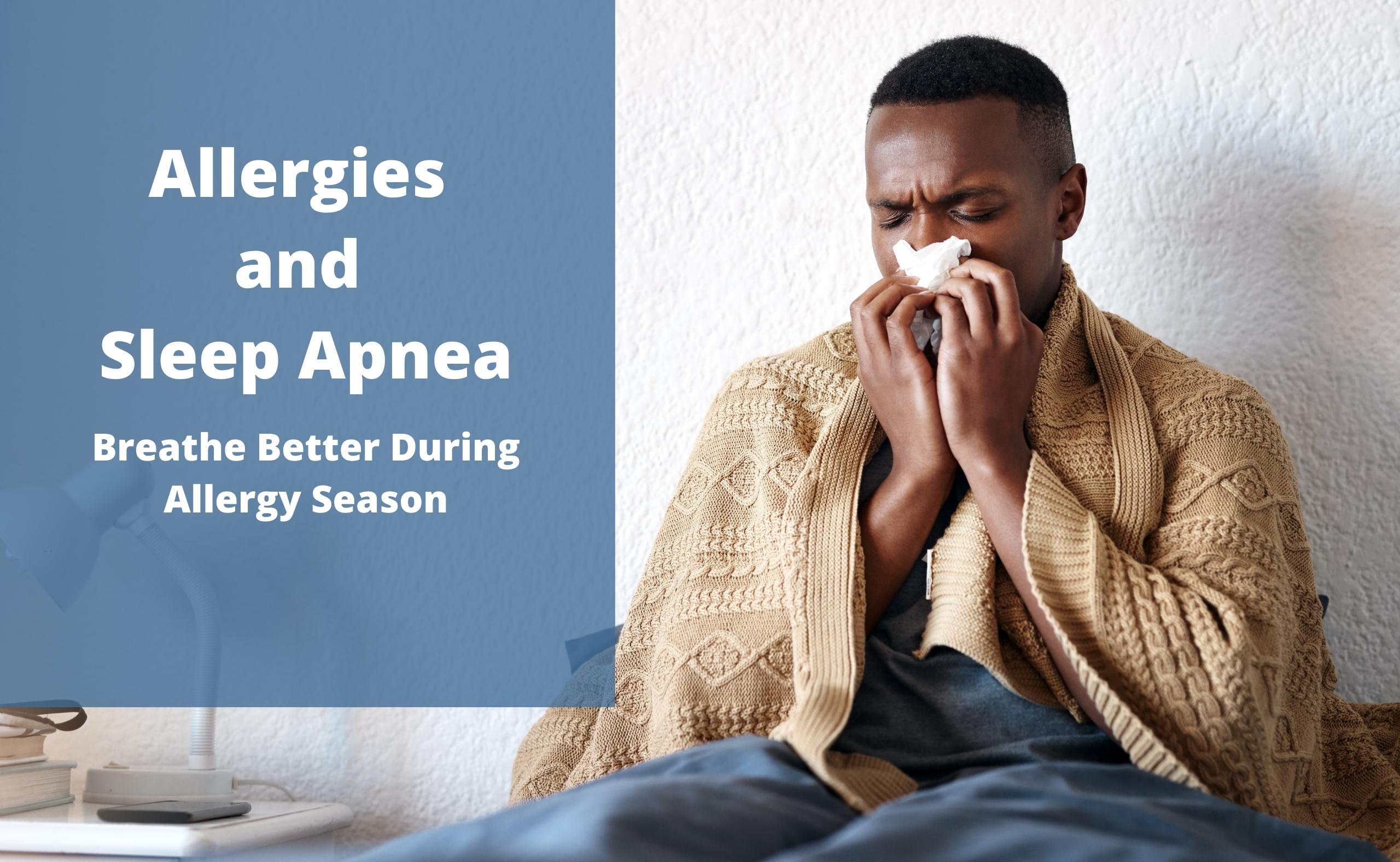
Dust and allergens in the bedroom affect respiratory health during sleep. They can cause irritation and inflammation in the airways. This disruption often leads to poor sleep quality and discomfort. Understanding these effects helps in managing a healthier sleep environment.
Allergic Reactions During Sleep
Allergens in dust trigger allergic reactions while you sleep. The immune system reacts by releasing histamines. This causes itching, sneezing, and watery eyes. These symptoms disturb sleep and cause frequent awakenings. The body struggles to rest fully due to these reactions.
Nasal Congestion And Breathing Difficulties
Dust allergens often lead to nasal congestion at night. Blocked nasal passages make breathing hard. Mouth breathing increases, which can dry the throat. Poor airflow reduces oxygen intake during sleep. This may cause snoring and restless nights.
Asthma And Sleep Disruption
Dust mites and allergens worsen asthma symptoms at night. Asthma attacks can become more frequent and severe. Tightness in the chest and wheezing disturb sleep deeply. Interrupted sleep lowers energy and affects daily life. Managing allergens reduces asthma-related sleep problems.
Impact On Sleep Quality
Dust and allergens in your bedroom can harm your sleep quality in many ways. These tiny particles irritate your airways and cause allergic reactions. Your body struggles to rest fully and deeply. This disturbance affects not only how long you sleep but also how well you feel the next day.
Frequent Nighttime Awakenings
Allergens trigger sneezing, coughing, and a runny nose. These symptoms often wake you up during the night. Each time you wake, your sleep cycle breaks. You lose the chance to rest deeply. This leads to a restless night and tired mornings.
Reduced Rem And Deep Sleep
REM and deep sleep stages are vital for body repair and memory. Dust and allergens reduce the time spent in these stages. Your brain does not rest well. Body healing slows down. This makes you feel less refreshed after sleep.
Daytime Fatigue And Cognitive Impairment
Poor sleep affects your energy and focus. Allergens cause sleep interruptions that reduce sleep quality. This leads to daytime tiredness and trouble concentrating. Tasks feel harder, and your mood may suffer. Overall, allergens harm your daily performance and well-being.

Identifying Allergen Triggers At Home
Identifying allergen triggers at home is key to better sleep. Many people do not realize that dust and allergens hide in plain sight. These tiny particles cause sneezing, coughing, and restless nights. Finding out what causes allergies helps reduce symptoms and improve rest. Start by checking your bedroom carefully. Small changes can make a big difference.
Signs Of Dust And Allergen Presence
Dust and allergens show clear signs in your home. You might see dust on surfaces and in corners. Sneezing or itchy eyes after being in the room is a strong clue. Coughing or wheezing at night also hints at allergens. Notice if symptoms worsen in certain areas. These signs help locate the source of allergy problems.
Allergy Testing And Monitoring
Simple allergy tests help identify specific triggers. Skin or blood tests can find your allergens. Some home kits also check dust and mold. Use air quality monitors to measure particles in the air. These tools show how much dust or mold is present. Tracking allergens over time points out patterns and helps plan cleaning.
Common Bedroom Culprits
The bedroom holds many allergy triggers. Dust mites live in mattresses, pillows, and blankets. Pet dander settles on furniture and floors. Mold grows in damp corners and windowsills. Fabrics and carpets collect dust easily. Reducing these culprits improves air quality and sleep comfort. Regular cleaning and using allergen-proof covers help a lot.
Strategies To Minimize Exposure
Reducing dust and allergens in the bedroom helps improve sleep quality. Simple steps can lower exposure and create a cleaner space. Focus on cleaning, air quality, and bedding choices. These strategies work together to make your sleep environment healthier.
Effective Cleaning Techniques
Regular cleaning removes dust and allergens from surfaces. Use a vacuum with a HEPA filter to trap tiny particles. Dust with a damp cloth to avoid spreading dust in the air. Clean floors, carpets, and furniture at least once a week. Wash curtains and rugs often to remove allergens. Keep clutter low to reduce dust buildup. Clean air vents and fans to prevent dust circulation.
Using Air Purifiers And Filters
Air purifiers help remove dust and allergens from the air. Choose a purifier with a HEPA filter for best results. Place the purifier near your bed to clean the air you breathe. Change filters regularly to keep the purifier effective. Use air filters in your HVAC system to trap more particles. Keep windows closed during high pollen seasons to reduce allergens inside.
Hypoallergenic Bedding And Furniture Choices
Choose hypoallergenic pillows and mattress covers to block dust mites. Use washable bedding and wash it weekly in hot water. Avoid heavy fabrics that trap dust, like velvet or corduroy. Select furniture made from smooth materials, such as leather or wood. These surfaces do not hold dust as much as fabric. Keep pets out of the bedroom to reduce dander and allergens. Simple changes in bedding and furniture can lower allergen levels significantly.

Lifestyle Changes For Better Sleep
Dust and allergens can make sleep hard and restless. Changing daily habits can help improve sleep quality. Simple lifestyle changes reduce allergens and create a calm sleep space. These steps help you breathe easier and sleep better.
Maintaining Ideal Bedroom Environment
Keep your bedroom clean and dust-free. Use a vacuum with a HEPA filter to remove dust. Wash bed sheets and pillowcases weekly in hot water. Remove carpets and heavy curtains that trap dust. Use an air purifier to reduce airborne allergens. Keep windows closed during high pollen seasons. Keep pets out of the bedroom to limit dander. Maintain moderate room temperature and low humidity.
Managing Allergies With Medications
Over-the-counter allergy medicines can reduce symptoms. Antihistamines help stop sneezing and runny nose. Nasal sprays reduce inflammation and open nasal passages. Take medicines before bedtime to improve sleep. Use eye drops if allergies cause itchy eyes. Always follow the instructions on the label. Talk to a pharmacist to choose the right medicine.
When To Seek Professional Help
See a doctor if allergies keep you awake often. A specialist can test for specific allergens. They may suggest stronger medicines or allergy shots. Sleep studies check for other sleep problems. Professional advice helps find the best treatment. Don’t ignore long-term sleep issues linked to allergies.
Frequently Asked Questions
How Do Dust Mites Affect Sleep Quality?
Dust mites trigger allergic reactions, causing sneezing and congestion. This disrupts breathing and leads to restless, poor-quality sleep. Reducing dust mites helps improve sleep comfort and duration.
Can Allergens Cause Nighttime Breathing Problems?
Yes, allergens like pollen and pet dander can inflame airways. This causes coughing, wheezing, and difficulty breathing at night. Managing allergens reduces sleep disturbances and promotes better breathing.
What Are Common Allergens That Disrupt Sleep?
Common sleep-disrupting allergens include dust mites, mold spores, pet dander, and pollen. These irritate the respiratory system and cause allergic symptoms. Identifying and minimizing exposure can enhance sleep quality.
How To Reduce Dust In The Bedroom Effectively?
Regular cleaning, vacuuming with HEPA filters, and using allergen-proof mattress covers reduce dust. Keeping windows closed during high pollen times also helps. These steps lower allergen levels and improve sleep.
Conclusion
Dust and allergens can make sleep hard and restless. They cause sneezing, coughing, and itchy eyes at night. This stops the body from relaxing fully. Cleaning your bedroom often helps reduce these problems. Using air filters can also clear the air you breathe.
Good sleep supports better health and mood. Take steps now to keep your sleep peaceful and deep. A clean, allergen-free room makes a big difference. Sleep well, feel better every day.