
As an Amazon Associate I earn from qualifying purchases.
Have you ever felt tired even after a full night’s sleep? That’s often your body telling you about something called sleep debt.
But how does this hidden debt actually show up in your sleep data? Understanding this can help you take control of your rest and feel more energized every day. You’ll discover the clear signs of sleep debt in your sleep patterns and learn how to spot them easily.
Keep reading, and you’ll unlock the secrets your sleep tracker isn’t telling you—so you can finally get the rest you deserve.

Quick Navigation
Sleep Debt Basics
Sleep debt happens when you do not sleep enough over time. It builds up like a balance you owe your body. Your body needs rest to work well each day. Without enough sleep, your energy and focus drop. Sleep debt shows clearly in your sleep data. Understanding it helps improve your sleep habits.
Tracking sleep debt can guide you to better health. Sleep data reveals how much rest you miss. It shows patterns that cause tiredness. Knowing the basics helps you make changes.
What Is Sleep Debt
Sleep debt is the difference between needed sleep and actual sleep. For example, if you need 8 hours but get 6, you owe 2 hours. These hours add up over days or weeks. The more sleep you miss, the bigger the debt. Your body tries to recover lost sleep when it can.
Sleep debt affects your mood, memory, and health. It makes you feel tired and less alert. Sleep data tracks this by comparing sleep time to targets. It helps you see how much sleep you miss regularly.
Causes Of Sleep Debt
Many things cause sleep debt. Staying up late for work or fun is one cause. Stress and anxiety can also reduce sleep time. Poor sleep habits like irregular schedules add to debt. Some health problems make it hard to sleep enough.
Technology use before bed often delays sleep. Noise, light, and uncomfortable beds reduce sleep quality too. All these factors show up in sleep data as reduced rest. Identifying causes helps you fix sleep debt early.
Tracking Sleep Data
Tracking sleep data helps you understand your sleep debt clearly. It shows how much rest you miss over time. This data guides you to better sleep habits. Monitoring sleep patterns can reveal hidden problems affecting your health.
Common Sleep Metrics
Sleep data includes several key measurements. Total sleep time shows how many hours you sleep each night. Sleep efficiency measures the percentage of time spent asleep while in bed. Sleep latency tracks how long it takes to fall asleep. Wake after sleep onset records periods awake during the night. Deep sleep and REM sleep stages indicate the quality of rest.
Tools For Monitoring Sleep
Various tools help track sleep data easily. Wearable devices like smartwatches measure heart rate and movement. Sleep apps use phone sensors to estimate sleep stages. Some devices connect with other health trackers for detailed reports. These tools help spot patterns and build a clear sleep picture.
Signs Of Sleep Debt In Data
Sleep debt leaves clear marks in your sleep data. It reveals itself through several key signs. These signs help you spot if your body needs more rest. Tracking them can guide you to better sleep habits and health.
Reduced Sleep Duration
One main sign of sleep debt is shorter sleep duration. Your sleep tracker shows fewer total hours asleep. Less sleep means your body misses essential recovery time. Over time, this lack adds up and worsens your sleep debt.
Increased Sleep Latency
Sleep latency is the time it takes to fall asleep. Sleep debt often causes this time to increase. Your data will show longer delays before you enter deep sleep. This means your mind or body struggles to relax and rest.
Fragmented Sleep Patterns
Sleep debt can make your sleep fragmented and restless. Data will show frequent awakenings or shifts between sleep stages. This breaks the natural sleep cycle and reduces sleep quality. Fragmented sleep leaves you tired even after enough hours.

Hidden Patterns To Watch
Sleep debt does not always show up clearly in daily rest hours. It often hides in subtle patterns within your sleep data. Watching these hidden clues helps you understand how your body struggles to recover. Recognizing these signs early can guide better sleep habits.
Irregular Sleep Cycles
Sleep cycles repeat every 90 minutes. Missing parts of these cycles leads to tiredness. Irregular bedtimes break this natural rhythm. Your data may show uneven cycle lengths or disruptions. This irregularity adds up to sleep debt silently.
Changes In Rem And Deep Sleep
REM and deep sleep are the most restorative stages. A drop in REM or deep sleep suggests poor recovery. Sleep debt often lowers the time spent in these stages. Tracking these changes helps spot hidden fatigue. Restoring these stages is key to feeling refreshed.
Weekday Vs Weekend Variations
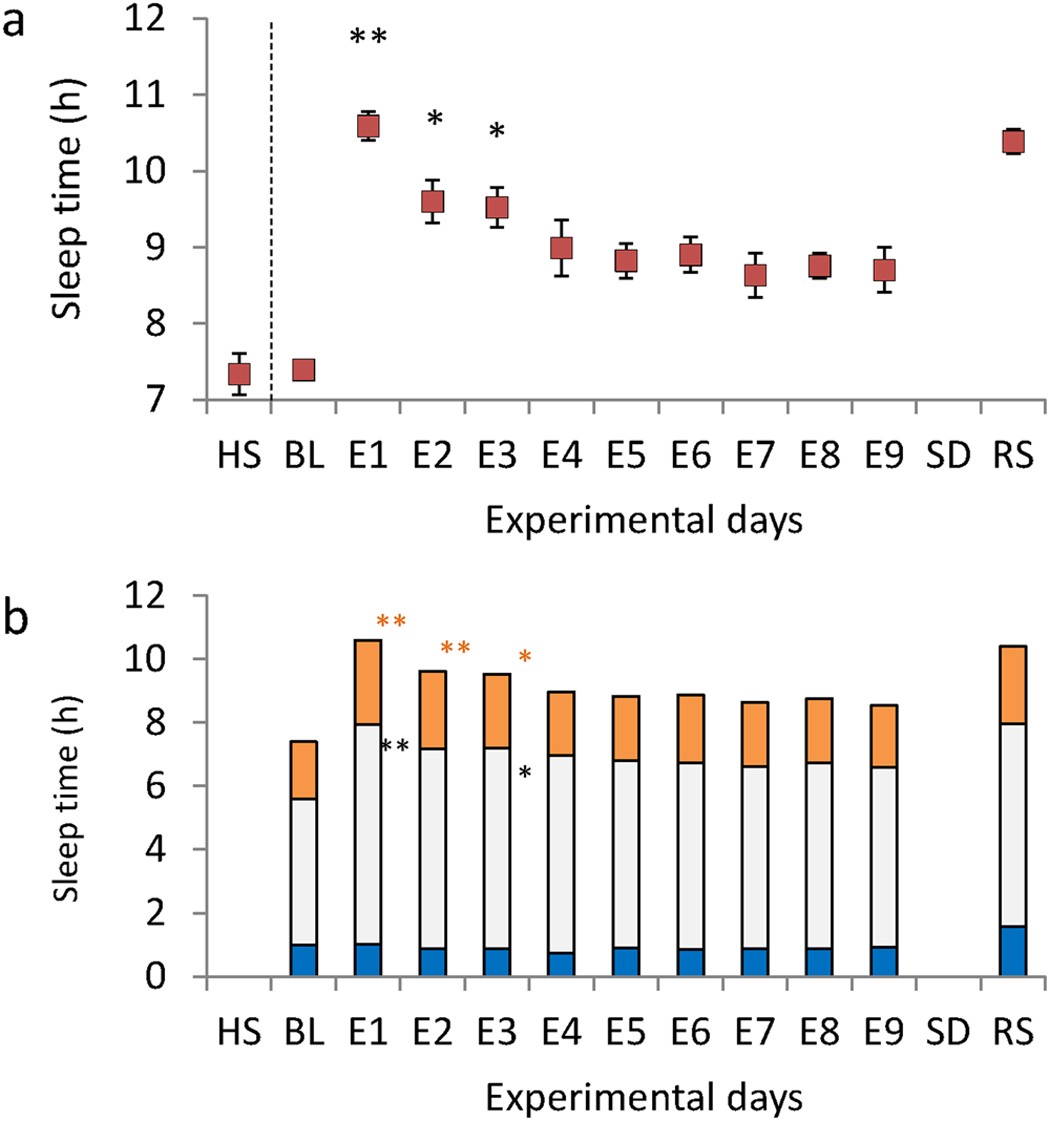
Many people sleep less on weekdays and catch up on weekends. This pattern shows as longer sleep durations on Saturdays and Sundays. Big differences between weekday and weekend sleep hint at built-up debt. Consistent sleep schedules reduce this hidden burden.
Impact On Daily Performance
Sleep debt affects more than just how tired you feel. It changes how your body and brain work each day. Tracking sleep data reveals patterns that impact daily tasks and overall performance. Understanding these effects helps you see why catching up on sleep matters.
Cognitive Effects
Sleep debt slows down your thinking and memory. Your brain takes longer to process information. Making decisions becomes harder. Concentration fades quickly during work or study. Problem-solving skills drop, causing mistakes. Sleep data often shows less deep sleep, linked to weaker brain function.
Mood And Energy Levels
When sleep debt builds up, mood worsens. Irritability and stress increase. You feel less motivated and more anxious. Energy levels stay low throughout the day. Small tasks seem harder and more tiring. Sleep data can highlight restless nights that lead to these feelings.
Strategies To Reduce Sleep Debt
Reducing sleep debt improves how you feel and function daily. Sleep debt builds up when you miss sleep over several days. It shows in your sleep data as shorter sleep times and poor sleep quality. Taking steps to reduce sleep debt helps restore your energy and focus.
Consistent Sleep Schedule
Going to bed and waking up at the same time each day helps balance your sleep. Your body adapts to a routine, making it easier to fall asleep. This regularity reduces sleep debt over time. Even on weekends, keep your sleep schedule steady.
Napping And Recovery
Short naps can help make up for lost sleep. Aim for 20 to 30 minutes to avoid feeling groggy. Naps boost alertness and improve mood. Use naps as a tool to recover from sleep debt without disturbing your night sleep.
Lifestyle Adjustments
Healthy habits support better sleep and reduce sleep debt. Avoid caffeine late in the day and limit screen time before bed. Exercise regularly but not too close to bedtime. Create a calm, dark, and quiet sleep environment. These changes help improve your sleep quality and length.
Frequently Asked Questions
What Is Sleep Debt And How Is It Measured?
Sleep debt is the difference between needed and actual sleep time. It shows up as reduced total sleep duration and poor sleep quality in sleep data.
How Does Sleep Debt Affect Sleep Stages?
Sleep debt often reduces deep and REM sleep, seen as shorter durations in sleep stage data. This impacts memory and recovery.
Can Sleep Debt Be Detected Using Wearable Devices?
Yes, wearables track sleep duration and stages, revealing consistent sleep loss patterns. This helps identify and manage sleep debt effectively.
What Are Common Signs Of Sleep Debt In Sleep Reports?
Signs include decreased total sleep time, fragmented sleep, and less restorative deep sleep. These patterns indicate accumulating sleep debt.
Conclusion
Sleep debt affects your body and mind more than you think. It shows up clearly in sleep data charts and numbers. Tracking your sleep helps spot patterns and problems early. Small changes in sleep habits can reduce your debt. Better sleep means better focus, mood, and health overall.
Pay attention to your sleep data. Your body will thank you with more energy and balance. Don’t ignore sleep debt; it builds up fast. Rest well to live well.