
Do you ever wonder why some nights you fall asleep quickly, while other nights you toss and turn? The secret might be hidden in when you choose to exercise.
Timing your workouts just right can make a big difference in how well you sleep. Imagine waking up feeling refreshed and energized every day. You’ll discover how the timing of your exercise affects your sleep quality—and how you can use this knowledge to improve your nights and boost your days.
Keep reading to unlock the simple changes that could transform your rest.
Quick Navigation
Exercise And Sleep Link
Exercise and sleep have a strong connection. How and when you move your body can change how well you rest. Understanding this link helps improve sleep quality and overall health. Regular physical activity affects the body’s rhythms and energy levels. This can lead to deeper, more refreshing sleep at night.
How Physical Activity Affects Sleep
Physical activity raises your heart rate and body temperature. After exercise, your body cools down. This cooling process helps signal your brain to prepare for sleep. Exercise also reduces stress and anxiety. Lower stress levels make it easier to fall asleep and stay asleep. Moving your body tires your muscles. Tired muscles relax more easily at night. This helps to reduce restless sleep and wake-ups.
Benefits Of Exercise For Rest
Exercise improves the time spent in deep sleep. Deep sleep is the most restorative stage. It helps your body repair and recharge. People who exercise regularly often feel more alert during the day. They also report better mood and less daytime sleepiness. Exercise helps regulate sleep patterns. This makes it easier to maintain a steady sleep schedule. Overall, physical activity supports both falling asleep faster and sleeping longer.
Morning Workouts
Morning workouts set a positive tone for the entire day. Exercising early wakes up your body and mind. It helps build a healthy routine that supports good sleep at night. The timing of morning exercise plays a big role in how well you rest and feel during the day.
Impact On Sleep Quality
Exercising in the morning can improve sleep quality. It helps regulate your body’s internal clock. This makes falling asleep easier and faster. Morning exercise lowers stress hormones, which helps your body relax at night. People who work out early often report deeper and more restful sleep.
Boosting Daytime Energy
Morning workouts increase your energy for the day ahead. Physical activity wakes up your muscles and brain. It improves focus and mood for several hours. Starting the day with exercise reduces feelings of tiredness. This boost helps you stay active and alert until bedtime.
Afternoon Sessions
Afternoon exercise sessions can affect your sleep in different ways. This time of day offers a chance to boost energy and reduce stress before evening. Many people find afternoon workouts help them feel relaxed and ready for rest later. Understanding how exercise timing impacts sleep can help you choose the best schedule for your body.
Balancing Energy And Rest
Afternoon workouts raise your heart rate and body temperature. This increase boosts alertness and energy. After exercise, your body starts to cool down and relax. This natural cooling helps signal your brain that it is time to rest. Balancing exercise intensity and rest periods is key. Too hard or too close to bedtime can disrupt sleep. Moderate activity in the afternoon supports better sleep quality.
Ideal Timing For Relaxation
The best afternoon workout ends at least three hours before bed. This gap allows your body to calm down fully. Light stretching or yoga after exercise can enhance relaxation. Avoid intense workouts late in the afternoon. They may keep your mind too active to fall asleep easily. Choose a time that fits your routine and lets your body unwind before night.
Evening Exercise Effects
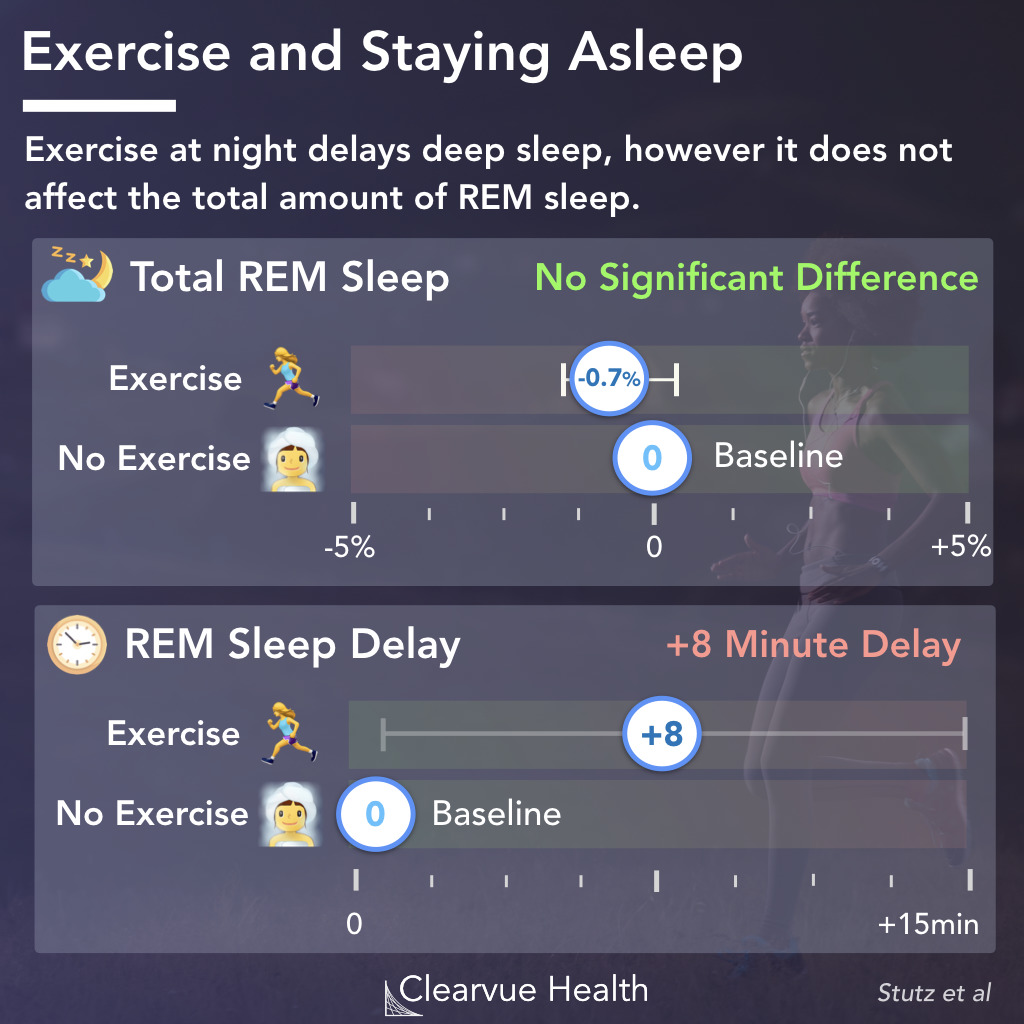
Exercising in the evening has become a popular choice for many people. It can help release stress and improve mood. But the timing of evening workouts can also affect sleep quality. Understanding how evening exercise influences sleep helps you make better choices.
Potential Sleep Disruptions
Evening exercise may cause trouble falling asleep. Physical activity raises body temperature and heart rate. These changes can make it harder to relax. Some people feel more alert after working out late. This alertness can delay sleep onset. The effects vary from person to person. Light exercise may not cause problems. Intense exercise close to bedtime often leads to restless nights.
Managing Intensity And Duration
Choosing the right intensity is key for evening workouts. Moderate exercise allows the body to cool down before sleep. Shorter sessions are easier to fit in without disrupting rest. Avoid heavy or very intense workouts late at night. Ending exercise at least one hour before bed helps. Cooling down with stretching or deep breathing supports relaxation. This balance can improve sleep without losing workout benefits.
Best Times To Exercise
Choosing the best time to exercise can affect how well you sleep at night. Exercise boosts energy and mood, but timing matters. Exercising too close to bedtime might make falling asleep harder. Morning or early afternoon workouts can help your body relax later. Finding the right time depends on your daily routine and body needs.
Personalizing Workout Schedules
Everyone’s body reacts differently to exercise timing. Some feel energized after morning workouts, while others perform better in the evening. Adjust your schedule to fit your lifestyle and energy levels. Try different times and note how your sleep changes. This helps create a workout plan that supports both fitness and rest.
Listening To Your Body’s Clock
Your body has a natural rhythm called the circadian clock. It guides when you feel awake or sleepy. Exercise can shift this rhythm slightly. Morning exercise may boost alertness and mood for the day. Evening workouts can relax muscles but might delay sleep if too intense. Pay attention to how your body reacts and plan workouts accordingly.

Tips For Better Sleep
Good sleep depends on many factors. Exercise timing plays a key role. Along with exercise, certain habits help improve sleep quality. Simple changes can lead to restful nights and better health.
Combining Exercise With Sleep Hygiene
Exercise boosts sleep, but timing matters. Morning or early afternoon workouts help the body relax by bedtime. Avoid intense workouts late at night. They can raise heart rate and delay sleep.
Sleep hygiene includes habits that support good rest. Keep your bedroom dark and cool. Use your bed only for sleep. Avoid screens at least one hour before sleep. These steps prepare your body for deep sleep.
Creating A Relaxing Night Routine
A calm routine signals your brain it’s time to rest. Try reading a book or listening to soft music. Gentle stretches or meditation ease muscle tension. Avoid caffeine or heavy meals late in the day.
Set a consistent bedtime. Going to bed and waking up at the same time helps regulate your sleep cycle. A relaxing routine combined with smart exercise timing promotes better sleep and energy each day.
Frequently Asked Questions
How Does Morning Exercise Affect Sleep Quality?
Morning exercise boosts your body’s natural rhythm. It helps you fall asleep faster and improves deep sleep phases. Early workouts increase daytime energy and reduce nighttime restlessness, promoting better overall sleep quality.
Can Evening Workouts Disrupt My Sleep?
Intense evening workouts can raise heart rate and body temperature, making it harder to fall asleep. However, light to moderate exercise a few hours before bed may not affect sleep negatively. Timing and workout intensity are key factors.
What Is The Best Time To Exercise For Better Sleep?
Exercising in the morning or early afternoon is ideal for better sleep. It aligns with your circadian rhythm and avoids late-night stimulation. This timing helps you relax at night and enhances sleep duration and quality.
Does Exercise Timing Affect Insomnia Symptoms?
Yes, exercising earlier in the day can reduce insomnia symptoms. It helps regulate the sleep-wake cycle and lowers stress levels. Avoid vigorous workouts close to bedtime to prevent sleep disruptions in insomnia sufferers.
Conclusion
Exercise timing plays a big role in how well you sleep. Morning workouts can help you feel more awake during the day. Evening exercise might make it harder to fall asleep. Finding the right time depends on your body and schedule.
Try different times to see what fits you best. Good sleep supports better health and energy. Keep your exercise routine steady and listen to your body. Better sleep starts with smart exercise choices. Small changes can lead to big improvements in rest.

