
As an Amazon Associate I earn from qualifying purchases.
Have you ever wondered how something as simple as gravity can impact your sleep? While you rest, gravity is quietly working on your body in ways you might not expect.
This invisible force affects everything from your blood flow to your spine’s comfort. Understanding how gravity influences your body while you sleep can help you improve your sleep quality and wake up feeling refreshed. Keep reading to discover the surprising effects of gravity on your body and learn how to use this knowledge to sleep better every night.
Quick Navigation
Gravity And Sleep Posture
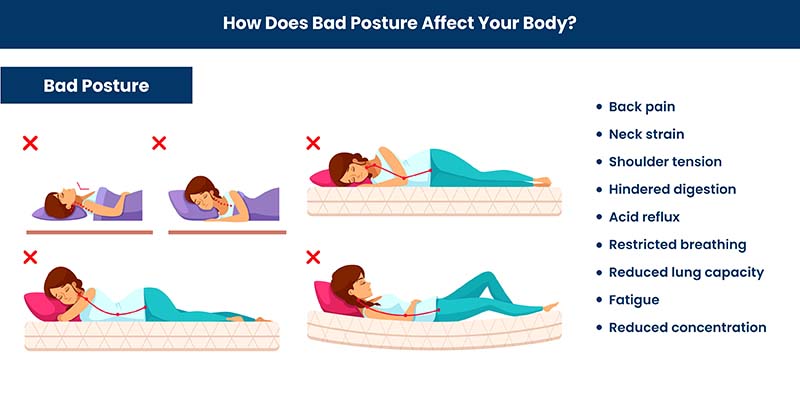
Gravity plays a key role in how the body rests during sleep. It pulls on different parts of the body, affecting posture and comfort. The way you position yourself can either ease or increase pressure on muscles and joints. Understanding gravity’s effect on sleep posture helps improve rest quality and avoid pain.
Impact On Spinal Alignment
Gravity pulls the spine downward, which can cause misalignment during sleep. Sleeping on the back helps keep the spine straight by spreading weight evenly. Side sleeping also supports natural spine curves if the head and neck are aligned. Stomach sleeping can twist the spine, leading to discomfort. Proper support from pillows and mattresses helps counteract gravity’s pull and protect spinal health.
Effects On Blood Circulation
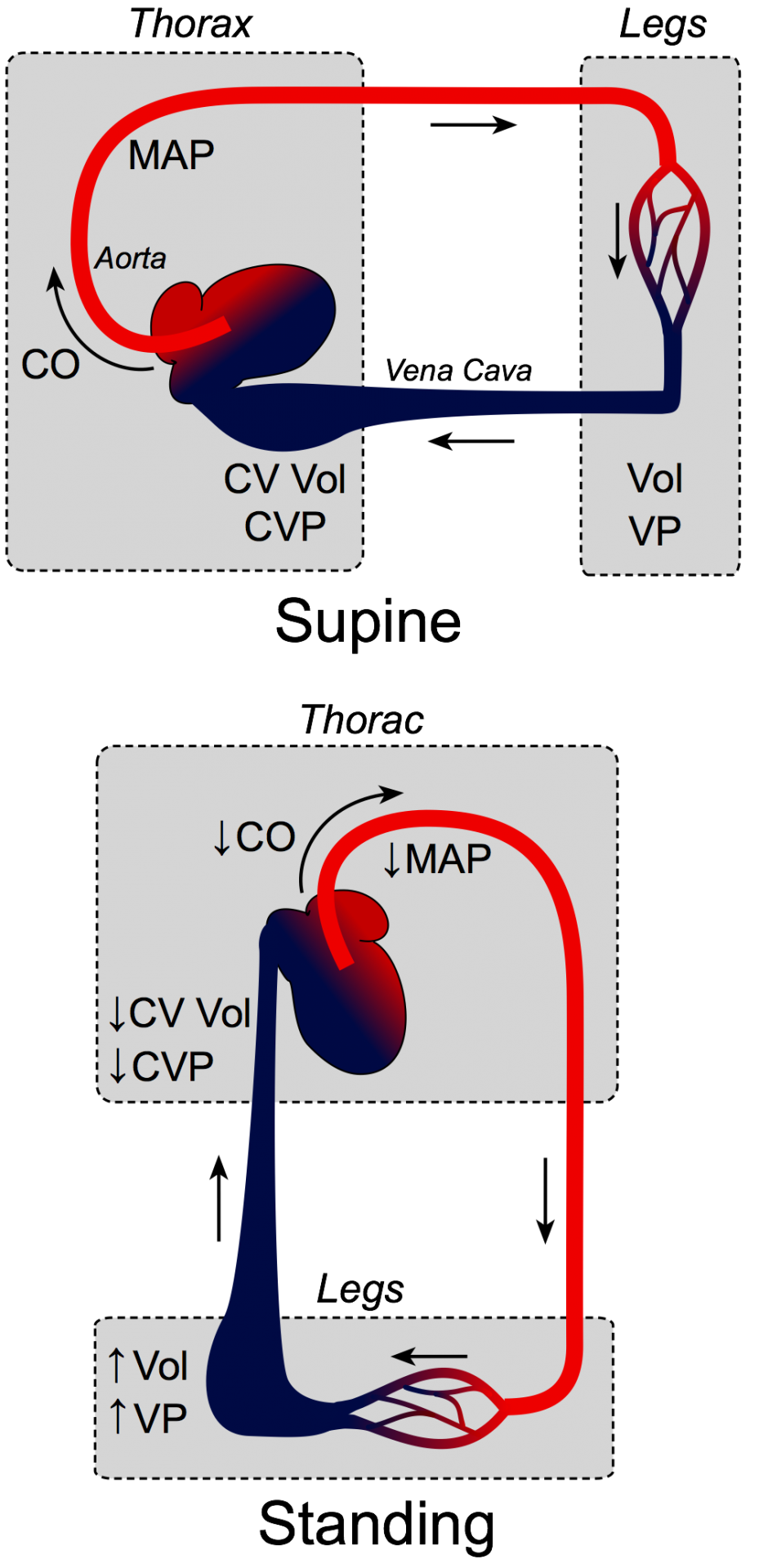
Gravity influences blood flow throughout the body during sleep. Certain positions can restrict blood circulation, causing numbness or tingling. Elevating limbs slightly can improve blood return to the heart. Sleeping flat on the back allows blood to move freely without extra pressure. Poor posture increases pressure on veins and arteries, reducing circulation efficiency. Choosing a good sleep position supports healthy blood flow and reduces swelling.
Gravity’s Role In Respiratory Health
Gravity plays a key role in how our body breathes during sleep. It affects the airways and the ease of breathing. This impact is important for respiratory health. Understanding this helps us see why sleeping positions matter.
Airway Pressure And Breathing
Gravity pulls on the body’s tissues and airways. When lying flat on the back, gravity can cause the tongue and soft tissues to press down. This pressure narrows the airways. Narrower airways make breathing harder. It can also reduce oxygen flow. Breathing becomes less smooth and more effortful.
On the other hand, sleeping on the side can reduce this pressure. The airway stays more open. This helps air move freely. It supports better breathing and oxygen intake. Gravity’s effect on airway pressure is a key factor in how well we breathe during sleep.
Snoring And Sleep Apnea Links
Gravity’s pull can also cause snoring. When tissues fall back, they vibrate as air passes. This vibration causes the snoring sound. Snoring can be more common when lying on the back.
Sleep apnea is a serious condition linked to gravity’s effect. Blocked airways can cause pauses in breathing. These pauses disrupt sleep and lower oxygen levels. Gravity’s role in airway blockage makes sleeping position important for sleep apnea sufferers.
Many doctors suggest side sleeping to reduce snoring and apnea episodes. Gravity’s impact on the airway is a simple but powerful factor in respiratory health during sleep.
Influence On Fluid Distribution
Gravity plays a key role in how fluid moves in our body during sleep. When lying down, gravity changes how blood and fluids settle. This shift can cause fluids to pool in different body parts. Understanding this helps explain common sleep-related issues like swelling and puffiness.
Swelling And Edema During Sleep
Swelling, also called edema, happens when fluids collect in tissues. Gravity slows fluid return from legs and feet while lying flat. This causes legs and ankles to swell overnight. People who stand or sit a lot feel this effect more. Fluid buildup can make the skin tight and uncomfortable.
Sleeping flat reduces the work of heart and veins. But it also allows fluid to spread evenly across the body. Swelling often decreases after standing or walking in the morning. Proper sleep positions help reduce fluid buildup and swelling risks.
Eye Puffiness And Gravity
Gravity also affects fluid around the eyes during sleep. Lying down allows fluid to gather under the eyes. This causes puffiness and dark circles. Thin skin around eyes makes fluid more visible. Poor lymph drainage in this area adds to the problem.
Eye puffiness usually fades after sitting upright. Cold compresses and gentle massage help move the fluid. Sleeping with the head slightly elevated can reduce eye swelling. Gravity’s effect on fluid explains why eyes often look puffy in the morning.
Muscle And Joint Relief In Different Positions
Gravity plays a key role in how the body feels during sleep. Different sleeping positions change how gravity pushes on muscles and joints. This affects comfort and recovery. Understanding this can help reduce pain and improve rest. Let’s explore how gravity impacts muscle and joint relief in various positions.
Pressure Points And Discomfort
Pressure points are areas where the body presses hard against the mattress. Gravity increases pressure on these spots. Common pressure points include shoulders, hips, and knees. Lying on the back spreads weight more evenly. This lowers pressure on joints and muscles.
Side sleeping puts more pressure on the shoulder and hip on the lower side. That can cause discomfort or numbness. Using a pillow between the knees helps reduce pressure on hips and lower back. It keeps the spine aligned with gravity’s pull.
Stomach sleeping puts strain on the neck and lower back. Gravity pulls the spine out of alignment. This can cause muscle tension and joint pain. Choosing a softer mattress or thin pillow can ease some pressure in this position.
Gravity And Muscle Recovery
Gravity affects how well muscles recover during sleep. Lying flat helps blood flow evenly through muscles. This brings oxygen and nutrients to repair tissues. Gravity also helps remove waste products from muscles after a long day.
Elevating legs while lying on the back reduces pressure on lower body joints. This position supports veins and improves circulation. Better blood flow helps muscles heal faster. It also reduces swelling in the ankles and feet.
Changing sleep positions during the night helps muscles relax. It prevents constant pressure on one area. This reduces stiffness and soreness in joints and muscles. Gravity works differently in each position, so variety is good for muscle health.
Gravity’s Effect On Sleep Quality
Gravity plays a quiet but important role in how well we sleep. It affects how our body rests, moves, and recovers through the night. Understanding gravity’s effect on sleep quality can help us see why sleep feels different in certain positions or places.
Deep Sleep And Rem Cycles
Gravity influences blood flow and brain activity during sleep. When lying down, gravity helps blood circulate evenly. This supports deep sleep, the phase where the body repairs itself. Proper blood flow also aids REM cycles, the stage linked to dreaming and memory.
Poor positioning against gravity can disrupt these cycles. This may cause restless nights or less refreshing sleep. Good sleep posture helps maintain steady brain waves and body functions.
Body Temperature Regulation
Gravity affects how heat moves through the body during sleep. Lying flat helps the body cool down naturally. This cooling is important for falling asleep and staying asleep.
If the body is not well aligned with gravity, temperature control can suffer. Overheating or feeling too cold may wake you up. A balanced position helps keep body temperature steady all night long.

Innovations In Sleep Technology
Innovations in sleep technology focus on improving comfort and support. They help the body deal with gravity’s effects during sleep. These new tools aim to reduce pressure points and improve blood flow. This can lead to better rest and less pain.
Gravity-adjusting Mattresses
Gravity-adjusting mattresses change firmness based on body weight and position. They use smart materials that respond to pressure. These mattresses lift and support the body evenly. This reduces stress on joints and muscles. Some models can adjust automatically through sensors. They help keep the spine aligned during sleep. This technology helps sleepers feel lighter and less tense.
Sleep Positioning Devices
Sleep positioning devices guide the body into better sleep postures. They use gentle support to reduce strain from gravity. These devices can be pillows, wedges, or straps. They help prevent the body from sinking too much. This keeps the airways open and eases breathing. Positioning devices also reduce tossing and turning. They support healthy blood circulation and reduce swelling.
Frequently Asked Questions
How Does Gravity Influence Blood Circulation During Sleep?
Gravity affects blood flow by pulling it downward. When lying flat, circulation evens out, reducing strain on the heart. Proper sleep posture helps maintain healthy blood flow and prevents pooling in the legs, promoting overall cardiovascular health.
Can Gravity Impact Spinal Alignment While Sleeping?
Yes, gravity can affect spinal alignment. Sleeping positions that support natural spine curves reduce pressure and discomfort. Using supportive mattresses and pillows helps counteract gravity’s pull, ensuring better posture and preventing back pain during sleep.
Does Gravity Affect Breathing Patterns During Sleep?
Gravity influences breathing by impacting airway openness. Sleeping flat can cause airway narrowing, leading to snoring or sleep apnea. Elevating the head slightly helps keep airways open, improving airflow and enhancing sleep quality.
How Does Gravity Affect Muscle Relaxation At Night?
Gravity aids muscle relaxation by reducing tension in supported positions. Proper alignment allows muscles to rest fully, preventing stiffness. Poor posture under gravity’s influence can cause muscle strain, affecting sleep comfort and recovery.
Conclusion
Gravity affects your body every night while you sleep. It pulls blood and fluids toward your head and feet. This can cause swelling or discomfort if you lie in one position too long. Choosing the right mattress and pillow helps support your body against gravity.
Changing sleep positions can ease pressure and improve comfort. Understanding gravity’s role helps you sleep better and wake up refreshed. Small changes make a big difference in your sleep quality. Remember, your body works with gravity, not against it.