
As an Amazon Associate I earn from qualifying purchases.
Have you ever wondered if the way you sleep could be harming your health? Sleeping on your back might seem like the best position, but for some people, it can actually cause problems.
If you wake up with a stiff neck, snore loudly, or struggle with breathing at night, your sleeping position could be the hidden culprit. You’ll discover who should avoid sleeping on their back and why making a simple change could improve your sleep and your well-being.
Keep reading—you don’t want to miss these important insights that could transform your nights.

Quick Navigation
Back Sleeping Benefits
Sleeping on your back offers several health advantages. It supports your body in a natural position. This can help improve your overall comfort during sleep.
Back sleeping also reduces pressure on certain parts of your body. It helps maintain good posture and can aid in better breathing. These benefits can lead to better rest and recovery.
Spinal Alignment
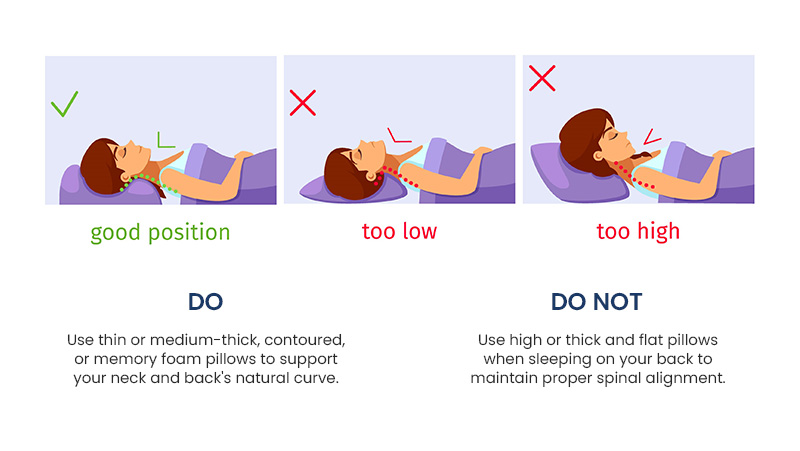
Back sleeping keeps your spine straight. This position helps prevent neck and back pain. It supports the natural curve of your spine. This reduces stress on muscles and joints.
Reduced Wrinkles
Sleeping on your back keeps your face away from pillows. This lowers skin pressure and friction. Less pressure means fewer wrinkles over time. It also helps your skin breathe better at night.
Minimized Acid Reflux
Back sleeping with your head elevated can reduce acid reflux. This position helps keep stomach acid down. It prevents heartburn and discomfort during the night. It is a good option for those with mild reflux issues.
Health Issues Linked To Back Sleeping
Sleeping on your back can cause several health problems. Some people should avoid this position to stay healthy. Understanding these issues helps choose the best sleep posture.
Sleep Apnea Risks
Back sleeping can worsen sleep apnea. The tongue and soft tissues block the airway more easily. This leads to poor breathing during sleep. People with sleep apnea may face worse symptoms.
Snoring Concerns
Snoring often gets louder when sleeping on the back. Gravity pulls the tongue backward, narrowing the throat. This makes breathing noisy and less smooth. Snorers may disturb their own and others’ sleep.
Lower Back Pain
Lying flat on the back can strain the lower back. It may cause stiffness and pain in the morning. People with existing back problems might feel more discomfort. Using pillows for support can help reduce pain.
Conditions That Worsen With Back Sleeping
Sleeping on your back is common, but it is not safe for everyone. Certain health conditions get worse in this position. Knowing these can help protect your health and improve sleep quality.
Pregnancy Complications
Back sleeping during pregnancy can reduce blood flow to the baby. The uterus presses on major blood vessels, causing discomfort and low oxygen. It may also increase the risk of stillbirth. Doctors often advise pregnant women to sleep on their side instead.
Respiratory Problems
People with asthma or sleep apnea may struggle when lying on their backs. This position can block airways and make breathing harder. It often causes snoring and pauses in breathing during sleep. Side sleeping usually eases these breathing issues.
Gastroesophageal Reflux Disease
Back sleeping can worsen acid reflux symptoms. Stomach acid flows back into the esophagus more easily in this position. This causes heartburn and discomfort during the night. Sleeping on the left side helps keep acid down and reduces pain.

Alternative Sleep Positions
Sleeping on your back is not good for everyone. Some people need different sleep positions for better rest. Alternative sleep positions can help avoid pain and improve breathing. Choosing the right position makes a big difference in sleep quality.
Side Sleeping Benefits
Side sleeping reduces snoring and eases breathing. It helps people with sleep apnea breathe better. This position also lowers acid reflux and heartburn. Sleeping on the left side improves digestion and blood flow. It supports the spine’s natural curve, reducing back pain.
Stomach Sleeping Drawbacks
Stomach sleeping can cause neck and back pain. It puts pressure on the spine in an unnatural way. This position may lead to numbness or tingling in limbs. It also increases wrinkles and skin irritation. Stomach sleeping is not good for people with neck problems.
Using Pillows For Support
Pillows help keep the body aligned in any position. Place a pillow between your knees when side sleeping. This reduces stress on hips and lower back. Use a thin pillow under the head for stomach sleepers. For back sleepers, support the neck with a small pillow. Pillows can improve comfort and reduce pain during sleep.
Tips For Transitioning From Back Sleeping
Changing your sleeping position from back sleeping can improve your comfort and health. It takes time and patience to adjust. Simple steps can make this change easier and help you sleep better.
Gradual Position Change
Start by spending part of the night on your side. Use pillows to support your body and keep you from rolling back. Change positions slowly over several nights. This helps your body get used to a new way of sleeping.
Sleep Environment Adjustments
Make your bed cozy for side or stomach sleeping. Choose a mattress that supports your new position. Use pillows to reduce pressure on your shoulders and hips. A good sleep environment helps you stay comfortable all night.
Consulting A Healthcare Provider
Talk to a doctor if you have pain or breathing problems. They can offer advice tailored to your health needs. A healthcare provider can also suggest special pillows or treatments. Getting expert help makes the transition safer and easier.
Frequently Asked Questions
Who Should Avoid Sleeping On Their Back?
People with sleep apnea, snoring issues, or acid reflux should avoid back sleeping. It can worsen breathing and digestion problems during sleep.
Does Back Sleeping Worsen Sleep Apnea Symptoms?
Yes, back sleeping can worsen sleep apnea by causing airway blockage. Side sleeping is often recommended for better airflow.
Can Pregnant Women Sleep On Their Back?
Pregnant women, especially in later stages, should avoid back sleeping. It can reduce blood flow to the fetus and cause discomfort.
Is Back Sleeping Bad For People With Back Pain?
Back sleeping may worsen pain for some with back problems. Using proper support pillows can help, but side sleeping is often better.
Conclusion
Sleeping on your back is not good for everyone. People with sleep apnea, snoring problems, or certain back pains should avoid it. This position can make breathing harder and cause discomfort. Choosing a side or stomach sleeping might help these issues.
Listen to your body and find what feels best. Good sleep matters for health and energy. Try different positions to improve your rest tonight.