
As an Amazon Associate I earn from qualifying purchases.
Have you ever woken up feeling restless, tired, or even a bit sweaty, without knowing why? The answer might be hiding in the air around you.
Humidity levels—how much moisture is in the air—can have a big impact on your sleep quality. When the air is too dry or too damp, it can disrupt your comfort and make it harder for your body to relax. Imagine finally getting the deep, refreshing sleep you crave simply by adjusting the humidity in your bedroom.
Curious how this works? Keep reading to discover the surprising ways humidity affects your sleep and how you can create the perfect environment for a night of truly restful rest.

Quick Navigation
Humidity And Sleep Quality
Humidity plays a big role in how well you sleep. The air’s moisture level affects your comfort and rest. Too much or too little humidity can cause problems during the night. Understanding the right balance helps improve sleep quality.
Finding the right humidity level can make falling asleep easier. It can keep your skin and airways comfortable. Let’s explore how different humidity levels affect your sleep.
Ideal Humidity Range For Sleep
The best humidity for sleep is usually between 40% and 60%. This range keeps the air moist but not wet. It helps your body cool down and breathe easily. Staying within this range reduces night sweating and dry skin.
Effects Of High Humidity On Rest
High humidity makes the air feel heavy and sticky. It can cause sweating and discomfort. Your body struggles to cool down, which disrupts sleep. You might wake up feeling tired and restless.
Impact Of Low Humidity On Comfort
Low humidity dries out your skin and throat. It can cause irritation and coughing during sleep. Dry air may lead to nasal congestion and a sore throat. This discomfort makes it hard to stay asleep all night.
Physical Responses To Humidity
Humidity levels in the air have a strong impact on how the body reacts during sleep. The body’s physical responses to humidity can affect comfort and rest quality. Understanding these reactions helps improve sleep environments and overall health.
How Body Temperature Is Affected
High humidity makes it harder for the body to cool down. Sweat does not evaporate quickly, trapping heat on the skin. This can cause discomfort and restless sleep. Low humidity can lead to dry, cool skin. Both extremes disrupt the body’s natural temperature balance.
Respiratory Challenges In Different Humidity
Dry air can irritate the throat and nose. Breathing becomes uncomfortable and may cause coughing. High humidity can increase mucus and congestion. This makes breathing harder during sleep. Balanced humidity supports clear airways and easier breathing.
Skin And Hydration Issues
Dry air causes skin to lose moisture and become itchy. Cracked skin and irritation may develop over time. High humidity can make skin feel sticky and sweaty. This can lead to clogged pores and discomfort. Proper humidity helps keep skin hydrated and healthy.
Sleep Environment Adjustments
Humidity affects how well you sleep. Too much moisture makes the room sticky and hot. Too little dryness causes irritation and discomfort. Adjusting your sleep environment can help keep humidity balanced. This balance improves comfort and rest quality. Simple changes make a big difference in sleep.
Using Humidifiers And Dehumidifiers
Humidifiers add moisture to dry air. They help when air feels too dry. This stops dry skin and throat irritation at night. Dehumidifiers remove extra moisture. They keep the room from feeling damp and clammy. Using these devices keeps humidity in a healthy range. This helps you breathe better and sleep soundly.
Ventilation And Airflow Tips
Good airflow lowers excess humidity naturally. Open windows or use fans to move air. This prevents stuffy, moist air from building up. Ventilation controls temperature and humidity together. Keep vents clean and clear for best airflow. Fresh air makes your bedroom feel cooler and more comfortable.
Choosing Bedding For Humidity Control
Choose bedding that helps control moisture. Natural fabrics like cotton breathe well and absorb sweat. Avoid heavy or synthetic sheets that trap heat and moisture. Light, breathable bedding keeps you dry and cool. This creates a better sleep environment for all humidity levels.
Humidity And Sleep Disorders
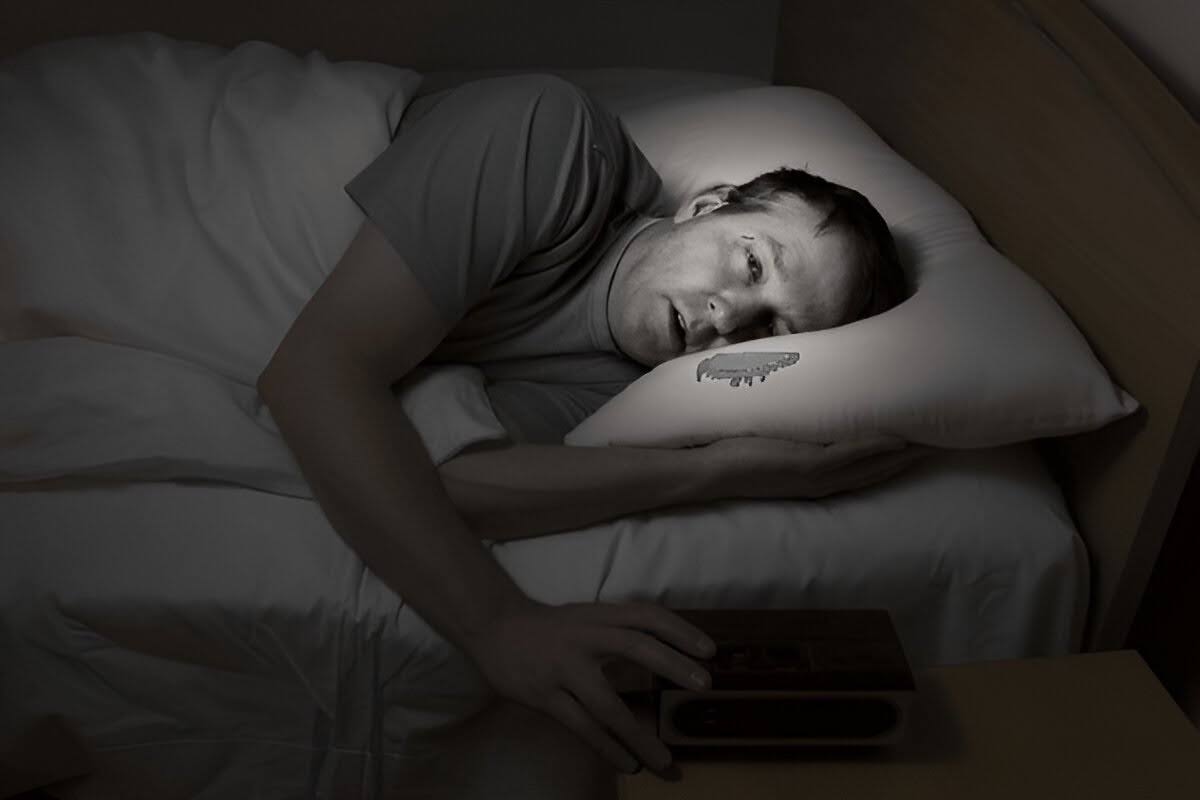
Humidity plays a big role in sleep quality, especially for people with sleep disorders. The air’s moisture level affects breathing and comfort during the night. Too much or too little humidity can make symptoms worse. Understanding this link helps improve rest and reduce discomfort.
Link Between Humidity And Sleep Apnea
Sleep apnea causes breathing to stop briefly during sleep. Dry air can irritate the throat and airways, making apnea worse. High humidity helps keep the airways moist and less inflamed. This can reduce snoring and breathing pauses. Balanced humidity supports better airflow and easier breathing.
Humidity’s Role In Allergies And Asthma
Allergies and asthma can disrupt sleep severely. Dry air may cause nasal passages to dry out and become blocked. Too much moisture allows mold and dust mites to grow. Both conditions trigger allergy attacks and asthma symptoms. Keeping humidity between 40-60% helps control allergens and eases breathing at night.
Managing Night Sweats
Night sweats cause discomfort and disrupt sleep often. High humidity makes sweat evaporate slower, leaving the skin wet. This increases heat and causes more sweating. Lower humidity helps sweat dry faster and cools the body. Using a dehumidifier or air conditioner can reduce night sweats and improve sleep comfort.
Monitoring And Maintaining Optimal Humidity
Keeping the right humidity level in your bedroom helps you sleep better. Too much or too little moisture can cause discomfort. Monitoring humidity lets you adjust it to a healthy range. Maintaining good humidity improves air quality and reduces sleep problems. Small changes make a big difference in how you rest.
Tools To Measure Bedroom Humidity
A hygrometer is a simple tool that shows room humidity. Some models also measure temperature. Digital hygrometers give quick and clear readings. You can find affordable devices online or in stores. Place the hygrometer near your bed for accurate results. Check it daily to see changes in humidity.
Seasonal Humidity Fluctuations
Humidity changes with seasons. Winter air tends to be dry, causing dry skin and throat. Summer often brings higher humidity, making rooms feel sticky. These changes affect your comfort and sleep quality. Use a humidifier in winter to add moisture. In summer, a dehumidifier helps keep humidity low.
Daily Habits To Improve Sleep Environment
Ventilate your room every day to keep air fresh. Avoid drying heaters that reduce humidity too much. Drink water before bed to stay hydrated. Keep indoor plants that help balance humidity naturally. Limit the use of fans or air conditioners that dry air. These habits create a calm and comfortable space for sleep.

Frequently Asked Questions
How Does High Humidity Affect Sleep Quality?
High humidity makes the air feel warmer and sticky, disrupting your body’s cooling process. This can cause discomfort and restless sleep, leading to frequent awakenings and poor sleep quality.
What Is The Ideal Humidity Level For Better Sleep?
The ideal humidity level for sleep is between 30% and 50%. This range helps maintain comfort, prevents dryness or excess moisture, and supports proper breathing during sleep.
Can Low Humidity Cause Sleep Problems?
Yes, low humidity can dry out your skin, throat, and nasal passages. This dryness may cause irritation, congestion, and difficulty breathing, negatively impacting sleep quality.
How Can I Control Bedroom Humidity For Better Sleep?
Use a humidifier or dehumidifier to maintain optimal humidity. Also, improve ventilation and avoid indoor plants that increase moisture. These steps help create a comfortable sleep environment.
Conclusion
Humidity can change how well you sleep each night. Too much moisture makes the air feel heavy and sticky. Too little dries your skin and throat, causing discomfort. Finding the right balance helps you feel calm and rest better. Use a humidifier or dehumidifier to keep air steady.
Remember, good sleep supports your health and mood. Keep your bedroom comfortable for peaceful nights. Small changes in humidity can make a big difference. Sleep well, wake refreshed.