
As an Amazon Associate I earn from qualifying purchases.
Do you and your partner have different daily routines that make sharing a good night’s sleep tricky? When your schedules don’t match, getting restful sleep together can feel impossible.
But what if you could improve your sleep quality without changing your work hours or lifestyle? You’ll discover simple, practical tips to create better sleep habits as a couple, even when your clocks don’t align. Keep reading to unlock the secrets of sleep hygiene that will help both of you wake up refreshed and connected.
Quick Navigation
Challenges Of Different Sleep Schedules
Couples with different sleep schedules face unique challenges every night. One partner might be an early riser, while the other stays up late. These differences can cause tension and disrupt rest. Finding balance is not easy when sleep times do not match.
Impact On Relationship
Different sleep times can reduce shared moments. Couples miss chances to talk or relax together. Feeling disconnected can grow over time. Lack of sleep also lowers patience and increases irritability. Small conflicts might feel bigger at night. Over time, emotional distance can develop.
Common Sleep Conflicts
Noise is a frequent problem. One partner’s alarms or late-night activities can wake the other. Light from screens or lamps can disturb sleep. Different room temperatures or bedding preferences cause discomfort. One partner might feel lonely or ignored. These issues make rest difficult and stress the relationship.
Creating A Sleep-friendly Environment
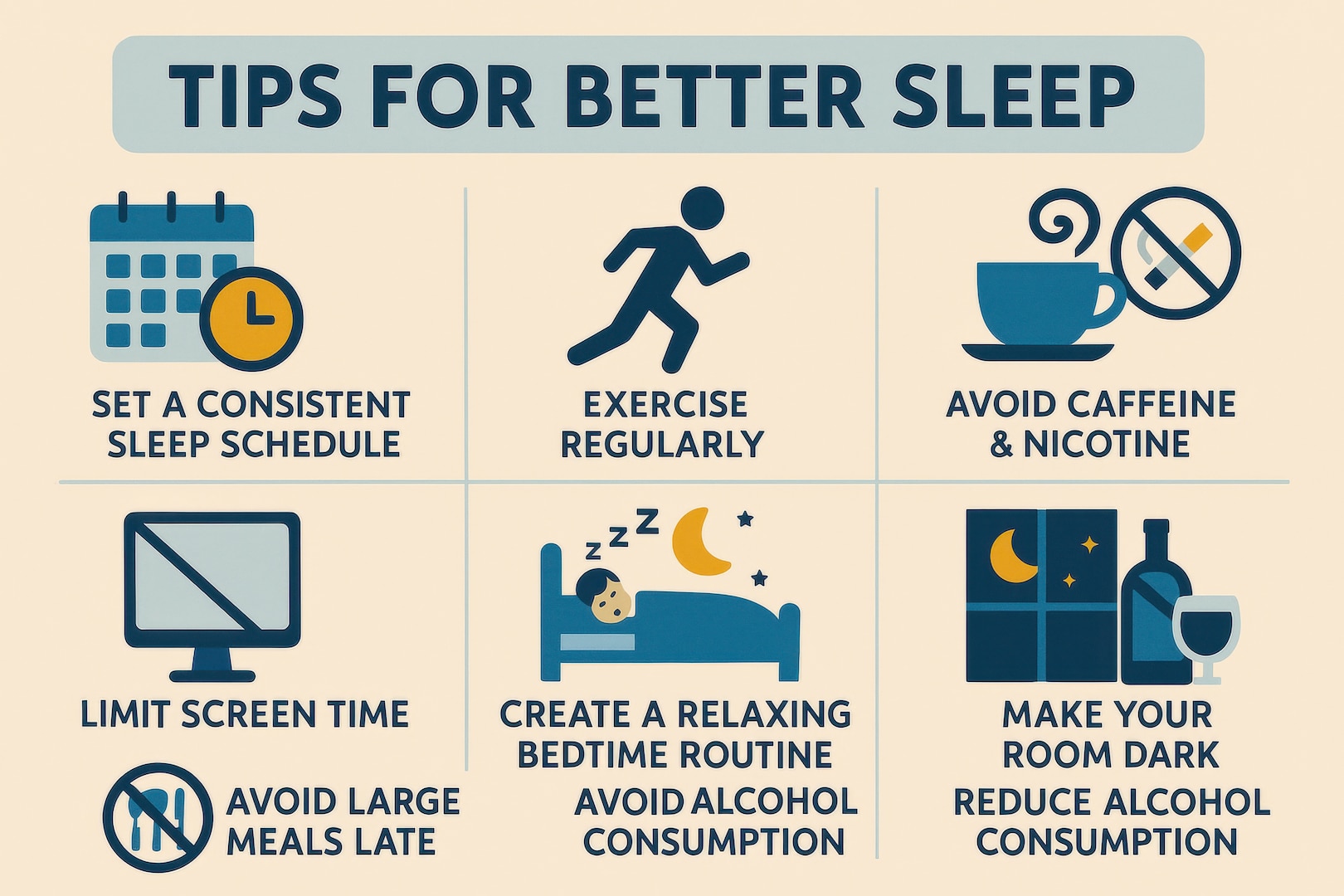
Creating a sleep-friendly environment helps couples with different schedules rest well. A calm, quiet room supports better sleep for both partners. Small changes in the bedroom can make a big difference. Focus on reducing light and noise. Choose bedding that feels good for everyone. A peaceful space helps each person relax and fall asleep faster.
Light And Noise Control
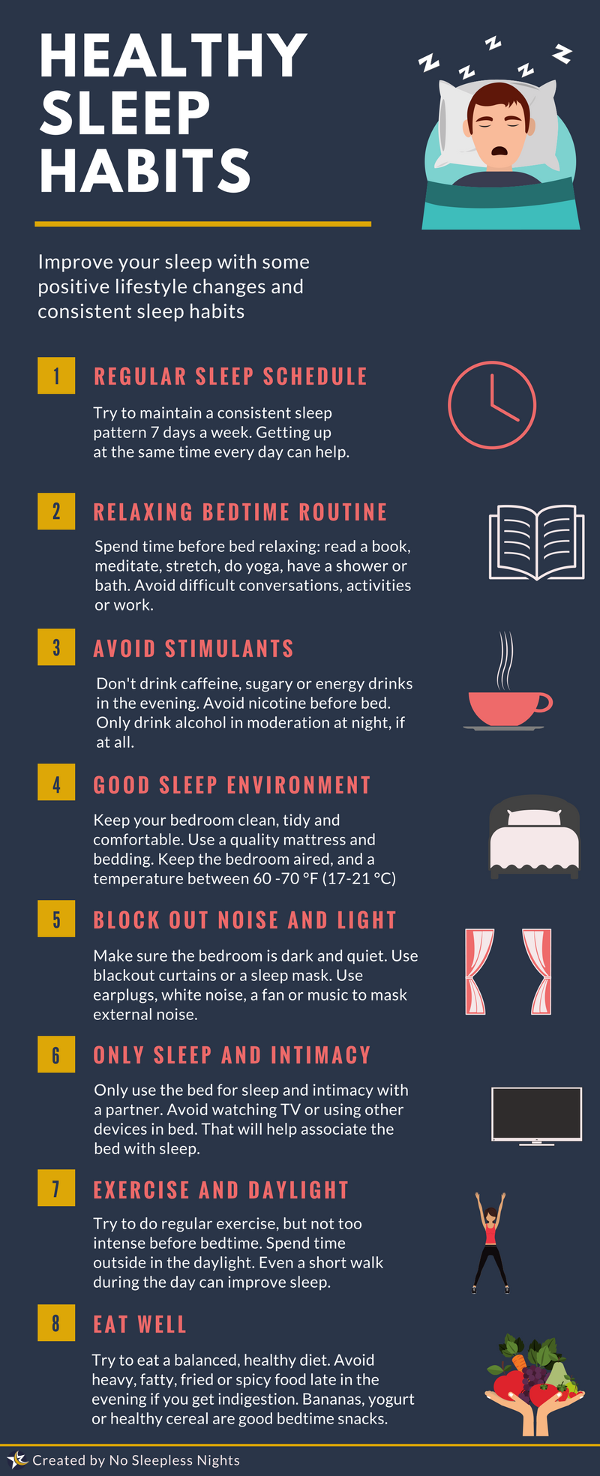
Keep the bedroom dark to help the body know it is time to sleep. Use blackout curtains or heavy blinds to block outside light. Eye masks can help block light for the partner who sleeps during the day. Use white noise machines or fans to cover sudden sounds. Earplugs also reduce noise for sensitive sleepers. Control light and noise to create a peaceful sleeping space.
Comfortable Bedding Choices
Choose bedding that suits both partners’ comfort needs. Pick mattresses with good support and pressure relief. Use soft sheets and blankets that feel nice on the skin. Keep extra pillows for different sleeping positions. Wash bedding often to keep it fresh and clean. Comfortable bedding helps each person relax and enjoy better sleep.
Establishing Individual Sleep Routines
Couples with different schedules face unique challenges in getting quality sleep. Establishing individual sleep routines helps each partner rest well. Separate routines respect personal sleep needs and improve overall rest. This approach reduces disruptions and supports better sleep health.
Personalized Wind-down Techniques
Create a calm routine before bedtime. Choose activities that relax the mind and body. Reading a book, gentle stretching, or listening to soft music works well. Avoid heavy exercise or stressful tasks. Personal routines help signal the brain it’s time to sleep.
Each partner should find what calms them best. One may prefer meditation, the other a warm bath. Consistency is key. Following the same steps nightly trains the body to relax faster. It improves sleep quality and helps fall asleep quicker.
Managing Screen Time
Limit screen use before bed. Bright lights from phones and TVs block sleep hormones. Switch off devices at least 30 minutes before sleeping. Use blue light filters if screens are necessary. Reading paper books is a good alternative.
Separate schedules mean different screen times. Respect each other’s quiet time. Using headphones can reduce noise disturbances. Managing screen time helps both partners sleep better and wake refreshed.
Communication Strategies For Couples
Couples with different schedules face unique challenges in sleep hygiene. Good communication helps both partners feel understood and respected. Talking clearly about needs and limits creates a peaceful sleep environment. Sharing feelings and plans reduces stress and builds trust. These communication strategies improve sleep quality and relationship satisfaction.
Setting Boundaries
Clear boundaries protect each partner’s sleep time. Talk about quiet hours and light use in the bedroom. Agree on phone and screen limits before bed. Respect each other’s rest needs without judgment. Boundaries keep sleep spaces calm and undisturbed. Boundaries help avoid conflicts about bedtime habits.
Scheduling Quality Time
Plan regular moments together despite different schedules. Choose times when both feel relaxed and present. Use this time to talk, share, and connect deeply. Quality time strengthens your bond and reduces stress. It balances separate routines with shared intimacy. Scheduling time shows care and keeps the relationship strong.
Utilizing Sleep Aids And Technology
Couples with different sleep schedules face unique challenges. Using sleep aids and technology helps create a better environment. These tools support rest without disturbing each other. They improve sleep quality and help maintain healthy routines.
White Noise Machines
White noise machines produce gentle sounds that mask other noises. They help block out sounds from a partner’s movements or late-night activities. The steady sound creates a calm atmosphere that promotes deeper sleep. Couples can choose different sounds and volume levels. This allows each partner to find what works best for them. White noise machines are simple, affordable, and easy to use.
Sleep Trackers And Apps
Sleep trackers and apps monitor sleep patterns and quality. They provide useful data to understand sleep habits better. Some apps offer tips to improve sleep based on the recorded information. Couples can use these tools to adjust their routines and find common ground. Many trackers also include silent alarms that wake only one person. This feature minimizes disturbance and respects each partner’s schedule.

Health Benefits Of Good Sleep Hygiene
Good sleep hygiene brings many health benefits. It helps the body rest well and recover. Couples with different schedules can improve their sleep quality by following simple habits. Better sleep supports both physical and mental health. It makes daily life easier and more enjoyable.
Improved Mood And Energy
Good sleep hygiene helps keep mood steady. It reduces feelings of stress and irritability. Waking up refreshed boosts energy for the day. This makes it easier to handle daily tasks. Couples feel less tired and more positive. This helps both partners stay active and happy.
Enhanced Relationship Satisfaction
Better sleep improves how couples connect. It lowers conflicts and misunderstandings. When both partners rest well, they communicate better. This leads to more patience and kindness. Good sleep supports emotional closeness and trust. Couples enjoy their time together more often.
Frequently Asked Questions
How Can Couples Improve Sleep With Different Schedules?
Couples can improve sleep by using blackout curtains and white noise machines. Setting consistent bedtime routines and respecting each other’s sleep space also helps. Communication about sleep needs and compromise fosters better rest despite schedule differences.
What Are The Best Sleep Tips For Couples With Varied Routines?
Prioritize individual sleep hygiene like limiting screen time before bed. Use earplugs or soundproofing to reduce disturbances. Schedule quality time together outside sleep hours to maintain connection and reduce stress, enhancing sleep quality for both partners.
How To Minimize Sleep Disturbances In Couples With Different Times?
Use separate blankets or mattresses to reduce movement disturbance. Adjust lighting to avoid waking the other partner. Encourage habits like winding down in different rooms and using silent alarms to maintain restful sleep for both.
Can Different Sleep Schedules Affect Relationship Quality?
Yes, differing sleep times can reduce shared moments and intimacy. It may cause misunderstandings or frustration. Open communication and planning quality time outside sleep hours can maintain relationship health despite schedule differences.
Conclusion
Good sleep matters for both partners, even with different routines. Small changes can help create a peaceful bedroom environment. Respect each other’s sleep needs and schedules. Use quiet time, dim lights, and comfortable bedding to improve rest. Talk openly about what helps and what does not.
Patience and understanding build stronger sleep habits together. Healthy sleep supports better mood and relationship quality. Keep trying new ways to find what works best for both. Quality rest is worth the effort for a happy life.