
Have you ever wondered if your afternoon nap is helping or hurting your nighttime sleep? You might think a quick nap recharges your energy, but it could also be messing with your ability to fall asleep later.
Understanding how napping affects your night’s rest can change the way you feel every day. Keep reading to discover the surprising truth about naps and how to use them to boost—not break—your sleep.
Quick Navigation
Napping And Sleep Cycles
Napping can change how your body moves through sleep at night. Our sleep has different stages, and naps affect these stages in various ways. Understanding this helps you see how naps influence your overall rest and energy.
Short naps may boost alertness without hurting nighttime sleep. Long naps might change the pattern of sleep cycles, making it harder to fall asleep at night. The timing and length of naps play important roles in this balance.
How Naps Influence Sleep Architecture
Sleep architecture means the structure of sleep stages during the night. Naps can alter this structure by reducing the need for deep sleep later. When you nap deeply, your body may skip some deep sleep stages at night. This can make night sleep lighter or shorter.
Short naps mainly refresh your mind without changing sleep stages much. Long naps may cause your body to delay deep sleep, affecting how well you rest.
Impact On Rem And Deep Sleep
REM sleep helps with memory and mood. Deep sleep helps the body repair and restore energy. Naps can reduce the time spent in both REM and deep sleep at night.
Taking long naps close to bedtime may reduce REM sleep. This can leave you feeling less refreshed in the morning. Short naps usually do not affect REM or deep sleep much but still give a quick rest.
Choosing the right nap length and time keeps your sleep cycles balanced and your nights restful.
Benefits Of Daytime Naps
Daytime naps offer many benefits for your body and mind. They help restore energy and improve how you feel. Short naps can fit easily into busy days. They do not have to affect your nighttime sleep negatively. Instead, naps can support your overall rest and productivity.
Understanding these benefits helps you use naps wisely. It also shows how naps can improve your daily life and night sleep.
Boosting Cognitive Performance
Naps improve your ability to think clearly. They refresh your brain and reduce mental fatigue. After a nap, focus and problem-solving skills get better. Even a brief rest can sharpen your attention. This makes tasks easier to complete and reduces mistakes.
Enhancing Mood And Alertness
Napping lifts your mood and lowers stress. It helps reduce feelings of tiredness and irritability. After resting, you feel more awake and positive. This boost in alertness lasts for several hours. Naps can help you stay calm and balanced during the day.
Supporting Memory Consolidation
During naps, your brain processes and stores new information. This helps you remember things better. Napping strengthens memories from earlier in the day. It also prepares your brain to learn new facts. A short nap can improve learning and recall.
Risks Linked To Napping
Napping can help you feel rested during the day. Yet, it also carries some risks that affect your night sleep. Understanding these risks can help you make better choices about napping. Small naps might refresh you, but long or late naps can cause problems at night. Let’s explore the main risks linked to napping and how they affect your sleep.
Potential Nighttime Sleep Disruption
Napping too close to bedtime can make it hard to fall asleep at night. Your body may not feel tired when it should. This can shorten your total sleep time. Nighttime sleep disruption can lead to feeling tired the next day. It also lowers the quality of your deep sleep phases.
Excessive Napping And Sleep Inertia
Long naps can cause sleep inertia. This means you feel groggy and confused after waking up. Sleep inertia can last for several minutes or even hours. Excessive napping may confuse your body’s internal clock. This confusion can reduce alertness and affect your daily tasks.
Napping And Sleep Disorders
People with sleep disorders must be careful about napping. Naps can worsen conditions like insomnia or sleep apnea. For some, napping during the day may delay their nighttime sleep cycle. This delay can increase the severity of their sleep problems. Consulting a doctor is important for managing naps with sleep disorders.

Optimal Nap Duration And Timing
Napping can help refresh your mind and body during the day. But the length and timing of your nap can affect your nighttime sleep. Finding the right balance is important for good rest and energy.
Short Vs. Long Naps
Short naps last about 10 to 20 minutes. They boost alertness without making you feel groggy. These power naps avoid deep sleep, so waking up is easy.
Long naps can last 60 to 90 minutes. They allow the body to complete a full sleep cycle. This helps with memory and creativity but might cause sleep inertia—feeling tired after waking.
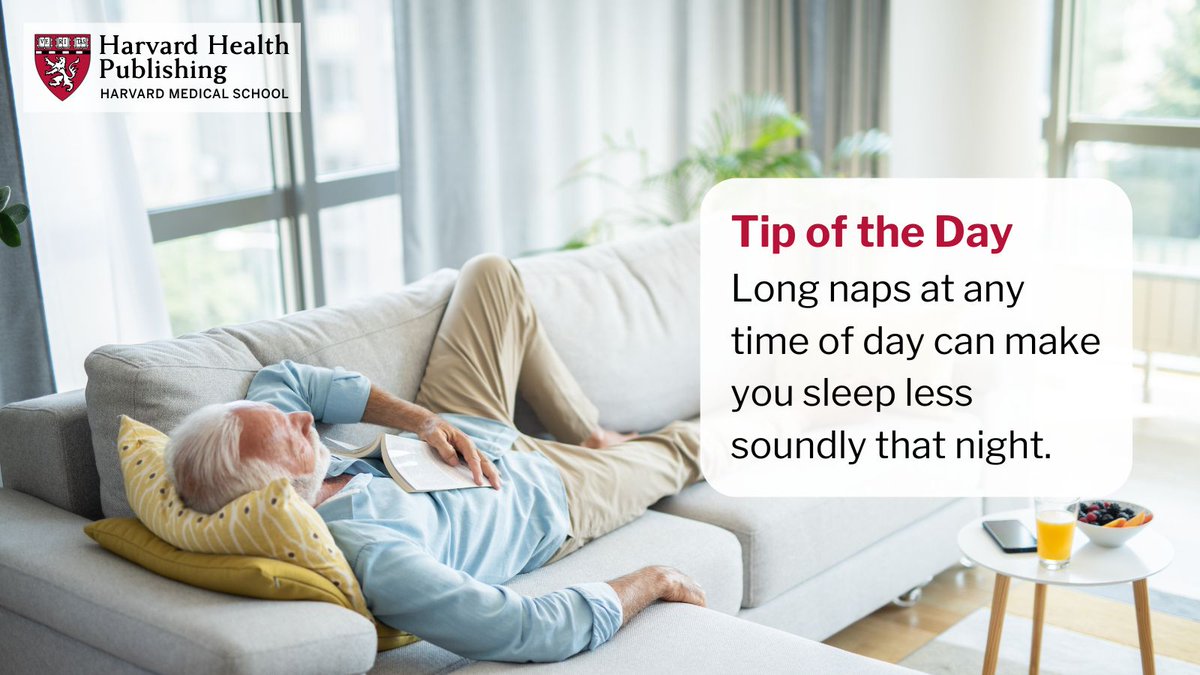
Long naps late in the day can interfere with falling asleep at night. Choose nap length based on your needs and how your body reacts.
Best Time Of Day To Nap
The ideal nap time is early afternoon, usually between 1 PM and 3 PM. This matches the body’s natural dip in energy. Napping during this window can refresh you without disturbing night sleep.
Avoid napping late in the afternoon or evening. Napping too late can delay your bedtime and reduce deep sleep at night. Keep naps early and short for the best results.
Who Should Avoid Napping
Not everyone benefits from taking naps. For some, napping can make nighttime sleep worse. It is important to know who should avoid naps to keep sleep healthy and restful.
Some people find it hard to fall asleep at night after napping during the day. Others may have health or age factors that make napping less helpful or even harmful.
Insomnia And Napping
People with insomnia often struggle to fall asleep or stay asleep at night. Napping can reduce their sleep drive, making night sleep even harder.
Short naps might seem helpful but can delay the body’s natural sleep rhythm. Avoiding naps helps keep the body’s sleep schedule strong and stable.
Age-related Considerations
Older adults often experience changes in sleep patterns. Daytime naps can interfere with their ability to sleep well at night.
Young children and teenagers need more sleep overall. But long or late naps might reduce their nighttime sleep quality.
Each age group has different sleep needs. Knowing when to nap or avoid it helps improve overall rest.
Tips For Effective Napping
Napping can refresh the mind and body. But not all naps help nighttime sleep. Effective napping needs a good plan. Simple tips make naps better and avoid sleep problems at night.
Creating The Ideal Nap Environment
Choose a quiet and dark room for napping. Use a comfortable chair or bed. Keep the room cool, around 65 to 70 degrees Fahrenheit. Turn off phones and other noise sources. A sleep mask or light blanket can help. These small changes make falling asleep faster.
Using Naps To Complement Night Sleep
Keep naps short, about 20 to 30 minutes. Long naps may cause grogginess and affect night sleep. Nap in the early afternoon, not late in the day. This timing helps avoid trouble falling asleep at night. Use naps to recharge, not replace night sleep. Follow a regular sleep schedule for best results.
Frequently Asked Questions
Can Napping Improve Nighttime Sleep Quality?
Yes, short naps can boost alertness without harming nighttime sleep. However, long or late naps may disrupt sleep cycles and reduce sleep quality.
How Long Should A Nap Be For Better Night Sleep?
A nap of 10 to 30 minutes is ideal. It refreshes you without causing sleep inertia or affecting nighttime sleep patterns.
Does Napping Delay Falling Asleep At Night?
Long or late naps can delay bedtime and disrupt circadian rhythms. Early, brief naps rarely affect the time you fall asleep.
Can Napping Reduce Sleep Debt From Poor Night Sleep?
Napping helps reduce sleep debt temporarily. But it can’t fully replace consistent, restful nighttime sleep for long-term health.
Conclusion
Napping can help or hurt your nighttime sleep. Short naps boost energy without much harm. Long naps might make falling asleep harder. Timing matters—early naps work best for most people. Pay attention to your body’s signals. Find a balance that keeps your nights restful.
Good sleep habits lead to better days. Experiment gently and notice what feels right. Rest well, and your body will thank you.

