
Have you ever woken up feeling tired, even after a full night’s sleep? The culprit might be lurking in the background—noise.
Noise disrupts your sleep cycles in ways you might not realize. When your sleep is interrupted, it affects your energy, mood, and focus the next day. But why does noise have such a strong impact, and what can you do to protect your rest?
Keep reading to discover how noise interferes with your sleep and simple steps you can take to reclaim peaceful nights.
Quick Navigation
Sleep Cycles And Their Importance
Sleep cycles are patterns our brain follows during sleep. Each cycle lasts about 90 minutes. These cycles repeat several times each night. They help the body and mind rest and heal. Understanding sleep cycles shows why noise can disrupt sleep quality.
Good sleep depends on moving smoothly through these cycles. Interruptions can stop the process. This causes tiredness and health problems over time.
Stages Of Sleep
Sleep has two main types: non-REM and REM sleep. Non-REM has three stages, from light to deep sleep. Stage 1 is light and easy to wake from. Stage 2 is deeper with slower brain waves. Stage 3 is deep sleep, the most restorative part. REM sleep follows, with rapid eye movement and vivid dreams.
Role Of Rem And Deep Sleep
Deep sleep helps repair muscles and tissues. It boosts the immune system and stores energy. REM sleep supports brain functions like memory and learning. Both are vital for feeling refreshed and alert.
Interruptions during deep or REM sleep reduce their benefits. Noise can cause these interruptions, making sleep less effective.
How Sleep Cycles Affect Health
Proper sleep cycles improve mood and focus. They help control weight and reduce disease risk. Poor sleep cycles link to heart problems and diabetes. Noise disrupts cycles, increasing stress and lowering sleep quality. Consistent good sleep supports overall health and wellbeing.
Sources Of Noise That Interrupt Sleep
Noise can break your sleep and stop your body from resting well. Different sounds come from many places. These sounds make it hard to stay asleep or fall back to sleep. Knowing where noise comes from helps to reduce it and sleep better.
Environmental Noise
Nature makes many sounds at night. Wind blowing through trees can be loud. Rain hitting windows may wake some people. Animals like owls or frogs often call in the dark. These sounds are normal but can disturb light sleepers. Sometimes, loud thunder or nearby construction noise is hard to ignore.
Household Sounds
Inside the house, many noises happen at night. People moving around can create footsteps and doors closing. Appliances like refrigerators or air conditioners hum continuously. Pets may bark, meow, or scratch doors. Clocks ticking or phones ringing also interrupt sleep. These sounds may seem small but can wake you up many times.
Urban And Traffic Noise
City life brings a lot of noise to bedrooms. Cars, motorcycles, and trucks pass by all night. Sirens from emergency vehicles are sharp and sudden. People talking loudly on streets or nearby bars add to noise. Trains and airplanes flying overhead make deep sounds. Urban noise often causes restless nights for many people.
Impact Of Noise On Sleep Quality
Noise can harm sleep quality in many ways. It interrupts the natural sleep cycle and affects rest deeply. Even small sounds might cause problems. The brain reacts to noise by staying alert. This reaction stops the body from relaxing fully. Over time, noise can lead to poor sleep and tired days.
Difficulty Falling Asleep
Loud or sudden noises make it hard to fall asleep. The mind stays active, waiting for quiet. This delays the time it takes to rest. Nighttime sounds like traffic or talking can keep people awake. This problem is worse in noisy areas. It causes frustration and stress before sleep.
Frequent Awakenings
Noise causes people to wake up many times at night. Even soft sounds can break light sleep. Each awakening stops the deep rest the body needs. This leads to feeling tired in the morning. Frequent waking also harms memory and mood. It makes it hard to focus during the day.
Reduced Sleep Efficiency
Sleep efficiency means the time spent actually sleeping. Noise lowers this by increasing awake moments. Less sleep means less recovery for the brain and body. People feel less refreshed after noisy nights. Poor sleep efficiency links to health issues over time. Quiet environments support better, more efficient sleep.

Hidden Health Risks From Disrupted Sleep
Sleep is essential for good health. Noise can interrupt sleep cycles. This disruption hides serious health risks. These risks affect many parts of the body. Understanding them helps protect your well-being.
Even small noises can break deep sleep stages. This stops the body from resting fully. Over time, these interruptions add up. They cause more than just tiredness.
Cardiovascular Problems
Interrupted sleep raises blood pressure. This stresses the heart and blood vessels. Over time, it increases heart disease risk. People with poor sleep face higher chances of strokes. Regular noise disruptions worsen heart health.
Mental Health Effects
Noise breaks cause poor sleep quality. Poor sleep links to anxiety and depression. The brain struggles to manage emotions well. Concentration and memory also weaken. Mental health suffers when rest is not deep.
Immune System Weakness
Sleep helps the body fight sickness. Interrupted sleep reduces immune defenses. This makes it easier to catch infections. Recovery from illness slows down too. Noise can quietly harm your body’s protection.
Noise Sensitivity And Vulnerable Groups
Noise affects everyone’s sleep, but some groups feel it more deeply. These groups are more sensitive to sounds during the night. Their sleep cycles break down faster with noise around. Understanding who these groups are helps protect their rest and health.
Children And Adolescents
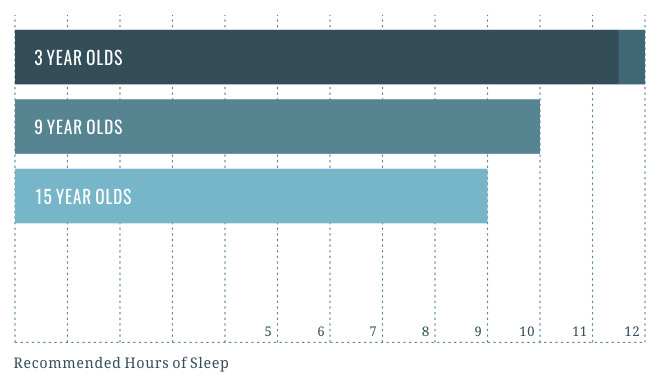
Children and teens need deep sleep for growth and brain development. Noise can wake them up easily. Even small sounds can disturb their sleep cycles. Poor sleep affects their mood, focus, and learning. Nighttime noise may cause tiredness and irritability during the day.
Elderly Individuals
Older adults often have lighter and shorter sleep. Noise can interrupt their sleep more than in younger people. It causes more frequent waking and less deep sleep. This disruption increases risks of memory problems and mood changes. Quiet environments can help elderly people rest better.
People With Preexisting Conditions
People with health problems like insomnia or anxiety are more sensitive to noise. Sounds can trigger stress and make falling asleep hard. Noise breaks their sleep cycles and worsens symptoms. Managing noise is key to improving their sleep quality and health.
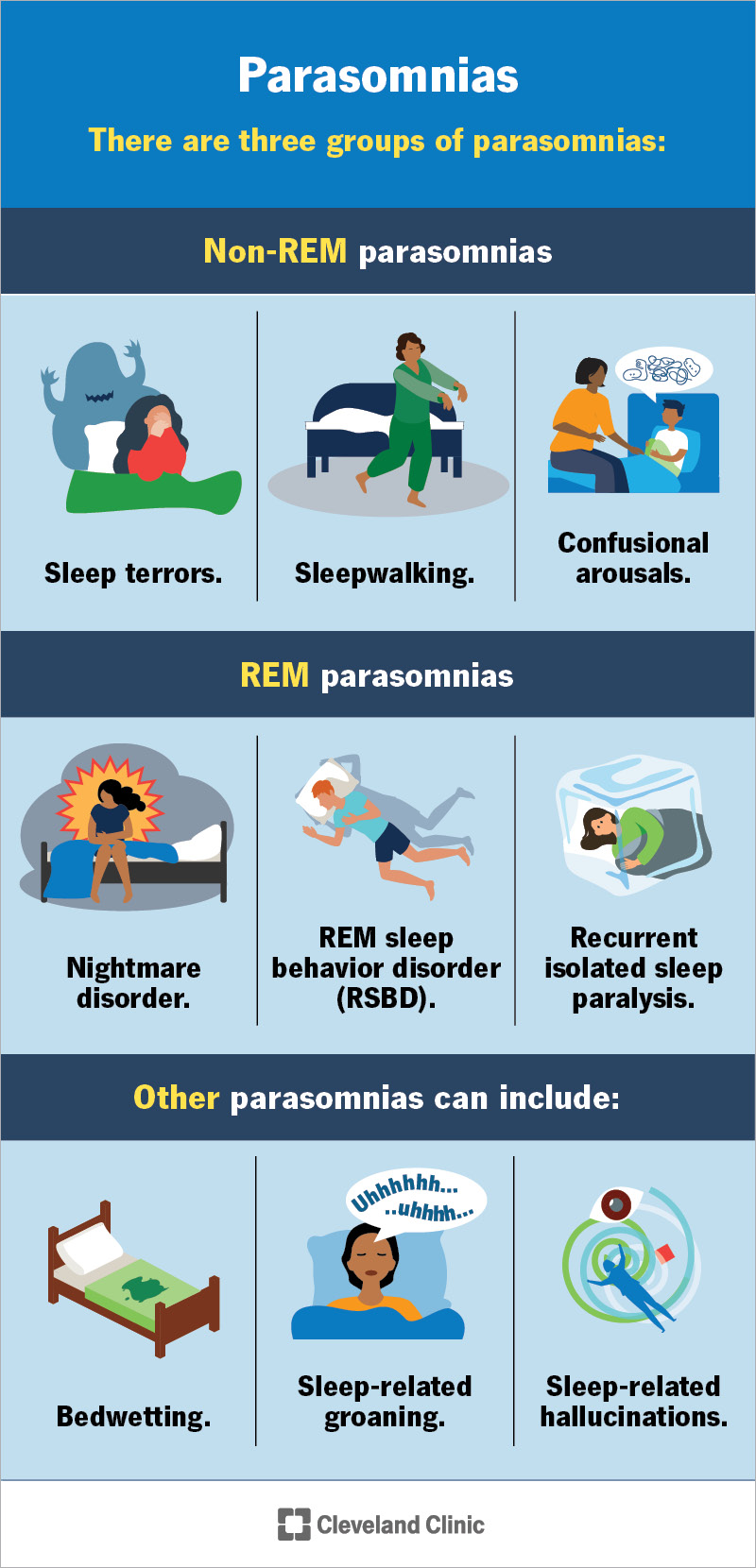
Measuring Noise Impact During Sleep
Measuring the impact of noise during sleep helps us understand how sound affects rest. Researchers use special tools to track noise and sleep patterns. This data shows how different sounds disturb or interrupt sleep cycles.
Sleep Studies And Monitoring
Sleep studies record brain waves, eye movements, and muscle activity. They show sleep stages and when noise causes awakenings. Monitoring devices also measure heart rate and breathing. These tools help find the exact moment noise disrupts sleep.
Noise Level Thresholds
Experts identify noise levels that cause sleep problems. Sounds above 40 decibels often wake people from deep sleep. Sudden loud noises are more disruptive than constant low sounds. Understanding thresholds guides noise control in homes and cities.
Assessing Sleep Disturbances
Researchers compare sleep quality before and after noise exposure. They track how often people wake up or move during sleep. Poor sleep can reduce memory, mood, and health. Measuring disturbances helps create quieter, healthier sleep environments.
Strategies To Minimize Noise Disruption
Noise can break your sleep and make you feel tired the next day. Finding ways to reduce noise helps you rest better. Simple changes in your room and habits can make a big difference.
Here are some easy strategies to cut down noise and improve your sleep quality.
Soundproofing Techniques
Soundproofing blocks or lowers noise from outside and inside your home. Thick curtains and double-glazed windows help reduce sounds. Adding rugs or carpets softens footstep noise. Door seals stop sounds from coming through gaps. These small fixes create a quieter bedroom environment.
Use Of White Noise Machines
White noise machines produce steady, soft sounds that cover sudden noises. They help your brain ignore background noise. Sounds like rain, fan, or static work well. These machines are easy to use and fit in any room. White noise can calm your mind and improve sleep depth.
Lifestyle Adjustments For Better Sleep
Changing habits can reduce noise disruptions at night. Avoid loud activities close to bedtime. Use headphones for late-night TV or music. Let family or housemates know your sleep schedule. A calm routine before bed helps your body relax. These steps support a peaceful sleep environment.
Future Research And Innovations
Future research and innovations hold promise for reducing noise’s impact on sleep cycles. Scientists and engineers work on new ways to understand and control noise. These developments aim to improve sleep quality for many people worldwide.
Technological Advances In Noise Control
New devices use smart technology to reduce noise at night. Soundproofing materials are becoming more effective and affordable. Some gadgets can cancel noise by creating opposite sound waves. These tools help create quieter sleep environments.
New Sleep Monitoring Tools
Wearable devices now track sleep and noise levels together. They provide detailed data on how noise affects sleep stages. This helps doctors and researchers find better solutions. More accurate tracking leads to personalized sleep advice.
Public Health Initiatives
Governments plan programs to reduce urban noise pollution. Public campaigns raise awareness about noise and sleep health. Policies may enforce quieter zones near homes and hospitals. Community actions support better sleep for everyone.
Frequently Asked Questions
How Does Noise Affect Sleep Quality?
Noise interrupts the brain’s ability to reach deep sleep stages. It causes frequent awakenings and reduces overall restfulness. This disruption leads to tiredness and lower cognitive function the next day.
What Types Of Noise Disrupt Sleep Cycles Most?
Sudden, loud noises like traffic, alarms, or barking dogs are most disruptive. Constant low-level sounds can also prevent deep sleep, keeping the brain alert and reducing restorative rest.
Can Noise Cause Long-term Sleep Problems?
Yes, ongoing noise exposure can lead to chronic sleep disorders. It increases stress hormones, disrupts natural sleep patterns, and may contribute to insomnia and health issues over time.
How Can I Minimize Noise Disruption During Sleep?
Use earplugs, white noise machines, or soundproofing methods to block noise. Creating a quiet, dark environment helps maintain uninterrupted sleep cycles and improves sleep quality.
Conclusion
Noise can break your sleep into shallow parts. This stops your body from resting well. Poor sleep affects your mood and health. Quiet surroundings help your brain relax deeply. Try to reduce noise before bedtime. Small changes make a big difference in sleep quality.
Protect your sleep to feel better each day. Sleep well, live well.

