
As an Amazon Associate I earn from qualifying purchases.
Have you ever wondered why some nights you sleep like a baby, while others leave you tossing and turning? The secret might be closer than you think—right on your plate.
What you eat can have a big impact on how well you sleep. Imagine waking up feeling fully refreshed, energized, and ready to take on the day, just by making simple changes to your diet. You’ll discover how the foods you choose can either help you drift into deep, restful sleep or keep you wide awake.
Keep reading to unlock the surprising connection between nutrition and sleep quality—and learn practical tips you can start using tonight.
Quick Navigation
Connection Between Diet And Sleep
Food affects sleep more than many realize. What you eat can change how well you rest at night. Some foods help you fall asleep faster. Others might keep you awake or disrupt sleep. Understanding this connection can help improve your sleep quality.
Sleep is a complex process. It depends on many factors, including diet. The nutrients in your food play a key role in sleep regulation. Let’s explore how macronutrients, micronutrients, and hydration impact sleep.
Role Of Macronutrients
Macronutrients include carbohydrates, proteins, and fats. Each affects sleep differently. Carbohydrates can help increase serotonin, a hormone that promotes sleep. Eating carbs before bed may help you fall asleep quicker.
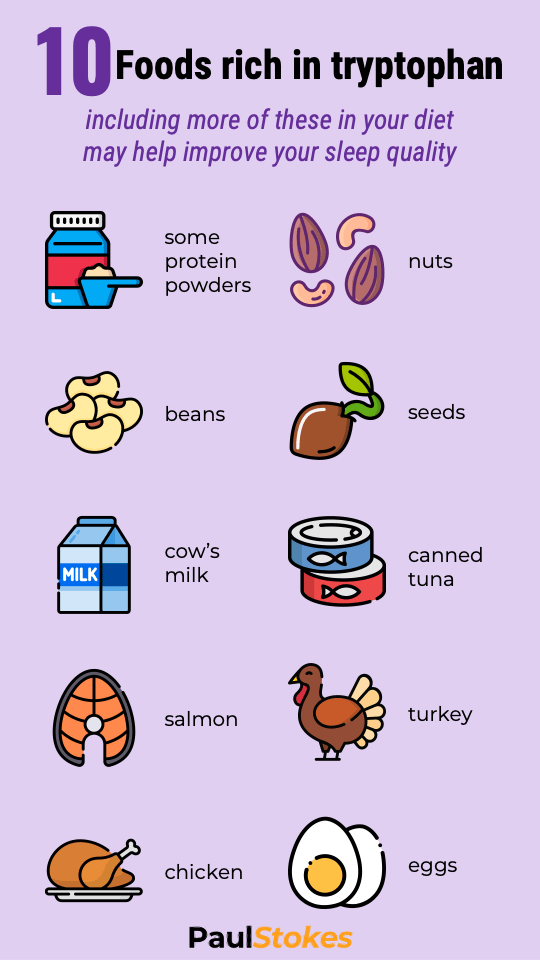
Proteins contain amino acids like tryptophan. Tryptophan supports the production of melatonin, the sleep hormone. A moderate amount of protein in the evening can improve sleep quality.
Fats slow digestion, which might cause discomfort at night. High-fat meals before bed may reduce sleep quality. Choosing healthy fats and eating them earlier helps avoid this issue.
Impact Of Micronutrients
Micronutrients include vitamins and minerals. Magnesium helps relax muscles and calm the nervous system. Low magnesium levels link to poor sleep and insomnia.
Calcium also supports melatonin production. A diet rich in calcium can promote better sleep cycles. Vitamin D affects sleep through its role in brain health. Deficiency may cause sleep disturbances.
Iron helps oxygen transport in the body. Low iron can lead to restless leg syndrome, disturbing sleep. Ensuring enough micronutrients supports a restful night.
Hydration And Sleep
Water balance affects sleep too. Dehydration can cause dry mouth and leg cramps at night. These issues interrupt sleep and reduce quality.
Drinking enough water during the day helps prevent these problems. Avoid drinking large amounts right before bed. This reduces the need to wake for bathroom trips.
Proper hydration supports overall body function and promotes deep, uninterrupted sleep.

Foods That Promote Better Sleep
Eating the right foods can help improve your sleep quality. Certain fruits, vegetables, grains, and proteins contain nutrients that support better rest. These foods help your body relax and prepare for sleep.
Choosing sleep-friendly foods can make falling asleep easier and help you stay asleep longer. Here are some key food groups that promote better sleep.
Sleep-boosting Fruits And Vegetables
Fruits like cherries, bananas, and kiwi have natural compounds that aid sleep. Cherries contain melatonin, a hormone that controls your sleep cycle. Bananas provide magnesium and potassium, which relax muscles and nerves. Kiwi is rich in antioxidants and serotonin, helping you fall asleep faster.
Vegetables such as spinach and kale also support sleep. They are high in magnesium and calcium, minerals that calm the nervous system. Eating these fruits and vegetables regularly can improve your sleep quality.
Benefits Of Whole Grains
Whole grains like oats, brown rice, and quinoa contain complex carbohydrates. These carbs help increase serotonin levels, which promote relaxation and sleep. Whole grains also have magnesium, a mineral linked to better sleep patterns.
Replacing refined grains with whole grains can stabilize blood sugar levels. This prevents waking up during the night and supports deeper sleep stages.
Dairy And Protein Sources
Dairy products such as milk and yogurt are rich in calcium. Calcium helps the brain use tryptophan to make melatonin. This process supports falling asleep and staying asleep.
Protein sources like turkey, chicken, and eggs provide tryptophan, an amino acid that promotes sleep. Eating moderate amounts of these proteins can improve your sleep quality without causing discomfort.
Foods And Substances That Disrupt Sleep
Certain foods and substances can harm your sleep quality. They can keep you awake or cause restless nights. Knowing which items to avoid helps improve your sleep naturally.
Effects Of Caffeine And Stimulants
Caffeine is a well-known stimulant found in coffee, tea, soda, and energy drinks. It blocks sleep-inducing chemicals in the brain. This makes falling asleep harder and reduces deep sleep.
Even small amounts of caffeine late in the day can disrupt sleep. Stimulants like nicotine also raise heart rate and alertness. This keeps the body from relaxing fully at night.
Alcohol’s Impact On Sleep Patterns
Alcohol may help you fall asleep faster but worsens sleep quality. It causes frequent awakenings and reduces REM sleep, the most restful stage. This leads to tiredness the next day.
The body processes alcohol during the night, causing disruptions. Drinking close to bedtime increases bathroom trips and night sweats. Avoid alcohol before sleep to rest better.
High Sugar And Processed Foods
Eating high sugar or processed foods can harm sleep. They cause blood sugar spikes and crashes, leading to night waking. These foods often contain additives that affect brain chemistry.
Heavy meals high in sugar or fat before bed make digestion harder. This can cause discomfort and trouble falling asleep. Choose whole foods and light snacks at night.
Timing Your Meals For Restful Nights
Timing meals can impact sleep quality a lot. When and what you eat before bed can help or hurt your rest. Eating at the right time helps your body prepare for sleep. It also supports digestion and keeps your energy steady. Understanding meal timing can lead to more restful nights.
Best Eating Schedule Before Bed
Finish your main meal at least 2 to 3 hours before sleep. This gives your body time to digest food properly. Eating too close to bedtime can cause discomfort and restless sleep. Choose lighter meals in the evening, focusing on lean proteins and vegetables. Drinking water early helps avoid waking up at night.
Avoiding Heavy Late-night Meals
Heavy meals late at night can disrupt sleep cycles. Foods high in fat or spice may cause indigestion or heartburn. These issues make falling asleep harder and cause frequent awakenings. Skip large portions and fried foods near bedtime. Instead, keep evening meals small and easy to digest.
Snacking Tips For Sleep Improvement
Small, healthy snacks can support better sleep if timed well. Choose snacks with natural sleep aids like tryptophan, magnesium, or calcium. Examples include yogurt, almonds, or a banana. Avoid sugary or caffeinated snacks before bed. Keep snacks light to prevent stomach upset and promote calmness.
Supplements And Nutrients To Support Sleep
Nutrition plays a key role in sleep quality. Certain supplements and nutrients help the body relax and prepare for rest. These natural aids can support better sleep patterns and reduce sleep disturbances. Understanding which nutrients help can guide better choices for nightly rest.
Role Of Magnesium And Zinc
Magnesium helps calm the nervous system. It supports muscle relaxation and lowers stress hormones. Zinc works with magnesium to improve sleep depth. Both minerals may reduce the time it takes to fall asleep. Foods rich in magnesium and zinc or supplements can enhance sleep quality.
Melatonin And Herbal Aids
Melatonin is a hormone that controls the sleep cycle. Supplements can help reset the internal clock, especially for shift workers or travelers. Herbal aids like valerian root and chamomile have calming effects. These herbs help the body unwind and promote natural sleep.
Consulting Professionals For Safe Use
Consult a healthcare provider before starting supplements. Dosages and interactions vary by individual health needs. A professional can recommend safe options and proper amounts. This ensures supplements support sleep without causing side effects.
Lifestyle Habits To Enhance Nutrition And Sleep
Good lifestyle habits improve both nutrition and sleep quality. Small changes in daily routines can make a big difference. Eating well and sleeping well work together to boost health.
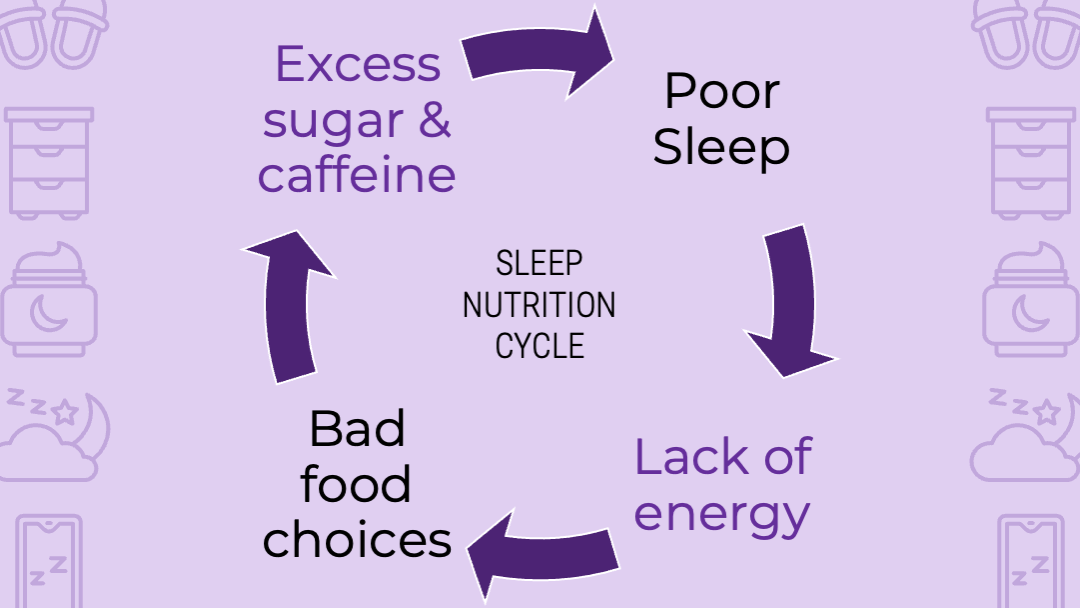
Better nutrition helps your body rest deeply. Quality sleep supports better food choices and digestion. Healthy habits create a positive cycle for your body and mind.
Balancing Exercise And Diet
Exercise helps regulate your sleep patterns. Aim for moderate activity most days of the week. Avoid intense workouts close to bedtime. Pair exercise with a balanced diet rich in fruits and vegetables. Proper nutrition fuels your workouts and aids recovery. Both exercise and diet improve sleep quality naturally.
Stress Management Techniques
Stress harms both nutrition and sleep. Find simple ways to relax daily. Try deep breathing or meditation for a few minutes. Journaling your thoughts can ease your mind. Managing stress keeps your hormones balanced. Balanced hormones help you fall asleep faster and stay asleep longer.
Creating A Sleep-friendly Environment
Make your bedroom a calm space for rest. Keep it cool, dark, and quiet. Remove screens and bright lights before bed. Use comfortable bedding and pillows. A clean, inviting room signals your brain to relax. A good sleep environment supports better nutrition and overall health.
Frequently Asked Questions
How Does Nutrition Impact Sleep Quality?
Nutrition affects sleep by regulating hormones like melatonin and serotonin. Balanced meals improve sleep duration and reduce disturbances. Nutrient deficiencies can cause insomnia or poor sleep. Eating the right foods promotes relaxation and restful sleep cycles.
Which Foods Improve Sleep Quality Naturally?
Foods rich in magnesium, tryptophan, and melatonin boost sleep quality. Examples include nuts, dairy, turkey, and cherries. These nutrients help relax muscles and regulate sleep-wake cycles. Consuming them in moderation before bedtime supports deeper, more restorative sleep.
Can Poor Diet Cause Sleep Problems?
Yes, poor diet can disrupt sleep patterns. High sugar and caffeine intake increase alertness, delaying sleep onset. Lack of essential nutrients affects hormone balance, causing insomnia. A healthy diet is crucial for maintaining consistent, quality sleep.
When Should I Eat To Promote Better Sleep?
Eating a balanced meal 2-3 hours before bedtime aids sleep. Avoid heavy or spicy foods late at night to prevent discomfort. Timing meals properly helps regulate metabolism and supports the body’s natural sleep rhythm.
Conclusion
Good sleep starts with what you eat each day. Nutritious foods help your body relax and rest well. Avoid heavy meals before bedtime to sleep deeply. Drinking enough water supports healthy sleep cycles too. Small changes in diet can improve how you feel.
Sleep and nutrition work closely for your health. Try to eat balanced meals for better nights. Healthy habits bring peaceful sleep and more energy. Sleep well by choosing the right foods every day.