
Have you ever wondered why some nights you wake up feeling refreshed, while other mornings leave you tired and drained? The secret often lies in the habits you follow before you even close your eyes.
Your pre-sleep routine can make a huge difference in how deeply and peacefully you sleep. By understanding and adjusting these habits, you can unlock better rest and wake up energized every day. Keep reading to discover simple changes you can make tonight that will transform your sleep quality for the better.
:max_bytes(150000):strip_icc()/what-is-sleep-hygiene-5085887-FINAL-831b8421e75249f0952fbf4efb0adda7.png)
Quick Navigation
Role Of Pre-sleep Habits
Pre-sleep habits play a key role in shaping the quality of your sleep. Small actions before bed can affect how fast you fall asleep and how restful your sleep is. These habits influence your body’s natural rhythms and prepare your mind for rest.
Good pre-sleep routines help signal your brain that it is time to wind down. Poor habits can cause restlessness and disturb your sleep cycles. Understanding these effects can improve your nightly rest and overall health.
Creating A Relaxing Environment
A calm bedroom sets the stage for deep sleep. Dim lights and cool temperatures help your body relax. Reducing noise and clutter makes it easier to fall asleep quickly.
Limiting Screen Time
Blue light from screens delays sleep hormones. Avoiding phones, tablets, and TVs before bed improves sleep onset. Reading a book or listening to soft music can replace screen time.
Mindful Eating And Drinking
Heavy meals close to bedtime can cause discomfort and disrupt sleep. Drinking less liquid reduces nighttime bathroom trips. Choose light snacks if needed, and avoid caffeine and alcohol.
Establishing A Consistent Schedule
Going to bed and waking up at the same time stabilizes your internal clock. This consistency helps you fall asleep faster and wake up refreshed. Weekend sleep-ins can confuse your body’s rhythm.
Common Pre-sleep Activities
Pre-sleep activities shape how well you sleep. Simple habits before bed can help or hurt your rest. Knowing common activities helps you choose better ones. This improves sleep quality and feeling refreshed.
Screen Time Impact
Using phones or computers before bed can harm sleep. Screens emit blue light that tricks the brain. It delays melatonin, the sleep hormone. Less melatonin means harder time falling asleep. Avoid screens at least 30 minutes before bed. Try reading a book or listening to calm music instead.
Eating And Drinking
Eating heavy meals or spicy food late can cause discomfort. This disrupts sleep and causes stomach problems. Drinking caffeine or sugary drinks close to bedtime wakes you up. Water is good, but avoid too much to prevent bathroom trips. Eat light, healthy snacks if hungry before bed.
Physical Activity
Exercise helps sleep but timing matters. Intense workouts right before bed raise heart rate. This makes falling asleep difficult. Gentle activities like stretching or yoga relax your body. Try to finish exercise at least two hours before bedtime. This helps your body cool down and prepare for sleep.
Effects On Sleep Stages
Pre-sleep habits have a strong impact on how well the body moves through sleep stages. Each stage of sleep plays a key role in health and rest. Disruptions before bed can change these stages. This change lowers the quality of sleep and how refreshed a person feels the next day.
Rem Sleep Disruption
REM sleep is when dreaming happens. It helps with memory and mood. Poor habits before sleep can shorten REM time. Watching screens or eating late can keep the brain too active. This stops the brain from entering deep REM phases. Less REM sleep means feeling tired and forgetful.
Deep Sleep Reduction
Deep sleep is the most restful stage. The body repairs itself during this time. Bad pre-sleep habits like drinking caffeine or stressing reduce deep sleep. This causes less muscle repair and weaker immune function. Lack of deep sleep makes it harder to wake up refreshed.
Stress And Relaxation Techniques
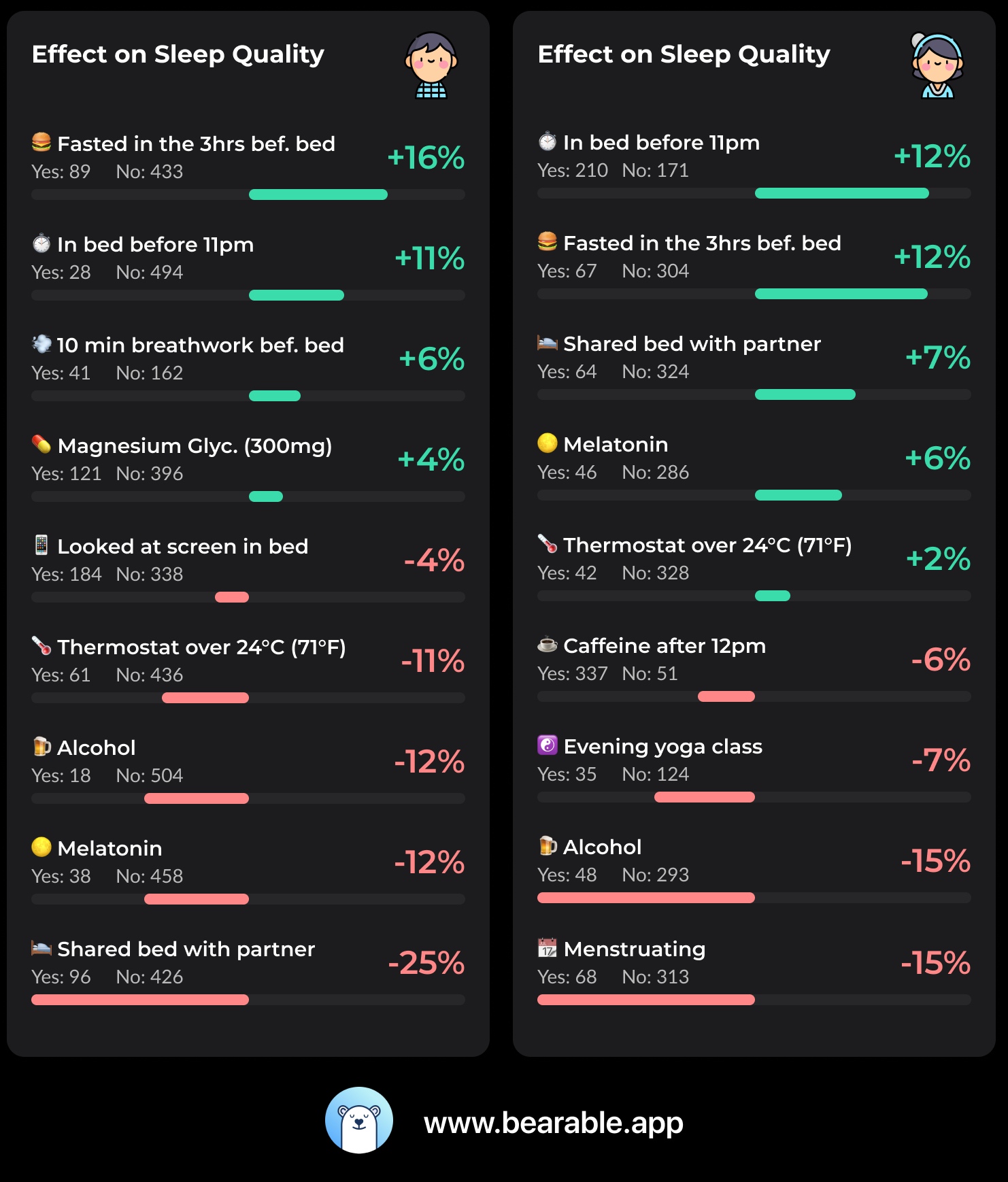
Stress before bed can stop your mind from resting. Tension keeps your brain active and makes falling asleep hard. Using relaxation techniques helps calm your body and mind. These methods ease stress, making sleep deeper and better.
Simple stress relief steps improve how well you sleep. Try quiet activities that lower your heart rate and relax muscles. This prepares your body for rest and helps you wake up fresh.
Meditation Benefits
Meditation clears your mind and reduces worry. Sitting quietly and focusing on your breath slows down thoughts. This calm state helps your body relax fully. Regular meditation before bed can lower stress hormones. It also improves sleep quality and length. Even a few minutes can make a big difference.
Breathing Exercises
Breathing exercises calm your nervous system quickly. Deep, slow breaths send signals to relax your body. Try breathing in for four seconds, hold, then out for four. This steady rhythm lowers heart rate and eases tension. Practicing breathing before sleep helps you fall asleep faster. It also keeps you asleep longer through the night.
Creating A Sleep-friendly Routine
Creating a sleep-friendly routine is key to better sleep quality. Small habits before bed can help your body relax. These habits prepare your mind and body for rest. A good routine signals your brain that it’s time to sleep. Consistency and comfort play a big role in this process.
Consistent Bedtime
Going to bed at the same time every night helps your body clock. This regularity makes falling asleep easier. It also helps you wake up feeling refreshed. Try to stick to your bedtime, even on weekends. This habit trains your brain to expect sleep at a set time.
Environment Adjustments
Your bedroom should feel calm and cozy. Keep the room dark to help your body produce melatonin. Lower the temperature for a cooler, more comfortable sleep. Remove noise or use soft sounds to block distractions. Choose a comfortable mattress and pillows that support your body well.
Foods And Drinks To Avoid
What you eat and drink before bed changes how well you sleep. Some foods and drinks make falling asleep hard. Others cause waking up at night. Avoiding certain items helps improve sleep quality.
Caffeine And Alcohol Effects
Caffeine is a stimulant. It keeps the brain awake and alert. Drinking coffee, tea, or soda late can stop sleep. The body needs hours to clear caffeine.
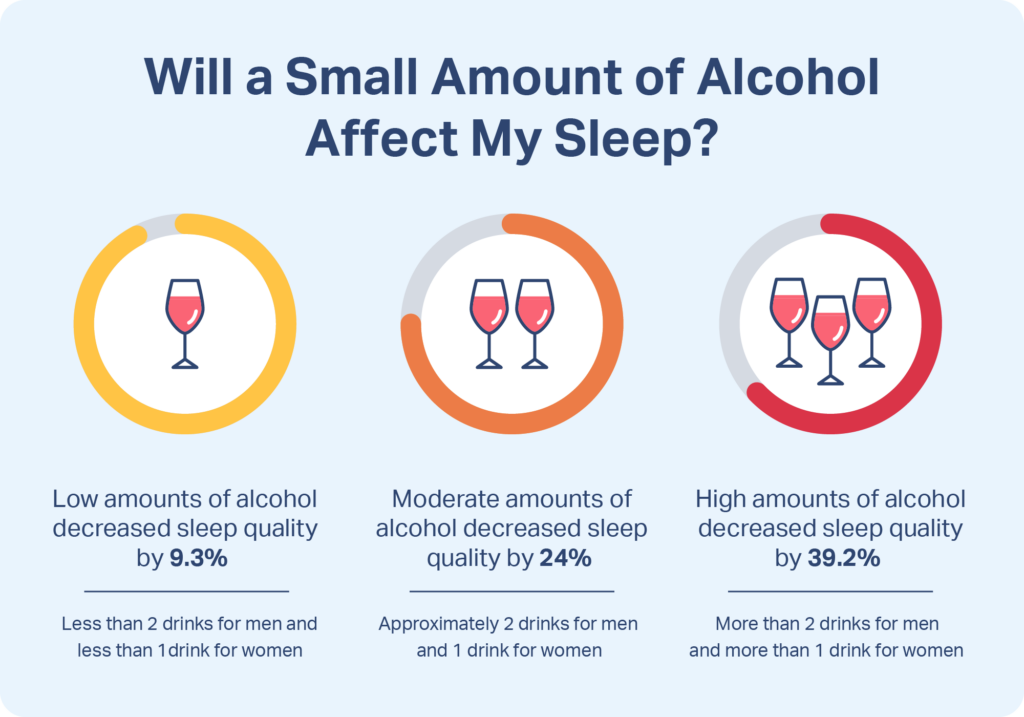
Alcohol might make you sleepy at first. It breaks down in the body and disturbs sleep later. Alcohol can cause restless sleep and early waking.
Heavy Meals
Eating a large meal before bed can cause discomfort. The body works hard to digest food. This can lead to heartburn and trouble falling asleep.
Foods high in fat or spice increase this effect. Light, small snacks are better before sleeping. Give your stomach time to rest for better sleep.
Technology’s Role Before Bed
Technology plays a big role in our lives before bed. Many people use phones, tablets, or computers at night. These devices can affect how well we sleep. Our habits with technology can either help or harm our sleep quality.
Blue Light Exposure
Blue light comes from screens on phones and computers. It tricks the brain into thinking it is daytime. This stops the body from making melatonin, a hormone that helps us sleep. Too much blue light at night can make it hard to fall asleep. It can also reduce deep sleep, making us feel tired the next day.
Using Night Mode
Night mode changes the screen to warmer colors. It reduces blue light exposure in the evening. Using night mode can help the brain prepare for sleep. It is not a perfect solution but better than normal screen light. Turning on night mode before bed may improve sleep quality over time.
Tips For Better Pre-sleep Habits
Improving your pre-sleep habits can greatly enhance sleep quality. Simple changes in your routine can help your body relax and prepare for rest. Establishing a calm and consistent pre-sleep ritual sets the stage for deeper, more restful sleep.
Small adjustments can make a big difference. Focus on habits that calm your mind and body before bed. These tips support a smooth transition from wakefulness to sleep.
Limit Screen Time Before Bed
Turn off phones, tablets, and computers at least 30 minutes before sleep. Blue light from screens can block melatonin, the hormone that helps you fall asleep. Instead, try reading a book or listening to soft music.
Create A Relaxing Environment
Keep your bedroom dark, quiet, and cool. Use blackout curtains or eye masks to block light. Lower noise with earplugs or white noise machines. A comfortable room helps your body feel ready to rest.
Stick To A Consistent Schedule
Go to bed and wake up at the same time every day. Regular sleep times train your body’s internal clock. Consistency improves the ease of falling asleep and the quality of sleep.
Avoid Heavy Meals And Caffeine Late
Don’t eat large meals or drink caffeine close to bedtime. Both can cause discomfort or keep you awake. Choose light snacks if needed, and avoid coffee or soda after mid-afternoon.
Practice Relaxation Techniques
Try deep breathing, meditation, or gentle stretching before bed. These methods reduce stress and calm your mind. A relaxed body falls asleep faster and stays asleep longer.
Frequently Asked Questions
What Are Common Pre-sleep Habits Affecting Sleep Quality?
Common pre-sleep habits include screen time, caffeine intake, and inconsistent bedtimes. These habits disrupt melatonin production and circadian rhythms, leading to poor sleep quality and difficulty falling asleep.
How Does Screen Time Before Bed Impact Sleep?
Screen time before bed emits blue light, which suppresses melatonin. This hormone regulates sleep-wake cycles. Reduced melatonin makes falling asleep harder and lowers overall sleep quality.
Can Evening Caffeine Consumption Affect Sleep Quality?
Yes, caffeine is a stimulant that delays sleep onset and reduces deep sleep. Consuming caffeine late in the day can cause restlessness and fragmented sleep, negatively impacting overall sleep quality.
Why Is A Consistent Bedtime Important For Better Sleep?
A regular bedtime helps regulate your body’s internal clock, improving sleep onset and duration. Consistency enhances sleep quality by aligning sleep patterns with natural circadian rhythms.
Conclusion
Good pre-sleep habits help your body relax and prepare for rest. Avoid screens and bright lights before bedtime. Try calming activities like reading or gentle stretching. Keep a regular sleep schedule to improve sleep quality. Small changes in your routine can make a big difference.
Sleep well, feel better, and wake up refreshed. Healthy habits tonight mean better sleep tomorrow.

