
As an Amazon Associate I earn from qualifying purchases.
Have you ever noticed how your heart doesn’t beat like a metronome? Sometimes it speeds up, other times it slows down, even when you’re resting.
This natural variation is called Heart Rate Variability, or HRV. Understanding your HRV can unlock powerful insights about your stress, recovery, and overall health. If you want to learn how to listen to your body’s hidden signals and improve your well-being, keep reading.
This simple concept might just change the way you think about your heart—and yourself.
Quick Navigation
Basics Of Heart Rate Variability
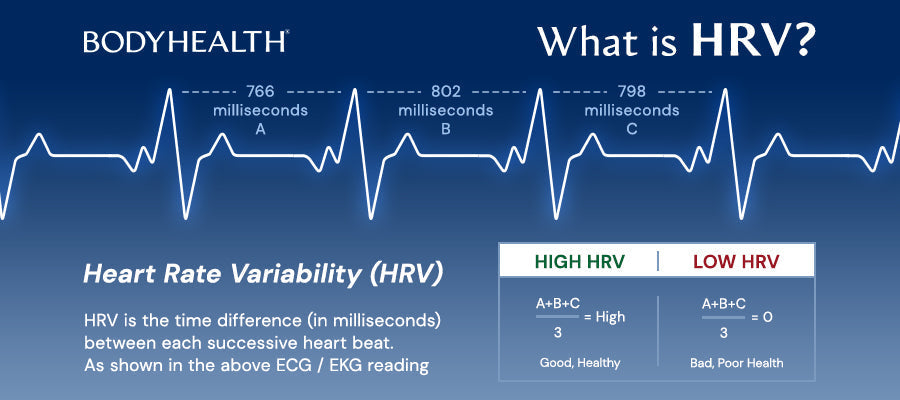
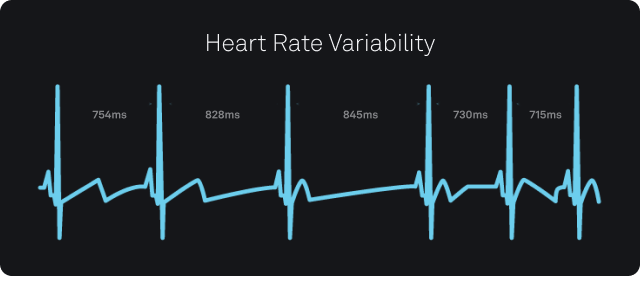
Heart Rate Variability (HRV) is a simple way to understand how your body reacts to stress and rest. It measures the tiny changes in time between heartbeats. These changes show how well your heart adapts to different situations.
HRV helps track your health and fitness. It tells a story about your nervous system and how it controls your heart. Learning about HRV gives insight into your body’s balance and resilience.
What Hrv Measures
HRV measures the time gap between each heartbeat. This gap is not always the same. A higher variation means your body can adjust well to stress. A lower variation may show stress or fatigue. HRV gives a clear picture of your heart’s flexibility.
How Hrv Reflects Autonomic Nervous System
The autonomic nervous system controls automatic body functions like heartbeat and breathing. It has two parts: sympathetic and parasympathetic. The sympathetic speeds up the heart. The parasympathetic slows it down. HRV shows how these two parts work together to balance your heart rate.
Factors Influencing Hrv
Many things affect HRV. Stress and anxiety can lower it. Good sleep and relaxation can raise it. Exercise, diet, and hydration also play a role. Age and genetics matter too. Watching these factors helps you understand your HRV changes.

Why Hrv Matters For Health
Heart Rate Variability (HRV) is a key marker of your body’s health. It shows how well your body handles stress and recovers. Tracking HRV can help you understand your overall wellness. It reveals how your heart reacts to daily challenges and rest.
Knowing why HRV matters can guide better health choices. It connects closely to stress, heart health, and mental well-being.
Link To Stress And Recovery
HRV measures the variation between heartbeats. A high HRV means your body adapts well to stress. It signals good recovery and balance in your nervous system. Low HRV often shows stress or fatigue. It means your body struggles to recover fully. Monitoring HRV helps manage stress and improve rest habits.
Hrv And Cardiovascular Health
Heart rate variability reflects heart and blood vessel health. Higher HRV links to a stronger heart and better blood flow. Lower HRV can indicate heart problems or risks. Regular HRV checks can catch early signs of heart issues. It supports better heart disease prevention and care.
Mental Health Connections
HRV also relates to mental health. People with anxiety or depression often show lower HRV. A balanced HRV suggests good emotional regulation and calmness. Tracking HRV can help spot mental stress early. It offers a way to support mental health through lifestyle changes.
Measuring Heart Rate Variability
Measuring Heart Rate Variability (HRV) helps understand your body’s stress and recovery. It tracks how your heart rate changes between beats. These variations show how well your nervous system works. Accurate measurement is key to using HRV effectively. Let’s explore the types of HRV metrics, tools to track them, and tips for best results.
Types Of Hrv Metrics
HRV is measured using different metrics. Time-domain metrics look at the time between heartbeats. The most common is the SDNN, which shows overall variability. Another is RMSSD, focusing on short-term changes.
Frequency-domain metrics analyze how often certain heart rate changes occur. They break down signals into low and high frequency. This helps see how the body reacts to stress and rest.
Non-linear metrics measure complex heart rate patterns. They give extra details about the nervous system’s balance. Each type offers a unique view of your health.
Tools And Devices For Tracking
Many devices track HRV today. Chest strap heart monitors are very accurate. They record precise heartbeat intervals.
Wrist-based fitness trackers offer convenience. They use optical sensors to estimate HRV. Smartwatches combine HRV tracking with other health features.
Mobile apps connect to these devices. They show HRV trends and give insights. Choose a device that fits your lifestyle and budget.
Best Practices For Accurate Measurement
Measure HRV at the same time daily. Morning is best, right after waking up. Avoid caffeine, exercise, or stress before measuring.
Sit quietly and breathe normally. Use a calm environment to reduce errors. Take several readings over days for reliable data.
Follow device instructions closely. Regular tracking helps spot real changes. Consistency matters more than a single measurement.
Improving Your Hrv
Improving your heart rate variability (HRV) can boost your overall health. HRV measures the time difference between heartbeats. A higher HRV often means better fitness and stress management. Simple changes in daily habits can increase your HRV. Small steps add up to big benefits.
Lifestyle Changes That Help
Stress reduction is key to better HRV. Try deep breathing or meditation for a few minutes daily. Avoid smoking and reduce alcohol intake. Stay hydrated by drinking enough water. Avoid caffeine late in the day. These habits support your nervous system and improve HRV.
Role Of Sleep And Nutrition
Good sleep improves your body’s recovery and HRV. Aim for 7 to 9 hours each night. Keep a regular sleep schedule. Eat balanced meals with fruits, vegetables, and whole grains. Avoid heavy meals before bedtime. Proper nutrition fuels your heart and nervous system.
Exercise And Hrv
Regular exercise strengthens your heart and increases HRV. Choose activities you enjoy, like walking, cycling, or swimming. Mix moderate and light workouts. Avoid overtraining, which can lower HRV. Rest days are important for recovery and balance.
Using Hrv Data Effectively
Using Heart Rate Variability (HRV) data effectively can improve your health and fitness journey. HRV shows how your body handles stress and recovery. Tracking this data helps you make better daily choices. You can adjust workouts, rest, and lifestyle for better results. Understanding and applying HRV trends is key to using this data well.
Learning to read HRV trends guides your actions. Consistent tracking reveals patterns in your health. Changes in HRV can signal stress, illness, or fatigue. This insight helps you decide when to push harder or rest more. Using this data wisely supports long-term well-being.
Interpreting Your Hrv Trends
Look at your HRV scores over days or weeks. A rising trend means good recovery and low stress. A dropping trend might show fatigue or illness. Small daily changes are normal. Large, lasting drops need attention. Compare your HRV with how you feel. Use trends, not single readings, to guide choices.
Integrating Hrv Into Wellness Plans
Use HRV data to plan workouts and rest. High HRV days are good for intense training. Low HRV days suggest lighter activity or rest. Include relaxation techniques when HRV drops. Sleep, hydration, and nutrition affect HRV. Adjust your wellness plan based on these signals. Balance activity and recovery for better health.
When To Seek Professional Advice
Consult a healthcare provider if HRV stays low for many days. Sudden, severe changes in HRV may need medical attention. Share your HRV data with your doctor or trainer. Professionals can help understand your HRV and guide your plan. Do not ignore persistent low HRV or symptoms like fatigue or dizziness.
Frequently Asked Questions
What Is Heart Rate Variability (hrv)?
HRV measures the time differences between heartbeats. It reflects your autonomic nervous system’s balance and overall heart health.
Why Is Hrv Important For Health?
HRV indicates stress levels and recovery status. Higher HRV usually means better cardiovascular fitness and resilience to stress.
How Is Hrv Measured Accurately?
HRV is measured using heart rate monitors or wearable devices. Consistent conditions, like resting state, improve accuracy.
Can Hrv Improve With Lifestyle Changes?
Yes, regular exercise, good sleep, and stress management can increase HRV, promoting better heart and nervous system health.
Conclusion
Heart rate variability (HRV) shows how your heart adapts to stress. It reflects your body’s balance and health. Higher HRV often means better fitness and relaxation. Lower HRV can signal stress or health issues. Tracking HRV helps you understand your body’s signals.
Small changes in HRV can guide your lifestyle choices. Pay attention to your heart’s rhythm daily. It’s a simple way to support your well-being. Keep learning about HRV to stay healthy and strong. Your heart talks. Are you listening?