
As an Amazon Associate I earn from qualifying purchases.
Have you ever thought about how the way you sleep might be shaping your posture? The position you choose each night does more than just affect your comfort—it can impact your body’s alignment over time.
If you wake up with stiffness or aches, your sleeping habits could be the hidden cause. Understanding this connection can help you protect your spine and feel better every day. Keep reading to discover how your sleeping position affects your posture and what simple changes you can make to improve your health while you rest.
Quick Navigation
Sleep Positions And Spine Alignment
Sleep positions play a big role in how your spine stays aligned during the night. Proper spine alignment helps reduce back and neck pain. It also supports better posture over time. Different sleep positions affect your spine in different ways. Some positions keep your spine straight, while others may cause strain.
Back Sleeping Benefits And Drawbacks
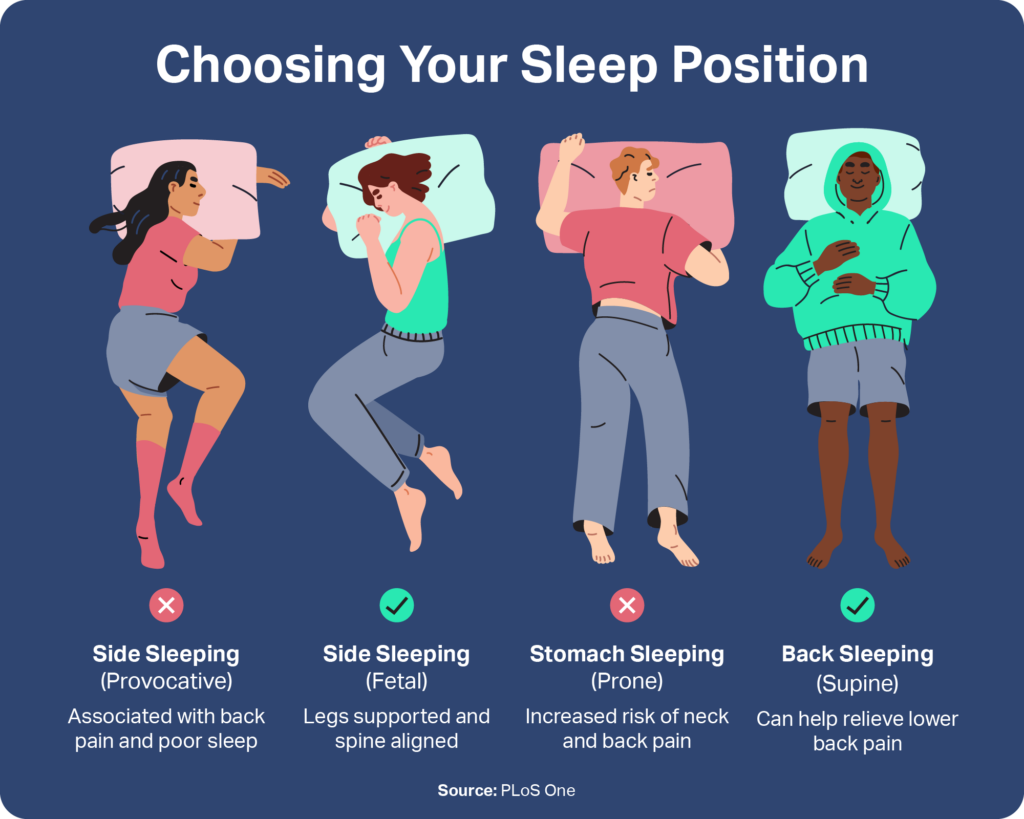
Sleeping on your back keeps your spine in a neutral position. This means your head, neck, and back line up well. It helps reduce pressure on your joints and muscles. Back sleeping can lower the chance of developing wrinkles on your face. It also helps prevent acid reflux for some people.
On the downside, back sleeping can worsen snoring or sleep apnea. Some people find it hard to stay in this position all night. It may also cause lower back pain if your mattress does not support your spine.
Side Sleeping Effects On Posture
Side sleeping is the most common position. It helps keep your spine straight if you use the right pillow. This position can reduce snoring and improve breathing. It is also good for people with sleep apnea. Side sleeping reduces acid reflux symptoms as well.
On the negative side, side sleeping can cause shoulder or hip pain. It may also lead to wrinkles on one side of your face. Using a supportive pillow between your knees can help keep hips aligned. It helps reduce pressure on your lower back.
Impact Of Stomach Sleeping
Stomach sleeping is the least recommended for spine health. It puts strain on your neck because you must turn your head to breathe. This can cause neck pain and stiffness. Your lower back may also arch unnaturally in this position. This leads to discomfort and poor posture over time.
Some people find stomach sleeping helps reduce snoring. But the risks to spine alignment are high. If you prefer this position, try using a thin pillow or no pillow at all. This can reduce neck strain and improve comfort.
Common Posture Issues Linked To Sleep
Many people do not realize how much their sleep position affects their posture. Poor sleeping habits can cause or worsen posture problems over time. The wrong sleep position can lead to aches and pains in key areas of the body. These pains can make it hard to maintain good posture during the day. Understanding common posture issues linked to sleep helps you make better choices at night.
Neck Pain And Sleep Position
Sleeping with your neck in an awkward position strains the muscles. This strain causes stiffness and pain that lasts throughout the day. Side sleepers who use too high or too firm pillows often suffer from neck pain. Back sleepers with no pillow or very flat pillows can also feel neck discomfort. Neck pain from sleep makes it harder to hold your head straight and aligned.
Lower Back Strain From Poor Sleeping Habits
Sleeping without proper support can stress the lower back. Stomach sleeping is a common cause of lower back strain. This position twists the spine and puts pressure on muscles. Lack of support from the mattress can worsen the problem. Lower back strain leads to poor posture because it makes sitting and standing painful.
Shoulder Discomfort And Sleeping Styles
Shoulder pain often comes from sleeping on one side too long. Pressure on the shoulder joint causes inflammation and discomfort. Side sleepers who hug a pillow or tuck arms under the body may worsen shoulder pain. Poor shoulder alignment during sleep restricts movement and causes stiffness. This pain makes it difficult to keep shoulders relaxed and back straight.
Choosing The Right Pillow And Mattress
Choosing the right pillow and mattress plays a big role in keeping your posture healthy. Poor sleep surfaces can cause pain and misalignment. Good support helps your spine stay in a natural position while you sleep. This reduces strain on muscles and joints over time. Picking the correct pillow and mattress supports your body’s shape and sleeping style. It can improve your overall sleep quality and posture health.
Pillow Types For Spinal Support
Different pillows offer different levels of support. Memory foam pillows contour to your head and neck. They keep your spine aligned by filling the gaps. Feather pillows are soft but may not keep proper shape. Contour pillows have a curved shape to support neck curves. Choosing a pillow depends on your sleep position. Side sleepers need thicker pillows to fill the space between head and mattress. Back sleepers benefit from medium thickness pillows. Stomach sleepers need thin pillows or none to avoid neck strain.
Mattress Firmness And Posture
Mattress firmness affects how well your body stays aligned. Too soft mattresses let your body sink too deep. This causes spine to bend unnaturally. Too firm mattresses create pressure points and misalign your spine. Medium-firm mattresses usually offer the best support. They keep your spine straight and relieve pressure. Your weight and sleep position affect mattress choice. Heavier people often need firmer mattresses. Lighter people can find comfort in softer mattresses.
Adjusting Sleep Setup For Better Alignment
Small changes can improve sleep posture a lot. Use pillows to support knees or lower back if needed. Side sleepers should place a pillow between knees to keep hips aligned. Back sleepers can put a pillow under knees to reduce lower back strain. Avoid sleeping on your stomach to protect neck and spine. Test different pillow heights and mattress firmness for comfort. Adjust your setup until your spine feels neutral and relaxed.

Tips To Improve Sleep Posture
Improving sleep posture helps protect your spine and reduce pain. Small changes in how you sleep can make a big difference. Good habits at night lead to better posture during the day.
Try these tips to support your body while you rest. They help keep your spine in a natural position. This lowers the risk of stiffness and discomfort.
Position Adjustments For Better Alignment
Sleep on your back or side for best spine support. Avoid sleeping on your stomach as it strains your neck. Use a pillow that supports the natural curve of your neck. Keep your head aligned with your spine, not too high or low.
If you sleep on your side, place a pillow between your knees. This keeps your hips level and reduces lower back stress. For back sleepers, try a small pillow under the knees to ease lower back pressure.
Stretching And Strengthening Exercises
Stretch your neck, shoulders, and back before bed. Gentle stretches reduce muscle tightness and improve flexibility. Strengthen your core muscles to support your spine better. Strong muscles help maintain good posture while sleeping and awake.
Simple exercises like shoulder rolls and neck stretches work well. Avoid intense workouts right before sleeping. Consistent practice improves posture over time.
Using Props To Support Correct Posture
Use pillows, wedges, or rolled towels to support your body. Place a small pillow under your lower back if needed. This helps maintain the natural curve of your spine.
Body pillows can provide extra support for side sleepers. They help keep your arms and legs in a comfortable position. Adjust props until you find what feels best for your body.
Long-term Effects Of Sleep Posture
Sleeping position affects posture more than many realize. Over time, poor sleep posture can cause lasting changes. The body adjusts to how it rests each night. This can lead to discomfort and health issues that build up slowly.
Understanding the long-term effects helps in making better choices. It improves sleep quality and protects the spine and muscles. Let’s explore how sleep posture influences health over the years.
Chronic Pain Development
Bad sleeping posture puts stress on muscles and joints. This strain can cause pain in the neck, back, and hips. Pain often starts mild but worsens over months or years. Resting incorrectly stops muscles from relaxing fully.
Continuous strain leads to stiffness and inflammation. Chronic pain becomes common in areas under pressure. Many people wake up feeling sore and tired.
Postural Deformities Over Time
Sleeping in poor positions can change spine alignment. The spine curves unnaturally to adapt to pressure points. This causes postural deformities like rounded shoulders or a hunched back.
These changes are slow and may go unnoticed at first. Over time, they affect how a person stands and moves. Correcting these deformities becomes harder without early care.
Impact On Overall Health And Wellbeing
Posture affects more than just muscles and bones. It influences breathing and circulation during sleep. Poor posture can reduce oxygen flow and cause restless nights.
Long-term poor sleep posture also lowers energy and mood. It can increase stress and affect daily focus. Healthy sleep posture supports better rest and overall health.

Frequently Asked Questions
How Does Sleeping Position Impact Spinal Alignment?
Sleeping positions affect spinal alignment by either supporting or straining your spine. Poor posture during sleep can cause misalignment, leading to discomfort and long-term issues like chronic back pain or stiffness.
Which Sleeping Position Is Best For Posture?
Sleeping on your back with proper pillow support is best for posture. This position maintains natural spinal curves and reduces pressure on joints, promoting healthier alignment over time.
Can Side Sleeping Cause Posture Problems?
Yes, side sleeping can cause posture issues if done without proper support. Using a firm pillow between knees helps keep hips aligned and reduces strain on the spine and shoulders.
Does Stomach Sleeping Harm Posture Over Time?
Stomach sleeping often strains the neck and spine, leading to poor posture. This position twists the spine unnaturally, increasing the risk of pain and alignment problems over time.
Conclusion
Choosing the right sleeping position helps keep your spine aligned. Good posture reduces pain and stiffness over time. Avoid positions that strain your neck or back. Small changes in how you sleep can make a big difference. Healthy sleep habits support better posture and overall comfort.
Pay attention to your body’s signals each night. Sleep well, stand tall, and feel better every day.