
As an Amazon Associate I earn from qualifying purchases.
Have you ever looked at your sleep report and felt completely lost? You’re not alone.
These reports are packed with numbers and terms that can seem confusing at first. But what if you could unlock the secrets hidden in your sleep data? Understanding your sleep report can help you improve your rest, boost your energy, and even protect your health.
You’ll learn how to read your sleep report like a pro—step by step, in simple language. Ready to take control of your sleep? Let’s dive in.
Quick Navigation
Key Components Of A Sleep Report
A sleep report shows what happens during your sleep. It helps understand your sleep quality and any problems. Knowing the key parts of a sleep report makes it easier to read. Each section tells a different story about your night’s rest.
Sleep Stages And Cycles
Sleep has several stages: light, deep, and REM sleep. These stages repeat in cycles through the night. The report shows how long you spend in each stage. This helps see if your sleep is balanced and restful.
Respiratory Events
This section tracks breathing problems like pauses or shallow breaths. It shows if you have apnea or other issues. Counting these events helps doctors decide on treatment options.
Oxygen Saturation Levels
Oxygen levels in your blood show how well you breathe at night. The report notes any drops in oxygen. Low levels might mean breathing problems or poor sleep quality.
Heart Rate Patterns
Your heart rate changes during sleep. The report shows how steady or irregular it is. Abnormal patterns can point to health problems needing attention.
Body Movements And Position
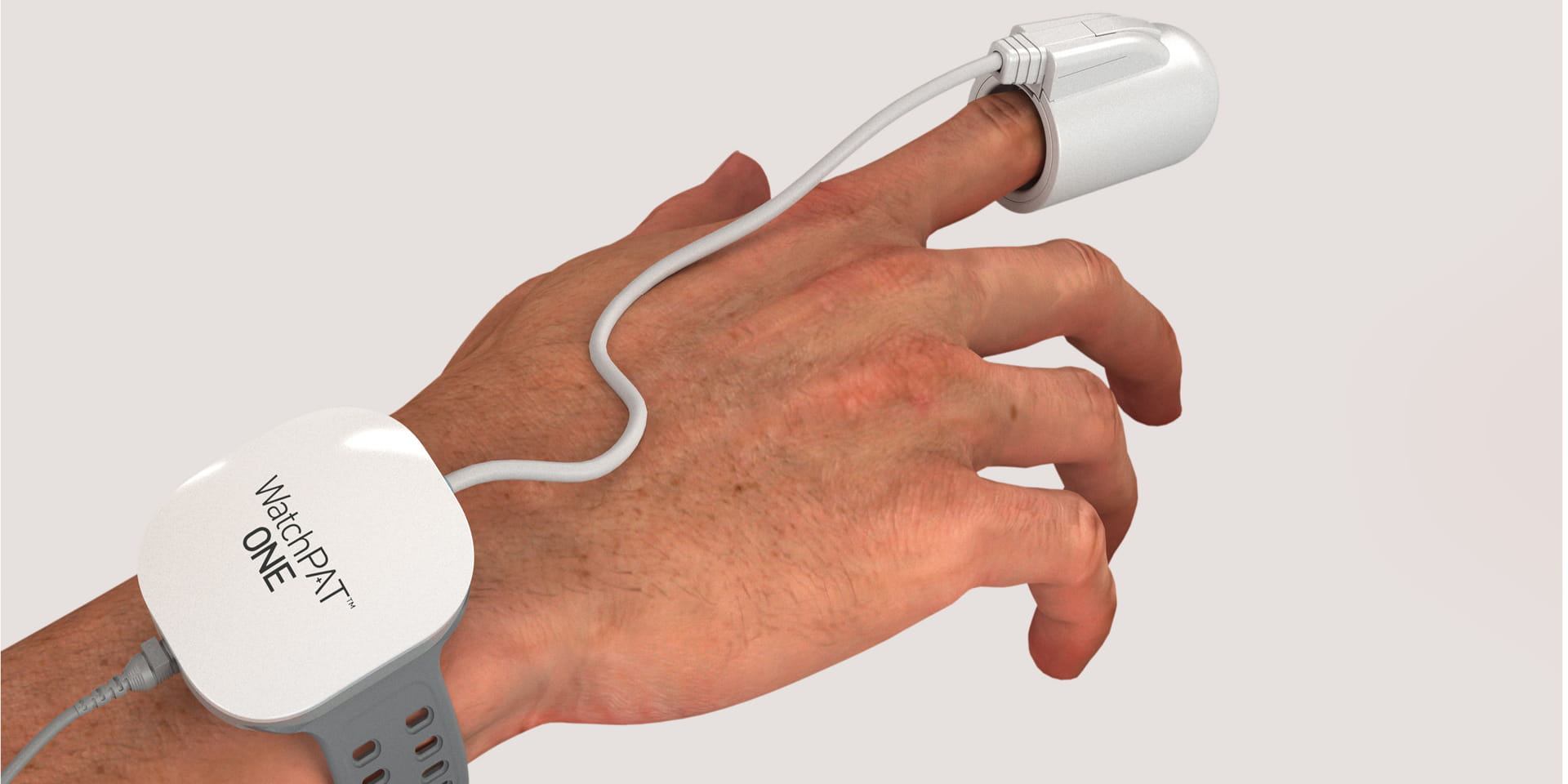
Body position and movements affect sleep quality. The report records if you move a lot or stay still. It also shows if certain positions cause breathing issues or discomfort.
Decoding Sleep Stages
Understanding sleep stages helps you read a sleep report clearly. Sleep is not just one long rest but a cycle of different stages. Each stage plays a unique role in your health and well-being. Knowing these stages can show you how well your body recovers at night.
Sleep reports often list stages in graphs or numbers. Decoding these can tell you if your sleep is balanced and restful. Let’s explore the main sleep stages and what they mean for your body.
Rem Sleep Significance
REM stands for Rapid Eye Movement. This stage is when most dreaming happens. Your brain is very active, almost like when you are awake. REM sleep helps with memory and learning. It also supports emotional health. Lack of REM sleep can cause tiredness and mood problems.
Light Vs Deep Sleep
Light sleep is the first stage you enter after falling asleep. It helps your body relax and prepares you for deeper sleep. Deep sleep is the most restorative stage. Your body heals muscles and tissues here. It also boosts your immune system. Deep sleep is vital for feeling refreshed.
Sleep Architecture Patterns
Sleep architecture means the structure of your sleep cycles. A normal pattern moves through light, deep, and REM stages several times. Each cycle lasts about 90 minutes. Balanced patterns show good sleep quality. Disrupted patterns may signal sleep problems. Sleep reports help track these cycles over the night.
Interpreting Breathing Data
Understanding breathing data in a sleep report is key to knowing your sleep quality. This data shows how well you breathe during sleep. It helps detect breathing problems that disturb rest. Each part of the breathing data tells a story about your sleep health.
Apnea And Hypopnea Events
Apnea means a pause in breathing during sleep. It lasts at least 10 seconds. Hypopnea means shallow or slow breathing. Both reduce oxygen flow to the body. The report lists how many apnea and hypopnea events happen each hour. High numbers can mean sleep apnea, which needs medical attention.
Snoring Analysis
Snoring shows how much air moves through your throat. The report measures snoring loudness and frequency. Loud, frequent snoring can block airways. It may cause breathing pauses. Snoring data helps doctors understand how breathing affects your sleep.
Respiratory Disturbance Index
The Respiratory Disturbance Index (RDI) counts all breathing interruptions. It includes apnea, hypopnea, and other breathing problems. The RDI is given as events per hour of sleep. A higher RDI means more disturbed sleep. This number helps assess the severity of breathing issues.

Analyzing Oxygen And Heart Metrics
Understanding oxygen and heart metrics is key to reading a sleep report well. These numbers reveal how your body works during sleep. They show if your breathing and heartbeat stay steady or face trouble. Knowing these details helps you spot sleep problems early.
Oxygen levels and heart rate often change together. Watching them closely gives a clearer picture of your sleep health. Below are important parts to check in your sleep report.
Oxygen Desaturation Events
Oxygen desaturation means your blood oxygen drops below normal. This can happen during brief breathing pauses. The report shows how many times this occurs each hour. Frequent drops may signal sleep apnea or other issues.
Doctors use this data to decide if treatment is needed. A low oxygen level can stress your body. It might lead to tiredness and health risks.
Heart Rate Variability
Heart rate variability (HRV) shows how much your heartbeat changes. A healthy heart beats with small variations. This means your body adapts well to changes during sleep. Low HRV may indicate stress or poor sleep quality.
Sleep reports display HRV as a range or average. Tracking this helps understand your sleep stages and recovery.
Link Between Oxygen And Heart Rate
Oxygen levels and heart rate often affect each other. When oxygen drops, your heart may beat faster to supply more blood. This is a natural response to low oxygen.
Changes in both metrics can reveal breathing problems during sleep. Watching these patterns helps find hidden issues. It guides doctors to provide the right care for better rest.
Spotting Sleep Disorders
Spotting sleep disorders in your sleep report is key for better rest. These reports reveal signs that show if your sleep is healthy or troubled. Knowing how to read these signs helps you understand your sleep patterns. You can learn about common disorders that affect many people.
This section breaks down three main sleep problems. Each one has clear clues in the report. Recognizing these clues guides you on what steps to take next.
Identifying Sleep Apnea
Sleep apnea shows as breathing pauses in your report. Look for repeated stops or shallow breaths. These pauses often last for seconds or longer. The report may list an apnea-hypopnea index (AHI). A higher AHI means more breathing interruptions. Loud snoring and low oxygen levels are common signs too.
Detecting Periodic Limb Movements
Periodic limb movements cause small jerks or twitches during sleep. These happen often and can disrupt rest. The sleep report tracks muscle activity to spot these moves. A high number of limb movements may explain restless nights. This issue can cause daytime tiredness and poor sleep quality.
Recognizing Insomnia Indicators
Insomnia shows through difficulty falling or staying asleep. The report may highlight low sleep efficiency. This means time in bed is not spent sleeping well. Frequent awakenings and short total sleep time also appear. These signs point to trouble with sleep initiation or maintenance.
Using Sleep Report Insights
Using the insights from a sleep report can help improve your sleep quality. These reports give clear data about your sleep patterns and problems. Understanding these details allows you to make smart choices about your rest. You can track progress, talk to your doctor, and adjust habits easily.
Tracking Sleep Improvements
Sleep reports show how your sleep changes over time. You can see if you fall asleep faster or wake up less. Watch for better deep sleep and less light sleep. Note changes each week to find what helps your rest. Small improvements add up to better health.
Communicating With Healthcare Providers
Use your sleep report to explain your sleep issues clearly. Show exact data like apnea events or oxygen drops. This helps doctors understand your condition without guesswork. They can suggest treatments based on real facts. Your report makes visits more productive and focused.
Personalizing Sleep Hygiene
Sleep reports highlight habits that affect your rest. You may spot patterns like late wake times or restless nights. Change your bedroom, bedtime, or screen use to improve sleep quality. Tailor your routine using the report’s clues. This personal approach supports better, deeper sleep.
Frequently Asked Questions
What Is A Sleep Report And Why Is It Important?
A sleep report summarizes your sleep study results. It helps identify sleep disorders and guides treatment. Understanding it improves sleep quality and overall health. The report includes data on sleep stages, breathing, and movement patterns during sleep.
How Do I Interpret Sleep Stages In My Report?
Sleep stages include light, deep, and REM sleep. Each stage has unique brain activity and functions. Your report shows time spent in each stage. Balanced stages indicate healthy sleep cycles, while imbalances may suggest sleep problems.
What Do Apnea And Hypopnea Events Mean?
Apnea means a complete pause in breathing during sleep. Hypopnea is a partial reduction in airflow. Both disrupt sleep and lower oxygen levels. The report counts these events to assess sleep apnea severity.
How Is Oxygen Saturation Shown In A Sleep Report?
Oxygen saturation measures blood oxygen levels during sleep. The report shows average and minimum values. Low saturation may indicate breathing issues. Maintaining good oxygen levels is crucial for restful sleep and health.
Conclusion
Reading a sleep report can seem tricky at first. Take your time to understand each section. Focus on key parts like sleep stages and breathing patterns. These details reveal how well you rest at night. Use the report to talk with your doctor if needed.
Knowing your sleep helps you improve your health and energy. Practice reading reports regularly to feel more confident. Sleep better, live better.