
As an Amazon Associate I earn from qualifying purchases.
Have you ever wondered what your sleep tracker is really gathering about you every night? You strap it on, hoping for better rest, but do you know what kind of data it collects and how it uses that information?
Understanding what goes behind those glowing numbers can change the way you see your sleep—and your health. Keep reading to discover the surprising details your sleep tracker might be recording, and why it matters to you.
Quick Navigation
Types Of Data Collected
Sleep trackers gather various types of data to help understand your sleep quality. These devices use sensors to monitor different body signals. Each type of data gives unique details about your sleep. This helps you see how well you rest and what may disturb your sleep.
Sleep Stages And Cycles
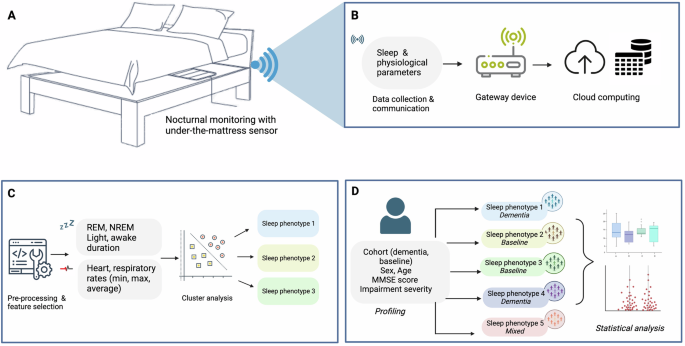
Sleep trackers measure different sleep stages like light, deep, and REM sleep. They track how long you spend in each stage. This helps reveal your sleep cycles during the night. Healthy sleep cycles are important for feeling rested.
Heart Rate And Variability
These devices monitor your heart rate while you sleep. They also check heart rate variability, which shows how your heart responds to stress. Changes in heart rate can indicate how relaxed or restless you are in bed.
Breathing Patterns
Sleep trackers observe your breathing rate and patterns. They detect irregular breathing or pauses, which might signal problems like sleep apnea. Regular breathing usually means better sleep quality.
Movement And Restlessness
Trackers sense body movement during sleep. They note when you toss and turn or stay still. Excessive movement can mean poor sleep or discomfort. Less movement often shows deeper, more restful sleep.
Environmental Factors
Some sleep trackers measure room temperature, noise, and light. These factors can affect your sleep without you noticing. Understanding the environment helps create better sleep conditions.
How Sleep Trackers Gather Data
Sleep trackers collect data by using different tools and methods. These tools help monitor your sleep patterns and quality. Each type of tracker gathers data in a unique way. Understanding how they work helps you choose the right device.
Wearable Sensors
Wearable sensors are small devices worn on the wrist or finger. They use motion sensors to detect movement during sleep. Some also measure heart rate and skin temperature. This data helps track sleep stages and restlessness. Wearables provide continuous monitoring throughout the night.
Bedside Devices
Bedside devices sit near your bed to track sleep. They use sound or light sensors to detect breathing and movement. Some use radar technology to monitor heart rate and breathing without contact. These devices offer a non-wearable option for sleep tracking. They gather data while you sleep in your bed.
Smartphone Integration
Smartphones connect with wearables or use built-in sensors for sleep tracking. Apps use the phone’s microphone and accelerometer to monitor sleep sounds and movement. Some apps sync with other devices for more detailed data. Smartphones provide a convenient way to track sleep without extra gadgets.
Accuracy And Limitations
Sleep trackers collect a lot of data about your sleep. They use sensors to measure movement, heart rate, and sometimes breathing patterns. These devices give useful insights but are not perfect. Understanding their accuracy and limits helps you use them better.
Comparing Trackers To Polysomnography
Polysomnography is the gold standard for sleep study. It records brain waves, eye movements, and muscle activity. Sleep trackers use simpler sensors and algorithms. This means trackers estimate sleep stages but cannot match full sleep studies. They work well for general trends, not detailed analysis.
Common Sources Of Error
Trackers can mistake restless movements as waking up. They may also confuse lying still with deep sleep. Heart rate sensors can give wrong data if the device is loose. Environmental factors like light and noise are not measured. These errors affect the accuracy of the sleep report.
Impact Of User Behavior
How you wear the tracker matters a lot. Wearing it too loose or on the wrong wrist can reduce data quality. Using the tracker irregularly gives incomplete data. Activities before sleep, like screen time or caffeine, also affect results. Your habits influence how well the tracker works.

Data Privacy Concerns
Sleep trackers collect a lot of personal information. This raises serious concerns about data privacy. Users want to know how their data is handled. Protecting this information is vital in today’s digital world.
What Happens To Your Data
Sleep trackers store your sleep patterns and health details. This data often goes to company servers. Some companies analyze it to improve their products. Others may keep it for research or marketing. This can feel like giving away private information.
Data Sharing Practices
Many sleep tracker companies share data with third parties. These can include advertisers and health researchers. Sharing can be anonymous or linked to your identity. Sometimes, data is sold for profit. This practice worries many users about their privacy.
User Control Over Information
Users should control their sleep data. Most companies offer settings to limit data sharing. You can usually delete your data or export it. Reading privacy policies helps understand your rights. Taking control reduces risks and protects your privacy.
Benefits Beyond Sleep
Sleep trackers do more than just record how long you sleep. They gather a wide range of data that can help you understand your health and habits better. This data offers benefits beyond sleep, revealing patterns and insights that can improve your daily life.
Health Insights
Sleep trackers monitor heart rate and breathing during sleep. They can detect signs of stress and possible health issues. This data helps spot early symptoms of conditions like sleep apnea. Knowing this allows you to seek medical advice sooner.
Behavioral Patterns
These devices track movements and sleep schedules. They show how your habits affect sleep quality. You can see if late-night screen time or exercise impacts rest. Understanding these patterns helps you make better daily choices.
Personalized Recommendations
Sleep trackers use collected data to suggest changes. They recommend ideal bedtimes and wake times. Some offer tips on improving sleep environment and routines. These personalized tips support healthier habits and better rest.

Frequently Asked Questions
What Types Of Data Do Sleep Trackers Collect?
Sleep trackers collect data like heart rate, movement, breathing patterns, and sleep stages. They monitor light, deep, and REM sleep to analyze sleep quality and duration.
How Do Sleep Trackers Measure Heart Rate?
Sleep trackers use optical sensors to detect blood flow changes under the skin. These sensors provide continuous heart rate monitoring, which helps assess sleep phases and stress levels.
Can Sleep Trackers Detect Breathing Irregularities?
Yes, many sleep trackers monitor breathing rate and patterns. They can identify irregularities like sleep apnea, which affects sleep quality and overall health.
Do Sleep Trackers Record Sleep Environment Data?
Some advanced trackers measure environmental factors such as room temperature, noise, and light. This data helps understand how surroundings impact sleep quality and duration.
Conclusion
Sleep trackers gather many types of personal data. They measure heart rate, movement, and breathing patterns. Some also track noise and body temperature. This data helps understand your sleep quality. Remember, devices collect sensitive information. Always check privacy settings and terms.
Choose a tracker that respects your data. Sleep trackers can guide better sleep habits. Use the data wisely to improve rest. Simple awareness leads to healthier sleep routines.