
Have you ever wondered how your fitness tracker knows when you’re in deep sleep? It’s not magic—it’s a mix of smart technology and science working together to understand your body.
Knowing how trackers estimate deep sleep can help you trust your device more and even improve your sleep quality. Keep reading to discover the simple secrets behind those sleep numbers and what they mean for your health. Your best night’s rest might be closer than you think.

Quick Navigation
Basics Of Deep Sleep
Deep sleep is a vital part of the sleep cycle. It helps the body heal and the brain refresh. Understanding deep sleep helps us see why tracking it matters. Many sleep trackers estimate this phase to show how well you rest.
Deep sleep happens in cycles throughout the night. It is the deepest and most restorative phase. Knowing its basics helps you grasp how trackers measure it.
Stages Of Sleep Cycle
The sleep cycle has several stages. It begins with light sleep and moves to deep sleep. Then comes REM sleep, where dreaming happens. Deep sleep is the third stage. It lasts longer in the first half of the night. The body slows down, and muscles relax deeply. Heart rate and breathing also slow. Brain waves become very slow and steady.
Importance Of Deep Sleep
Deep sleep is crucial for physical and mental health. It helps the body repair tissues and build muscles. The immune system grows stronger during this time. The brain clears out toxins and stores memories. Lack of deep sleep can cause tiredness and poor focus. It affects mood and overall energy. Sleep trackers estimate deep sleep to guide better sleep habits.
Types Of Trackers
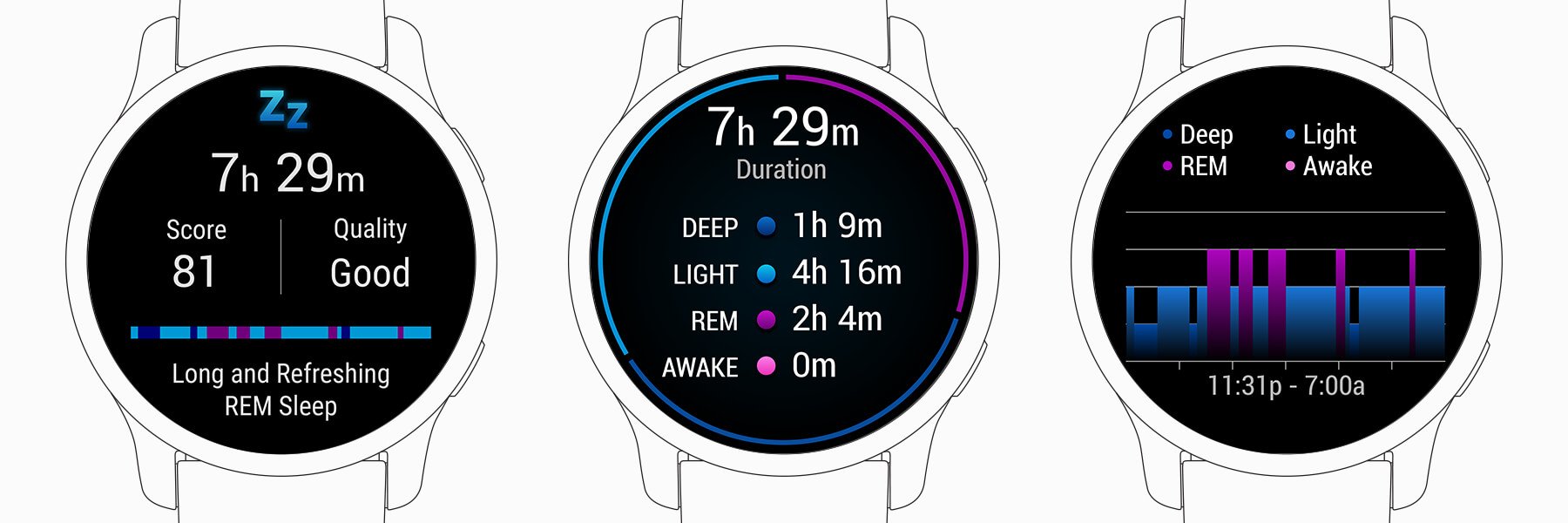
Trackers use different methods to estimate deep sleep. They gather data through sensors and analyze it to find sleep stages. These devices come in various forms. Each type has its own way to monitor sleep.
Wearable Devices
Wearable devices fit on your wrist, finger, or chest. They use sensors to track movement, heart rate, and skin temperature. These signals help detect deep sleep phases. Popular examples include smartwatches and fitness bands. They provide detailed sleep reports and often sync with apps. Wearables are convenient to use every night.
Non-wearable Options
Non-wearable trackers monitor sleep without contact. They usually sit near your bed or under the mattress. These devices sense breathing patterns and body movements. Some use radar or sound technology to estimate sleep stages. They offer a less intrusive way to track deep sleep. Perfect for those who dislike wearing devices to bed.
Sensors Behind Tracking
Trackers use different sensors to estimate deep sleep. These sensors collect data on your body’s movements, heart, and breathing. The device then analyzes this data to understand your sleep stages. Each sensor plays a special role in detecting deep sleep patterns.
Motion Sensors
Motion sensors detect your body movements during sleep. They use accelerometers to track even small motions. Less movement often means deeper sleep. These sensors help the tracker guess when you are in deep sleep.
Heart Rate Monitors
Heart rate monitors measure your heartbeat continuously. During deep sleep, your heart rate tends to slow down. The tracker notices this drop to identify deep sleep phases. It uses light sensors to read your pulse from the skin.
Respiratory Rate Sensors
Respiratory rate sensors count your breaths per minute. Breathing becomes more regular and slow in deep sleep. The tracker uses this data to confirm deep sleep periods. It can detect breathing changes through movement or skin sensors.
Algorithms And Data Interpretation
Trackers use smart algorithms to estimate deep sleep by analyzing raw data. These algorithms turn complex signals into clear sleep stages. They process signals, classify sleep phases, and use machine learning to improve accuracy. The process helps devices guess when deep sleep happens during the night.
Signal Processing Techniques
Trackers first clean and prepare the data from sensors. They remove noise and smooth the signals. This step highlights important features like heart rate changes and movement. These signals show patterns that relate to deep sleep. Good signal processing helps the tracker see sleep stages more clearly.
Sleep Stage Classification
After processing, algorithms classify the data into sleep stages. They separate light sleep, deep sleep, and REM sleep. Each stage has unique patterns in heart rate and motion. The algorithm matches these patterns to known sleep stages. This helps the tracker estimate how long deep sleep lasts.
Machine Learning Applications
Many trackers use machine learning to improve sleep estimates. They train models on large sleep datasets. The models learn to recognize deep sleep patterns better over time. This method adapts to different users and improves accuracy. Machine learning makes sleep tracking smarter and more reliable.
Accuracy Factors
Trackers use various signals to estimate deep sleep. Their accuracy depends on several key factors. Understanding these helps you get the most from your device. Here are the main elements that affect how well trackers measure deep sleep.
Device Placement
Where you wear your tracker matters a lot. Wrist-worn devices may miss subtle movements compared to chest straps. A loose fit can cause errors in heart rate and movement detection. Proper placement ensures better contact with your skin. This improves the quality of data collected during sleep.
User Behavior
Your habits impact tracker accuracy. Moving a lot in bed can confuse the sensor. Using your phone or watching TV before sleep may affect heart rate patterns. Consistent sleep schedules help trackers learn your patterns. Better routine equals more reliable deep sleep estimates.
Environmental Influences
Noise, light, and temperature affect sleep quality and tracker readings. Loud sounds can cause brief awakenings, disrupting deep sleep phases. Bright rooms may reduce sleep depth and confuse sensors. Cold or hot environments impact heart rate and movement. A calm, dark, and comfortable setting improves tracker precision.
Common Limitations
Sleep trackers have become popular tools for understanding sleep patterns. They estimate deep sleep by measuring body movements, heart rate, and sometimes skin temperature. Despite their convenience, these devices have common limitations that affect accuracy.
Understanding these limitations helps users set realistic expectations. Trackers provide helpful insights, but their readings are not always precise. The technology faces challenges in distinguishing sleep stages perfectly.
False Positives And Negatives
Trackers sometimes misclassify wakefulness as deep sleep and vice versa. Small movements during deep sleep might be missed, creating false positives. At other times, quiet wakefulness can be recorded as deep sleep, leading to false negatives. These errors happen because trackers rely on indirect signals, not brain waves. The result is an estimate, not a clinical measurement.
Variability Among Individuals
Each person’s sleep patterns and body signals differ significantly. Trackers use general algorithms that may not fit everyone. Factors like age, fitness, and health affect heart rate and movement during sleep. This variability causes inconsistent deep sleep estimates across users. Personalized calibration is rare, limiting accuracy for many people.
Improving Tracker Precision
Improving the precision of sleep trackers helps users get better insights. Deep sleep is hard to measure accurately with simple sensors. Advances in technology aim to reduce errors and guesswork. Developers focus on refining how devices read and interpret data. Better precision means more reliable information about sleep quality.
Calibration Methods
Calibration adjusts the tracker to fit each user’s unique sleep patterns. Users may need to wear the device for several nights. The tracker learns from movements and heart rate changes during sleep. This personal data helps the device better identify deep sleep phases. Regular calibration updates improve accuracy over time.
Integration With Other Health Data
Trackers combine sleep data with other health information for better results. Heart rate, breathing, and activity levels give extra clues about sleep stages. Some devices connect with apps that track stress and daily habits. This combined data helps the tracker understand sleep more deeply. Integration leads to more precise estimates of deep sleep time.
Future Trends In Sleep Tracking
Sleep tracking is becoming smarter and more accurate. New technologies will help us understand deep sleep better. The future of sleep tracking looks promising. It aims to give clearer insights into sleep quality and patterns.
Trackers will use more precise tools to collect data. They will analyze this data using powerful software. This will help users improve their sleep habits more effectively.
Advanced Sensor Technologies
New sensors will capture detailed body signals during sleep. These include heart rate, breathing, and movement. Some sensors will even detect brain activity without wires. Wearable devices will become thinner and more comfortable. They will collect data with less disturbance to sleep. This means better accuracy in detecting deep sleep stages.
Ai-driven Sleep Analysis
Artificial intelligence will play a bigger role in sleep tracking. AI can find patterns that humans might miss. It will personalize sleep reports based on individual habits. AI will predict sleep problems before they become serious. It will offer simple advice to improve deep sleep. This technology will make sleep tracking more useful and user-friendly.

Frequently Asked Questions
How Do Trackers Measure Deep Sleep Stages?
Trackers use heart rate, movement, and breathing patterns to estimate deep sleep. They analyze low movement and slow heart rate as indicators. These sensors combine data to identify deep sleep phases accurately during the night.
What Sensors Help Estimate Deep Sleep In Trackers?
Common sensors include accelerometers, heart rate monitors, and sometimes SpO2 sensors. Accelerometers detect movement, while heart rate monitors track variability. This data helps distinguish deep sleep from lighter sleep stages.
Can Sleep Trackers Accurately Detect Deep Sleep?
Trackers provide good estimates but may not be as precise as clinical devices. They rely on indirect signals like movement and heart rate. Overall, they offer useful insights for general sleep patterns at home.
Why Is Deep Sleep Estimation Important In Trackers?
Deep sleep is crucial for physical recovery and brain health. Estimating it helps users understand sleep quality. Trackers encourage better habits by showing how lifestyle affects deep sleep duration.
Conclusion
Sleep trackers use sensors to monitor your body’s signals during sleep. They track movements, heart rate, and breathing patterns to guess deep sleep phases. While not perfect, these estimates help you understand your sleep better. Knowing when you get deep sleep can guide you to healthier habits.
Trust the data but listen to your body too. Sleep well, feel better, and use trackers as helpful tools. Simple steps can improve your rest and overall health.