
As an Amazon Associate I earn from qualifying purchases.
Have you ever wondered if sleeping on your stomach could be harming your body? You might find this position comfortable, but is it really good for you?
What if your favorite way to sleep is secretly causing neck pain, back issues, or even affecting your breathing? Before you change your bedtime routine, it’s important to know the facts. Keep reading to discover what experts say about stomach sleeping and how it might be impacting your health without you even realizing it.
This could change the way you rest forever.
Quick Navigation
Health Risks Of Stomach Sleeping
Sleeping on your stomach may feel comfortable for some people. But it can cause health problems. Understanding these risks helps you make better sleep choices. Below are key health risks of stomach sleeping.
Neck And Spine Strain
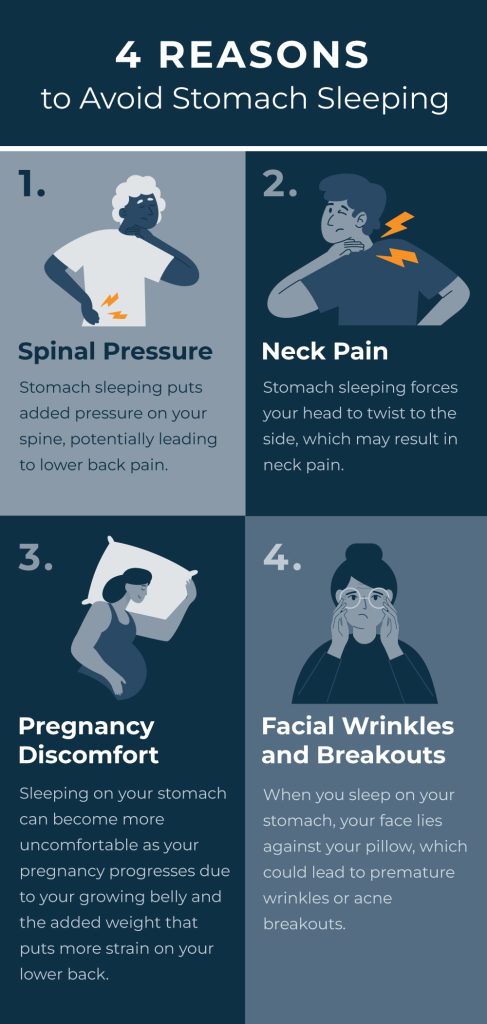
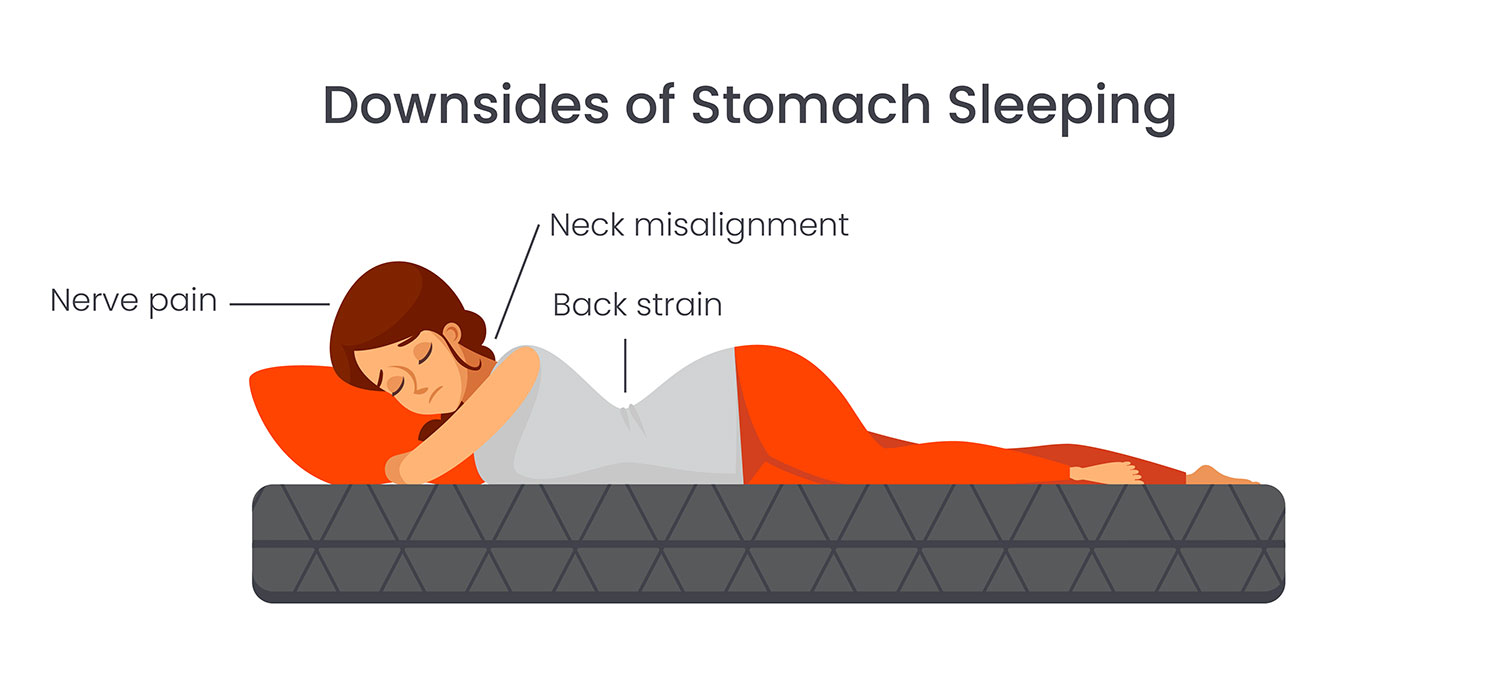
Sleeping on your stomach forces your neck to twist. This twist puts strain on your neck muscles and joints. Your spine loses its natural curve. Over time, this strain can cause pain and stiffness. Poor spine alignment may lead to long-term back problems.
Breathing Difficulties
Pressing your face into the mattress blocks airflow. This can make breathing harder during sleep. Your lungs may not fill completely with air. This reduces oxygen intake. Poor breathing can lower sleep quality and cause tiredness.
Increased Wrinkle Formation
Constant pressure on your face presses skin against the pillow. This pressure causes skin to fold and crease. Over time, these creases turn into wrinkles. Stomach sleepers may see more facial wrinkles than back sleepers.
Digestive Issues
Sleeping on your stomach may put pressure on your abdomen. This pressure can slow digestion. It may cause discomfort or acid reflux. Poor digestion affects your overall sleep comfort and health.
Potential Benefits Of Stomach Sleeping
Sleeping on your stomach is often seen as bad. Yet, it has some benefits. Understanding these can help decide if this sleep position suits you.
Some people find stomach sleeping more comfortable. It may improve certain health issues. Let’s explore the potential benefits.
Reduced Snoring
Stomach sleeping can help reduce snoring. This position keeps airways open. It prevents the tongue from blocking airflow. As a result, breathing stays smooth and quiet. People near you may notice less noise at night.
Alleviation Of Sleep Apnea Symptoms
Sleep apnea causes breathing pauses during sleep. Stomach sleeping may ease these symptoms. It helps keep the throat open and clear. This reduces the chance of airway collapse. Breathing becomes more regular, improving sleep quality. Some find relief by changing their sleep position.
Impact On Sleep Quality
Sleeping on your stomach can affect how well you rest at night. It changes your body position and may cause discomfort. These changes can influence your sleep quality in several ways. Understanding these effects helps in choosing the best sleep posture.
Comfort Levels
Stomach sleeping often puts pressure on your neck and spine. This can lead to stiffness or pain. Many people find this position less comfortable over time. Discomfort can cause tossing and turning during the night. This interrupts deep, restful sleep. Comfort plays a key role in how well you sleep.
Sleep Cycle Disruptions
Good sleep depends on completing full sleep cycles. Stomach sleeping may cause frequent awakenings. These breaks stop you from reaching deep sleep stages. Poor sleep cycles reduce the body’s ability to heal and restore. Interruptions can leave you feeling tired the next day.
Tips To Minimize Harm
Sleeping on your stomach can cause strain on your neck and back. Small changes can reduce this strain. These tips help you sleep more comfortably and protect your body.
Choosing The Right Pillow
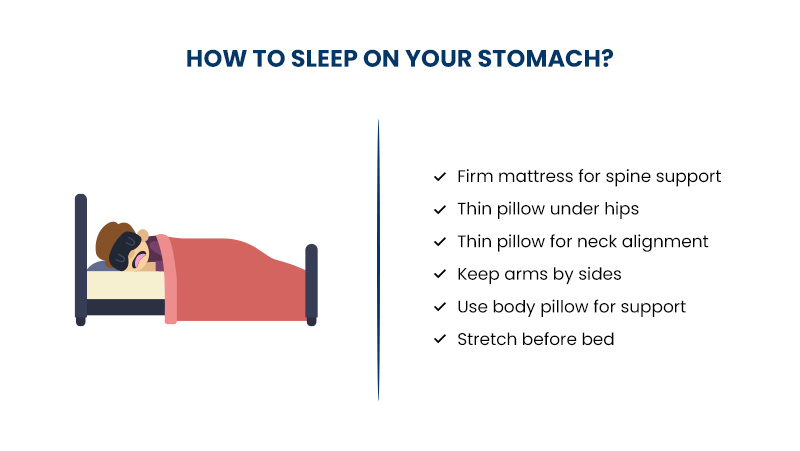
Use a thin pillow or no pillow at all under your head. This keeps your neck in a better position. A soft pillow under your hips helps keep your spine aligned. Avoid thick or firm pillows that lift your head too high.
Adjusting Mattress Firmness
A mattress that is too hard can increase pressure points. Choose a medium-firm mattress to support your body evenly. It helps keep your spine straight while you sleep. A soft mattress can also work if it supports your hips well.
Alternative Sleep Positions
Try sleeping on your side or back for less strain. Use pillows to support your body in these positions. Place a pillow between your knees when on your side. It helps keep your spine in a natural curve. Changing sleep positions can improve comfort and reduce pain.
Who Should Avoid Stomach Sleeping
Sleeping on your stomach may not be suitable for everyone. Certain groups should avoid this position to protect their health. Understanding who should avoid stomach sleeping helps prevent discomfort and health problems.
Here are some groups of people who might find stomach sleeping harmful.
Pregnant Women
Pregnant women should avoid sleeping on their stomach. It puts pressure on the belly and the baby. This pressure can reduce blood flow and cause discomfort. Sleeping on the side is a safer choice during pregnancy.
People With Back Problems
Stomach sleeping can worsen back pain. It strains the spine and neck. People with herniated discs or chronic back pain should avoid this position. Sleeping on the back or side provides better support.
Individuals With Respiratory Issues
Those with breathing problems may find stomach sleeping difficult. It can restrict lung expansion and make breathing harder. People with asthma or sleep apnea should choose positions that keep airways open.
Frequently Asked Questions
Is Sleeping On Your Stomach Harmful To Your Spine?
Sleeping on your stomach can strain your spine. It forces your neck to twist unnaturally. This may cause pain and discomfort over time. For better spinal health, sleeping on your back or side is recommended.
Can Stomach Sleeping Cause Neck Pain?
Yes, stomach sleeping often leads to neck pain. Turning your head to breathe strains neck muscles. This position may cause stiffness and soreness. Using a thin pillow or no pillow helps reduce neck pain.
Does Stomach Sleeping Affect Breathing Quality?
Sleeping on your stomach can restrict breathing. It puts pressure on your lungs and chest. This may reduce oxygen intake during sleep. Side or back sleeping allows better lung expansion and improves breathing.
Is Stomach Sleeping Bad For Pregnant Women?
Stomach sleeping is not recommended during pregnancy. It can put pressure on the uterus and fetus. Sleeping on the left side improves blood flow and comfort. Pregnant women should avoid stomach sleeping for safety.
Conclusion
Sleeping on your stomach can cause neck and back pain. It may also affect breathing and cause wrinkles. Some people find it comfortable, but it might not be the best choice for health. Try sleeping on your side or back for better support.
Small changes in sleep position can improve comfort and health. Listen to your body and choose what feels right. Remember, good sleep helps your body heal and stay strong.