
As an Amazon Associate I earn from qualifying purchases.
Are you waking up feeling more tired than when you went to bed? Does pain disrupt your sleep night after night?
You might be ignoring signs your body is sending you. Sleep-related pain is not something to brush off—it can affect your mood, energy, and overall health. Knowing when to seek help can make a huge difference in how you feel every day.
Keep reading to discover the key signs that tell you it’s time to get support and finally find relief. Your best night’s sleep could be just around the corner.
Quick Navigation
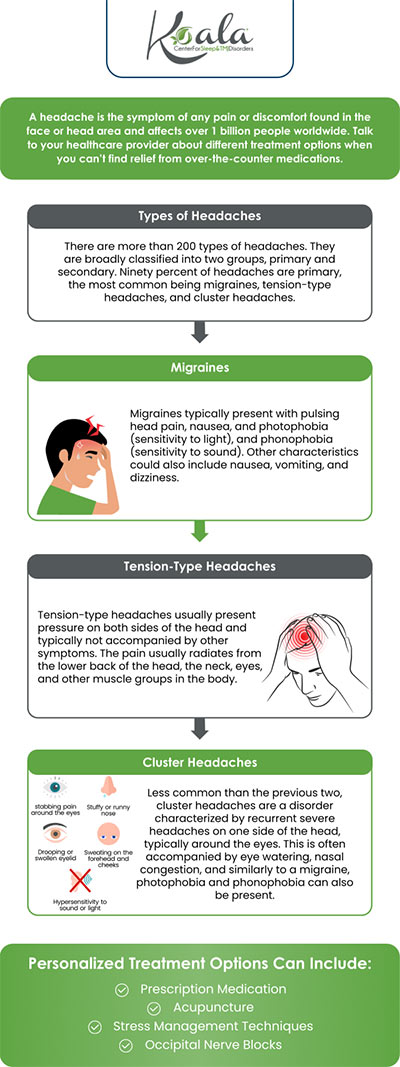
Common Causes Of Sleep-related Pain
Sleep-related pain can disrupt rest and lower life quality. Understanding common causes helps identify when to seek help. Pain during sleep often arises from physical issues affecting muscles, joints, or nerves. These problems can worsen at night due to body position or lack of movement.
Muscle Strain And Tension
Muscle strain occurs from overuse or poor posture. Tension builds up, causing soreness and stiffness. Sleeping in awkward positions can increase muscle pain. Stress also tightens muscles, making rest difficult. Simple stretches and relaxation may ease mild discomfort.
Joint Issues And Arthritis
Joint pain often comes from arthritis or inflammation. This pain worsens at night or early morning. Stiffness and swelling reduce movement and comfort. Common joints affected include knees, hips, and shoulders. Proper support and treatment can relieve joint pain.
Nerve Compression Problems
Nerve compression happens when pressure affects nerve pathways. It causes sharp, burning, or tingling pain during sleep. Conditions like sciatica or carpal tunnel syndrome are common causes. Changing sleep positions may reduce nerve pressure. Medical advice is important for ongoing nerve pain.
Signs Pain Needs Medical Attention
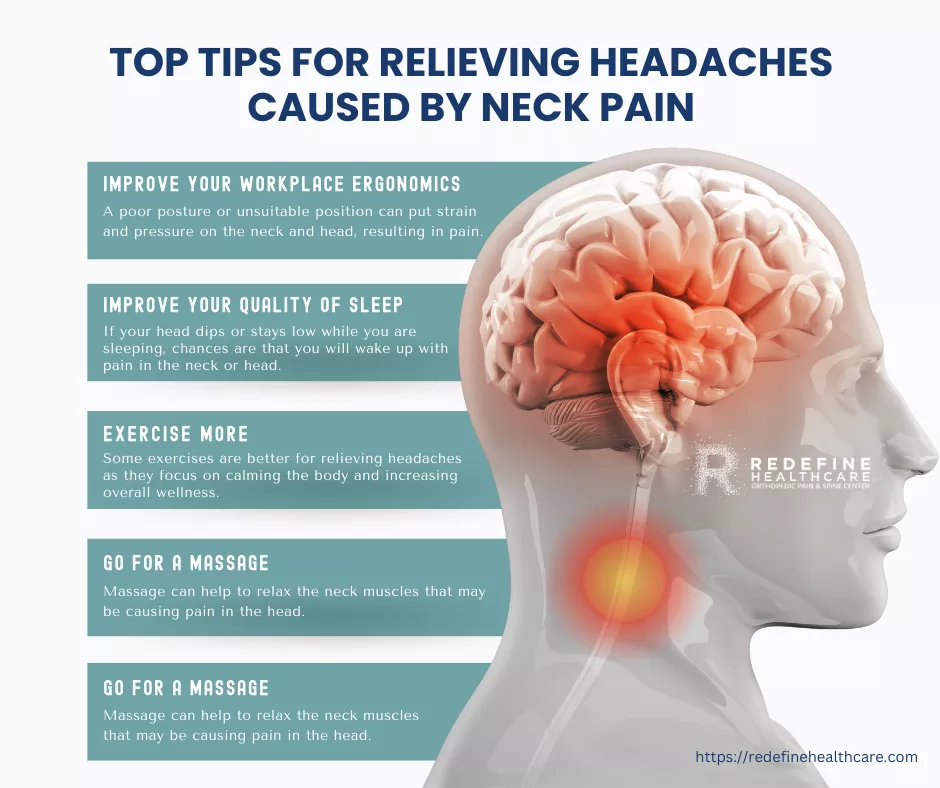
Knowing when pain needs medical attention is very important. Some pain can be normal and will go away. Other pain shows a serious problem. Watch for signs that pain gets worse or lasts long. These signs mean you should see a doctor soon.
Pain That Worsens At Night
Pain that gets stronger at night is a warning sign. Night pain can stop good sleep. It may mean an injury or illness is getting worse. Do not ignore pain that disturbs your rest every night.
Persistent Discomfort Despite Rest
Rest usually helps pain get better. Pain that stays after rest is not normal. Constant pain can show inflammation or nerve issues. Seek help if pain does not go away with rest.
Pain Affecting Daily Activities
Pain that stops you from doing daily tasks is serious. It can limit work, house chores, or exercise. When pain affects your life, medical advice is needed. Do not wait until pain gets worse.
When Sleep Disruption Becomes A Concern
Sleep disruption caused by pain can affect health and daily life. It is important to notice when sleep problems become serious. Persistent issues might signal the need for professional help. Understanding the signs can guide timely action. This section highlights key signs of concerning sleep disruption.
Frequent Nighttime Awakenings
Waking up many times at night can reduce sleep quality. Pain often causes these interruptions. Nighttime awakenings prevent deep and restful sleep. This can lead to frustration and tiredness the next day. Persistent waking is a sign to seek advice from a doctor.
Difficulty Falling Asleep Due To Pain
Pain can make it hard to fall asleep quickly. Lying awake for long periods is a warning sign. This delay reduces total sleep time and restfulness. It can increase stress and worsen pain over time. Consistent trouble falling asleep may require medical support.
Daytime Fatigue Linked To Poor Sleep
Feeling very tired during the day often means poor night sleep. Pain-related sleep loss can cause low energy and focus problems. This fatigue can affect work, school, and daily tasks. Ongoing tiredness shows sleep disruption is harming health. Professional help can improve both sleep and daytime alertness.
Risk Factors That Increase Urgency
Some sleep-related pain needs quick attention. Certain risks make the pain more serious. Knowing these risk factors helps you act faster. Early help can prevent worsening problems. Below are key factors that increase urgency for seeking help.
History Of Injury Or Surgery
Past injuries can cause lasting pain during sleep. Surgery near the pain area raises concern. Old wounds may reopen or worsen at night. Pain linked to previous damage needs prompt care. Ignoring it might lead to long-term issues.
Chronic Health Conditions
Diseases like arthritis or diabetes worsen sleep pain. These conditions affect nerves and joints deeply. Pain from chronic illness often signals bigger problems. Sleep pain with chronic disease needs immediate evaluation. Early treatment improves comfort and health outcomes.
Age And Lifestyle Factors
Older adults face higher risks for sleep pain. Aging weakens muscles and joints. Sedentary lifestyles reduce body strength and flexibility. Poor habits can increase pain severity at night. Recognizing these factors helps decide when to get help.
Steps To Take Before Seeking Help
Before seeking professional help for sleep-related pain, try a few simple steps. These actions can help you understand your pain better. They might also improve your sleep without needing a doctor’s visit. Start with observing your pain patterns and adjusting your sleep area. Then, use basic pain relief methods. These steps give you a clearer picture of your condition.
Tracking Pain Patterns
Write down when the pain starts and ends each night. Note its intensity and type. Track any activities before sleep that might affect pain. Record what helps or worsens the pain. This log helps identify triggers and patterns. It also provides useful information for health professionals if needed.
Improving Sleep Environment
Make your bedroom quiet and dark. Keep the room cool, around 65°F (18°C). Use a comfortable mattress and pillows that support your body. Remove distractions like phones or TVs. Try to keep a regular sleep schedule. A good sleep environment can reduce discomfort and improve rest.
Trying Basic Pain Relief Methods
Use gentle stretching or light exercise before bed. Apply heat or cold packs on painful areas. Take over-the-counter pain medication as directed. Avoid heavy meals and caffeine close to bedtime. These simple methods may ease pain and help you sleep better. Monitor how these actions affect your pain each night.
Types Of Professionals To Consult
Sleep-related pain can affect your rest and daily life. Knowing which professional to consult helps you get the right care. Different experts focus on various causes and treatments. This section explains the main types of professionals to see for sleep-related pain.
Primary Care Physicians
Primary care physicians are often the first step in care. They evaluate your symptoms and medical history. They can identify common causes of sleep pain. These doctors may suggest lifestyle changes or prescribe medicine. They also refer you to specialists if needed.
Sleep Specialists
Sleep specialists focus on disorders that disrupt sleep. They use tests to find problems like sleep apnea or restless legs. These experts offer treatments to improve sleep quality. They help reduce pain caused by poor sleep. Their goal is to restore restful and pain-free sleep.
Pain Management Experts
Pain management experts treat chronic or severe pain. They use various methods like medication, therapy, or injections. These professionals create plans to control pain and improve function. They work closely with other doctors for full care. Their focus is reducing pain to improve sleep and life.
Treatment Options For Sleep-related Pain
Sleep-related pain can make restful nights hard to find. Treating this pain helps improve sleep quality and daily comfort. Several options exist to reduce pain and support better sleep. Choosing the right treatment depends on the pain type and its cause.
Medications And Therapies
Doctors may suggest pain relievers or anti-inflammatory drugs. These reduce discomfort and inflammation. Sometimes, muscle relaxants help ease tension that disrupts sleep. Therapies like cognitive-behavioral therapy (CBT) target pain and sleep problems together. This approach changes negative thoughts and habits related to pain.
Physical Therapy And Exercises
Physical therapy strengthens muscles and improves flexibility. Therapists guide gentle exercises to reduce pain and prevent injuries. Stretching and low-impact activities support better posture and body alignment. Regular movement can decrease stiffness that worsens pain at night.
Lifestyle And Sleep Habit Changes
Adjusting daily habits can ease sleep-related pain. Maintaining a consistent sleep schedule helps the body rest well. Using a supportive mattress and pillows reduces pressure on painful areas. Avoiding caffeine and heavy meals before bedtime also improves sleep quality.
Frequently Asked Questions
When Should I See A Doctor For Sleep-related Pain?
See a doctor if pain disrupts sleep regularly or worsens over time. Persistent discomfort may signal underlying issues needing professional care.
Can Sleep-related Pain Affect Daily Activities?
Yes, sleep-related pain can reduce energy and focus. This affects work, mood, and overall quality of life, so addressing it is important.
How Long Is Too Long To Ignore Sleep Pain?
If pain lasts more than two weeks despite rest, seek medical advice. Early intervention prevents complications and improves sleep quality.
What Types Of Pain During Sleep Need Urgent Care?
Severe chest pain, numbness, or sharp stabbing pain during sleep require immediate medical attention. These symptoms could indicate serious health problems.
Conclusion
Sleep-related pain can affect your rest and daily life. Seeking help early can prevent bigger problems. Persistent pain or discomfort during sleep needs attention. Talking to a doctor can find the cause and best treatment. Don’t ignore signs like ongoing pain or poor sleep quality.
Taking care of your sleep health improves overall well-being. Remember, good sleep helps your body heal and stay strong. Trust your feelings and act when pain disrupts your rest.