
As an Amazon Associate I earn from qualifying purchases.
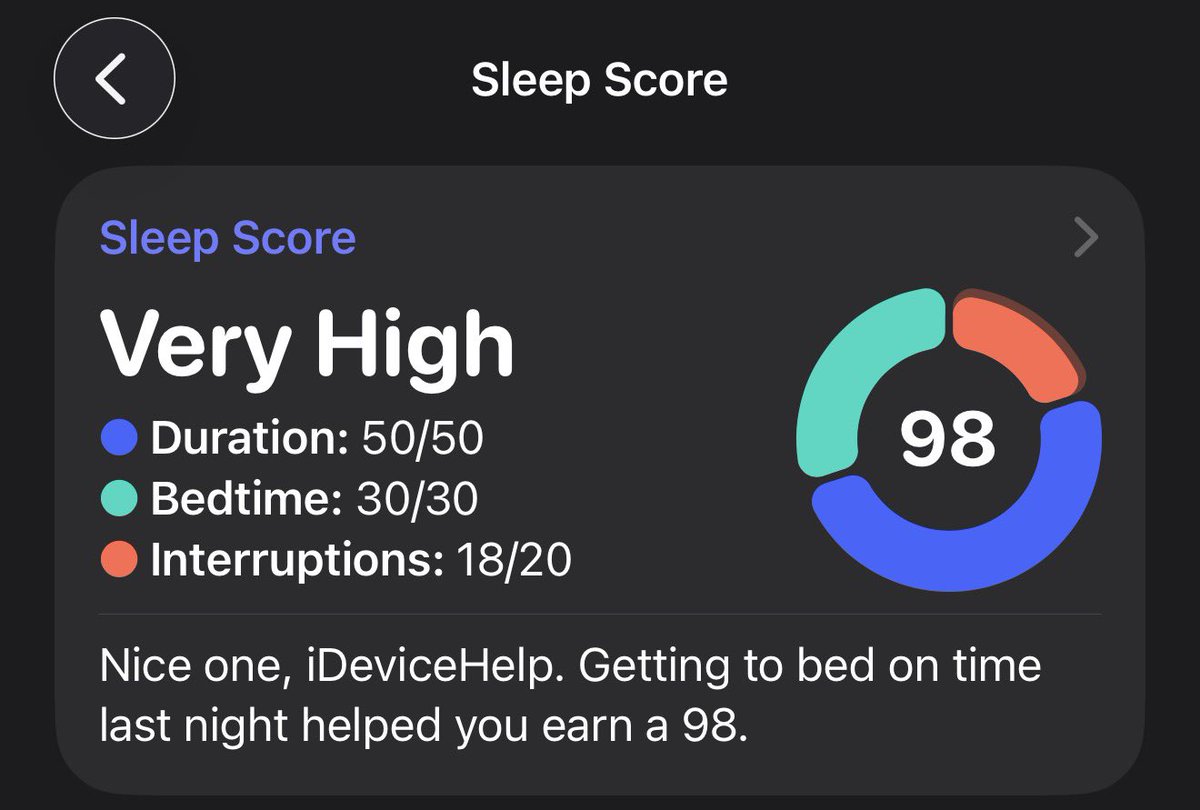
Have you ever checked your sleep score and wondered why it changes so much from one night to the next? You’re not alone.
Your sleep score is meant to show how well you’re resting, but it can feel confusing when it jumps up or down without a clear reason. Understanding why these scores vary can help you take control of your sleep and wake up feeling truly refreshed.
Keep reading to discover the surprising factors that affect your sleep score every night—and how you can improve your rest for good.

Quick Navigation
Factors Affecting Sleep Scores
Sleep scores change each night due to many factors. These factors affect how deeply and how well you sleep. Understanding them helps explain why your sleep score is not always the same.
Small changes in your daily routine or feelings can make a big difference. Let’s explore some key factors that affect your sleep scores.
Impact Of Stress Levels
Stress increases the body’s alertness, making it harder to fall asleep. High stress can cause restless nights and lower sleep quality. Even small worries can reduce the amount of deep sleep you get. Managing stress is important for better sleep scores.
Role Of Diet And Hydration
Eating heavy meals late or drinking too much caffeine affects sleep. Poor diet can cause discomfort and disrupt sleep cycles. Staying hydrated is important, but too much water before bed may cause bathroom trips. Both diet and hydration influence how well you rest.
Effect Of Physical Activity
Exercise helps improve sleep by reducing anxiety and tiring the body. Lack of movement can make it harder to fall asleep or stay asleep. Timing matters; exercising too close to bedtime can keep you awake. Regular physical activity usually leads to higher sleep scores.
Influence Of Screen Time
Using phones or computers before bed exposes eyes to blue light. Blue light tricks the brain into thinking it is daytime. This delays the production of melatonin, the sleep hormone. Reducing screen time before sleep can improve your sleep quality and score.
Environmental Influences
Environmental factors play a big role in how well you sleep each night. Changes in your surroundings can cause your sleep score to go up or down. Small shifts in noise, light, temperature, or bedding can affect your rest deeply. Understanding these influences helps explain why your sleep score varies night to night.
Noise And Light Exposure
Noise disrupts sleep by waking your brain too often. Even soft sounds can break your sleep cycles. Street noise, pets, or a snoring partner all matter. Light exposure also changes sleep quality. Bright lights stop your body from making melatonin, the sleep hormone. A dark room helps your brain relax and fall asleep faster.
Room Temperature Effects
Room temperature affects sleep comfort and quality. Too hot or too cold rooms make it hard to stay asleep. The best sleep temperature is usually between 60 and 67 degrees Fahrenheit. Cooler rooms help your body lower its core temperature, which aids deep sleep. Temperature swings during the night can wake you up more often.
Comfort Of Bedding
Your mattress and pillows impact how well you rest. Old or uncomfortable bedding can cause aches and restless sleep. A mattress that supports your body keeps your spine aligned. Pillows that match your sleeping style reduce neck pain. Soft, clean sheets add to your comfort and improve sleep quality.
Biological And Health Variables
Biological and health factors play a big role in why sleep scores change every night. These factors affect how well your body relaxes and rests. Changes inside your body can make your sleep better or worse from one night to the next.
Understanding these variables helps explain why sleep is not the same every night. Your body is always adjusting to different conditions. These changes can be natural or caused by health issues.
Hormonal Fluctuations
Hormones control many body functions, including sleep. Hormone levels shift throughout the day and night. For example, melatonin helps you fall asleep. If melatonin is low, sleep may be lighter or shorter.
Stress hormones like cortisol can rise and disturb sleep. Women may notice sleep changes during menstrual cycles due to hormone swings. These shifts cause differences in sleep quality and score.
Sleep Disorders
Sleep disorders affect how deeply and how long you sleep. Conditions like sleep apnea cause breathing problems during sleep. This leads to frequent awakenings and lower sleep scores.
Insomnia makes falling or staying asleep difficult. Restless leg syndrome causes discomfort that interrupts rest. These disorders cause irregular sleep patterns that change night by night.
Medication And Substance Use
Medications can impact sleep in many ways. Some drugs make you sleepy, while others cause wakefulness. Even common medicines can change sleep quality and duration.
Alcohol and caffeine affect sleep deeply. Alcohol may help you fall asleep but reduces deep sleep. Caffeine keeps you awake and lowers sleep scores. Using these substances near bedtime changes nightly sleep results.

Technology And Measurement Variability
Technology plays a big role in how sleep scores change every night. Sleep trackers use sensors and software to record your sleep patterns. These tools can show different results each night because of how they work and how they measure your sleep.
Accuracy Of Sleep Trackers
Sleep trackers use sensors to detect movements and heart rate. These sensors are not perfect. Small errors can happen if the device misses some movements or reads heart rate wrong. This can cause your sleep score to go up or down. No tracker is 100% accurate all the time.
Differences In Sleep Scoring Algorithms
Each device uses its own method to score sleep. Algorithms decide what counts as deep sleep, light sleep, or awake time. These rules can differ a lot between brands. One tracker might give a higher score, while another shows a lower one. This makes scores vary from night to night.
Impact Of Device Placement
Where you wear your sleep tracker matters. Wearing it on your wrist, finger, or chest can change the data. Some places catch movements or heart signals better than others. If the device is loose or moves during sleep, it can give wrong readings. This affects your sleep score each night.
Tips To Improve Sleep Consistency
Sleep scores can change each night due to many small factors. Improving sleep consistency helps your body rest better. Simple steps can make a big difference in your sleep quality. Focus on habits that support steady sleep patterns.
Establishing A Sleep Routine
Going to bed and waking up at the same time helps your body clock. This routine trains your brain to expect sleep at certain hours. Avoid large changes in your sleep schedule, even on weekends. A steady routine reduces sleep score swings and improves rest.
Optimizing Sleep Environment
A quiet, dark room promotes better sleep. Lower room temperature can help you fall asleep faster. Remove bright lights and noise sources before bedtime. Use comfortable bedding that supports your body well. These changes make your sleep environment more inviting and calm.
Managing Lifestyle Factors
Limit caffeine and heavy meals near bedtime. Exercise during the day helps you sleep deeper at night. Avoid screens at least one hour before sleep. Stress management through relaxation techniques improves sleep quality. Healthy habits during the day reflect in better sleep scores at night.
Frequently Asked Questions
Why Do Sleep Scores Change Every Night?
Sleep scores vary due to factors like stress, diet, and physical activity. Sleep environment and routines also impact sleep quality, causing fluctuations in scores.
How Does Stress Affect Nightly Sleep Scores?
Stress raises cortisol levels, disrupting sleep cycles. This leads to lighter sleep and lower sleep scores on stressful days.
Can Diet Influence My Sleep Score Variation?
Yes, consuming caffeine or heavy meals before bed can reduce sleep quality. Balanced nutrition supports consistent, higher sleep scores.
Does Exercise Impact My Sleep Score Each Night?
Regular exercise improves sleep quality but timing matters. Exercising too close to bedtime may lower your sleep score that night.
Conclusion
Sleep scores change because our bodies and minds vary each night. Stress, diet, and activity all affect how well we sleep. Even small changes in routine can shift sleep quality. Tracking scores helps us notice patterns and make smart choices.
Focus on good habits to improve sleep over time. Remember, occasional low scores are normal and not a problem. Rest well, listen to your body, and keep trying for better nights.