
Have you ever wondered how your sleep affects your heart? The connection between sleep and heart health is closer than you might think.
When you don’t get enough good-quality sleep, your heart can suffer in ways that sneak up on you. Understanding this link can help you take simple steps to protect your heart every day. Keep reading to discover why your sleep matters so much and how improving it could save your life.
Quick Navigation
Connection Between Sleep And Heart
Sleep and heart health are closely linked. Good sleep helps the heart work well. Poor sleep can raise the risk of heart problems. Understanding this connection helps protect your heart over time.
How Sleep Affects Heart Function
During sleep, the heart rate slows down. Blood pressure drops, giving the heart a rest. Sleep helps repair blood vessels and heart tissue. Poor sleep raises heart rate and blood pressure. This can cause strain on the heart.
Sleep Disorders Impacting Heart Health
Sleep apnea is a common disorder that harms the heart. It causes pauses in breathing during sleep. These pauses lower oxygen levels in the blood. The heart works harder to pump oxygen to the body. This can lead to high blood pressure and heart disease.
Role Of Circadian Rhythm
Circadian rhythm controls the sleep-wake cycle. It affects heart rate and blood pressure. Disrupted rhythms can raise heart risks. Night shift work or irregular sleep patterns can cause this. Keeping a steady sleep schedule supports heart health.
Risks Of Poor Sleep On Heart
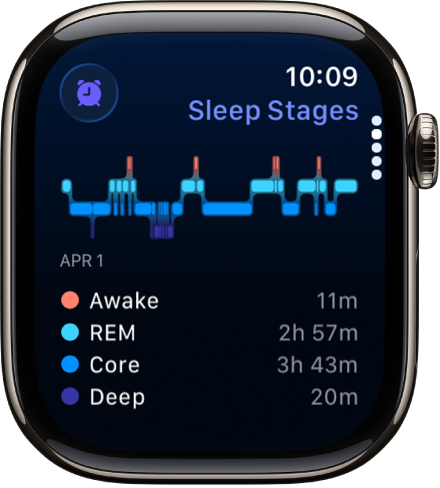
Poor sleep affects the heart in many harmful ways. It raises the chance of heart problems. The body needs good rest to keep the heart strong. Lack of sleep disrupts important heart functions. This can lead to serious health issues.
Understanding the risks of poor sleep helps protect the heart. Sleep problems should not be ignored. They can slowly damage heart health over time.
Increased Blood Pressure
Sleep helps control blood pressure levels. Poor sleep causes blood pressure to rise. High blood pressure forces the heart to work harder. This can damage arteries and increase heart attack risk. Regular poor sleep keeps blood pressure high.
Higher Risk Of Heart Disease
Not enough sleep increases heart disease risk. It causes inflammation in the body. Inflammation harms blood vessels and heart tissue. This raises chances of heart attacks and strokes. Good sleep lowers the risk of these conditions.
Impact On Cholesterol Levels
Poor sleep affects cholesterol balance. It can raise bad cholesterol (LDL) and lower good cholesterol (HDL). High bad cholesterol builds up in arteries. This narrows blood flow and strains the heart. Proper sleep helps keep cholesterol levels healthy.
Benefits Of Quality Sleep For Heart
Quality sleep plays a big role in keeping the heart healthy. It helps the body work well and lowers risks for heart problems. Good sleep supports many processes that protect the heart and blood vessels.
Resting enough each night lets the heart rest and heal. This leads to a stronger heart and better blood flow. The benefits of good sleep go beyond feeling rested. They reach deep into heart health and overall wellness.
Improved Blood Circulation
Good sleep helps the blood move smoothly through the body. It lowers blood pressure and reduces stress on blood vessels. Better circulation means the heart works less hard. This reduces chances of heart disease and stroke.
Reduced Inflammation
Sleeping well lowers inflammation in the body. Inflammation can damage the heart and blood vessels over time. Quality sleep keeps inflammation in check. This helps protect the heart from harm and keeps it strong.
Enhanced Recovery And Repair
During deep sleep, the body fixes damaged cells and tissues. The heart and blood vessels heal from daily wear and tear. Sleep supports recovery after physical activity and stress. This repair process is key for long-term heart health.

Tips For Better Sleep
Good sleep supports a healthy heart. It helps lower blood pressure and reduces stress. Follow simple steps to improve your sleep quality. Better rest means better heart health.
Establishing A Sleep Routine
Go to bed and wake up at the same time daily. Your body likes routine and will adjust. This helps you fall asleep faster and feel rested. Avoid sleeping in too long on weekends. Consistency makes a big difference in sleep quality.
Creating A Sleep-friendly Environment
Keep your bedroom dark, quiet, and cool. Use blackout curtains or an eye mask to block light. Reduce noise with earplugs or a white noise machine. Make sure your mattress and pillows are comfortable. A calm space helps your body relax and sleep deeply.
Limiting Caffeine And Alcohol
Avoid caffeine late in the day. It can keep you awake at night. Cut back on coffee, tea, and soda after afternoon. Alcohol may make you sleepy but disturbs deep sleep. Drink less and avoid alcohol close to bedtime. These changes improve sleep quality and heart health.
Lifestyle Changes For Heart And Sleep
Changing daily habits helps both heart health and sleep quality. Simple lifestyle steps can make a big difference. These changes support your body and mind for better rest and a stronger heart.
Regular Physical Activity
Exercise improves heart function and lowers blood pressure. It also helps you fall asleep faster and enjoy deeper sleep. Aim for at least 30 minutes of moderate activity most days. Walking, cycling, or swimming are good choices. Avoid heavy exercise close to bedtime.
Balanced Diet Choices
Eating well supports heart health and sleep patterns. Choose fruits, vegetables, whole grains, and lean proteins. Limit salt, sugar, and unhealthy fats. Avoid caffeine and large meals late in the evening. A healthy diet keeps energy steady and promotes restful sleep.
Stress Management Techniques
Stress affects the heart and disrupts sleep. Try deep breathing, meditation, or gentle yoga. These methods calm your mind and body. Keep a regular sleep schedule to reduce stress. Managing stress helps your heart stay healthy and improves sleep quality.

When To Seek Medical Help
Knowing when to seek medical help is important for protecting both sleep and heart health. Poor sleep can hurt the heart, but many signs are easy to miss. Early action can prevent serious problems and improve life quality.
Recognizing Sleep Apnea Symptoms
Sleep apnea is a common sleep disorder that affects breathing. Loud snoring, gasping for air during sleep, and feeling very tired during the day are key symptoms. These signs should not be ignored. Untreated sleep apnea raises the risk of heart disease and stroke. A doctor can diagnose and treat it with simple tests.
Consulting For Persistent Sleep Issues
Regular trouble falling asleep or staying asleep needs attention. Feeling tired despite enough hours in bed is a warning. Poor sleep harms heart health by raising blood pressure and inflammation. Doctors can find causes like insomnia or restless legs and suggest safe treatments. Early care improves both sleep and heart function.
Screening For Heart Conditions
People with sleep problems should also check their heart health. Symptoms such as chest pain, shortness of breath, or irregular heartbeat require medical tests. Screening can detect hidden heart issues early. Treatment reduces risks and supports better sleep. A heart check is a wise step for anyone with ongoing sleep difficulties.
Frequently Asked Questions
How Does Sleep Impact Heart Health?
Sleep helps regulate blood pressure and inflammation. Poor sleep raises risks of heart disease and stroke. Consistent quality sleep supports heart function and reduces cardiovascular problems.
What Is The Ideal Sleep Duration For Heart Health?
Experts recommend 7 to 9 hours of sleep per night. Less than 6 or more than 9 hours may increase heart risks. Balanced sleep duration promotes optimal cardiovascular health.
Can Poor Sleep Cause Heart Disease?
Yes, chronic poor sleep can increase heart disease risk. It raises blood pressure, inflammation, and stress hormone levels. Improving sleep quality can lower these harmful effects on the heart.
What Are Common Sleep Disorders Affecting Heart Health?
Sleep apnea, insomnia, and restless leg syndrome impact heart health. Sleep apnea is especially linked to high blood pressure and heart strain. Treating these disorders improves overall heart function.
Conclusion
Good sleep supports a strong and healthy heart. It helps control blood pressure and lowers stress. Poor sleep can raise heart risks over time. Simple changes in sleep habits make a big difference. Rest well to keep your heart working well.
Your heart health depends on daily sleep quality. Small steps lead to better sleep and a healthier heart. Take care of your sleep, and your heart will thank you.

