
Have you ever wondered why you catch a cold right after a sleepless night? Your sleep and immune system are deeply connected, and understanding this link can change how you protect your health.
When you don’t get enough rest, your body’s defense system weakens, making you more vulnerable to illness. But it’s not just about avoiding sickness—better sleep can boost your energy, mood, and overall wellbeing. Keep reading to discover how your nightly rest impacts your immune system and learn simple steps to strengthen your body from the inside out.
Quick Navigation
Link Between Sleep And Immunity
Sleep plays a key role in keeping the immune system strong. It helps the body fight infections and heal faster. Without enough sleep, the immune system can weaken. This makes it harder to resist illnesses. Understanding how sleep links to immunity can help improve health naturally.
How Sleep Affects Immune Cells
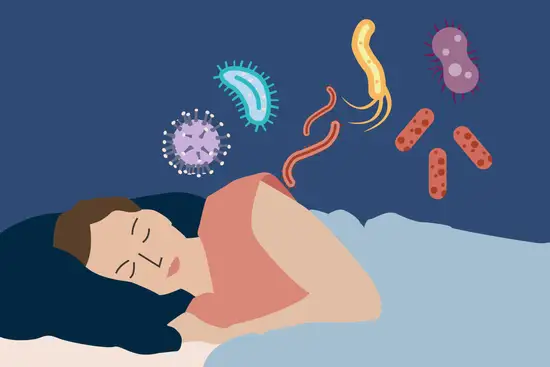
During sleep, the body produces special cells that fight germs. These immune cells include T-cells and natural killer cells. They patrol the body, looking for viruses and bacteria. Sleep helps these cells multiply and work better. Lack of sleep lowers the number and activity of these cells. This reduces the body’s defense against diseases.
Role Of Sleep In Inflammation Control
Inflammation is the body’s response to injury or infection. It helps heal wounds and fight germs. But too much inflammation can cause harm. Sleep helps balance inflammation levels. It reduces harmful inflammation and supports healing. Poor sleep can increase chronic inflammation. This raises the risk of many health problems.
Consequences Of Poor Sleep On Health
Poor sleep affects the body in many serious ways. It weakens the immune system and harms overall health. Lack of sleep makes the body less able to fight off illnesses. The effects can be seen quickly and may last a long time. Understanding these consequences is important for staying healthy.
Increased Infection Risk
Sleep is vital for the immune system to work well. Without enough rest, the body produces fewer infection-fighting cells. This means viruses and bacteria can spread faster. People who sleep poorly catch colds and flu more often. Healing also takes longer when sleep is lacking.
Chronic Diseases And Sleep Deficiency
Long-term sleep problems raise the chance of serious diseases. Heart disease, diabetes, and obesity are linked to poor sleep. Sleep helps control blood sugar and blood pressure. Without it, these body systems can fail. This adds stress and harm to the immune system.
Sleep Stages And Immune Benefits
Sleep is not just rest for the body. It is a vital process that helps the immune system work well. Different sleep stages play unique roles in strengthening immunity. Each stage supports the body’s defense in special ways. Understanding these stages helps us appreciate why good sleep matters for health.
Sleep cycles through two main types: deep sleep and REM sleep. These stages repeat several times each night. Together, they boost the immune system’s ability to fight infections and heal the body.
Deep Sleep And Immune Restoration
Deep sleep is the stage when the body repairs itself. During this time, the immune system creates infection-fighting cells. These cells help destroy harmful germs and viruses. Deep sleep also reduces inflammation, which protects tissues from damage. Without enough deep sleep, the immune system weakens. The body loses a key chance to restore and strengthen itself.
Rem Sleep And Immune Regulation
REM sleep is important for balancing the immune response. It helps control how the body reacts to threats. During REM, the brain processes information about past infections. This helps the immune system remember and respond better next time. REM sleep also supports the production of cytokines. Cytokines are proteins that guide immune cells to fight infections. Missing REM sleep can disrupt these processes and make the body less ready to defend itself.
Natural Ways To Improve Sleep Quality
Improving sleep quality naturally helps the immune system work better. Good sleep supports the body’s ability to fight off sickness. Small changes can make a big difference in how well you sleep.
Creating A Sleep-friendly Environment
Keep your bedroom cool and quiet. Use blackout curtains to block light. Choose a comfortable mattress and pillows. Remove electronic devices that may cause distractions. A calm space helps your brain relax faster.
Diet And Sleep Connection
Avoid heavy meals before bedtime. Eat foods rich in magnesium and tryptophan like nuts and bananas. Limit caffeine and sugar in the evening. Drinking herbal tea can soothe your body and mind. Proper nutrition supports restful sleep cycles.
Exercise And Sleep Patterns
Exercise regularly but not right before bed. Physical activity reduces stress and improves sleep quality. Aim for at least 30 minutes daily. Morning or afternoon workouts work best. Movement helps regulate your body’s internal clock.
Lifestyle Habits That Support Immunity
Strong immunity depends on more than just sleep length. Daily habits shape immune health. Small changes can boost your body’s defenses. These habits work together to improve sleep and immunity.
Stress Management Techniques
Stress weakens the immune system. Calm mind helps better sleep and health. Try deep breathing or meditation. Gentle yoga or a short walk helps too. Avoid intense mental work before bedtime. Relaxation lowers stress hormones that harm immunity.
Consistent Sleep Schedules
Go to bed and wake up at the same time. Regular sleep times train your body clock. A stable rhythm improves sleep quality. Good sleep supports immune cell production. Avoid big changes in sleep patterns on weekends. Your immune system works best with routine.
Limiting Exposure To Sleep Disruptors
Bright screens and noise disturb sleep. Avoid phones and TVs at least one hour before bed. Keep your bedroom dark and quiet. Limit caffeine and heavy meals before sleep. A peaceful environment helps deep, restful sleep. Restorative sleep strengthens immune defenses.
When To Seek Medical Advice
Sleep affects the immune system in many ways. Poor sleep can weaken your body’s defenses. Knowing when to seek medical advice helps protect your health. Some signs show that sleep problems need a doctor’s attention.
Signs Of Sleep Disorders
Difficulty falling asleep or staying asleep is a key sign. Waking up feeling tired even after a full night is also a concern. Loud snoring or choking sounds during sleep may indicate sleep apnea. Daytime sleepiness that disrupts daily life shows poor sleep quality. Restless legs or sudden movements can affect sleep health. If these signs last more than a few weeks, see a doctor.
Immune System Concerns Related To Sleep
Sleep loss can lower the body’s ability to fight infections. Frequent colds or slow healing wounds might relate to poor sleep. Chronic sleep problems raise the risk of serious illnesses. Feeling weak or often sick calls for medical advice. Doctors can help diagnose and treat underlying issues. Protect your immune system by addressing sleep problems early.

Frequently Asked Questions
How Does Sleep Affect Immune System Function?
Sleep boosts immune system health by promoting infection-fighting cells. Poor sleep weakens immunity, increasing illness risk. Adequate rest supports healing and immune regulation, enhancing overall defense.
What Happens To Immunity During Sleep Deprivation?
Sleep deprivation reduces white blood cell count and antibody production. It weakens immune response and delays recovery from sickness. Chronic lack of sleep increases vulnerability to infections and diseases.
Can Better Sleep Improve Vaccine Effectiveness?
Yes, quality sleep enhances vaccine response by strengthening antibody creation. Well-rested individuals develop stronger immunity post-vaccination. Sleep supports memory cells that remember pathogens, improving vaccine benefits.
How Many Hours Of Sleep Support Immune Health?
Adults need 7-9 hours of sleep nightly for optimal immunity. Consistent sleep duration maintains immune balance and reduces inflammation. Less than 6 hours can impair immune defense mechanisms.
Conclusion
Good sleep helps your body fight off illness. It repairs cells and boosts your immune defenses. Poor sleep can make you more likely to get sick. Rest gives your immune system time to stay strong. Try to get enough sleep every night.
Small changes in sleep habits can improve your health. Sleep and immunity work closely to keep you well. Prioritize rest to support your body’s natural defenses. Feeling tired? Your immune system might need a boost from better sleep. Keep sleep a key part of your healthy lifestyle.

