
Are you tired of tossing and turning all night? Struggling to fall asleep or waking up feeling unrested can drain your energy and affect your day.
The good news is, improving your sleep doesn’t have to be complicated. By adopting simple sleep hygiene habits that actually work, you can transform your nights and wake up refreshed. Keep reading to discover easy, practical tips that will help you sleep better starting tonight.
Your best rest is closer than you think.
Quick Navigation
Why Sleep Hygiene Matters
Good sleep is more than just rest. It affects your health and mood deeply. Sleep hygiene means habits that help you sleep well every night. These habits improve sleep quality and daytime energy. Poor sleep hygiene leads to tiredness and health problems.
Improves Mental Clarity And Focus
Good sleep hygiene helps your brain work better. It improves memory and problem-solving skills. You can concentrate longer and make better decisions. This makes daily tasks easier and reduces mistakes.
Boosts Physical Health
Sleep hygiene supports your body’s healing processes. It strengthens your immune system to fight illnesses. Proper sleep lowers the risk of heart disease and diabetes. Your body repairs muscles and tissues during deep sleep.
Enhances Emotional Well-being
Good sleep habits help regulate emotions. They reduce stress and anxiety levels. You feel calmer and more positive during the day. This improves relationships and overall happiness.
Supports Weight Management
Consistent sleep routines help control hunger hormones. They reduce cravings for unhealthy foods. Better sleep leads to healthier eating habits. This can help maintain a healthy weight.
Creating A Relaxing Sleep Environment
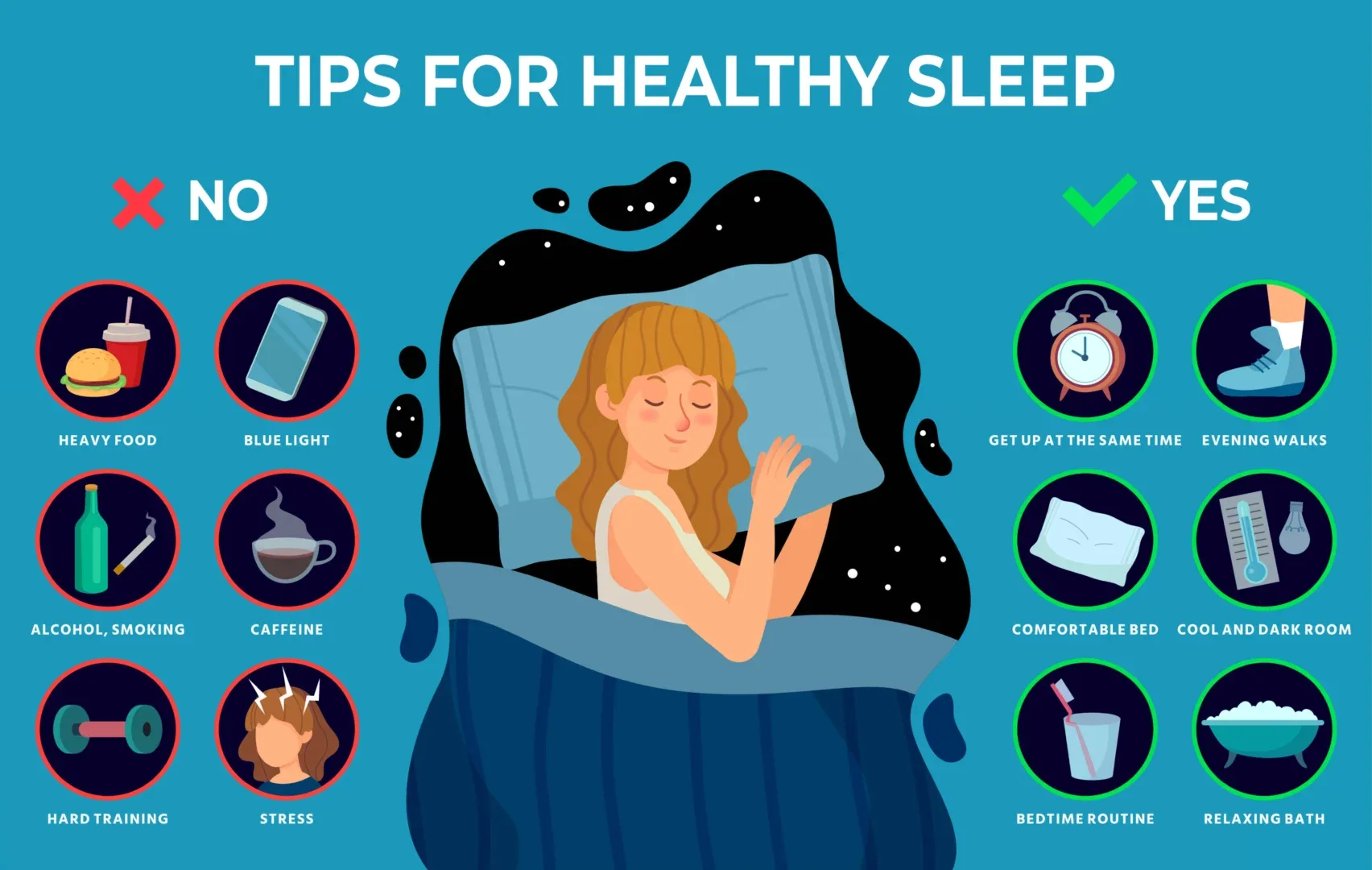
Creating a relaxing sleep environment is key to better rest. Your bedroom should feel calm and inviting. A peaceful space helps your mind and body prepare for sleep. Small changes can make a big difference. Focus on temperature, noise, light, and bedding. These elements work together to improve sleep quality.
Optimal Bedroom Temperature
Keep your bedroom cool, between 60 and 67 degrees Fahrenheit. A cooler room helps your body lower its temperature. This drop signals your brain that it is time to sleep. Avoid overheating or feeling too cold. Both can wake you up or stop you from falling asleep.
Noise And Light Control
Reduce noise to prevent sleep interruptions. Use earplugs or white noise machines if needed. Block outside light with heavy curtains or blackout blinds. Avoid bright lights before bedtime. Dim lights help your brain produce melatonin, the sleep hormone. A dark, quiet room supports deeper sleep.
Comfortable Bedding Choices
Choose bedding that feels soft and comfortable. Pick pillows that support your neck well. Your mattress should be firm but not hard. Good bedding reduces aches and helps you relax. Change sheets regularly to keep the bed fresh and inviting.
Establishing Consistent Sleep Schedules
Establishing consistent sleep schedules means going to bed and waking up at the same time every day. This habit helps train your body clock to work better. It improves how well you sleep and how rested you feel. Your body begins to expect sleep at certain times. This makes falling asleep easier and waking up less groggy.
Benefits Of Regular Bedtimes
Regular bedtimes help your body get into a natural rhythm. This rhythm improves sleep quality and length. It reduces the chance of waking up during the night. Regular sleep times can boost your mood and energy. It also supports better focus and memory during the day. Keeping a steady schedule lowers stress and anxiety. Your body recovers faster and feels healthier with regular sleep.
Strategies To Wake Up Refreshed
Wake up at the same time daily, even on weekends. This keeps your body clock steady. Try to get sunlight soon after waking. Sunlight helps reset your internal clock. Avoid hitting the snooze button. It makes you feel more tired. Prepare your bedroom for morning light. Open curtains or blinds to let light in. Move your body gently after waking. Stretching or light exercise can energize you. Drink a glass of water to start hydration. These small steps make waking up easier and refreshing.
Pre-sleep Routines That Promote Rest
Creating a calm and consistent pre-sleep routine helps your body get ready for rest. These habits signal your brain that sleep time is near. They improve the quality of your sleep and help you fall asleep faster. Small changes in your evening routine can bring big benefits to your sleep health.
Limiting Screen Time
Screens emit blue light that tricks your brain into staying awake. Turn off phones, tablets, and TVs at least one hour before bed. Reading a book or listening to soft music works better. This reduces eye strain and helps your mind slow down.
Relaxation Techniques
Try deep breathing exercises or gentle stretching to relax your muscles. Meditation and guided imagery calm your thoughts. These techniques lower stress levels and prepare your body for rest. A relaxed mind leads to deeper, better sleep.
Avoiding Stimulating Activities
Avoid tasks that increase your heart rate or stress before bed. Intense exercise, work, or heated discussions can keep you awake. Choose quiet, peaceful activities like journaling or light reading. This helps your brain shift into sleep mode smoothly.
Nutrition And Sleep Connection
Nutrition plays a big role in how well you sleep. What you eat affects your body’s ability to relax and rest. Certain foods help your brain make chemicals that promote sleep. Others can keep you awake or disturb your sleep cycle. Understanding the link between nutrition and sleep helps you choose better habits for restful nights.
Foods That Support Sleep
Some foods naturally help you fall asleep faster and sleep deeper. Foods rich in magnesium, like nuts and leafy greens, calm your nerves. Tryptophan, an amino acid in turkey and eggs, boosts melatonin production. Melatonin is the hormone that controls your sleep-wake cycle. Warm milk and chamomile tea also soothe your body and mind. Choose these foods in the evening for better rest.
Caffeine And Alcohol Effects
Caffeine stimulates your brain and blocks sleep signals. Found in coffee, tea, and chocolate, caffeine can keep you awake for hours. Avoid caffeine at least six hours before bedtime. Alcohol may make you sleepy at first but disrupts deep sleep later. It can cause waking up during the night and reduce sleep quality. Limit alcohol intake, especially close to bedtime.
Timing Of Meals
When you eat affects your sleep quality. Eating large meals right before bed can cause discomfort and indigestion. This makes falling asleep harder. Aim to finish eating two to three hours before bedtime. A light snack is okay if you feel hungry at night. Balanced meal timing helps your body wind down and prepares you for rest.

Physical Activity And Sleep Quality
Physical activity plays a key role in improving sleep quality. Moving your body helps reduce stress and tire your muscles. This makes it easier to fall asleep and stay asleep through the night. Regular exercise can also help regulate your body’s internal clock, leading to more consistent sleep patterns.
Exercise boosts the production of sleep-promoting chemicals in the brain. It also lowers the time it takes to fall asleep. People who stay active often enjoy deeper, more restful sleep. Picking the right time and type of exercise can maximize these benefits.
Best Exercise Times
Morning workouts help set your internal clock. They increase alertness during the day and promote sleepiness at night. Afternoon exercise can also improve sleep quality. It raises body temperature, which falls later and signals your body to sleep.
Avoid intense workouts close to bedtime. They may increase heart rate and energy. This can make falling asleep harder. Aim to finish exercise at least three hours before sleeping.
Types Of Exercises For Better Sleep
Cardio exercises like walking, jogging, or cycling improve sleep by reducing anxiety. These activities raise your heart rate and help your body relax later. Yoga and stretching calm the mind and ease muscle tension. They are perfect for winding down in the evening.
Strength training also promotes better sleep. It builds muscle and reduces stress hormones. Choose activities that you enjoy to keep a regular routine. Consistency is key for lasting sleep benefits.
Managing Stress For Better Sleep
Stress often stops the mind from resting. It keeps thoughts busy and makes sleep hard. Managing stress helps the brain relax. This leads to deeper and better sleep. Simple habits can calm the mind before bed. These habits prepare the body to rest well. Try these easy ways to reduce stress at night.
Mindfulness Practices
Mindfulness means paying attention to now. It helps you notice your breath and feelings. This practice slows down racing thoughts. Sit quietly and breathe deeply for a few minutes. Focus on the breath going in and out. When your mind wanders, gently bring it back. This calm moment can ease stress before sleep. Try a short mindfulness exercise each night.
Journaling Before Bed
Writing your thoughts on paper clears the mind. It helps sort out worries and feelings. Keep a notebook by your bed for this habit. Write about your day or what you feel. Let your mind release thoughts that cause stress. This simple act can calm your brain. It stops the mind from replaying worries in bed. Journaling can create peace and make sleep easier.
When To Seek Professional Help
Sleep hygiene habits help most people improve their rest. Yet, some sleep issues need professional care. Knowing when to seek help can prevent long-term problems. It ensures you get the right treatment and better sleep quality.
Signs Of Sleep Disorders
Struggling to fall asleep or stay asleep is a key sign. Waking up very tired despite enough hours in bed is another. Loud snoring or gasping for air during sleep suggests sleep apnea. Daytime sleepiness that affects work or daily tasks is serious. Restless legs or frequent leg movements can also disrupt rest. If sleep problems last more than a month, consider seeing a doctor.
Available Treatment Options
Doctors may recommend lifestyle changes or therapy first. Cognitive-behavioral therapy helps change thoughts that harm sleep. For some, a sleep study can diagnose disorders like apnea. Continuous Positive Airway Pressure (CPAP) machines help apnea patients breathe at night. Medication may be prescribed but usually only for short-term use. Follow the treatment plan closely for best results.
:max_bytes(150000):strip_icc()/what-is-sleep-hygiene-5085887-FINAL-831b8421e75249f0952fbf4efb0adda7.png)
Frequently Asked Questions
What Are The Best Sleep Hygiene Habits For Better Rest?
Effective sleep hygiene includes a regular sleep schedule, limiting screen time before bed, and creating a calm environment. Avoid caffeine and heavy meals in the evening. These habits improve sleep quality and help you fall asleep faster naturally.
How Does Screen Time Affect Sleep Hygiene?
Screen time before bed reduces melatonin production, making it harder to fall asleep. The blue light emitted disrupts your body’s natural sleep-wake cycle. Limiting screen use at least an hour before bed promotes better sleep hygiene and deeper rest.
Can Exercise Improve Sleep Hygiene And Quality?
Yes, regular exercise helps regulate your sleep patterns and reduces insomnia. However, avoid vigorous workouts close to bedtime. Morning or afternoon exercise enhances overall sleep hygiene by promoting faster sleep onset and deeper sleep cycles.
Why Is A Consistent Sleep Schedule Important?
A consistent sleep schedule trains your body’s internal clock, improving sleep quality. Going to bed and waking up at the same time daily enhances sleep hygiene. This habit reduces sleep disruptions and boosts daytime energy and focus.
Conclusion
Good sleep starts with healthy habits every night. Small changes can help you fall asleep faster and feel better. Avoid screens before bed and keep a regular sleep schedule. Create a calm, dark, and cool space to rest. Drink less caffeine and relax your mind.
These habits build a strong routine for better sleep. Try these tips and notice the difference soon. Better sleep means more energy and clearer thinking every day. Keep it simple, stay consistent, and enjoy peaceful nights ahead.

