
As an Amazon Associate I earn from qualifying purchases.
Are you wondering how your sleep position during pregnancy can affect you and your baby? Finding the right way to rest at night might seem simple, but it can make a huge difference in your comfort and health.
Choosing the best sleep position can help reduce aches, improve blood flow, and even support your baby’s growth. Keep reading to discover easy tips and expert advice that will help you sleep better and feel more energized every day of your pregnancy.
Your body—and your baby—deserve the best rest possible.
Quick Navigation
Benefits Of Proper Sleep Positions
Choosing the right sleep position during pregnancy helps both mother and baby. Proper sleep positions support the body’s changes and keep discomfort away. Pregnant women find better rest and wake up feeling refreshed. The benefits go beyond comfort. They improve health for both mother and child.
Improved Blood Circulation
Sleeping on the left side boosts blood flow to the heart. This helps deliver more oxygen and nutrients to the baby. Blood flows better to the kidneys too. It helps reduce swelling in the legs and feet. Good circulation is key for a healthy pregnancy.
Reduced Back Pain
Proper sleep positions ease pressure on the spine. Side sleeping supports the lower back and hips. It prevents muscles from straining during the night. Back pain often lessens with the right position. Rest feels deeper and more relaxing.
Enhanced Fetal Health
Correct sleep posture protects the baby’s growth and safety. It reduces pressure on the womb and placenta. This helps the baby get enough oxygen all night long. A healthy baby grows stronger and develops well. Sleep positions play a big role in fetal health.
Safe Sleep Positions For Pregnant Women
Finding the right sleep position during pregnancy is very important. It helps improve comfort and supports the baby’s health. Certain positions reduce pressure on key blood vessels and improve blood flow. Choosing safe sleep positions also helps prevent common pregnancy aches and pains.
Sleeping On The Left Side
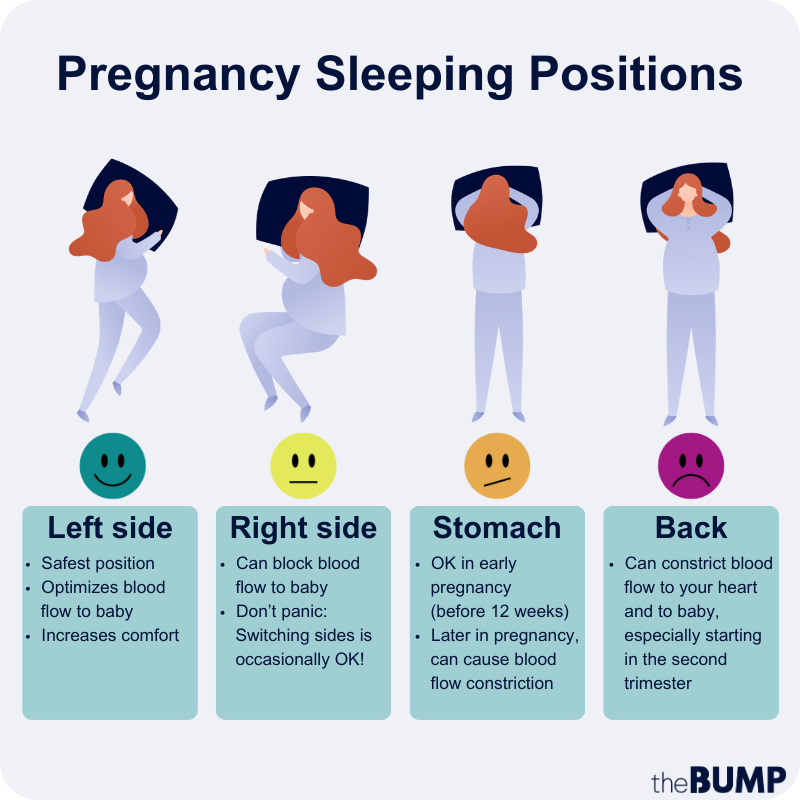
Sleeping on the left side is the safest position for pregnant women. This position improves blood flow to the baby and the uterus. It also helps the kidneys remove waste and fluids efficiently. Doctors often recommend this side to avoid putting pressure on the liver. The left side reduces swelling in the legs and feet.
Using Pillows For Support
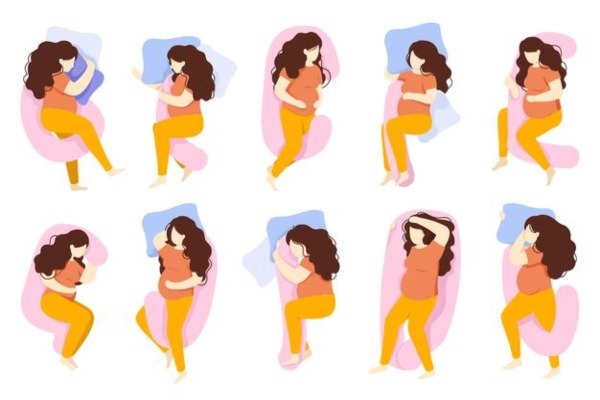
Pillows can make side sleeping much more comfortable. Placing a pillow under the belly gives extra support. A pillow between the knees keeps the hips aligned. Using a wedge pillow behind the back prevents rolling onto the back. Pillows help maintain a healthy posture during sleep.
Avoiding The Back And Stomach
Sleeping on the back puts pressure on the spine and major veins. This can reduce blood flow to the baby and cause dizziness. Avoid lying flat on the back after the first trimester. Sleeping on the stomach becomes uncomfortable as the belly grows. It may also put pressure on the baby. Side sleeping is always better than back or stomach positions.
Tips For Comfort Throughout The Night
Pregnancy changes your body in many ways. Comfort during sleep becomes very important. Small changes in your sleep setup help you rest better. These tips focus on making your nights peaceful and comfortable.
Choosing The Right Mattress
A firm mattress supports your back and belly well. Soft mattresses may cause aches and pains. Look for one that cushions your body but keeps you steady. Memory foam mattresses often work well for pregnant women. Replace old mattresses if they sag or feel uneven.
Adjusting Sleep Environment
Keep your bedroom cool and quiet. Use blackout curtains to block light. A comfortable pillow supports your head and neck. Place extra pillows under your belly or between your knees. These help reduce pressure and improve spine alignment.
Relaxation Techniques Before Bed
Try deep breathing exercises to calm your mind. Gentle stretching can ease muscle tension. A warm bath relaxes your body and prepares you for sleep. Avoid screens at least 30 minutes before bedtime. Create a bedtime routine to signal your body to rest.
Common Sleep Challenges During Pregnancy
Pregnancy brings many changes to the body. These changes often affect how well a woman sleeps. Many pregnant women face common sleep problems. These problems can make rest hard to find. Understanding these challenges helps in finding better sleep positions and solutions.
Dealing With Heartburn
Heartburn is a burning feeling in the chest. It happens when stomach acid moves up the throat. Pregnant women often get heartburn because of hormone changes. Lying flat can make heartburn worse. Sleeping with the upper body slightly raised can help reduce symptoms. Eating smaller meals and avoiding spicy foods may also ease heartburn at night.
Managing Frequent Urination
Frequent urination disrupts sleep many times a night. The growing baby puts pressure on the bladder. Drinking less fluid before bed can help. Using the bathroom right before sleeping is important. Trying to relax and avoid stress also helps reduce night trips to the bathroom.
Handling Leg Cramps
Leg cramps are sudden, painful muscle spasms. They often occur at night during pregnancy. Stretching the legs before bed helps prevent cramps. Drinking enough water during the day is crucial. Massaging the legs can soothe cramps when they happen. Sleeping on the left side may improve blood flow and reduce cramping.
When To Seek Medical Advice
Pregnancy brings many changes, including sleep challenges. It is important to know when sleep issues need medical attention. Some problems may affect your health and your baby’s growth. Knowing the signs helps you get the right care fast.
Persistent Sleep Problems
Sleep troubles that last for weeks need attention. Difficulty falling or staying asleep every night is a concern. Feeling very tired during the day can also be a sign. Ignoring these problems may hurt your mood and energy. Persistent sleep issues can affect your pregnancy health.
Signs Of Sleep Disorders
Watch for signs like loud snoring or gasping for air. These could mean sleep apnea, a serious condition. Restless legs or sudden jerks may point to restless leg syndrome. These disorders disrupt sleep and cause fatigue. They may increase risks during pregnancy if left untreated.
Consulting Your Healthcare Provider
Tell your doctor about any sleep problems. Be honest about your symptoms and how often they occur. Your healthcare provider can offer tests or treatments. They help protect both you and your baby’s health. Don’t wait—early care can improve sleep and pregnancy outcomes.
:max_bytes(150000):strip_icc()/Parents-GettyImages-74855026-ee448525327d448f962852a9ff9b9523.jpg)
Frequently Asked Questions
What Is The Best Sleep Position During Pregnancy?
The best sleep position during pregnancy is on your left side. It improves blood flow to the baby and uterus. This position also reduces pressure on the liver and helps prevent swelling.
Can Sleeping On The Back Harm Pregnancy?
Sleeping on the back can cause problems in late pregnancy. It may compress major blood vessels, reducing blood flow. This can lead to dizziness, back pain, and lower oxygen for the baby.
Is Sleeping On The Right Side Safe During Pregnancy?
Sleeping on the right side is generally safe but less ideal. It may reduce blood flow slightly compared to the left side. However, alternating sides can help maintain comfort and good circulation.
How Can I Stay Comfortable While Sleeping Pregnant?
Use pillows to support your belly and back for comfort. Try a pregnancy pillow to maintain side sleeping. Keep your head elevated to ease breathing and reduce heartburn.
Conclusion
Choosing the right sleep position can help both mother and baby. Side sleeping, especially on the left, improves blood flow and comfort. Avoid lying flat on your back to reduce risks. Small changes in sleep habits make a big difference.
Listen to your body and adjust as needed. Rest well to support a healthy pregnancy journey. Good sleep aids better mood and energy each day. Keep these tips in mind for peaceful nights ahead.