
As an Amazon Associate I earn from qualifying purchases.
Your body needs extra care after surgery, and one of the most important things you can do is pay attention to how you sleep. The position you choose to rest in can make a big difference in your comfort, healing speed, and overall recovery.
Are you wondering which sleep position is best for your specific surgery? Or maybe you’re worried about causing pain or complications by sleeping the wrong way? Keep reading to discover simple, effective tips that will help you sleep safely and wake up feeling better every day.
Your recovery starts the moment you close your eyes—let’s make sure it’s a smooth, restful journey.
Quick Navigation
Best Sleep Positions Post-surgery
Choosing the best sleep position after surgery helps your body heal faster. It also reduces pain and swelling. The right position supports your surgery area and keeps pressure off sensitive spots. This guide shares safe and comfortable ways to rest after surgery.
Sleeping On Your Back
Sleeping on your back is often the safest choice after surgery. It keeps your spine aligned and avoids pressure on the surgery site. Use pillows to support your head and knees. This position helps reduce swelling and pain. It also keeps your chest and stomach free from pressure.
Side Sleeping Benefits
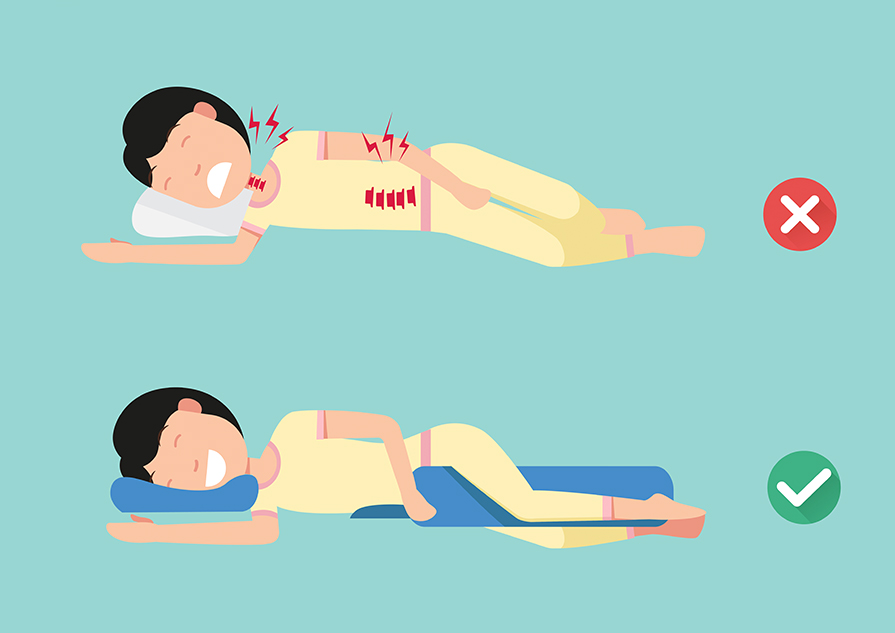
Side sleeping can be good for some surgeries. It helps keep airways open and improves breathing. Place a pillow between your knees for better hip support. This position reduces strain on your back and stomach. Make sure to lie on the side opposite the surgery area.
Avoiding Stomach Sleeping
Stomach sleeping puts pressure on your surgery site. It can cause pain and slow healing. Avoid this position until your doctor says it is safe. Sleeping on your stomach can also strain your neck and back. Choose back or side sleeping to protect your body.
How Sleep Position Affects Healing
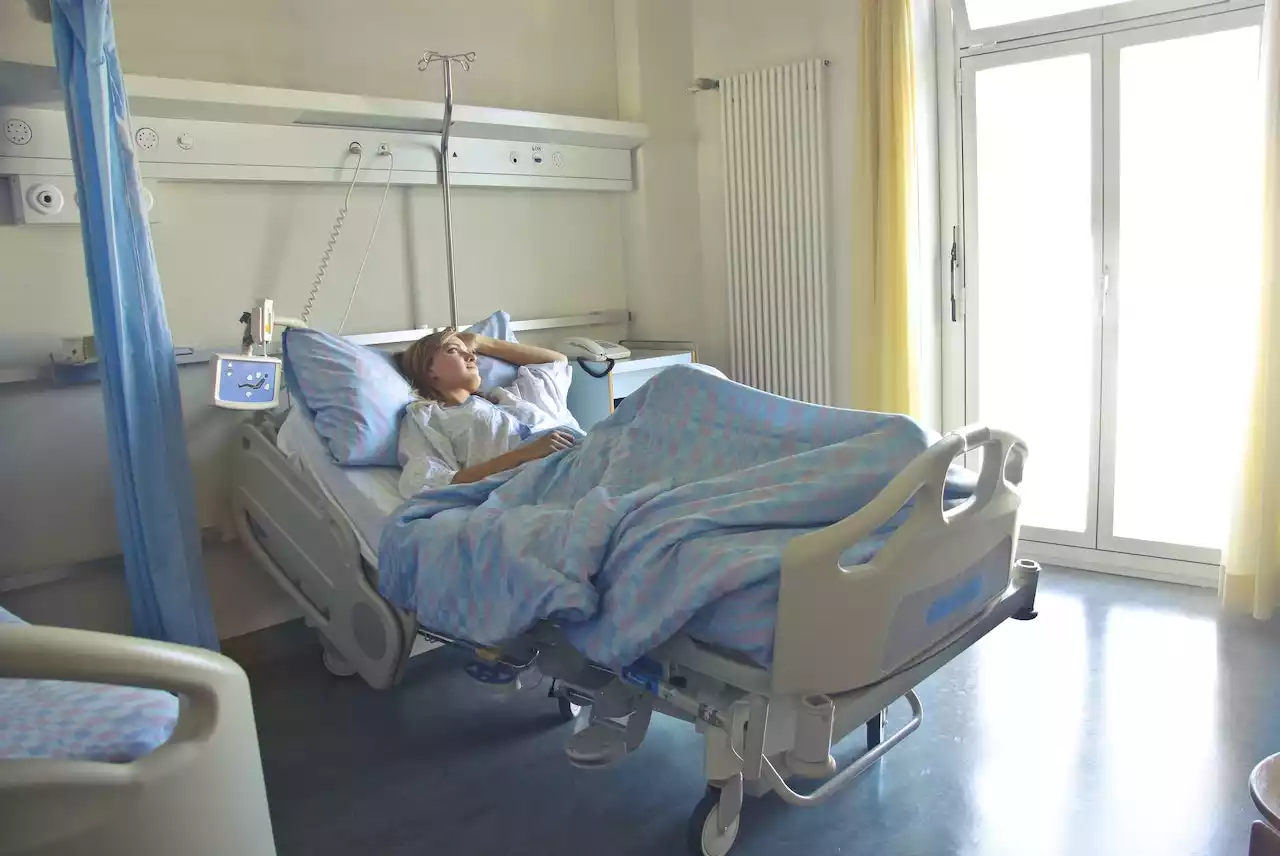
Sleep position plays a big role in how your body heals after surgery. Choosing the right position helps your body recover faster and reduces discomfort. It supports your healing process in many ways. Resting in a good position eases swelling, improves blood flow, and protects surgical areas. Let’s explore how sleep position affects healing in detail.
Reducing Swelling And Pain
Proper sleep positions help reduce swelling after surgery. Elevating the injured area lowers fluid build-up. Less swelling means less pressure and pain. Avoid sleeping directly on the surgical site to keep swelling down. This simple step helps your body heal with less discomfort.
Improving Blood Circulation
Good sleep positions improve blood flow to the surgical area. Blood carries oxygen and nutrients needed for healing. Proper circulation speeds up tissue repair and fights infection. Avoid positions that restrict blood flow or cause numbness. Rest in ways that keep your blood moving well.
Preventing Pressure On Surgical Sites
Pressure on surgical sites can delay healing and cause pain. Choosing a sleep position that avoids direct pressure is important. Use pillows or cushions to support and protect the area. This prevents irritation and helps wounds close faster. Protecting the surgical site means a smoother recovery.
Adjusting Sleep Positions For Different Surgeries
Adjusting sleep positions after surgery is key for healing and comfort. Different surgeries require unique sleeping postures to avoid pain and protect the operated area. Sleeping the right way helps reduce swelling and prevents complications. Understanding how to rest after surgery can speed up recovery and improve sleep quality.
Abdominal Surgery Tips
Sleep on your back with a pillow under your knees. This position helps ease pressure on the stomach. Avoid sleeping on your stomach or sides. Use a small pillow to support your abdomen. This reduces strain on the healing area. Keep your upper body slightly elevated to lower swelling.
Orthopedic Surgery Considerations
Keep the operated limb raised on pillows. This position helps reduce swelling and pain. Avoid putting weight on the injured part. Use pillows to keep your body aligned and stable. Sleep on the opposite side of the surgery if possible. Follow your doctor’s advice on using braces or supports at night.
Cardiac Surgery Sleep Advice
Sleep with your upper body raised at a 30-degree angle. This position helps breathing and reduces pressure on the chest. Avoid sleeping flat on your back or stomach. Use pillows to support your head and shoulders. Keep arms close to your body and avoid twisting. Rest this way to protect your chest and improve circulation.
Using Pillows And Supports
Using pillows and supports after surgery helps you sleep safely and comfortably. They protect your body and keep your wounds safe. Pillows and supports also reduce pain and swelling. Choosing the right ones and placing them well makes a big difference in your rest.
Choosing The Right Pillow
Select a pillow that fits your surgery type. Soft pillows work well for gentle support. Firm pillows help keep your body steady. Memory foam pillows shape to your body and ease pressure. Avoid pillows that are too high or stiff. The right pillow helps keep your body aligned and reduces pain.
Positioning Pillows For Comfort
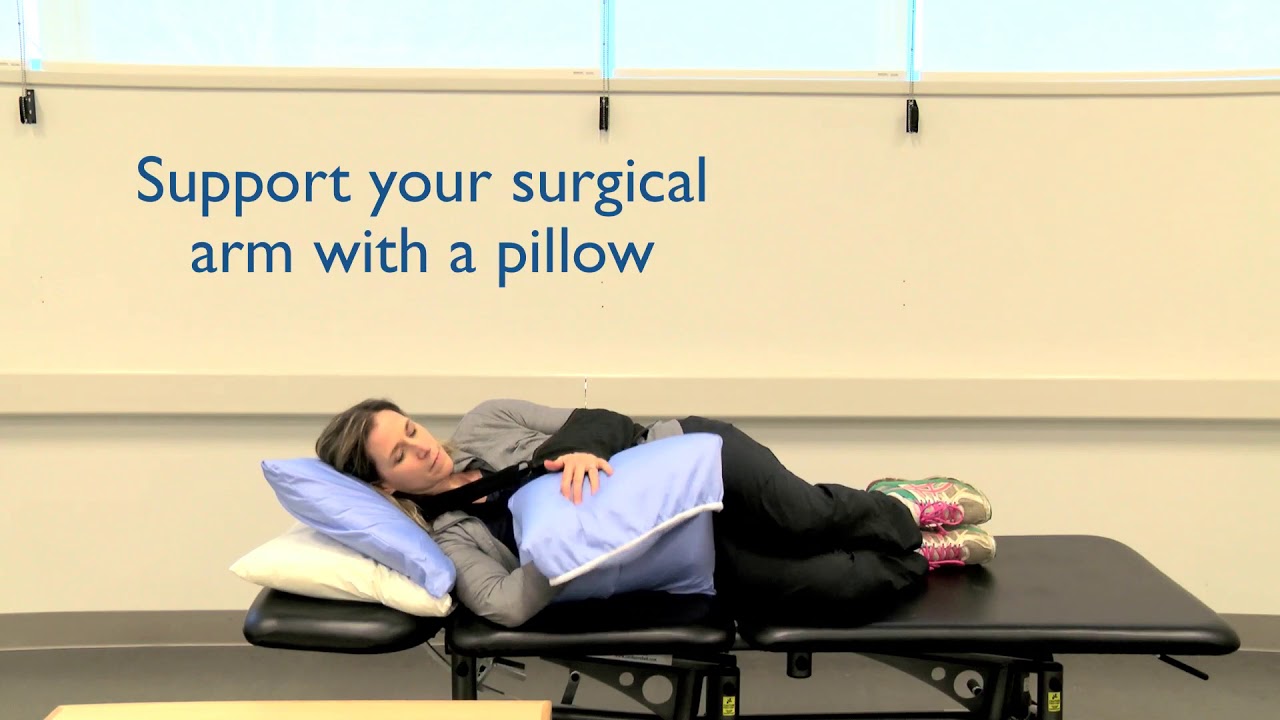
Place pillows under or around the surgery area. This cushions the spot and stops you from moving too much. Use a pillow between your knees if you lie on your side. A pillow under your knees helps if you sleep on your back. Adjust pillows until you feel steady and pain-free.
Supports To Maintain Proper Posture
Supports keep your spine and joints in the right place. Use back supports or braces if your surgery was on the spine or back. A neck roll pillow helps if your neck needs support. Proper posture aids healing and stops strain. Supports help you stay in safe positions all night.
Sleep Hygiene For Faster Recovery
Good sleep hygiene helps your body heal faster after surgery. Quality sleep supports tissue repair and reduces inflammation. Following healthy sleep habits can ease discomfort and improve your rest. It also helps you wake up feeling stronger each day.
Creating A Comfortable Sleep Environment
Keep your bedroom cool and dark to promote deep sleep. Use soft pillows to support your body and reduce pressure on surgery sites. Choose a mattress that offers firm but gentle support. Remove noise and distractions that might wake you up. A clean, calm space helps your mind relax and rest better.
Establishing A Sleep Routine
Go to bed and wake up at the same time daily. A regular schedule trains your body to rest more deeply. Avoid screens and bright lights at least one hour before sleep. Try calming activities like reading or listening to soft music. Consistency in your routine signals your brain to prepare for sleep.
Managing Pain Before Bedtime
Take prescribed pain medication as directed before going to sleep. Use ice packs or warm compresses to ease discomfort if allowed. Gentle stretching or relaxation exercises can help reduce muscle tension. Avoid heavy meals or caffeine close to bedtime. Managing pain well improves your ability to fall and stay asleep.
When To Consult Your Doctor
Knowing when to consult your doctor about your sleep position after surgery is crucial. Your body needs proper rest to heal well. Sometimes, certain sleep positions might cause discomfort or other problems. Watching your body’s signals helps you decide when to seek medical advice.
Recognizing Sleep-related Issues
Notice if pain worsens during sleep. Difficulty breathing or feeling dizzy should not be ignored. Unusual swelling or numbness may also signal a problem. Track these signs carefully to understand your body’s needs.
Adjusting Positions Based On Medical Advice
Your doctor may suggest specific sleep positions for better recovery. Follow their instructions strictly. Avoid changing positions without approval. Small changes can improve comfort and speed healing.
Signs Of Complications During Sleep
Watch for increased redness or bleeding near the surgery site. Sharp pain that does not fade is a warning sign. Fever or chills during the night need immediate attention. These symptoms require prompt medical consultation.
Frequently Asked Questions
What Is The Best Sleep Position After Surgery?
The best sleep position varies by surgery type. Generally, sleeping on your back with support reduces strain. Elevate the head if recommended to ease breathing. Always follow your surgeon’s specific advice for optimal healing.
How Long Should I Avoid Certain Sleep Positions?
Avoid positions that stress your surgery site for at least 4 to 6 weeks. This period allows tissues to heal properly. Your doctor will guide you based on your procedure and recovery progress.
Can Sleeping Position Affect Post-surgery Pain?
Yes, improper sleep positions can increase pain and swelling. Supporting the surgical area and maintaining recommended positions reduces discomfort. Proper positioning promotes better blood flow and speeds up healing.
Is It Safe To Sleep On My Side After Surgery?
Sleeping on your side may be safe depending on your surgery type. Avoid pressure on the operated area. Use pillows for support and consult your surgeon for personalized recommendations.
Conclusion
Choosing the right sleep position after surgery helps your body heal well. It reduces pain and swelling. It also lowers the risk of injury to the surgery area. Always follow your doctor’s advice about how to sleep safely. Use pillows to support your body as needed.
Rest is important for a quick recovery. Take care of yourself and listen to your body’s signals. Good sleep habits can make a big difference after surgery. Stay patient and give your body time to heal.