
As an Amazon Associate I earn from qualifying purchases.
Do you often wake up feeling the burn of acid reflux? You’re not alone, and the good news is, how you sleep could make a big difference.
Choosing the right sleep position can help reduce those uncomfortable symptoms and give you a better night’s rest. You’ll discover simple yet effective sleep positions that may ease your acid reflux and improve your overall comfort. Keep reading to find out how small changes in the way you sleep can bring big relief.
Quick Navigation
Impact Of Sleep On Acid Reflux
Sleep plays a key role in managing acid reflux. The way you rest can change how much acid moves up your throat. Poor sleep positions can make symptoms worse. Understanding the impact of sleep helps control acid reflux better.
How Sleep Affects Acid Reflux
When you lie down, gravity stops working to keep acid down. Acid can flow back into the esophagus more easily. This causes burning and discomfort. Your body is less active during sleep, so acid clearance slows. The lower esophageal sphincter relaxes more at night, allowing acid to escape.
Symptoms Worsening At Night
Many people feel acid reflux symptoms worse at night. Heartburn often gets stronger after lying down. Coughing and choking can disturb sleep. Nighttime reflux can cause sore throat or hoarseness. These symptoms interrupt rest and lower sleep quality. Finding the right sleep position reduces these problems.
Best Sleep Positions To Reduce Acid Reflux
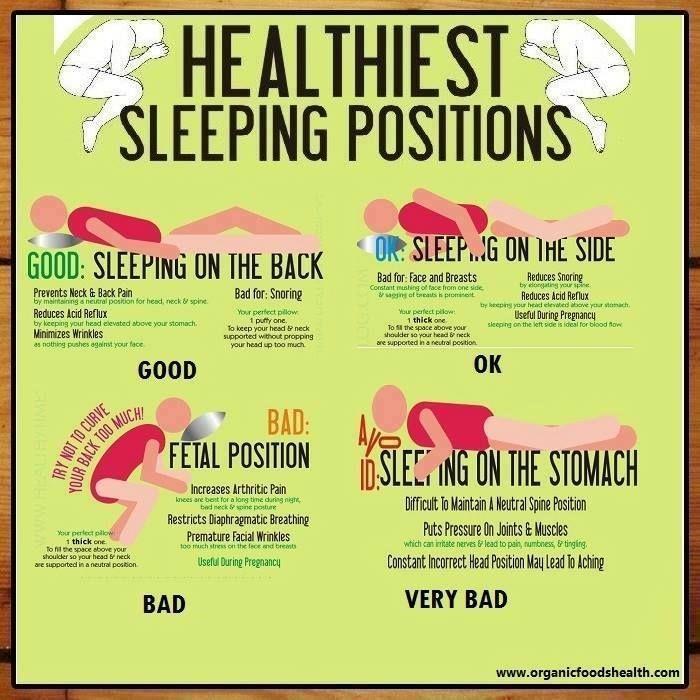
Choosing the right sleep position can help reduce acid reflux symptoms. Sleeping in certain ways keeps stomach acid from rising into the esophagus. This leads to better sleep and less discomfort at night. Understanding the best positions helps you avoid pain and enjoy restful nights.
Left Side Sleeping Benefits
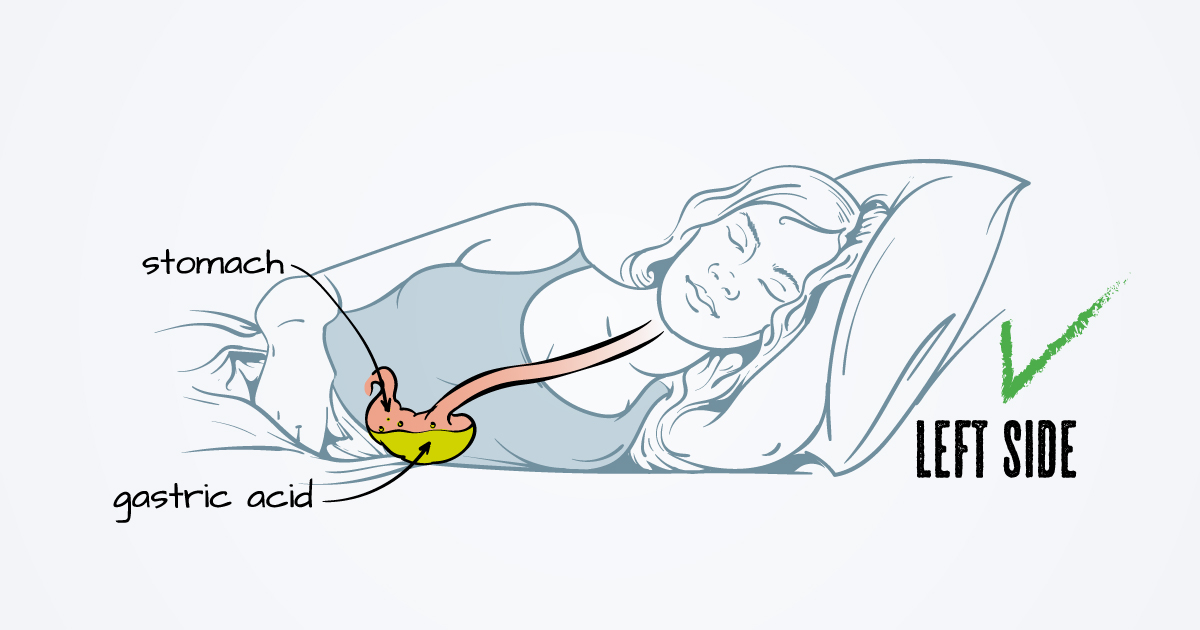
Sleeping on the left side lowers acid reflux. This position keeps the stomach below the esophagus. Gravity helps stop acid from moving upward. Many people find less heartburn and better digestion when they sleep this way. It is a natural and simple way to ease symptoms.
Elevated Upper Body Position
Raising the upper body helps prevent acid from rising. Use a wedge pillow or adjust the bed to lift your head. This angle stops acid from flowing back into the throat. It also reduces pressure on the stomach. Sleeping with the upper body elevated leads to fewer reflux problems.
Avoiding Right Side And Back Sleeping
Right side sleeping can worsen acid reflux. This position places the stomach above the esophagus. Acid can flow more easily into the throat. Back sleeping also increases reflux risk. It allows acid to pool near the esophagus. Avoid these positions for better acid reflux control.
Tips To Improve Sleep Quality With Acid Reflux
Sleeping well with acid reflux can be tough. The right habits can ease discomfort and help you rest. Small changes make a big difference in sleep quality. Try these simple tips for better nights.
Adjusting Pillow Types And Heights
Use pillows that raise your upper body. A wedge pillow works best for acid reflux. Keep your head and chest elevated to prevent acid from rising. Avoid flat pillows that let acid flow back up your throat. Find a pillow height that feels comfortable and supports your neck well.
Bed Frame Adjustments
Adjust your bed frame to tilt your mattress slightly. Raising the head of your bed by about 6 to 8 inches helps acid stay down. Use blocks or an adjustable bed frame to create this incline. Avoid using extra pillows alone to raise your head. This can cause pressure on your stomach and make reflux worse.
Lifestyle Changes Before Bedtime
Stop eating at least three hours before bedtime. Avoid spicy, fatty, or acidic foods that trigger reflux. Drink less liquid in the evening to reduce stomach pressure. Wear loose clothes to avoid squeezing your stomach. Try relaxing activities like reading or deep breathing before sleep. These habits calm your body and reduce reflux symptoms.
When To Seek Medical Advice
Knowing when to seek medical advice for acid reflux is important. Sleep positions can help reduce symptoms, but some signs need a doctor’s attention. Do not ignore ongoing discomfort or new problems. Early care can prevent serious health issues.
Persistent Symptoms
Acid reflux symptoms that last more than two weeks need a check-up. Regular heartburn, chest pain, or difficulty swallowing are warning signs. Sleep changes may not be enough to stop these problems. A doctor can find the cause and suggest proper treatment. Do not wait until symptoms get worse.
Potential Complications
Untreated acid reflux can lead to serious health problems. These include ulcers, bleeding, or damage to the esophagus. Some people develop Barrett’s esophagus, which needs careful monitoring. If sleep positions do not ease symptoms, seek medical help. Early diagnosis prevents complications and improves quality of life.

Frequently Asked Questions
What Is The Best Sleep Position For Acid Reflux?
Sleeping on your left side is best for acid reflux. This position helps keep stomach acid down. It reduces pressure on the lower esophageal sphincter, preventing acid from rising into the esophagus.
Can Sleeping On The Back Worsen Acid Reflux?
Yes, sleeping on your back can worsen acid reflux. It allows stomach acid to flow back into the esophagus more easily. Elevating the head while sleeping on your back can help reduce symptoms.
How Does Sleeping On The Right Side Affect Acid Reflux?
Sleeping on the right side may increase acid reflux. This position relaxes the lower esophageal sphincter, allowing acid to escape the stomach. It is generally less recommended than sleeping on the left side.
Should I Elevate My Head To Reduce Acid Reflux While Sleeping?
Elevating your head by 6 to 8 inches can reduce acid reflux. It uses gravity to keep acid in the stomach. Use a wedge pillow or adjustable bed for best results.
Conclusion
Choosing the right sleep position can ease acid reflux symptoms. Sleeping on your left side helps keep stomach acid down. Avoid lying flat on your back or right side. Elevating your head slightly also reduces discomfort. Small changes in how you sleep make a big difference.
Try these tips tonight for better rest. Feel the relief and wake up refreshed. Good sleep supports good health every day. Keep your body comfortable and acid reflux at bay. Simple habits bring peaceful nights and brighter mornings.