
As an Amazon Associate I earn from qualifying purchases.
Have you ever wondered what really happens to your body when you fall into deep sleep? It’s more than just rest—your body mechanics actually change in surprising ways.
Understanding these changes can help you improve your sleep quality and wake up feeling refreshed. You’ll discover how your muscles, joints, and breathing work differently during deep sleep. Keep reading to unlock the secrets of your body’s nighttime transformation and take control of your sleep like never before.
Quick Navigation
Stages Of Deep Sleep
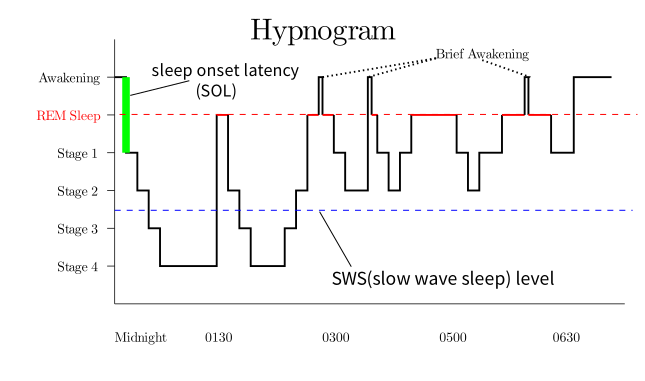
Deep sleep is a vital phase of the sleep cycle. It helps the body repair and recharge. During this stage, body mechanics change significantly. Understanding the stages of deep sleep reveals how these changes happen.
Deep sleep mainly occurs in a stage called slow-wave sleep. This stage shows unique brain patterns and muscle behavior. These features support physical recovery and memory consolidation.
Characteristics Of Slow-wave Sleep
Slow-wave sleep is the deepest part of non-REM sleep. It has slow, high-amplitude brain waves called delta waves. These waves indicate the brain is in a restful, restorative state.
During this stage, breathing slows down and becomes steady. Heart rate also decreases to conserve energy. The body temperature drops slightly to support healing.
Muscle activity reduces but does not disappear. This minimal movement helps prevent injuries while allowing some body adjustments.
Brain Activity And Muscle Tone
Brain activity in slow-wave sleep is low but very organized. This pattern helps the brain clear waste and strengthen important connections.
Muscle tone lowers significantly during deep sleep. This relaxation protects the body from sudden movements that could cause harm.
The muscles remain active enough to keep breathing and heart functions steady. The balance between relaxation and control is key to deep sleep’s benefits.

Muscle Relaxation Patterns
During deep sleep, the body undergoes important changes in muscle activity. Muscle relaxation patterns play a key role in this stage. These patterns help the body rest and repair itself. Muscles lose tension and become almost completely relaxed. This relaxation supports many vital functions, including healing and energy restoration.
Understanding these patterns gives insight into how sleep affects body mechanics. It also explains why deep sleep is essential for overall health and comfort.
Loss Of Muscle Tone
Muscle tone refers to the natural tension in muscles at rest. During deep sleep, muscle tone drops significantly. This means muscles lose their firmness and become very soft. The brain sends signals to relax the muscles fully. This loss of muscle tone prevents the body from moving too much. It also protects muscles from strain and injury during sleep.
Impact On Posture
With muscles relaxed, the body’s posture changes during deep sleep. The spine and joints find a natural, comfortable position. This position reduces pressure on bones and muscles. It allows the body to stay still and restful. Poor posture during sleep can cause discomfort. Muscle relaxation helps the body avoid stiffness and soreness after waking.
Breathing And Circulation Shifts
Deep sleep brings many changes to how your body works. Breathing and blood flow adjust to help your body heal and rest. These shifts support vital functions and keep you healthy. Understanding these changes shows how deep sleep restores your body every night.
Respiratory Rate Changes
During deep sleep, your breathing slows down. The number of breaths per minute drops. This slower breathing helps your body use oxygen more efficiently. Your lungs take in air calmly and steadily. This calm breathing also helps your brain relax. It lowers stress and supports restful sleep.
Blood Flow Adjustments
Your heart rate slows during deep sleep. Blood vessels widen to improve circulation. More blood flows to muscles and organs that repair themselves. This increased blood flow helps healing and growth. It also lowers blood pressure, giving your heart a break. These shifts keep your body balanced and healthy.
Spinal Alignment Variations
Spinal alignment changes naturally during deep sleep. Your body relaxes and muscles loosen. This allows the spine to adjust its position. These changes help reduce tension and support healing. Understanding these variations shows how sleep affects your back health.
Natural Curvature During Sleep
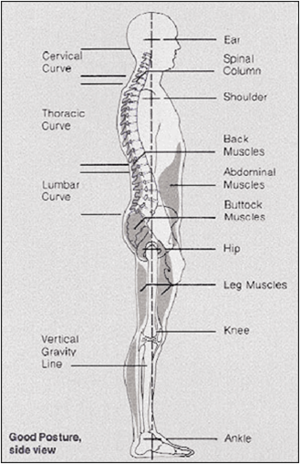
The spine has three natural curves: neck, upper back, and lower back. During deep sleep, these curves shift slightly. The neck curve may soften as the head rests on a pillow. The upper back flattens a bit against the mattress. The lower back curve can either increase or decrease. This depends on your sleeping position. Side sleepers often see a more balanced curve. Back sleepers may experience more pressure in the lower back. These natural changes help distribute body weight evenly.
Effects On Back Health
Proper spinal alignment supports healthy discs and joints. When the spine rests well, it reduces strain on muscles and ligaments. Poor alignment can cause stiffness or pain after waking. Deep sleep promotes healing of spinal tissues. It also prevents chronic back problems. Sleeping in positions that keep natural curvature helps maintain back health. Using the right mattress and pillow supports this alignment. Good spinal alignment during sleep leads to less discomfort and better rest.
Joint Positioning And Movement
During deep sleep, the body changes how joints are positioned and how they move. This helps the body rest and repair itself. Joints stay in places that reduce pressure and avoid pain. Small movements also happen, which keep joints healthy. These changes support comfort and healing while you sleep.
Reduced Joint Stress
Joints relax deeply during deep sleep. The body finds positions that lower stress on joints. This means less pressure on cartilage and bones. Muscles around joints loosen up too. This rest helps reduce pain and stiffness. It also lowers the risk of joint damage over time.
Micro-movements In Sleep
Small, gentle movements happen during deep sleep. These micro-movements stop joints from becoming stiff. They improve blood flow to joint tissues. This helps keep joints flexible and healthy. These tiny motions work without waking you up. They support joint repair and reduce discomfort.
Role Of Body Mechanics In Sleep Quality
The role of body mechanics in sleep quality is very important. How your body moves and rests affects how well you sleep. Proper body alignment helps reduce pain and discomfort during the night. It allows muscles to relax fully. This leads to deeper and more refreshing sleep.
Body mechanics also impact breathing and blood flow. Poor posture can cause interruptions in breathing. It can increase pressure on nerves and joints. Good body mechanics support the body’s natural curves and reduce strain. This supports healthy sleep cycles and better rest overall.
Comfort And Pressure Points
Comfort is key to staying asleep. Body mechanics help spread weight evenly across the mattress. This prevents pressure points from forming. Pressure points cause pain in shoulders, hips, and knees. They can wake you up or make it hard to fall asleep.
Adjusting your position to reduce pressure points improves comfort. Using pillows to support the neck and knees helps maintain good alignment. This reduces discomfort and helps the body stay relaxed.
Influence On Restorative Sleep
Restorative sleep is when the body heals and repairs itself. Proper body mechanics support this process. They keep the spine aligned and muscles relaxed. This reduces stress on the body and allows for better recovery.
Good body mechanics also promote steady breathing. This helps the brain get enough oxygen. It improves the quality of deep sleep phases. Better deep sleep means more energy and focus the next day.
Impact Of Sleep Environment
The environment around you plays a big role in how your body moves during deep sleep. Your body needs comfort and the right conditions to relax fully. Changes in sleep environment can affect your body mechanics and how well you rest. Small details matter. They help your muscles and joints stay in a good position. This support reduces stress and helps your body heal.
Mattress And Pillow Support
A mattress that is too soft or too hard can change your body’s alignment. Proper support keeps your spine straight and your muscles relaxed. A good pillow holds your neck in a natural position. It stops your head from tilting too far forward or backward. Both mattress and pillow work together. They help prevent aches and stiffness after sleep.
Room Temperature And Humidity
Body mechanics also change with room temperature. Too hot or too cold makes your body tense. The right temperature helps muscles loosen up. Ideal room temperature is usually between 60 and 67 degrees Fahrenheit. Humidity matters too. Dry air can cause discomfort and dry skin. Balanced humidity keeps your body comfortable and movements smooth during sleep.
Common Sleep-related Disorders
Many people face problems during sleep that affect their body’s natural movements. These problems are known as sleep-related disorders. They can change how your body works while you sleep deeply. Understanding these disorders helps in managing them better.
Sleep Apnea And Body Mechanics
Sleep apnea causes short pauses in breathing during sleep. These pauses make the body work harder to get air. The chest and throat muscles tighten and relax repeatedly. This disrupts the normal body position during deep sleep. The body may shift often to open the airway. Poor oxygen flow affects muscle relaxation and body recovery. This can cause stiffness and discomfort the next day.
Restless Leg Syndrome Effects
Restless Leg Syndrome makes legs move uncontrollably during sleep. These movements disturb the deep sleep phase. The body cannot stay still for long. Muscles in the legs tense and release repeatedly. This constant motion prevents full muscle rest and repair. It may lead to soreness and tiredness in the legs. The body’s ability to maintain proper sleep posture also reduces.
Improving Body Mechanics For Better Sleep
Improving body mechanics plays a key role in enhancing deep sleep quality. Proper alignment of the body reduces strain on muscles and joints. This helps the body relax fully and promotes restful sleep. Simple changes in sleep habits can make a big difference in how the body feels upon waking. Focusing on body mechanics supports better sleep and overall health.
Optimal Sleep Positions
Choosing the right sleep position helps maintain natural spine alignment. Sleeping on your back with a pillow under the knees eases lower back pressure. Side sleeping with a pillow between the knees supports hip and spine alignment. Avoid sleeping on the stomach as it strains the neck and back. Small adjustments to your position reduce discomfort and improve sleep quality.
Stretching And Relaxation Techniques
Gentle stretching before bed releases muscle tension and prepares the body for rest. Focus on stretches that target the neck, shoulders, and lower back. Deep breathing exercises calm the nervous system and lower heart rate. Relaxation methods help the body enter deep sleep faster. Consistent practice enhances body comfort and sleep depth.
Frequently Asked Questions
How Do Body Mechanics Change During Deep Sleep?
During deep sleep, muscle activity decreases significantly. The body becomes more relaxed, reducing movement. This helps restore energy and supports tissue repair. Breathing slows, and heart rate decreases to promote healing. Overall, body mechanics shift to a state of rest and recovery.
Why Is Muscle Relaxation Important In Deep Sleep?
Muscle relaxation during deep sleep prevents unnecessary strain and promotes recovery. It allows muscles to repair and grow stronger. This relaxation also reduces the risk of injury and supports overall physical health. Deep sleep is essential for maintaining optimal muscle function and body balance.
How Does Deep Sleep Affect Posture And Alignment?
In deep sleep, the body naturally adjusts to relieve pressure points. This helps maintain proper spinal alignment and reduces discomfort. The relaxed muscles support a neutral posture, minimizing stress on joints. Proper alignment during deep sleep aids in preventing chronic pain and improving sleep quality.
What Role Does Deep Sleep Play In Nervous System Recovery?
Deep sleep is crucial for nervous system restoration. It slows brain activity and reduces sensory input. This allows the nervous system to repair and process information. Restoring nervous system function improves memory, mood, and overall cognitive health.
Conclusion
Deep sleep changes how your body moves and rests. Muscles relax deeply to help heal and grow. Breathing slows down and becomes steady. Your spine and joints shift to ease pressure. These changes help your body recover fully each night.
Knowing this can improve how you sleep. Better sleep means better health and energy. Pay attention to your body’s needs during rest. Sleep well, feel strong every day.